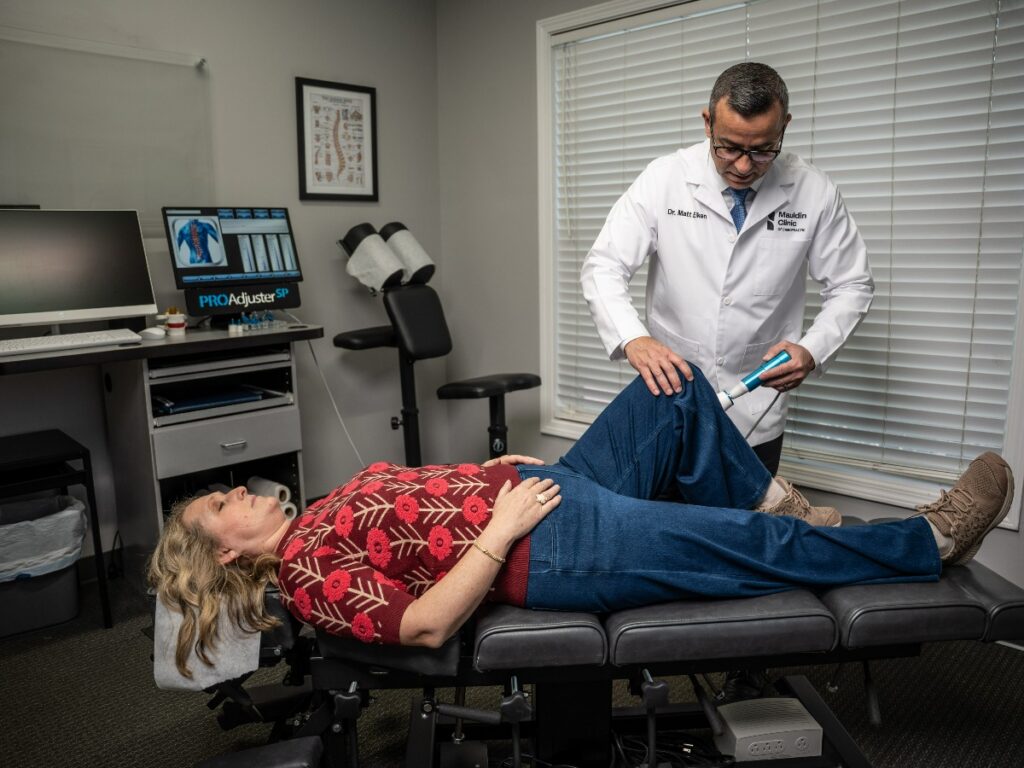


If you’re over 50 and waking up with back pain more mornings than not, you’re far from alone. Here in Mauldin, SC, many of our patients at The Mauldin Clinic tell us the same story: “I go to bed feeling fine, but I wake up stiff, sore, and barely able to get out of bed.” Morning back pain doesn’t have to be an inevitable part of aging. In fact, understanding the real reasons behind it is the first step toward waking up refreshed and pain-free. Dr. Matt Eiken and our team have helped countless Mauldin seniors identify and address the hidden culprits behind morning back discomfort, and we’re here to share what we’ve learned with you.
What causes morning back pain in seniors? Morning back pain in older adults is typically caused by a combination of factors including unsupportive sleep surfaces, prolonged static positioning during sleep, age-related spinal changes, muscle weakness, inflammation, and lifestyle habits that affect spinal health and recovery during rest.
Table of Contents
- Your Mattress Is Actually Making Things Worse
- You’re Sleeping in Positions That Stress Your Spine
- Your Muscles Are Weakening While You Sleep
- Inflammation Peaks in the Early Morning Hours
- Dehydration Is Affecting Your Spinal Discs
- Your Evening Routine Is Setting You Up for Pain
- Age-Related Spinal Changes Are Being Aggravated Overnight
- How Chiropractic Care Can Help Mauldin Seniors Wake Up Pain-Free
- Practical Steps You Can Take Tonight
- When to See a Chiropractor About Morning Back Pain
- Sleep Positions Compared
- Myths vs. Facts About Senior Morning Back Pain
- Final Thoughts
Surprising Reason #1: Your Mattress Is Actually Making Things Worse
This might sound obvious, but the mattress factor goes deeper than most people realize. If your mattress is more than eight to ten years old, it has likely lost significant support, even if it doesn’t look saggy or worn. Over time, the internal structure breaks down, creating uneven support that forces your spine into awkward positions all night long.
Here’s what happens: As you lie on an unsupportive mattress, your heavier body parts like your hips and shoulders sink down more than they should. This creates a hammock effect that leaves your lower back either hyperextended or twisted. After six to eight hours in these compromised positions, the muscles and ligaments around your spine become strained and inflamed. When you wake up, you feel it immediately.
For seniors specifically, this problem intensifies because age-related changes in your discs and joints mean your spine has less natural cushioning and flexibility. What might have been tolerable at 35 becomes unbearable at 65. The good news is that mattress technology has improved dramatically. Medium-firm mattresses tend to work best for most people with back pain, but individual needs vary based on body type and specific spinal issues.
At The Mauldin Clinic, Dr. Matt Eiken often asks patients about their sleep surface during initial consultations. It’s one of the easiest factors to change, and many Mauldin seniors report significant improvement within just a few nights of sleeping on proper support.
Surprising Reason #2: You’re Sleeping in Positions That Stress Your Spine
Sleep position matters more than most people think, especially as we age. Stomach sleeping is particularly problematic because it forces your neck to rotate to one side for hours while hyperextending your lower back. This combination creates tremendous stress on both your cervical and lumbar spine.
Back sleeping can also cause issues if done incorrectly. Without proper support under your knees, your lower back can arch excessively, straining the muscles and ligaments. Side sleeping is generally the most spine-friendly position, but only when done correctly with a pillow between your knees to keep your hips and spine aligned.
Many of our patients in Mauldin have slept the same way for decades. Changing sleep positions feels awkward at first, but the payoff in reduced morning pain makes it worthwhile. Your body adapts to new positions faster than you might expect, usually within one to two weeks.
The position you fall asleep in matters, but so does what happens during the night. Most people shift positions multiple times while sleeping. If your mattress and pillow setup don’t support good alignment in multiple positions, you’ll still wake up with pain even if you start the night correctly positioned.
Surprising Reason #3: Your Muscles Are Weakening While You Sleep
This one surprises most people. During sleep, your muscles enter a state of reduced activity. For seniors who may already have some degree of muscle weakness or deconditioning, this prolonged period of inactivity can leave muscles stiff and less responsive come morning.
Think of it this way: your core muscles, back extensors, and hip flexors work all day to support your spine and maintain posture. When you lie down for eight hours, these muscles basically go offline. If they’re already weak from inactivity or age-related muscle loss, they struggle to re-engage quickly when you wake up and try to move.
This is why many seniors feel like their back “locks up” first thing in the morning. The muscles aren’t firing correctly yet, so the spine lacks its normal muscular support system. Until those muscles warm up and reactivate, movement feels painful and restricted. This usually improves as you move around and get going with your day.
The solution isn’t sleeping less. It’s strengthening those support muscles during the day so they’re more resilient even after a night of rest. Dr. Matt Eiken often recommends specific strengthening exercises that target the deep core stabilizers and postural muscles that seniors need most.
Surprising Reason #4: Inflammation Peaks in the Early Morning Hours
Your body operates on natural rhythms called circadian cycles, and inflammation follows these patterns. Research indicates that inflammatory markers in the body tend to peak in the early morning hours, which is why many conditions involving inflammation feel worse upon waking.
For seniors with degenerative disc disease, facet joint arthritis, or spinal stenosis, this natural inflammatory rhythm means that the tissues around your spine are at their most inflamed right when you’re waking up. Add in the mechanical stress from poor sleep positioning or an unsupportive mattress, and you’ve got a perfect storm for morning back pain.
This inflammatory pattern is also influenced by cortisol, a hormone that naturally rises in the morning. While cortisol helps wake you up and get you moving, it can also contribute to the perception of pain if inflammation is already present in your spine.
Understanding this cycle helps explain why movement often helps. As you start your day, blood flow increases, inflammatory chemicals get cleared away more efficiently, and pain typically decreases. The goal is to minimize the mechanical irritation overnight so there’s less inflammation to begin with when morning arrives.

Surprising Reason #5: Dehydration Is Affecting Your Spinal Discs
Here’s a fact that catches many people off guard: your spinal discs are about 80 percent water. During the day, as you move and bear weight, your discs naturally compress and lose some of that water content. At night, when you’re lying down and pressure is off the spine, the discs rehydrate and plump back up.
If you’re chronically dehydrated, which is common among seniors, your discs don’t rehydrate as effectively. This leaves them less capable of cushioning your vertebrae properly. Dehydrated discs are stiffer and less shock-absorbent, which means more stress gets transferred to the surrounding structures like facet joints, ligaments, and muscles.
Many Mauldin seniors we see at The Mauldin Clinic simply don’t drink enough water throughout the day. Between reduced thirst sensation that comes with aging and intentionally limiting fluids to avoid nighttime bathroom trips, chronic mild dehydration becomes the norm.
The solution is strategic hydration. Focus on getting adequate water intake during the morning and afternoon, then taper off in the evening. This approach supports disc health without disrupting sleep with frequent bathroom visits. Your spine will thank you come morning.
Surprising Reason #6: Your Evening Routine Is Setting You Up for Pain
What you do in the hours before bed directly impacts how your back feels the next morning. Sitting for long periods in the evening, whether watching television or reading, allows your hip flexors to tighten and your glutes to weaken. When you then lie down with tight hips, it pulls your pelvis out of alignment and strains your lower back all night.
Late evening meals can also contribute. Digestive processes slow down when you’re lying flat, which can lead to bloating and abdominal distension. This puts pressure on your lower back from the inside out, adding to mechanical stress on already vulnerable structures.
Screen time before bed affects more than just sleep quality. The mental engagement keeps your nervous system revved up, which means your muscles don’t fully relax during sleep. Tense muscles throughout the night equals sore muscles in the morning.
Creating an evening routine that includes gentle movement, stretching, and relaxation helps prepare your body for restorative sleep. Even just ten minutes of easy walking and simple stretches can make a significant difference in how your back feels when you wake up. Dr. Matt Eiken often provides patients with specific evening routines tailored to their individual needs and limitations.
Surprising Reason #7: Age-Related Spinal Changes Are Being Aggravated Overnight
Let’s be honest about what happens to the spine as we age. Discs naturally lose height and hydration. Facet joints develop arthritis. Ligaments can thicken or become less elastic. These changes are a normal part of aging, not a disease process, but they do make your spine more sensitive to mechanical stress.
During the day, when you’re moving frequently and changing positions, these age-related changes usually don’t cause constant pain. Your body compensates and adapts. But at night, when you hold relatively static positions for hours, any misalignment or awkward positioning gets magnified.
Think of it like this: if you have some arthritis in your facet joints, lying in a twisted position all night is like holding a bent finger in place for eight hours. By morning, that joint is going to be stiff, swollen, and painful. The same principle applies to your spine.
The key isn’t trying to reverse aging or eliminate normal degenerative changes. It’s about optimizing everything you can control like sleep position, mattress quality, hydration, muscle strength, and movement patterns so those age-related changes cause minimal symptoms. Many Mauldin seniors are surprised to learn they can feel significantly better even without changing what’s happening structurally in their spine.
How Chiropractic Care Can Help Mauldin Seniors Wake Up Pain-Free
Chiropractic care offers a conservative, non-invasive approach to addressing the underlying mechanical issues that contribute to morning back pain. At The Mauldin Clinic, we focus on identifying and correcting the specific spinal dysfunction that’s causing your symptoms.
For many seniors, spinal adjustments help restore proper joint mobility and alignment, which reduces mechanical stress during sleep. When your vertebrae move correctly and sit in their optimal positions, the surrounding muscles don’t have to work as hard to stabilize your spine. This means less strain, less inflammation, and less morning pain.
But chiropractic care goes beyond adjustments. Dr. Matt Eiken takes a whole-person approach that includes evaluating your sleep habits, recommending specific positional changes, suggesting supportive pillows or mattress modifications, and providing exercises to strengthen the muscles that support your spine.
We also look at how your daily activities and movement patterns might be contributing to nighttime pain. Sometimes the solution involves changes to your daytime routine that have downstream effects on how you feel in the morning. This comprehensive approach addresses the root causes rather than just masking symptoms.
Evidence indicates that spinal manipulation can be effective for certain types of back pain, particularly when combined with exercise and patient education. The goal is always to help you function better, move more comfortably, and enjoy improved quality of life without relying on medications or invasive procedures.
Practical Steps You Can Take Tonight
You don’t have to wait for a chiropractic appointment to start feeling better. Here are evidence-based strategies you can implement right away that many Mauldin seniors find helpful.
First, assess your mattress honestly. If it’s more than eight years old or shows visible sagging, it’s time to consider replacing it. In the meantime, you can sometimes improve support by placing a firm board between your mattress and box spring. This isn’t a permanent solution, but it can help while you shop for a new mattress.
Second, optimize your sleep position tonight. If you’re a side sleeper, place a pillow between your knees to keep your hips aligned. If you sleep on your back, put a pillow under your knees to reduce lower back arch. If you’re a stomach sleeper, try to transition to side or back sleeping even if it feels awkward at first.
Third, create a pre-bed movement routine. Spend five to ten minutes doing gentle stretches focusing on your hip flexors, hamstrings, and lower back. Cat-cow stretches, child’s pose, and gentle spinal twists can all help release tension before you lie down for the night.
Fourth, pay attention to hydration throughout the day. Aim for adequate water intake in the morning and afternoon, tapering off a few hours before bed. This supports disc health without disrupting sleep.
Fifth, evaluate your evening habits. Try to avoid prolonged sitting in the two hours before bed. Take short walking breaks, even if it’s just around your house. This keeps your muscles engaged and prevents the tightness that contributes to morning pain.
Finally, consider your pillow. Your neck position affects your entire spine. A pillow that keeps your head aligned with your spine in whatever position you sleep is essential. Too high or too flat both cause problems that can refer pain down into your back.
When to See a Chiropractor About Morning Back Pain
Morning back pain that improves as you move around during the day is often mechanical in nature and responds well to conservative care like chiropractic. If you’ve been dealing with this pattern for more than a few weeks, it’s worth getting evaluated.
You should definitely seek professional care if your morning back pain is getting progressively worse rather than staying stable or improving. Worsening pain suggests something needs to change in your approach or treatment plan.
If your pain is accompanied by numbness, tingling, or weakness in your legs, don’t wait. These neurological symptoms need prompt evaluation to determine their cause and appropriate treatment. While they don’t always indicate something serious, it’s important to rule out conditions that require specific intervention.
Morning stiffness that lasts more than an hour after waking and moving around may indicate inflammatory conditions that need different management strategies. While some morning stiffness is normal, especially as we age, prolonged stiffness warrants professional assessment.
Pain that interferes with your sleep quality or prevents you from doing activities you enjoy during the day has crossed the threshold where professional help makes sense. You don’t have to live with pain that limits your life. Conservative care options exist that can help.
At The Mauldin Clinic, we perform thorough evaluations to understand what’s causing your specific pattern of morning back pain. Dr. Matt Eiken will discuss your complete health history, perform orthopedic and neurological testing, and develop a personalized care plan based on your individual needs and goals.

Sleep Positions Compared: Impact on Your Spine
| Sleep Position | Spinal Alignment Impact | Best For | Recommended Modification |
|---|---|---|---|
| Stomach Sleeping | Hyperextends lower back; forces neck rotation | Not recommended for back pain | Transition to side or back sleeping |
| Back Sleeping (flat) | Can increase lower back arch | People without lower back sensitivity | Place pillow under knees |
| Back Sleeping (supported) | Maintains natural lumbar curve | Most people with back pain | Use knee pillow; proper neck support |
| Side Sleeping (legs together) | Twists pelvis and strains lower back | Not ideal without modification | Add pillow between knees |
| Side Sleeping (with pillow) | Keeps spine, hips, and pelvis aligned | Most seniors with back pain | Ensure pillow keeps knees separated |
| Fetal Position (tight) | Excessive spinal flexion; tight hip flexors | Not recommended long-term | Straighten out slightly; use knee pillow |
Myths vs. Facts About Senior Morning Back Pain
Myth: Morning back pain is just a normal part of aging that you have to accept
Fact: While age-related spinal changes are normal, significant morning pain is not inevitable. Most seniors can achieve substantial relief through proper sleep support, position modifications, strengthening exercises, and conservative care like chiropractic. Pain that limits your function or quality of life deserves attention and treatment.
Myth: A firm mattress is always best for back pain
Fact: Research actually suggests that medium-firm mattresses tend to work better than extremely firm surfaces for most people with back pain. A mattress needs to support your spine while allowing some contouring to your body’s natural curves. Too firm can create pressure points; too soft provides inadequate support. Individual needs vary based on body type and specific conditions.
Myth: If you can get through the morning stiffness, you don’t need treatment
Fact: Morning pain that resolves with movement indicates mechanical issues that are still worth addressing. Just because pain improves during the day doesn’t mean the underlying problem has resolved. Addressing the root cause can prevent progression and improve overall spinal health. Many patients are surprised how much better they feel overall once morning pain is properly managed.
Myth: Exercise before bed will make morning back pain worse
Fact: Gentle movement and stretching before bed actually helps most people by releasing muscle tension and improving flexibility. The key is keeping it gentle and avoiding vigorous exercise close to bedtime. Light walking and simple stretches prepare your body for more comfortable rest and typically reduce rather than increase morning pain.
Myth: You need expensive specialty mattresses or equipment to fix morning back pain
Fact: While a supportive mattress matters, many effective solutions are simple and inexpensive. Proper pillow positioning, sleep position modifications, hydration, and targeted stretches can make significant differences without major purchases. Start with the basics before investing in expensive equipment. Often the most effective changes are the simplest ones.
Final Thoughts from The Mauldin Clinic
Morning back pain doesn’t have to be your new normal. Here in Mauldin, we see seniors every week who thought they’d have to live with pain, only to discover that targeted changes and conservative care can make a remarkable difference. Dr. Matt Eiken and our entire team at The Mauldin Clinic are committed to helping you understand what’s causing your specific pain pattern and developing practical solutions that fit your lifestyle.
The seven surprising reasons we’ve covered today represent the most common culprits we see, but everyone’s situation is unique. What works for one person might need adjustment for another. That’s why individualized assessment and care planning matter so much. We take the time to understand your complete picture so we can address the root causes rather than just treating symptoms.
If you’re tired of starting every day with back pain and stiffness, we’d be honored to help. Our approach combines hands-on chiropractic care with education, exercise guidance, and lifestyle recommendations designed to get you feeling your best. You deserve to wake up refreshed and ready to enjoy your day, and we’re here to help make that happen.
Frequently Asked Questions
How long does it typically take to see improvement in morning back pain with chiropractic care?
Most patients notice some improvement within the first few weeks of care, though timelines vary based on individual factors like the severity of spinal dysfunction, how long the problem has existed, and consistency with recommended home strategies. Dr. Matt Eiken will discuss realistic expectations based on your specific condition during your initial evaluation.
Can sleeping too much cause morning back pain?
Excessive time in bed can contribute to morning stiffness and pain, particularly if your mattress lacks proper support or your positioning is poor. Most adults function best with seven to nine hours of sleep. Prolonged periods of inactivity allow muscles to stiffen and can aggravate existing spinal issues.
Is heat or ice better for morning back pain?
For morning stiffness without acute injury, gentle heat typically works better as it increases blood flow and relaxes tight muscles. A warm shower or heating pad for 10-15 minutes can help ease you into movement. Ice is generally reserved for acute injuries or significant inflammation. Always discuss your specific situation with a healthcare provider.
Will losing weight help reduce morning back pain?
For many people, yes. Excess weight, particularly around the midsection, increases stress on the lower back structures and can worsen morning pain. Even modest weight loss often provides noticeable relief. However, weight is just one factor, and people of all body types can experience morning back pain from mechanical and postural issues.
Are there certain medications that make morning back pain worse?
Some medications can contribute to muscle stiffness or affect sleep quality, which may indirectly worsen morning pain. If you suspect your medications might be playing a role, discuss this with your prescribing physician. Never stop or change medications without medical guidance.
Can stress and anxiety contribute to waking up with back pain?
Absolutely. Stress increases muscle tension, disrupts sleep quality, and can cause you to clench or hold awkward positions during sleep. Managing stress through relaxation techniques, proper sleep hygiene, and addressing underlying anxiety can significantly impact morning pain levels. The mind-body connection in pain is very real.
TL;DR – Key Takeaways
- Morning back pain in Mauldin seniors typically results from a combination of factors including unsupportive mattresses, poor sleep positioning, muscle weakness, natural inflammatory cycles, dehydration, evening routines, and age-related spinal changes being aggravated overnight.
- Simple modifications like optimizing sleep position, ensuring proper mattress support, staying hydrated, and incorporating gentle evening stretches can provide significant relief without major expense or intervention.
- Chiropractic care at The Mauldin Clinic offers conservative, non-invasive solutions that address mechanical dysfunction and help seniors wake up with less pain and better function.
- Morning back pain that improves with movement is often mechanical in nature and very treatable, but pain accompanied by neurological symptoms or that progressively worsens warrants prompt professional evaluation.
- You don’t have to accept morning back pain as inevitable aging — Dr. Matt Eiken and the team at The Mauldin Clinic can help identify your specific causes and develop an individualized plan to help you feel better.