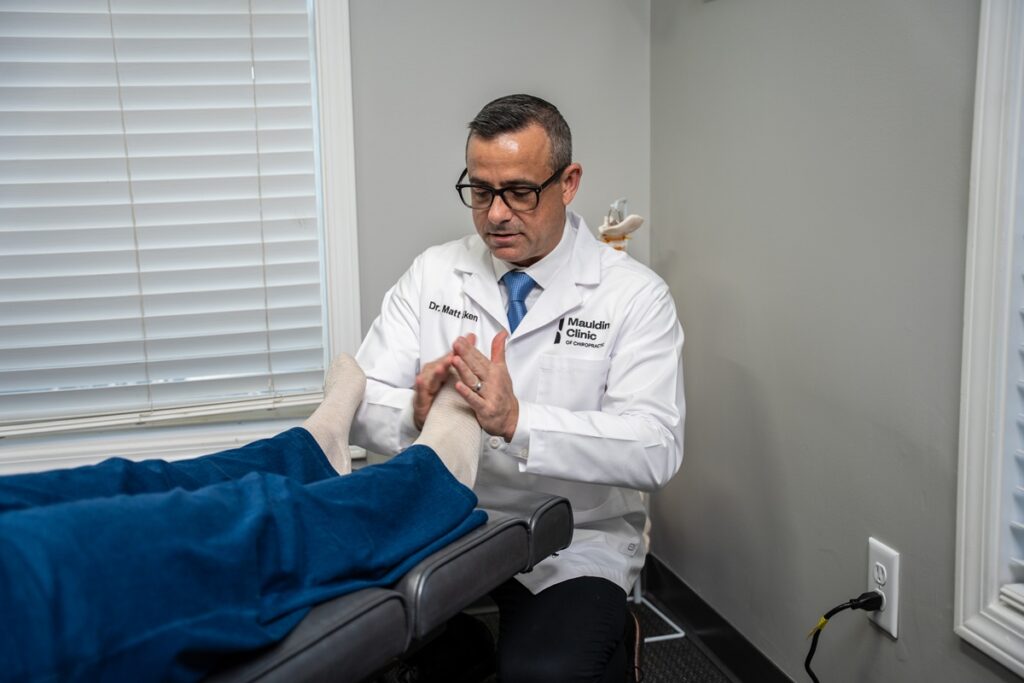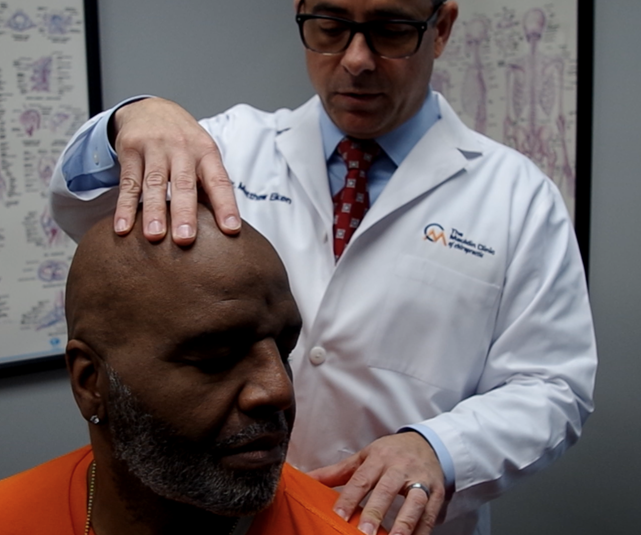
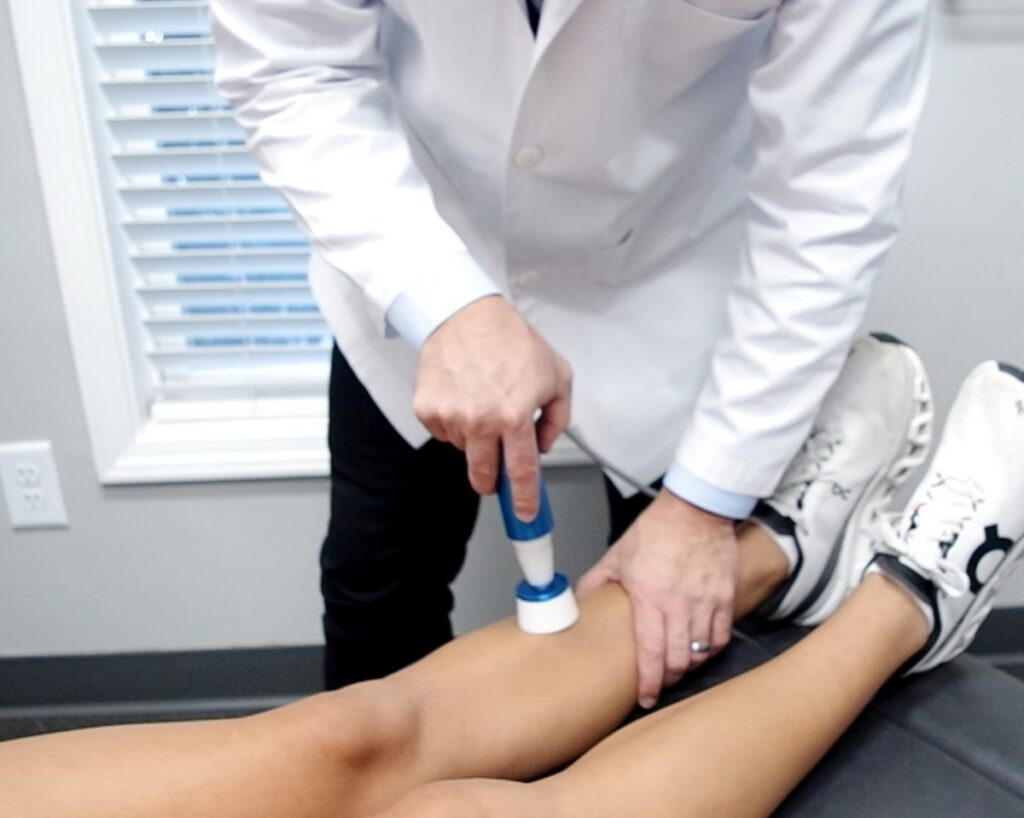

Leg pain has a way of quietly taking over your life. One day you’re walking your dog through the neighborhood, and the next you’re dreading the short trip from the couch to the kitchen. Whether it’s a dull ache in the thigh, a sharp shooting sensation down the back of the leg, or a nagging stiffness in the knee and calf, leg pain is one of the most common complaints we hear at The Mauldin Clinic in Mauldin, SC. The good news? You don’t have to just live with it. Understanding where your leg pain comes from — and what you can do about it — is the first step toward getting back to the life you love.
What Is Leg Pain from a Chiropractic Perspective?
Leg pain refers to any discomfort, aching, weakness, tingling, or numbness occurring anywhere between the hip and the foot. From a chiropractic standpoint, leg pain often originates not just in the leg itself, but in the spine, pelvis, or surrounding muscles and joints. When the musculoskeletal system is out of alignment, nerves can become compressed, muscles can compensate unevenly, and pain can travel far from its actual source.
What Causes Leg Pain?
Leg pain rarely has just one cause. In many cases, it’s the result of several overlapping factors — poor posture, a previous injury, prolonged sitting, or a misalignment in the spine or pelvis. Here in Mauldin, SC, we see patients from all walks of life who experience leg pain for very different reasons, and part of what Dr. Matt Eiken does is dig into the root cause rather than just treating the surface symptom.
Some of the most common causes of leg pain include lumbar spine issues like herniated or bulging discs. When a disc in the lower back puts pressure on a nerve root, that pain often travels down the leg — a condition commonly known as sciatica. Sciatica is one of the most frequent culprits behind leg pain that extends from the lower back through the buttock and into the calf or foot.
Piriformis syndrome is another common cause. The piriformis is a small but powerful muscle located deep in the buttock, and when it becomes tight or irritated, it can compress the sciatic nerve and mimic classic sciatica symptoms. Sacroiliac (SI) joint dysfunction — where the joint connecting the spine to the pelvis becomes inflamed or misaligned — can also produce hip and leg pain that patients often mistake for a knee or lower back problem.
Muscle imbalances, poor gait mechanics, and even footwear choices can contribute to leg pain over time. When certain muscles are overworked and others are underused, the entire kinetic chain from the foot to the lower back can be thrown off balance, creating a cascade of strain and discomfort.
Recognizing the Symptoms: What to Watch For
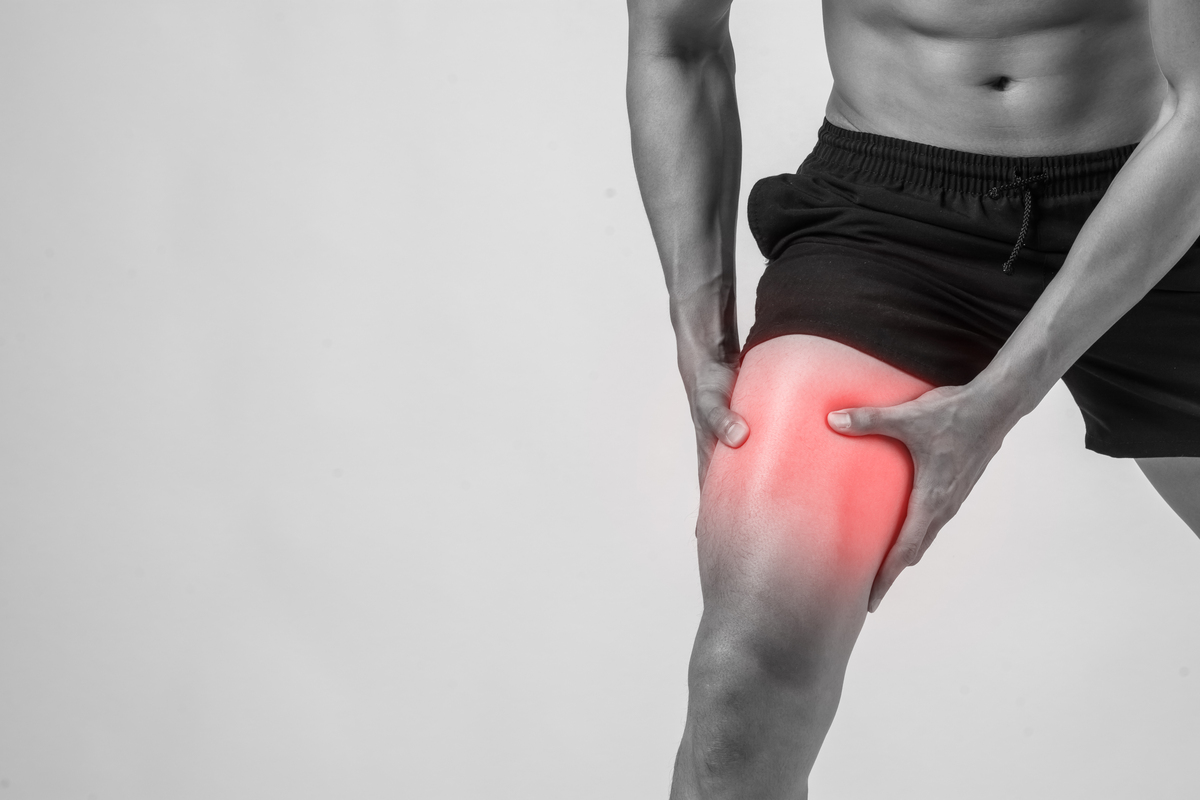
Leg pain can present in many different ways depending on the underlying cause. Some patients describe a burning or electric shock sensation that shoots down the back of the leg. Others feel a deep, dull ache in the thigh or a persistent cramping sensation in the calf. Tingling and numbness — especially in the foot or toes — are also very common complaints that we evaluate at The Mauldin Clinic.
What makes leg pain tricky is that the location of the pain doesn’t always tell you where the problem actually is. For example, pain that feels like it’s coming from the knee might actually be referred pain from the hip or lower back. This is why a thorough evaluation is so important — jumping to conclusions about the source of pain can lead to treatments that miss the mark entirely.
Weakness in the leg, difficulty standing up from a seated position, or feeling like your leg “gives out” are symptoms worth taking seriously. These can indicate nerve involvement that benefits from prompt evaluation. If you’re noticing any of these signs, it may be time to visit a chiropractor near you who can assess the full picture.
The Spine-Leg Connection Most People Miss
This is one of the most important concepts we try to communicate here at The Mauldin Clinic in Mauldin, SC. Many people assume that leg pain is always a leg problem. In reality, a significant portion of leg pain cases are rooted in spinal dysfunction — particularly in the lumbar (lower back) region of the spine.
The lumbar spine houses a network of nerve roots that branch out and travel down through the hips, thighs, knees, calves, and feet. When spinal joints become restricted or misaligned, or when a disc presses against one of these nerve roots, pain, tingling, and weakness can radiate far down into the leg. This is what’s happening with sciatic nerve pain, and it’s also what can occur with other lumbar nerve root irritations that affect different parts of the leg.
Dr. Matt Eiken takes a whole-body approach to evaluating leg pain. Rather than focusing solely on where the pain is felt, the goal is to identify where the dysfunction originates. The pelvis, sacrum, and lumbar spine are carefully assessed for restrictions, misalignments, and joint dysfunction. The muscles of the hip and core are evaluated for weakness or imbalance. This comprehensive approach helps ensure that care is directed at the true source of the problem.
What’s also important to understand is that this spine-leg connection is bidirectional. Poor foot mechanics or hip weakness can place abnormal stress on the lower spine over time. A fall or ankle sprain, if not properly rehabilitated, can change how someone walks — and that altered gait can eventually lead to back and leg problems months or even years later. Everything in the body is connected, and chiropractic care is built around that understanding.
How Chiropractic Care Helps With Leg Pain
Chiropractic care offers a non-invasive, drug-free approach to addressing leg pain by working to restore proper alignment, joint mobility, and nervous system function. Rather than masking pain with medication, the goal of chiropractic care is to address the underlying mechanical dysfunction that’s contributing to pain in the first place.
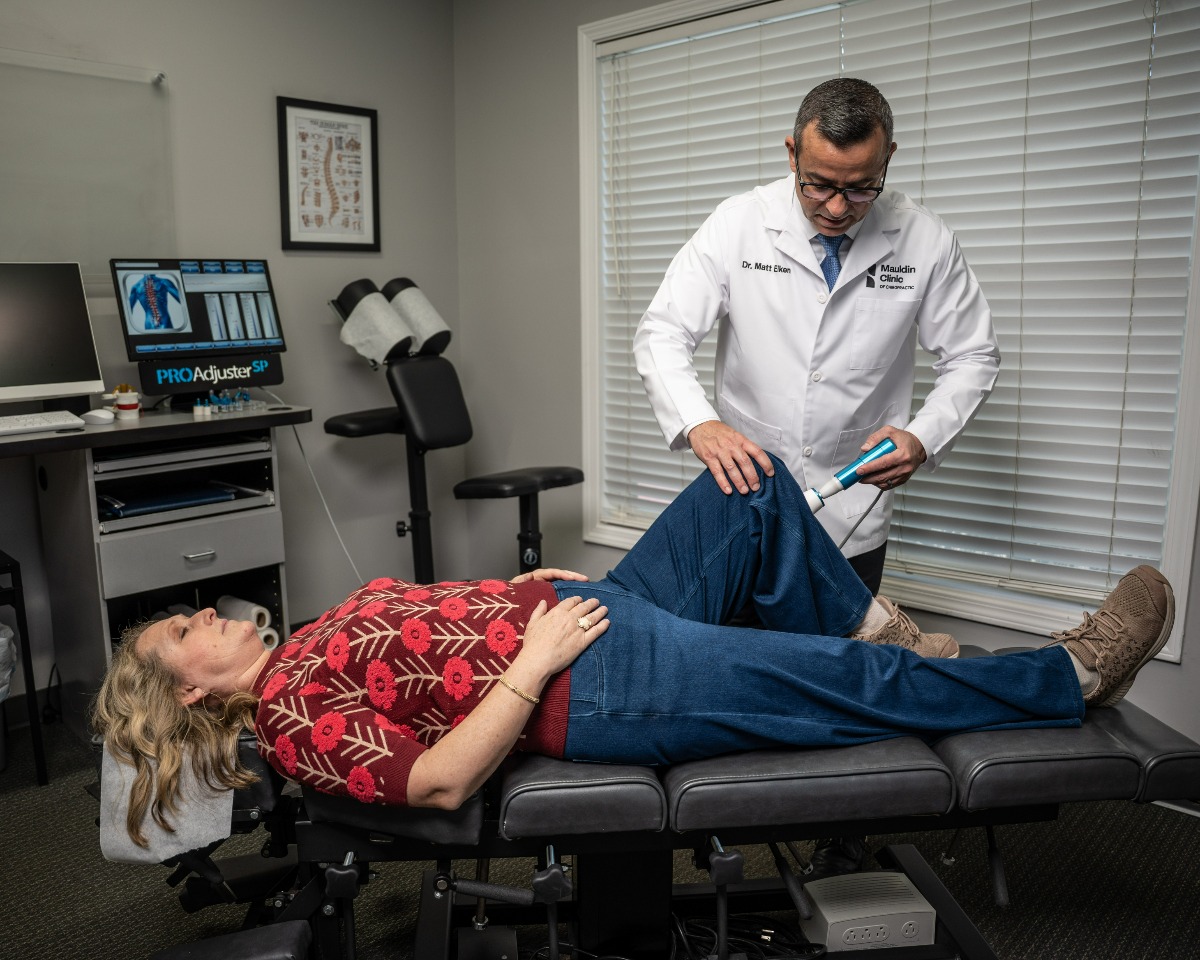
At The Mauldin Clinic, Dr. Matt Eiken uses spinal adjustments to address restrictions in the lumbar spine, sacrum, and pelvis. When these joints move more freely and are properly aligned, the pressure on nerve roots often decreases — which can lead to a meaningful reduction in radiating leg pain and associated symptoms like tingling or numbness. Research published in sources like the Journal of Manipulative and Physiological Therapeutics and supported by the American Chiropractic Association suggests that spinal manipulation can be effective for conditions like sciatica and lumbar nerve root irritation.
Beyond spinal adjustments, chiropractic care may also include soft tissue work to address tight or overactive muscles in the hip and buttock region, joint mobilization for the hip and knee, and guided exercises to help correct muscle imbalances that contribute to chronic leg pain. Every care plan at The Mauldin Clinic is tailored to the individual — because no two patients and no two cases of leg pain are exactly the same.
It’s also worth noting what chiropractic care is not. It is not a quick fix or a guaranteed cure. What it offers is a structured, evidence-informed approach to conservative care that many patients find genuinely helpful — especially when they’ve been dealing with leg pain that hasn’t responded well to rest alone.
Practical Tips for Managing Leg Pain at Home
While professional care is important, there are several things you can do on your own to support your recovery and reduce leg pain flare-ups. These recommendations are general wellness guidelines — always check with your care provider before starting any new exercise routine, especially if your pain is severe or you have an underlying health condition.
First, pay attention to how long you sit each day. Prolonged sitting puts significant pressure on the lumbar discs and can tighten the hip flexors and piriformis — both of which contribute to leg pain. If you work at a desk, aim to stand and move for at least a few minutes every hour. Even a short walk down the hallway can make a real difference over time.
Second, take a closer look at your footwear. Worn-out shoes or unsupportive footwear can alter your gait and place extra stress on your knees, hips, and lower back. Supportive shoes with adequate cushioning are a simple but meaningful upgrade for those dealing with leg pain.
Sleeping position matters, too. Sleeping on your side with a pillow between your knees can help reduce stress on the lower back and hip, which may alleviate some leg symptoms overnight. Avoid sleeping flat on your stomach if possible, as this position tends to increase lumbar strain.
Finally, stay as active as you comfortably can. Gentle movement — like walking at a moderate pace, swimming, or light stretching — supports circulation, helps maintain muscle tone, and can prevent the stiffness that makes leg pain worse over time. Rest is helpful in the short term, but prolonged inactivity often makes musculoskeletal conditions harder to resolve.
When to See a Chiropractor for Leg Pain
Not every bout of leg pain requires a visit to a chiropractor, but there are certain signs that suggest professional evaluation would be worthwhile. If your leg pain has lasted more than a week or two without meaningful improvement, it’s worth getting checked out. If the pain is interfering with your ability to sleep, work, or perform everyday tasks, that’s another clear signal.
Leg pain that is accompanied by lower back pain is particularly worth investigating, as this pattern often points to spinal involvement. The same is true if you’re experiencing numbness, tingling, or a burning sensation that travels along a specific pathway down the leg — these are classic signs of nerve involvement that chiropractic care is well-positioned to address.
There are also some red flags that warrant immediate medical attention rather than a chiropractic visit. If your leg pain is accompanied by sudden severe weakness, loss of bladder or bowel control, unexplained fever, or follows a significant trauma like a car accident or fall, please seek emergency medical care right away. These symptoms may indicate serious conditions that require a different level of intervention. A good chiropractor will always refer out when appropriate, and Dr. Matt Eiken and the team at The Mauldin Clinic take that responsibility seriously.
Leg Pain: Common Causes Compared
Cause |
Where Pain Is Felt |
Common Triggers |
Chiropractic Relevance |
|---|---|---|---|
|
Sciatica (lumbar disc involvement) |
Lower back, buttock, back of leg, calf, foot |
Prolonged sitting, lifting, disc herniation |
High — spinal adjustments may reduce nerve compression |
|
Piriformis Syndrome |
Deep buttock, back of thigh |
Sitting on hard surfaces, overuse, muscle tightness |
High — soft tissue and adjustment techniques can help |
|
SI Joint Dysfunction |
Low back, hip, groin, outer thigh |
Pregnancy, asymmetrical movement, trauma |
High — SI joint mobilization is a core chiropractic technique |
|
Muscle Strain |
Localized to strained muscle (thigh, calf, hamstring) |
Overexertion, poor warm-up, sudden movement |
Moderate — soft tissue care and rehab guidance useful |
|
Knee Joint Dysfunction |
Knee, upper or lower leg |
Gait issues, overuse, misalignment |
Moderate — joint evaluation and corrective exercises may help |
Myths vs. Facts About Leg Pain and Chiropractic Care
Myth: Leg Pain Always Means Something Is Wrong With Your Leg
Fact: A large portion of leg pain cases — especially those involving sciatica or radiating nerve pain — originate in the lumbar spine or pelvis, not the leg itself. Treating only the leg while ignoring the spine often fails to produce lasting relief. A thorough chiropractic evaluation looks at the entire musculoskeletal system to find the true source.
Myth: You Should Just Rest Until Leg Pain Goes Away on Its Own
Fact: While short-term rest can be appropriate for acute injury, prolonged bed rest or inactivity has actually been shown to worsen many musculoskeletal conditions. Gentle, guided movement and professional care tend to produce better outcomes than passive rest alone, particularly when nerve involvement is present.
Myth: Chiropractic Adjustments Are Dangerous for People With Leg Pain
Fact: When performed by a licensed, trained chiropractor, spinal adjustments are widely considered safe for the vast majority of patients. Dr. Matt Eiken conducts a thorough evaluation before any treatment is performed to ensure that chiropractic care is appropriate for each individual patient’s condition.
Myth: If You Need Chiropractic Care, You’ll Have to Go Forever
Fact: Many patients experience meaningful improvement within a defined course of care. While some people choose to continue with periodic wellness visits after their primary concern is resolved, there is no obligation to receive ongoing care indefinitely. Treatment plans at The Mauldin Clinic are always individualized and goal-oriented.
Myth: Leg Pain From Sciatica Always Requires Surgery
Fact: The vast majority of sciatica cases respond well to conservative care, including chiropractic treatment, physical therapy, and lifestyle modifications. Surgery is generally considered only after conservative approaches have been exhausted. Many guidelines, including those from the American College of Physicians, recommend non-invasive treatments as a first-line approach for spinal-related pain.
Final Thoughts From The Mauldin Clinic
Living with leg pain doesn’t have to be your normal. Here in Mauldin, SC, we know how much the people in this community value being active — whether that means keeping up with grandkids, staying productive at work, or simply enjoying a walk through the neighborhood without dreading every step. At The Mauldin Clinic, our goal is to help you understand what your body is telling you and to offer thoughtful, individualized care that supports long-term wellbeing.
Dr. Matt Eiken and the team at The Mauldin Clinic are committed to treating each patient as a whole person, not just a set of symptoms. If leg pain has been holding you back, we’d encourage you to take the first step — reach out to our office, ask questions, and find out whether chiropractic care might be right for you. You deserve to walk tall, move freely, and feel like yourself again.
Frequently Asked Questions
Can a chiropractor really help with sciatica and leg pain?
Yes, chiropractic care has been shown to help many patients manage sciatica and related leg pain. By addressing spinal misalignments and joint restrictions that may be compressing nerve roots, chiropractic adjustments can help reduce radiating pain, numbness, and tingling in the leg. Results vary by individual, and a proper evaluation is needed to determine whether chiropractic care is appropriate for your specific situation.
How long does it take for leg pain to improve with chiropractic care?
The timeline for improvement depends on the cause and severity of the leg pain, as well as how long the condition has been present. Some patients notice meaningful changes within a few visits, while others with more complex or long-standing issues may require a longer course of care. Dr. Matt Eiken will discuss realistic expectations with you during your evaluation.
What should I expect during my first chiropractic visit for leg pain?
Your first visit will typically involve a detailed health history, a discussion of your symptoms, and a physical and orthopedic examination. This allows the chiropractor to understand the nature of your leg pain and identify any contributing factors. Treatment may begin that same day, or your provider may recommend imaging first depending on what the exam reveals.
Is leg pain related to the lower back always sciatica?
Not necessarily. While sciatica is a very common cause of combined back and leg pain, other conditions — such as SI joint dysfunction, facet joint irritation, or piriformis syndrome — can produce similar symptoms. Accurate diagnosis is important because the most effective treatment approach depends on the underlying cause.
Are there stretches or exercises I can do at home for leg pain?
Gentle movement and stretching can be helpful for certain types of leg pain, but the right exercises depend on your diagnosis. What helps one condition can sometimes aggravate another. It’s best to get guidance from your chiropractor before beginning any self-directed exercise program, especially if you have nerve-related symptoms.
Does The Mauldin Clinic in Mauldin, SC treat leg pain caused by sports injuries?
Yes, sports-related muscle strains, overuse injuries, and gait-related dysfunction are all conditions that fall within the scope of chiropractic care. Dr. Matt Eiken evaluates the biomechanical factors contributing to sports injuries and works with patients to support recovery and help reduce the risk of re-injury.
TL;DR — Key Takeaways
-
Leg pain often originates in the spine, pelvis, or hip — not just the leg itself — making a full musculoskeletal evaluation essential.
-
Common causes include sciatica, piriformis syndrome, SI joint dysfunction, and muscle imbalances, all of which may respond to chiropractic care.
-
Chiropractic care offers a non-invasive, drug-free approach that focuses on the root cause of leg pain rather than masking symptoms.
-
Lifestyle habits like prolonged sitting, unsupportive footwear, and inactivity can worsen leg pain — small changes can make a meaningful difference.
-
Dr. Matt Eiken and the team at The Mauldin Clinic in Mauldin, SC are available to help you understand and address your leg pain with individualized, patient-centered care.