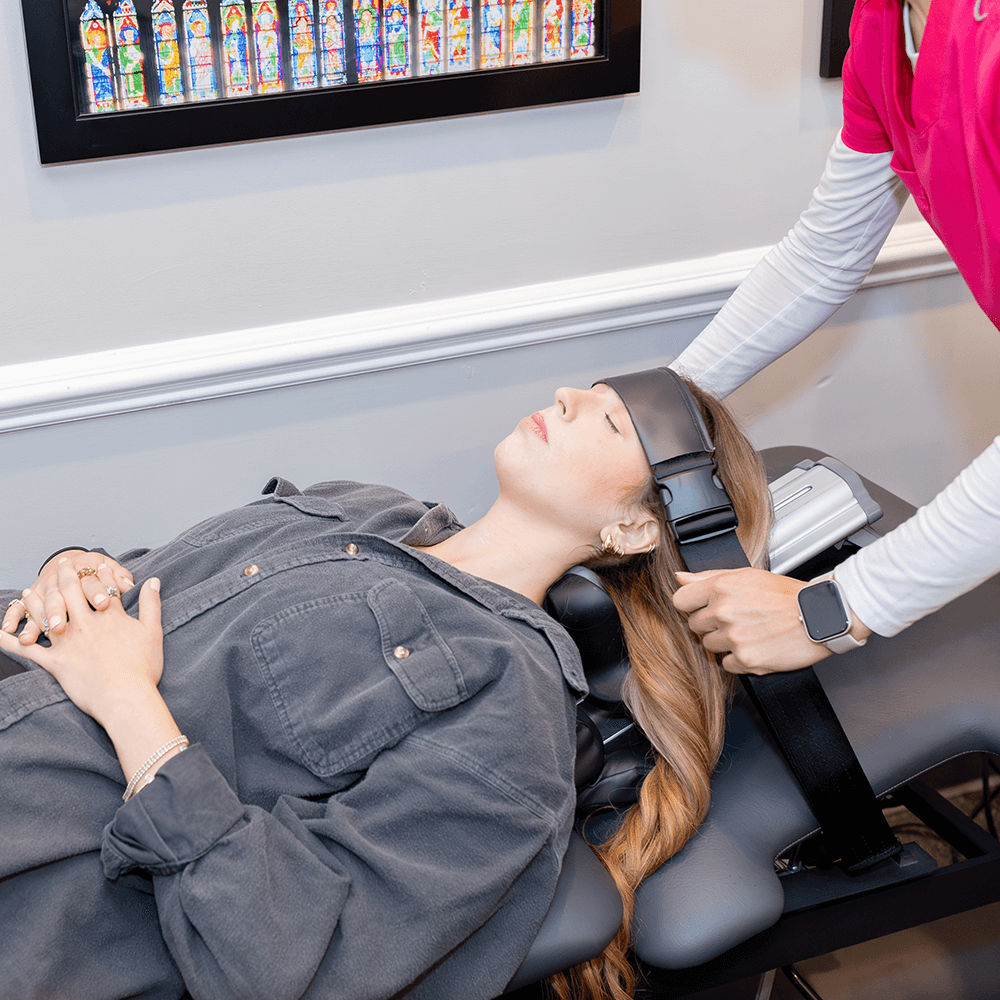

As your local chiropractor, I want to emphasize that recovery is just as important as your physical training. It’s not just about taking time off; it’s a holistic approach that combines proper nutrition, innovative technologies, and mental wellness practices. By incorporating advanced recovery techniques, you can significantly improve both your performance and overall well-being. Are you interested in learning how these strategies can revolutionize your recovery process? Let’s delve into the latest insights that can enhance your journey toward optimal health and performance.
The Science Behind Recovery: Understanding Muscle Repair
As a local chiropractor, I often see patients who are unfamiliar with how their bodies recover after training or competition. It’s important to understand that when you push your body, your muscles experience stress and tiny tears that require repair. This is a natural and crucial process for building muscle strength and enhancing overall performance.
When your muscles are damaged, your body responds by initiating inflammation in the affected areas. This inflammation is a signal for repair cells, known as satellite cells, to rush to the site of injury. These cells play a vital role in rebuilding and strengthening the damaged muscle fibers, helping you recover more effectively.
During your recovery period, which can last from 24 to 72 hours depending on how intense your workout was, your body synthesizes proteins to repair and fortify your muscles. This is where nutrition becomes essential. Consuming protein-rich foods can significantly aid in muscle repair and recovery.
Additionally, staying well-hydrated is crucial, as proper hydration supports optimal cellular function.
Innovative Therapies: Cryotherapy and Beyond
As a local chiropractor, I want to share the remarkable benefits of innovative therapies like cryotherapy for your recovery journey.
Cryotherapy is known for its ability to reduce inflammation and accelerate muscle repair, which can be incredibly helpful for anyone looking to enhance their performance or recover from injuries.
In addition to cryotherapy, there are also emerging technologies that can personalize your recovery experience, tailoring it to your specific needs.
These therapies are designed to support your natural healing processes, complementing the chiropractic care I provide. Together, we can explore these innovative options and discover how they can support your overall health and well-being.
If you’re curious about how these therapies can work alongside chiropractic care, I’m here to guide you every step of the way.
Benefits of Cryotherapy
As a local chiropractor, I want to share with you an exciting recovery technique that many athletes are embracing: cryotherapy. This innovative treatment involves exposing the body to extremely cold temperatures for a brief period, and it can offer significant benefits for anyone looking to enhance their recovery and overall well-being.
One of the primary advantages of cryotherapy is its ability to reduce inflammation and soreness. By constricting blood vessels, this method helps decrease swelling and pain, allowing your body to heal more quickly after strenuous activities.
Whether you’re an athlete or just someone who leads an active lifestyle, incorporating cryotherapy can help you bounce back faster and feel your best.
Moreover, cryotherapy isn’t just about physical recovery. It can also positively impact your mood by triggering the release of endorphins, which can leave you feeling more energized and focused.
Many of my patients have reported enhanced sleep quality following cryotherapy sessions, an essential factor for effective recovery.
Incorporating cryotherapy into your wellness routine may lead to quicker recovery times, improved performance, and a more enjoyable experience in your daily activities.
If you’re curious about how cryotherapy can support your health and recovery, I encourage you to give it a try and experience the benefits firsthand!
Emerging Recovery Technologies
As a local chiropractor, I’m excited to share with you some of the innovative recovery therapies that can enhance your overall well-being and performance.
These emerging technologies go beyond traditional methods and can significantly aid in your recovery process. Here are a few options that you might find beneficial:
- Cryotherapy: This involves short, intense exposure to cold, which can effectively reduce inflammation and alleviate pain. It’s a great way to help your muscles recover after physical activity.
- Infrared Sauna: Utilizing heat therapy, infrared saunas promote relaxation and help detoxify the body. This can be particularly useful for reducing stress and tension in your muscles.
- Pneumatic Compression: These specialized devices work by stimulating blood flow and reducing muscle soreness. They’re particularly beneficial after intense workouts, helping to speed up recovery.
- Electric Stimulation Units: These units aid in muscle recovery by sending electrical impulses to stimulate muscle contractions. They can be an effective adjunct to your recovery routine.
- Hydrotherapy: Alternating hot and cold water treatments can enhance circulation and accelerate healing. This natural approach can also provide relief from muscle soreness and tension.
By exploring these emerging recovery technologies, you can optimize your performance and maintain your health.
As your chiropractor, I’m here to guide you through these options and help you find the best solutions for your individual needs.
Let’s work together to keep you in top shape!
Personalized Recovery Approaches
As a local chiropractor, I want to share how personalized recovery approaches can play a vital role in enhancing your performance and overall well-being, whether you’re a casual weekend athlete or a more serious competitor.
By customizing recovery techniques to fit your individual needs, we can effectively tackle the specific challenges your body faces.
For example, cryotherapy is an excellent option for reducing inflammation and accelerating muscle recovery. In our practice, we also utilize infrared therapy, which can significantly enhance circulation and promote healing throughout the body.
Additionally, incorporating mindfulness practices such as yoga or meditation can be incredibly beneficial for mental recovery. These practices not only help reduce stress but also improve your focus, which is essential for peak performance.
Nutrition is another critical component that we often discuss in our sessions. A personalized diet plan tailored to your body’s unique requirements can greatly optimize your recovery process.
By closely analyzing how your body responds to different recovery techniques and adjusting your routines accordingly, you can unlock your full potential and minimize the risk of injury.
Investing in your recovery is key, and with the right guidance and approaches, you’ll see your performance improve significantly.
If you have any questions or would like to explore how chiropractic care can support your recovery journey, please don’t hesitate to reach out.
Active Recovery Techniques: Movement for Rejuvenation
As a local chiropractor, I often see patients who believe that complete rest is the best way to recover after intense workouts. However, I want to share with you the benefits of incorporating active recovery techniques into your routine. These methods can significantly enhance your body’s rejuvenation process.
Engaging in low-intensity activities not only boosts blood flow but also helps reduce muscle soreness and maintain your mobility. Here are some effective active recovery techniques you might consider:
- Walking: Taking a gentle stroll can help get your body moving without putting too much strain on your muscles and joints.
- Light cycling: Pedaling at a relaxed pace is a great way to release muscle tension while still being active.
- Yoga: Practicing gentle stretches and poses can improve flexibility and promote relaxation, which is essential for recovery.
- Swimming: The buoyancy of water allows you to work out without the harsh impact on your joints, providing a soothing full-body workout.
- Foam rolling: This technique helps to alleviate tight muscles and improve circulation, making it an excellent addition to your recovery routine.
Incorporating these active recovery techniques can be a game-changer for your overall health and wellness.
Nutritional Strategies for Optimal Recovery
As a local chiropractor, I want to emphasize how important nutrition is for your recovery, just as much as your physical treatment.
It’s crucial to pay attention to what you eat and drink. Timing your intake of macronutrients—like proteins, carbohydrates, and fats—can significantly influence how quickly your body heals.
Staying well-hydrated is essential, as it helps facilitate all bodily functions, including recovery.
Additionally, incorporating anti-inflammatory foods into your diet can greatly support your healing process.
Let’s delve into these nutritional strategies that can enhance your recovery and overall well-being.
Macronutrient Timing Importance
As a local chiropractor dedicated to your overall health and wellness, I want to emphasize the importance of macronutrient timing, especially when it comes to your recovery after intense physical activity.
Understanding how to properly fuel your body can significantly enhance your healing process and overall performance. Here are some important insights to consider:
- Post-workout window: It’s crucial to nourish your body within 30 to 60 minutes after exercising. This initial recovery phase is when your muscles are most receptive to nutrients.
- Protein priority: Incorporating a good source of protein in your post-workout meal is essential. Protein is vital for muscle repair and growth, helping your body recover more effectively.
- Carb replenishment: Don’t overlook carbohydrates! They play a key role in replenishing glycogen stores, which are essential for maintaining energy levels for your next workout.
- Balanced meals: Throughout the day, strive for a balanced intake of macronutrients—proteins, carbohydrates, and fats. This balance supports your overall health and aids in recovery.
- Listen to your body: Everyone’s body responds differently to exercise. It’s important to adjust your macronutrient intake based on the intensity of your training and your individual needs.
By following these nutritional strategies, you’re not just supporting your physical recovery; you’re also promoting a holistic approach to health that aligns with chiropractic care principles.
Together, we can help you bounce back stronger and faster!
Hydration for Recovery
As a local chiropractor, I want to emphasize the importance of hydration in your recovery process, especially if you’re engaging in physical activities. Proper hydration is just as essential as consuming the right macronutrients. It plays a critical role in replenishing the fluids your body loses during workouts and supports overall physiological functions.
I encourage you to drink water consistently throughout the day—not just during or after your exercise sessions. Incorporating electrolyte-rich beverages can also be beneficial, particularly after intense training, as they help restore essential minerals like sodium and potassium that are vital for your body’s recovery.
It’s crucial to listen to your body. If you start feeling fatigued or lightheaded, it may be a sign that you need to increase your fluid intake. A practical tip to monitor your hydration status is to check the color of your urine; a light yellow hue indicates you’re well-hydrated, while darker urine could signify dehydration.
By prioritizing hydration, you won’t only enhance your recovery but also improve your overall performance and prepare yourself for your next workout or daily activities.
Anti-Inflammatory Foods
As a local chiropractor, I want to share with you the importance of incorporating anti-inflammatory foods into your diet, especially if you’re looking to enhance your recovery after intense workouts or daily activities.
These foods can play a vital role in reducing muscle soreness and inflammation, which is crucial for maintaining a healthy body and optimizing your overall well-being.
Here are some fantastic options to consider:
- Berries: These little powerhouses are loaded with antioxidants that help combat inflammation and support your body’s natural healing processes.
- Fatty fish: Varieties like salmon and mackerel are rich in omega-3 fatty acids, which are known to significantly decrease muscle inflammation and promote recovery.
- Leafy greens: Vegetables such as spinach and kale aren’t only packed with vitamins and minerals but also offer numerous benefits that support your body’s recovery and overall health.
- Nuts and seeds: These are great sources of healthy fats and protein, both of which are essential for muscle repair and can aid in your recovery after physical stress.
- Turmeric: This vibrant spice contains curcumin, which has powerful anti-inflammatory properties that can help soothe your body and promote healing.
By adding these anti-inflammatory foods to your meals, you can make a remarkable difference in how you feel after exercise and throughout your daily life.
If you’re interested in learning more about how nutrition and chiropractic care can work together to enhance your health, I’m here to help!
The Role of Sleep in Athletic Performance
As a local chiropractor, I often see athletes who dedicate so much time to training and nutrition, yet overlook a vital component of their performance: sleep.
Sleep isn’t just a time to rest; it plays an essential role in your body’s ability to recover and function at its best. When you get quality sleep, your body works hard to repair muscles, restore energy levels, and balance hormones that are crucial for peak performance.
When you’re well-rested, you’ll find that your focus sharpens, decision-making becomes quicker, and you can push yourself further during workouts. Conversely, inadequate sleep can lead to a decline in concentration, slower reaction times, and a heightened risk of injury, which can really put a damper on your training progress.
I recommend aiming for seven to nine hours of sleep each night to optimize recovery. Establishing a consistent sleep routine and creating a calming sleep environment, free from distractions, can significantly improve your rest.
Remember, prioritizing sleep isn’t merely about feeling refreshed; it has a direct impact on your athletic performance. By recognizing and valuing the importance of sleep, you can greatly enhance your training results and unlock your full athletic potential.
As your chiropractor, I’m here to support your journey to better health and performance, and that includes emphasizing the critical role of restorative sleep in your overall wellness.
Mindfulness and Mental Recovery: The Psychological Edge
As a local chiropractor, I want to highlight an often-overlooked aspect of recovery that can greatly benefit your overall well-being and athletic performance: mental recovery.
Just as physical recovery is crucial for your body, nurturing your mind is equally important. Incorporating mindfulness practices into your routine can provide you with the psychological edge you need to thrive both in sports and daily life.
Here are some effective mindfulness techniques that anyone can incorporate:
- Meditation: Take a few moments each day for quiet reflection. This practice helps clear your mind and can lead to improved focus and clarity.
- Breath Control: Engage in deep breathing exercises to calm anxious thoughts. This simple technique can help you regain your focus when stress arises.
- Visualization: Picture yourself achieving your goals, whether in sports or personal achievements. This mental imagery can boost your confidence and enhance performance.
- Body Scan: Tune into your physical sensations. This practice helps you become more aware of areas of tension or fatigue, which is essential for maintaining a healthy body.
- Gratitude Journaling: Take time to write down what you appreciate about your training or daily activities. This habit fosters a positive mindset and can improve your overall outlook.
By embracing these mindfulness techniques, you can transform your mental state, which in turn supports your physical recovery and enhances your performance.
As a chiropractor, I believe that a holistic approach to health—addressing both the body and mind—is key to achieving your wellness goals.
Wearable Technology: Tracking Recovery Progress
As your local chiropractor, I want to emphasize the importance of optimizing your recovery process through the use of wearable technology. These devices, such as fitness trackers and smartwatches, can be incredibly helpful in monitoring key health metrics like heart rate variability, sleep patterns, and activity levels.
By keeping an eye on this data, you can gain a better understanding of how your body responds to our chiropractic treatments and other recovery efforts. Tracking your recovery status can provide valuable insights that allow you to adjust your routines for more effective results.
For example, if you observe consistently elevated heart rates, it may indicate that your body needs extra rest or that you should modify the intensity of your activities. Additionally, monitoring your sleep quality can reveal how it affects your overall recovery and well-being.
Incorporating these technologies into your health routine not only keeps you accountable but also empowers you to make informed decisions about your training and recovery strategies. This proactive approach can lead to enhanced recovery, improved overall health, and better athletic performance.
As your chiropractor, I’m here to guide you on this journey toward natural healing and optimal health.
Future Trends in Athlete Recovery Techniques
As a local chiropractor, I’m excited to share with you the promising future of athlete recovery techniques, especially as they relate to natural healing and holistic approaches.
With the advancements in technology and a deeper understanding of human physiology, we’re witnessing a significant shift towards personalized recovery solutions that cater to individual needs.
Here are some innovative trends that I believe will greatly benefit your recovery journey:
- Cryotherapy on-demand: Imagine having quick and accessible cooling options to help relieve muscle soreness and promote faster recovery. This technique can be a fantastic addition to your recovery routine.
- AI-driven recovery plans: As we embrace technology, algorithms can analyze your unique data to create personalized recovery strategies that align with your specific needs, ensuring you get the most effective care possible.
- Virtual reality relaxation: This innovative approach creates immersive environments that can enhance mental recovery and help reduce stress. Mental well-being is just as important as physical recovery!
- Nutritional optimization: Tailored supplements and meal plans designed specifically for you can support your recovery goals, aiding in the healing process and overall health.
- Biofeedback devices: Wearable technology can provide real-time insights into your body’s recovery state, helping you understand when to push harder and when to rest.
By embracing these trends and incorporating them into your recovery routine, you can enhance your performance and maintain your well-being.
As your chiropractor, I’m here to guide you through these advancements and help you stay at the top of your game through natural healing methods.
Conclusion
As your local chiropractor, I want to share how incorporating updated recovery techniques can significantly boost your athletic performance. By integrating innovative therapies, proper nutrition, and mindfulness practices, you can adopt a holistic approach to recovery. It’s crucial not to overlook the essential roles that sleep and hydration play in your routine. Utilizing wearable technology can also help you monitor your progress effectively.
As recovery methods continue to advance, staying informed about these practices is vital for your success. Prioritizing recovery not only enhances your athletic performance but also contributes to your overall wellness in the long run. Remember, chiropractic care and natural healing can support your body’s recovery processes, helping you feel your best on and off the field.