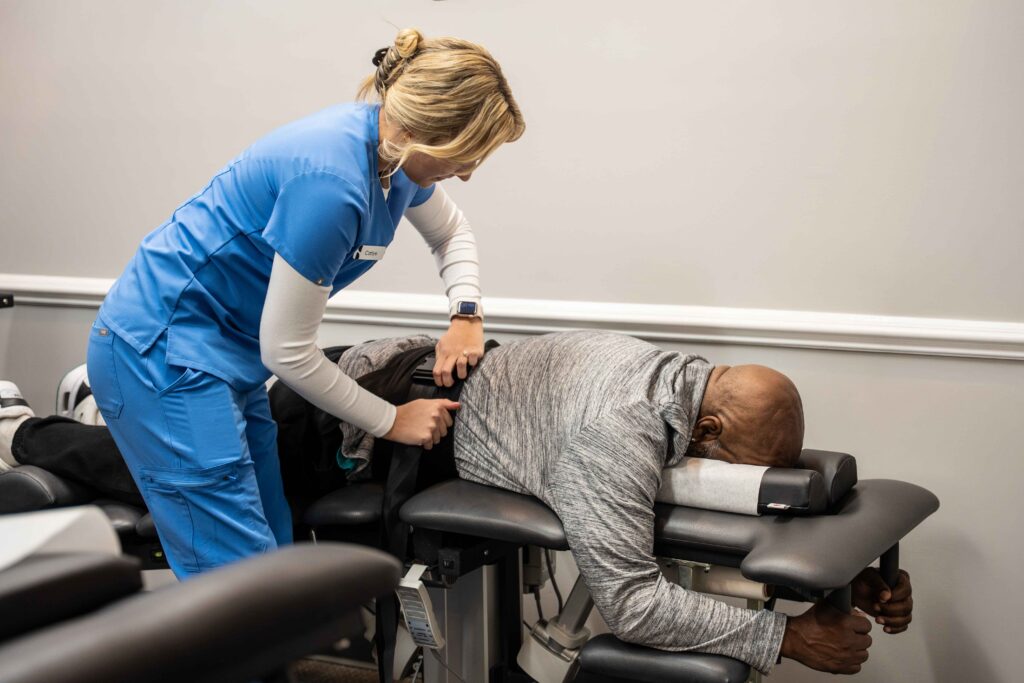

Have you ever thought about how your posture influences not only your appearance but also your overall health? In our daily lives, we often spend prolonged hours sitting and staring at screens, which can lead to various posture-related issues. But what if I told you that simple adjustments could significantly enhance how you feel and move? It’s crucial to understand the link between posture and health, and this understanding goes beyond just sitting up straight.
As a local chiropractor, I want to share how prioritizing your posture can lead to transformative changes in your life. When you maintain proper posture, you not only look better but also support your spine and nervous system, which are vital for your overall well-being. Here are some practical tips you can start using today:
- Mind Your Sitting Position: Ensure that your feet are flat on the floor, your back is straight, and your shoulders are relaxed. Consider using an ergonomic chair that supports your lower back.
- Take Breaks: If you work at a desk, make it a habit to stand up and stretch every hour. This helps alleviate tension and keeps your spine aligned.
- Strengthen Core Muscles: Engaging in exercises that strengthen your core can provide better support for your spine and improve your posture.
- Be Aware of Your Screen Height: Your computer screen should be at eye level to prevent you from slouching. Adjust your monitor height or use a stand if necessary.
- Visit Your Chiropractor: Regular chiropractic adjustments can help correct misalignments in your spine, which are often the root cause of posture issues. Chiropractic care is a natural and effective way to achieve optimal health and relieve pain without the need for medications or surgery.
By making these small changes and prioritizing your posture, you can experience significant improvements in your health and well-being. Remember, chiropractic care is here to support you on your journey to a healthier, more aligned life!
The Importance of Good Posture
Good posture isn’t just about looking confident; it plays a crucial role in your overall health and well-being. As a chiropractor, I can tell you that maintaining good posture allows your body to function at its best. It keeps your spine aligned, reducing strain on your muscles and ligaments. This alignment helps minimize discomfort and fatigue, allowing you to focus on your daily activities without distraction.
When you practice good posture, you also improve your breathing and digestion. Sitting or standing with your spine in the right position gives your lungs the space they need to expand fully, leading to better oxygen intake. Furthermore, your organs can function more efficiently without the compression that poor posture can cause.
Beyond the physical benefits, good posture can significantly boost your mood and self-esteem. Standing tall and sitting up straight sends positive signals to your brain, making you feel more energetic and uplifted.
So, making a conscious effort to correct your posture can lead to remarkable improvements in both your physical and mental well-being.
Here are some practical tips to help you maintain good posture throughout your day:
- Be Mindful of Your Posture: Check in with yourself regularly. Is your back straight? Are your shoulders relaxed? Make adjustments as needed.
- Use Ergonomic Furniture: If you work at a desk, invest in a chair that supports your lower back and encourages good posture.
- Take Breaks: Stand up, stretch, and move around every hour to relieve tension and reset your posture.
- Strengthen Your Core: Engaging in exercises that strengthen your core can support your spine and improve your posture.
- Visit Your Chiropractor: Regular chiropractic adjustments can help maintain proper spinal alignment and address any discomfort you may be experiencing.
Common Posture Problems
Many people face common posture problems that can lead to discomfort and health issues over time. One major concern is slouching, which often happens when we sit for extended periods. This can cause your shoulders to round and your spine to curve, leading to back pain and discomfort.
Another common issue is forward head posture, where the head leans forward instead of sitting neatly above the spine. This is especially prevalent among those who spend hours on screens.
Hyperlordosis, an exaggerated curve in the lower back, is another frequent problem, often resulting from prolonged sitting or incorrect standing habits. Additionally, many individuals notice uneven shoulders or hips due to muscle imbalances, which can further contribute to discomfort and restrict daily activities.
Recognizing these posture problems is the first step toward making positive changes. Chiropractic care offers a natural and effective way to address these issues, helping to realign the spine and improve overall posture. By prioritizing your spinal health, you can alleviate pain and enhance your well-being.
Here are some helpful tips to improve your posture:
- Be Mindful of Your Sitting Position: Use a chair that supports your lower back, keep your feet flat on the floor, and avoid crossing your legs.
- Take Regular Breaks: If you work at a desk, stand up and stretch or walk around every 30 minutes to keep your muscles engaged.
- Strengthen Your Core: Engage in exercises that strengthen your core muscles, as a strong core supports your spine and helps maintain proper posture.
- Stretch Regularly: Incorporate stretching into your daily routine to relieve tension in your muscles and improve flexibility.
- Consider Chiropractic Care: Regular visits to a chiropractor can help you maintain proper alignment, address any existing posture issues, and support your journey towards a healthier, more comfortable life.
How Poor Posture Affects Health
Poor posture can significantly affect your overall health, leading to a range of physical issues that many people may not even realize are connected to their alignment. When you slouch or hunch over, it places unnecessary stress on your spine, muscles, and joints. This can result in tension in your neck and shoulders, potentially leading to chronic pain that can linger if not addressed.
Over time, poor posture can disrupt your body’s natural functions, affecting your breathing, digestion, and even your mood. You might experience headaches, fatigue, and decreased energy levels as your body struggles to operate efficiently. This misalignment can also make it more difficult to stay active, hindering your efforts to maintain a healthy lifestyle.
Chiropractic care is an excellent way to address and correct poor posture. By focusing on spinal alignment and the overall health of your musculoskeletal system, chiropractic adjustments can help relieve tension, improve your posture, and enhance your body’s ability to heal naturally.
Here are a few simple tips to help you improve your posture:
- Be mindful of your sitting position: When sitting, keep your feet flat on the floor, your back straight, and your shoulders relaxed.
- Take breaks: If you work at a desk, make sure to take short breaks every hour to stand up, stretch, and walk around. This helps keep your muscles engaged and reduces strain.
- Strengthen your core: Incorporate exercises that strengthen your core muscles, as a strong core supports proper posture.
- Use ergonomic furniture: Consider investing in a chair that supports your back and promotes good posture, especially if you spend long hours sitting.
- Stay aware of your body: Regularly check in with your posture throughout the day. Make adjustments as needed to avoid slouching.
The Role of Ergonomics
Ergonomics is crucial for maintaining good posture, especially in today’s world where many of us spend long hours sitting at desks. As a chiropractor, I want to emphasize that creating a workspace tailored to your body can significantly reduce strain, promote natural alignment, and ultimately contribute to your overall health.
Start by adjusting your chair height so that your feet rest flat on the floor and your knees form a right angle. This simple adjustment can help relieve pressure on your spine. Your desk should be at elbow height when you’re seated, allowing your arms to rest comfortably. This alignment helps prevent unnecessary tension in your neck and shoulders.
Screen placement is also important for maintaining good posture. Your monitor should be at eye level, so you don’t have to tilt your neck, which can lead to discomfort and pain over time.
To enhance your comfort, consider supportive accessories like a lumbar roll or a footrest. These tools can help maintain the natural curve of your spine and provide better support as you work.
Remember, even small changes can lead to significant improvements in your posture and well-being. By prioritizing ergonomics in your workspace, you’re not just creating a comfortable environment; you’re investing in your long-term health.
If you’re experiencing pain or discomfort, chiropractic care can be an excellent choice for relief and to promote natural healing. Regular adjustments can help align your spine and improve your overall function, making it easier to maintain good posture throughout your day.
Taking care of your body is the first step towards a healthier, happier life!
Simple Exercises for Better Posture
To improve your posture, it’s crucial to focus on strengthening your core muscles and stretching your upper body. As a chiropractor, I often see how these areas directly affect spinal alignment and overall wellness. By incorporating simple exercises into your daily routine, you can make a significant difference in how you stand and feel.
Here are some effective practices that can help you achieve better posture and support your spine:
- Core Strengthening Exercises: A strong core provides stability and support for your spine. Simple exercises like planks, bridges, and abdominal crunches can be done at home without any special equipment. Aim to include these in your routine a few times a week.
- Upper Body Stretches: Stretching your chest and shoulders can help release tension that contributes to poor posture. Try gentle stretches like doorway stretches or shoulder rolls to open up your upper body and promote better alignment.
- Mindful Sitting and Standing: Pay attention to your posture throughout the day. When sitting, ensure your feet are flat on the ground, your back is straight, and your shoulders are relaxed. When standing, distribute your weight evenly on both feet.
- Chiropractic Adjustments: Regular chiropractic care can help align your spine and improve your posture. A chiropractor can provide personalized adjustments that can alleviate discomfort and enhance your overall well-being.
- Consistent Movement: Incorporate movement into your day. Simple activities like walking or gentle stretching can help keep your muscles engaged and prevent stiffness.
Remember, achieving better posture is a journey. With consistent effort and the support of chiropractic care, you can stand tall and feel more comfortable in your body.
Prioritize these practices, and you’ll notice the positive impact they’ve on your health and wellness.
Strengthening Core Muscles
Strengthening your core muscles is crucial for maintaining good posture and overall spinal health. A strong core supports your spine and helps distribute your body weight evenly, which can alleviate discomfort and improve your daily function.
As a chiropractor, I encourage incorporating simple exercises into your routine to build core strength naturally, promoting wellness without the need for medications or invasive procedures.
Start with basic exercises like planks and bridges. For planks, hold your body in a straight line from head to heels, engaging your abdominal muscles to support your spine. Begin by holding this position for 30 seconds and gradually increase the duration as you build strength.
Bridges are another fantastic exercise; lie on your back with your knees bent and lift your hips towards the ceiling, squeezing your glutes at the top. This not only strengthens your core but also engages your lower back and glute muscles, which are vital for spinal support.
Another effective exercise is the bird-dog. Begin on your hands and knees, then extend your opposite arm and leg, maintaining balance. This exercise helps improve coordination and strengthens both your core and lower back, promoting better overall stability.
Incorporating these exercises into your daily routine can enhance your core strength and improve your posture, contributing to a healthier spine.
Stretching Upper Body
Maintaining a strong core is crucial for good posture, but it’s just as important to stretch your upper body to keep it flexible and balanced. As a local chiropractor, I want to share some effective stretches that can enhance your well-being and support your spinal health.
Start with a simple neck stretch: gently tilt your head to one side and hold for 15-30 seconds before switching to the other side. This can help alleviate tension in your neck and promote better alignment.
Next, try shoulder rolls—roll your shoulders back and down in a circular motion. This movement not only relieves tension but also encourages proper posture, which is essential for spinal health.
For a great chest opener, clasp your hands behind your back and gently pull your shoulders down and back. This stretch can counteract the effects of slouching and improve your overall posture.
Finally, incorporate a cat-cow stretch: get on all fours and alternate between arching your back (like a scared cat) and sinking your belly towards the floor (like a contented cow). This dynamic movement not only stretches your back but also helps maintain spinal flexibility.
Incorporating these stretches into your daily routine can significantly alleviate tightness and enhance your overall posture.
Daily Posture Practices
How can you seamlessly integrate daily posture practices into your routine? It’s more straightforward than you might imagine. Just dedicating a few minutes each day can lead to noticeable improvements in your overall well-being.
Here are some effective exercises to consider, each of which aligns beautifully with chiropractic principles:
- Wall Angels: Stand with your back against a wall and glide your arms up and down while ensuring they stay in contact with the wall. This exercise is fantastic for opening up your chest and enhancing shoulder alignment, which can help alleviate tension and discomfort that often accompany poor posture.
- Chin Tucks: Gently tuck your chin back towards your neck while maintaining a straight spine. Hold this position for a few seconds and repeat. This simple movement strengthens the muscles in your neck and can effectively counteract the effects of forward head posture, a common issue for many of us today.
- Seated Cat-Cow Stretch: While sitting, alternate between arching your back (like a cow) and rounding it (like a cat). This gentle stretch enhances spinal flexibility and helps relieve tension, making it a great addition to your daily routine.
By incorporating these simple yet impactful practices into your day, you’re not only taking steps towards better posture but also supporting your spinal health.
Mindfulness and Body Awareness
Mindfulness and body awareness are crucial for achieving and maintaining good posture, and as your trusted chiropractor, I believe these practices can significantly enhance your spinal health. By staying present in your body, you become more attuned to how you carry yourself throughout the day.
Take a moment to check in with your posture—are you slouching or holding tension? This awareness empowers you to make conscious adjustments, which promotes better alignment and comfort.
Incorporating mindfulness into your daily routine not only supports your posture but also strengthens your connection between breath and movement. Deep, intentional breathing helps relax your muscles and can alleviate tension that often contributes to poor posture.
Simple techniques such as body scans—where you mentally observe different parts of your body—or focusing on your breath can heighten your awareness of areas that need attention.
Remember, chiropractic care is a fantastic option for alleviating pain and promoting natural wellness. Regular adjustments can help align your spine and improve your posture, making it easier to stay mindful of your body.
By prioritizing posture through mindfulness and chiropractic care, you foster a harmonious relationship with your body, enabling you to feel more grounded and centered in your movements.
Here are a few tips you can incorporate into your daily life:
- Set reminders to check your posture throughout the day.
- Practice deep breathing exercises, especially during moments of stress.
- Consider regular chiropractic visits to maintain spinal health and alignment.
Embrace these practices, and you’ll be on your way to not only better posture but also a healthier, more balanced life!
The Psychological Impact of Posture
Your posture can significantly affect how you feel about yourself and your overall mood. When you stand tall and maintain proper alignment, not only do you boost your confidence, but you also create a positive shift in your mindset. This connection between posture and mental well-being highlights the importance of spinal health.
As a chiropractor, I want to emphasize that being aware of your body position is a crucial step towards achieving optimal health. By taking care of your spine through regular chiropractic adjustments, you can enhance your posture, alleviate pain, and promote a greater sense of well-being.
Here are some simple tips you can incorporate into your daily routine to improve your posture and, in turn, your mood:
- Practice Good Sitting Habits: When sitting, ensure that your back is straight, shoulders are relaxed, and your feet are flat on the floor. Use a chair with good lumbar support to help maintain the natural curve of your spine.
- Take Frequent Breaks: If you work at a desk, make it a point to stand up and stretch every hour. This not only helps relieve tension but also encourages better posture when you return to your seat.
- Stay Active: Regular exercise strengthens your core muscles, which are essential for maintaining good posture. Activities like yoga or pilates can also enhance your body awareness and alignment.
- Be Mindful of Your Posture: Throughout the day, check in with your posture. Are your shoulders slumped? Is your head jutting forward? Small adjustments can make a big difference.
- Consider Chiropractic Care: Regular visits to your chiropractor can help ensure your spine is properly aligned, leading to improved posture and overall health. Chiropractic care is a natural and effective way to support your body’s wellness without the need for medications or invasive procedures.
By focusing on your posture and incorporating these tips into your daily life, you can experience not only physical relief but also a boost in your mood and overall outlook.
Confidence Boosting Effects
When you stand tall and maintain an open posture, you may not realize just how significantly it impacts your mindset and overall well-being. The way you hold yourself can greatly boost your confidence and enhance your health. Here are a few key effects of improved posture on your confidence and wellness:
- Increased Self-Esteem: Standing tall sends a powerful message to your brain that you’re capable and worthy, which can enhance your self-image. Chiropractic care can help you achieve and maintain this posture by ensuring your spine is aligned, allowing your body to function optimally.
- Enhanced Presence: An open posture not only makes you feel more confident but also draws attention from others. This can make you appear more approachable and charismatic in social situations. Regular chiropractic adjustments can support better posture, helping you project confidence naturally.
- Empowered Mindset: Good posture can trigger positive physiological responses, such as reducing anxiety and promoting a sense of control. By maintaining spinal health through chiropractic care, you can enjoy these benefits more fully, as a well-aligned spine supports your body’s natural healing processes.
Tips for Better Posture and Confidence:
- Practice Standing Tall: When you catch yourself slouching, gently correct your posture by rolling your shoulders back and down. Imagine a string pulling you up from the top of your head.
- Strengthen Core Muscles: Incorporate exercises that strengthen your core, as a strong core supports better posture. Simple activities like planks and bridges can make a difference.
- Regular Chiropractic Adjustments: Schedule regular visits to your chiropractor to keep your spine aligned. This can help maintain your posture and overall health.
- Mindfulness and Breathing: Take a moment to check in with your body throughout the day. Deep breathing can help you relax and reset your posture, promoting a calm and confident demeanor.
By prioritizing your spinal health through chiropractic care, you can’t only alleviate pain but also cultivate a more confident and empowered version of yourself.
Mood and Mindset Shift
Posture is more than just a matter of appearance; it significantly influences your confidence, mood, and overall mindset. As a chiropractor, I want to emphasize how essential it’s to maintain good posture for not only your spinal health but also for your emotional well-being.
When you sit or stand tall, your body naturally feels more energized and positive. Conversely, slouching can lead to feelings of sadness or anxiety, which can negatively impact your day-to-day life.
By making a conscious effort to improve your posture, you can create a powerful shift in your mental state. Imagine walking into a room with your chest open and chin lifted; you’ll feel more prepared to face any challenges that come your way.
This mind-body connection is critical, and standing tall can actually help combat negative thoughts.
Here are some simple tips to help you improve your posture and enhance your overall wellness:
- Be Mindful of Your Spine: Whether you’re sitting at a desk or standing in line, keep your spine aligned. Think about stacking your ears over your shoulders and your shoulders over your hips.
- Take Breaks: If you work at a desk, remember to take short breaks every hour. Stand up, stretch, and walk around to keep your body engaged and your posture in check.
- Strengthen Your Core: A strong core supports your spine. Incorporate exercises like planks and bridges into your routine to help stabilize your posture.
- Use Supportive Furniture: Invest in a good chair that promotes healthy posture. Ensure your workspace is ergonomically designed to support your spine.
- Visit Your Chiropractor: Regular chiropractic adjustments can help ensure your spine is aligned, which is crucial for maintaining good posture and overall health. Chiropractic care can provide natural relief from pain and improve your wellness journey.
Next time you’re feeling down or anxious, consider taking a moment to correct your posture. You might be surprised at how such a simple adjustment can elevate your mood and provide a sense of clarity.
Adjusting Your Workspace for Optimal Posture
To help you maintain ideal posture while working and support your overall health, it’s crucial to adjust your workspace to fit your needs. A well-organized environment can significantly reduce strain on your spine and promote comfort throughout your day.
Here are some simple adjustments you can make to enhance your workspace and support your well-being:
- Chair Height: Adjust your chair so that your feet rest flat on the ground, with your knees bent at a 90-degree angle. This positioning helps to maintain the natural curve of your spine, reducing the risk of discomfort and pain.
- Monitor Position: Position your monitor at eye level, about an arm’s length away. This way, you won’t have to strain your neck or shoulders, which can lead to tension and misalignment over time.
- Keyboard and Mouse Placement: Keep your keyboard and mouse close enough to avoid reaching. Your elbows should be bent at about 90 degrees when using them. This helps keep your wrists in a neutral position, reducing the risk of repetitive strain injuries.
By making these simple adjustments, you not only create a more comfortable workspace but also support your spinal health, which is essential for overall wellness.
Remember, chiropractic care is a fantastic way to maintain optimal health and alleviate pain naturally. If you ever experience discomfort, consider visiting your local chiropractor for personalized care that addresses your unique needs and promotes natural healing.
Your spine will thank you!
Techniques for Maintaining Good Posture
Maintaining good posture is crucial for overall health and well-being, and as a chiropractor, I want to share some simple techniques to help you achieve optimal alignment and spinal health throughout your day. Good posture isn’t just about sitting up straight; it’s about being aware of how your body moves and supports itself in various situations.
Start by aligning your ears, shoulders, and hips when you stand. This alignment helps your spine maintain its natural curves and reduces the risk of discomfort.
When sitting, make sure your feet are flat on the floor with your knees at a right angle. Using a chair that supports your lower back is essential, as it encourages proper spinal alignment. Remember to take breaks from sitting to stretch and realign your body—this is vital for maintaining flexibility and reducing tension.
When using your phone or computer, hold your devices at eye level. This simple adjustment prevents you from bending your neck, which can lead to strain and discomfort over time.
If you need to lift objects, remember to bend your knees and keep your back straight. This technique protects your spine and minimizes the risk of injury.
Engaging your core muscles regularly is also important; they play a key role in supporting your spine. Strong core muscles help maintain good posture and can alleviate back pain.
By incorporating these techniques into your daily routine, you can improve your posture and reduce discomfort and fatigue.
Chiropractic care complements these practices wonderfully. Regular adjustments can help align your spine, relieve tension, and enhance your overall health.
Long-Term Benefits of Postural Adjustments
Improving your posture may seem like a small change, but it can lead to remarkable long-term benefits for your overall health. By focusing on your posture, you’re not just standing taller; you’re also paving the way for a healthier future.
Here are some key advantages you can expect when you incorporate chiropractic care into your wellness routine:
- Reduced Pain: One of the most significant benefits of proper posture is the reduction in chronic pain. Many people experience discomfort in their back, neck, and shoulders due to poor alignment. Regular chiropractic adjustments can help correct these issues, leading to a more comfortable and pain-free daily life.
- Enhanced Breathing: Good posture allows your chest and lungs to expand fully, which promotes deeper, more effective breathing. This can increase your energy levels and improve your overall vitality. With chiropractic care, you can learn techniques to maintain a posture that supports optimal lung function.
- Improved Confidence: Standing tall and maintaining good posture can boost your self-esteem and confidence. When you feel good about your posture, you’re more likely to feel assertive in social and professional situations. Chiropractic adjustments can help reinforce this positive body alignment.
In addition to these benefits, embracing chiropractic care and making simple postural adjustments can create a ripple effect that enhances your physical and mental well-being.
Here are some tips to help you improve your posture daily:
- Be Mindful: Pay attention to how you sit, stand, and move throughout the day. Being aware of your posture is the first step toward making positive changes.
- Stretch Regularly: Incorporate stretches into your daily routine to help release tension in tight muscles and promote better alignment.
- Invest in Ergonomic Support: If you spend long hours at a desk, consider using ergonomic furniture and tools to support your posture.
- Stay Active: Regular physical activity helps strengthen the muscles that support your spine, improving your posture over time.
- Visit Your Chiropractor: Regular chiropractic visits can help ensure that your spine stays aligned and healthy. Your chiropractor can also provide personalized advice tailored to your needs.