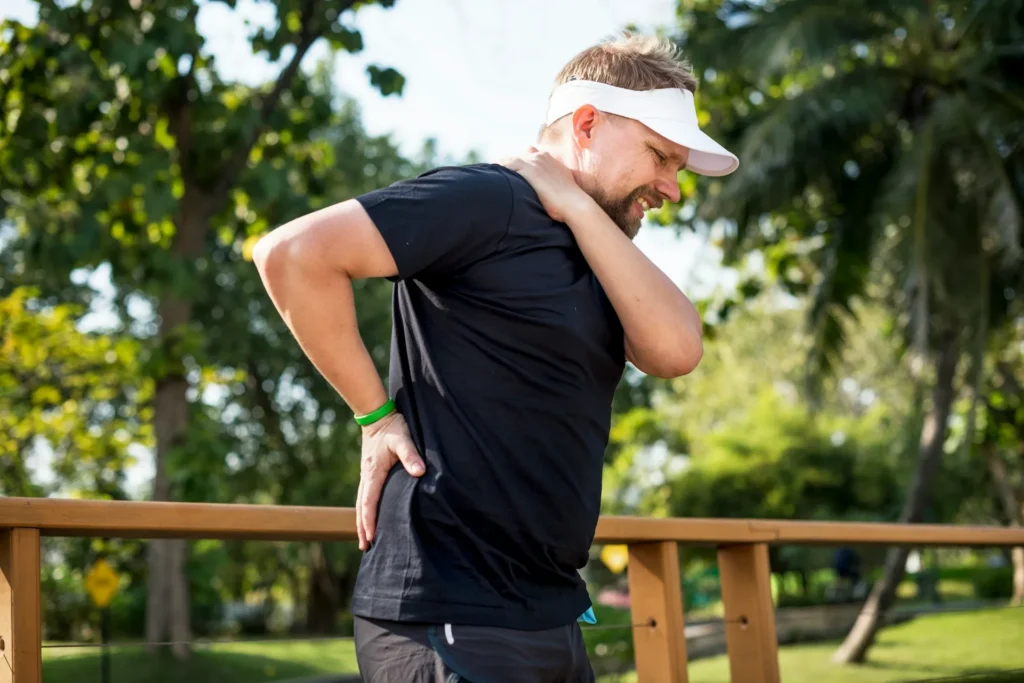

When you experience a sports injury, it’s common to think that rest and basic rehabilitation are sufficient for recovery. However, overlooking the crucial role of chiropractic adjustments can hinder your healing process. Understanding how these targeted adjustments can significantly enhance your recovery is essential. Not only do they promote faster healing, but they also support your overall performance and help prevent future injuries.
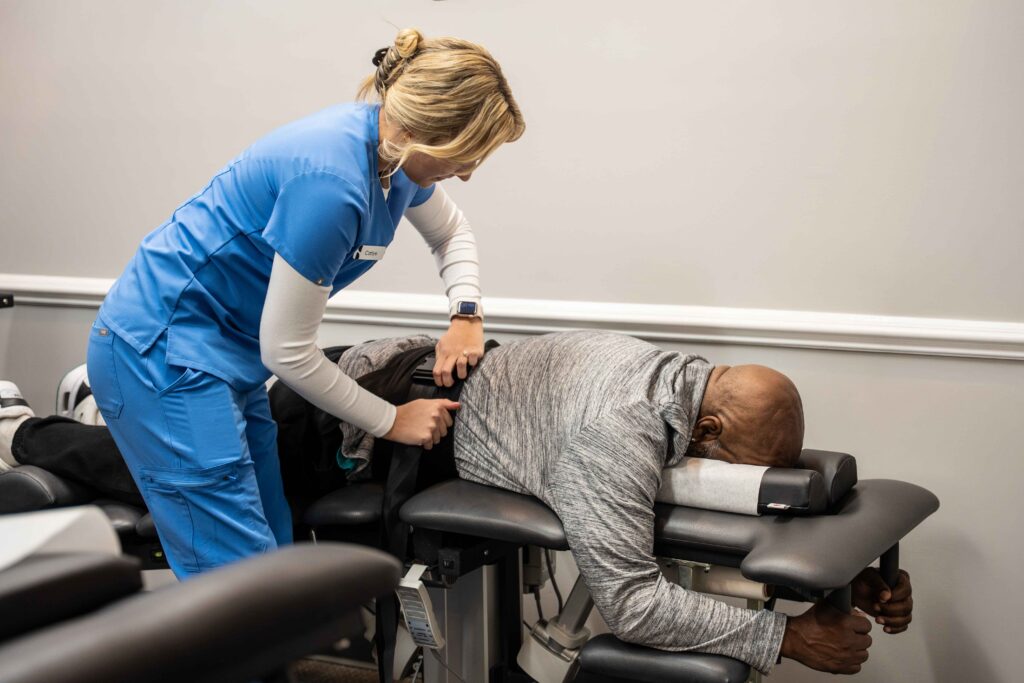
Chiropractic care focuses on restoring balance and function to your body, which is vital during recovery. By realigning your spine and joints, your chiropractor can alleviate pain, reduce inflammation, and improve mobility. This natural healing approach is a safe and effective alternative to medications or invasive procedures.
Here are some specific benefits of incorporating chiropractic adjustments into your recovery journey:
- Pain Relief: Adjustments can effectively reduce pain and discomfort, allowing you to return to your favorite activities sooner.
- Improved Mobility: Chiropractic care enhances joint function and range of motion, which is crucial for athletes looking to regain their performance levels.
- Enhanced Healing: By promoting better blood flow and nerve function, adjustments can accelerate the healing process, getting you back on track faster.
- Injury Prevention: Regular chiropractic visits can identify and address misalignments before they lead to more significant issues, helping you stay injury-free in the future.
- Holistic Well-being: Chiropractic care emphasizes overall wellness, helping you achieve not just recovery, but also a healthier lifestyle.
Incorporating chiropractic care into your recovery plan is a proactive step towards optimal health. If you’ve suffered a sports injury, consider scheduling a visit with your chiropractor to discuss how adjustments can enhance your healing journey. Remember, taking care of your spine and overall well-being is essential for a successful recovery and long-term health!
Understanding the Importance of Personalized Recovery
When you’re recovering from a sports injury, understanding the importance of personalized recovery can truly transform your healing journey. Each injury is distinct, much like your body’s unique healing processes. What aids one athlete mightn’t be effective for another. By customizing your recovery plan to fit your specific needs, you can enhance healing times and elevate your overall performance.
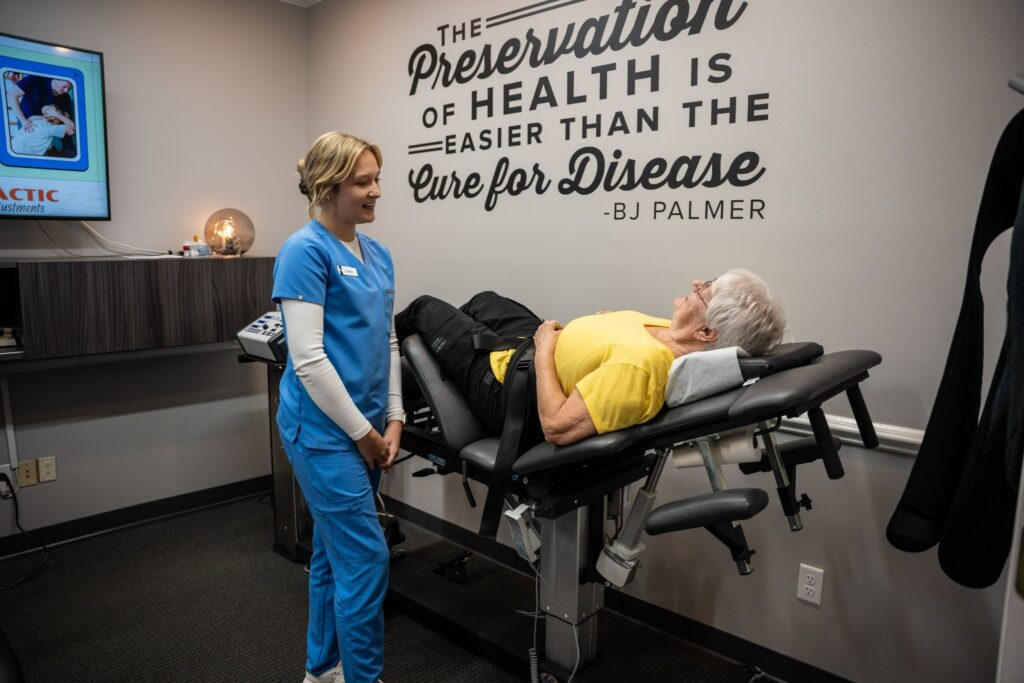
One of the best ways to create a tailored recovery plan is by consulting with professionals who specialize in chiropractic care. Chiropractors can assess your injury comprehensively, focusing on not just the immediate pain but also on the underlying issues that may contribute to your discomfort. They’ll monitor your progress and make adjustments to your regimen as you heal.
Chiropractic care emphasizes natural healing and can help restore proper function to your spine and nervous system, which is crucial for optimal health. Techniques such as spinal adjustments, soft tissue therapy, and targeted exercises can promote healing and prevent future injuries.
Additionally, a personalized approach to recovery can boost your motivation and adherence to the process. You’re more likely to stay engaged with a recovery plan that feels relevant and effective for you. Remember, it’s not just about returning to your sport; it’s about coming back stronger and more resilient than before.
Here are some general tips you can take away to support your recovery:
- Stay Hydrated: Proper hydration aids in the healing process and keeps your joints lubricated.
- Incorporate Gentle Movement: Depending on your injury, gentle stretches and movements can promote blood flow and reduce stiffness.
- Listen to Your Body: Pay attention to how your body responds to different activities and adjust accordingly.
- Prioritize Rest: Healing takes time, and adequate rest is crucial for recovery.
- Consider Chiropractic Adjustments: Regular visits to a chiropractor can help ensure your spine is aligned, supporting your body’s natural healing processes.
Common Types of Sports Injuries
Understanding your unique recovery needs is essential, and recognizing the common types of sports injuries that athletes encounter can be a vital first step in your healing journey.
Sprains and strains are among the most frequent injuries, often resulting from sudden twists or overexertion. These can lead to discomfort and limited mobility, making it crucial to address them early. Chiropractic care can help realign your body, promote healing, and reduce pain naturally.
Tendonitis is another common issue, arising from repetitive movements and causing inflammation in your tendons. By focusing on spinal adjustments and overall body balance, chiropractic treatments can alleviate the strain on affected areas and encourage proper healing without the need for medications or invasive procedures.
Fractures, whether they’re stress fractures or complete breaks, can occur during high-impact activities. While fractures may require specific medical attention, chiropractic care can support your recovery by improving circulation and enhancing your overall health as you heal.
Dislocations, which commonly affect joints like shoulders or knees, can also benefit from chiropractic adjustments to restore proper alignment and function.
Concussions are often seen in contact sports, underscoring the importance of head protection and overall body wellness. Chiropractic care can play a role in recovery by addressing neck and spinal issues that may arise from these injuries, helping to alleviate symptoms and promote a quicker return to your activities.
Lastly, runner’s knee, or patellofemoral pain syndrome, can affect anyone who engages in running or jumping activities. To prevent this, consider incorporating regular chiropractic visits into your routine to maintain proper alignment and function.
By recognizing these common injuries and understanding how chiropractic care can address them, you can identify symptoms early and seek appropriate treatment tailored to your needs.
The Role of Rehabilitation Exercises
While recovering from a sports injury, incorporating rehabilitation exercises is crucial for regaining strength and mobility. These exercises not only aid in restoring function but also play a vital role in preventing further injuries by enhancing your flexibility and stability.
Following a structured rehabilitation program allows you to focus on specific muscle groups that may have weakened during your recovery. It’s essential to begin with low-impact exercises and gradually progress to more challenging ones as your body permits. This method helps you rebuild strength without putting excessive stress on the injured area.
Additionally, rehabilitation exercises can improve your range of motion, making it easier for you to return to your favorite activities. Moreover, chiropractic care can be an excellent complement to your rehabilitation journey. A chiropractor can help assess your condition, provide spinal adjustments, and guide you through exercises that are tailored to your needs.
This holistic approach not only aids in pain relief but also promotes natural healing throughout your body. Always remember to listen to your body. If something doesn’t feel right, it’s perfectly fine to adjust your routine. Consulting a chiropractor can ensure that you’re doing the right exercises and receiving the proper care to support your recovery.
Incorporating these tips into your rehabilitation process can help you achieve optimal health and wellness:
- Stay consistent with your exercises to build strength over time.
- Focus on your posture during activities to protect your spine.
- Incorporate gentle stretching to maintain flexibility.
- Stay hydrated and nourish your body with healthy foods to support healing.
Modifying Training Regimens for Recovery
To ensure a successful recovery from a sports injury, it’s essential to modify your training regimen with care. First, assess the severity of your injury; this will guide you on which activities to adjust or avoid. Emphasize low-impact exercises that allow you to stay active without exacerbating your condition. Swimming and cycling are excellent options, as they provide a cardiovascular workout while being gentle on your body.
Incorporating strength training is important, but focus on muscle groups that aren’t affected by your injury to avoid creating imbalances. As you heal, gradually increase the intensity and duration of your workouts, always paying attention to how your body feels.
Flexibility and mobility exercises are vital as well; they help maintain your range of motion and prevent stiffness, promoting overall wellness. Consider consulting with a chiropractor to develop a personalized recovery plan that emphasizes natural healing and optimal spinal health. Chiropractic care can play a key role in your recovery by addressing misalignments that may be contributing to your pain and ensuring that your body functions at its best.
Remember, patience is crucial—rushing back into your routine could lead to reinjury.
In addition to these strategies, here are some general tips for a healthier recovery:
- Stay hydrated to support your body’s healing processes.
- Prioritize rest and sleep to allow your body to recover fully.
- Use gentle stretching and yoga to improve flexibility and reduce tension.
- Maintain a balanced diet rich in nutrients to support overall health.
Nutritional Adjustments to Support Healing
When you’re recovering from a sports injury, what you eat can make a significant difference in your healing journey. As a chiropractor, I understand that proper nutrition plays a crucial role in supporting your body’s natural healing processes. By focusing on essential nutrients, staying well-hydrated, and incorporating anti-inflammatory foods, you can enhance your recovery and overall wellness.
Here are some simple tips to help you make beneficial nutritional adjustments:
- Prioritize Protein: Protein is essential for repairing tissues and muscles. Include lean sources like chicken, fish, beans, and nuts in your diet to support recovery.
- Stay Hydrated: Water is vital for maintaining joint lubrication and overall health. Aim to drink plenty of water throughout the day, especially if you’re engaging in physical therapy or rehabilitation.
- Incorporate Anti-Inflammatory Foods: Foods such as leafy greens, berries, turmeric, and fatty fish can help reduce inflammation and promote healing. Adding these to your meals can be very beneficial.
- Don’t Skip Healthy Fats: Healthy fats from sources like avocados, olive oil, and nuts can support your body’s healing and provide essential nutrients.
- Consider Chiropractic Care: While you’re focusing on your nutrition, don’t forget to incorporate chiropractic care into your recovery plan. Regular adjustments can enhance your body’s natural healing abilities, improve mobility, and reduce pain, allowing you to get back to your activities more quickly.
- Listen to Your Body: Pay attention to how different foods make you feel. Everyone’s body responds differently, so choose foods that energize you and support your recovery.
By making these nutritional adjustments and considering chiropractic care, you can create a supportive environment for your body to heal naturally.
Essential Nutrients for Recovery
Recovery from sports injuries isn’t just about rest; it heavily relies on proper nutrition and the body’s natural healing capabilities. As a chiropractor, I emphasize the importance of essential nutrients in your recovery journey. Focusing on a balanced intake of proteins, carbohydrates, and healthy fats can greatly enhance your healing process.
Protein is crucial for muscle repair, so incorporate lean meats, dairy, and legumes into your meals. Carbohydrates are your body’s fuel, providing the energy necessary for recovery, so opt for whole grains and a variety of fruits. Healthy fats, such as those found in avocados and nuts, can help reduce inflammation—an important factor in your healing.
Don’t forget about vitamins and minerals! Nutrients like vitamin C and zinc are vital for tissue repair and supporting your immune system. Including these in your diet can help speed up recovery, enabling you to return to your sport stronger and healthier.
In addition to nutrition, consider the benefits of chiropractic care. Chiropractic adjustments can help alleviate pain, improve mobility, and support your body’s natural healing processes. Regular visits to a chiropractor can ensure that your spine and nervous system are functioning optimally, which is essential for overall health and wellness.
Here are a few simple tips to enhance your recovery:
- Stay Hydrated: Water is essential for every cell in your body, including those involved in recovery.
- Get Plenty of Rest: Your body needs time to heal, so ensure you’re getting enough sleep.
- Listen to Your Body: Pay attention to pain signals and adjust your activities accordingly.
- Maintain Good Posture: This can help alleviate unnecessary strain on your body and support your recovery.
Hydration’s Role in Healing
Proper nutrition is just one piece of the puzzle in your healing journey, but don’t overlook the importance of hydration. Staying well-hydrated is essential for your body’s recovery process. When you’re properly hydrated, your body can transport nutrients to your cells more effectively, which is crucial for tissue repair and recovery.
Water also helps regulate your body temperature and keeps your joints lubricated—both of which are key when you’re healing from an injury.
If you’re dehydrated, your body may struggle to recover efficiently, which can lead to prolonged discomfort and slower healing times. To support your health and wellness, aim to drink water consistently throughout the day, especially before and after any physical activities.
Remember, thirst can be a late sign of dehydration, so it’s best to take proactive steps to stay hydrated.
In addition to drinking water, consider incorporating hydrating foods into your diet, like fruits and vegetables.
And if you’re focusing on your spinal health, remember that proper hydration can also support the discs in your spine, helping them function better.
By prioritizing hydration in your daily routine, you’re giving your body the best chance to bounce back stronger and faster.
And when combined with chiropractic care, which addresses the root causes of pain and promotes natural healing, you’ll be on the path to optimal health and well-being.
Anti-Inflammatory Foods Benefits
As you work towards healing from a sports injury, incorporating anti-inflammatory foods into your diet can greatly support your recovery. These foods play a crucial role in reducing inflammation, which may help alleviate pain and speed up the healing process. A great starting point is to include fatty fish like salmon in your meals, as they’re packed with omega-3 fatty acids known for their anti-inflammatory benefits.
Don’t forget to add plenty of leafy greens, berries, nuts, and olive oil to your diet. These options not only taste great but also contribute to your overall health. Turmeric, particularly its active compound curcumin, is another fantastic addition that can enhance your healing journey.
While focusing on these nutrient-rich foods, it’s essential to remember that chiropractic care can also be a key component of your recovery. Regular chiropractic adjustments can help improve spinal alignment and reduce discomfort, providing you with natural pain relief.
By maintaining a balanced diet alongside chiropractic treatments, you’re taking significant steps toward optimal health and wellness.
To maximize your recovery, here are a few simple tips:
- Make a meal plan that includes a variety of anti-inflammatory foods each week.
- Stay hydrated by drinking plenty of water throughout the day.
- Consider consulting with your chiropractor about your diet and how it can complement your treatment plan.
Psychological Aspects of Injury Recovery
When you’re dealing with a sports injury, the psychological impact can often be just as challenging as the physical aspects. It’s completely normal to feel frustrated, anxious, or even down during your recovery. Concerns about losing your fitness level, missing competitions, or letting down your teammates can weigh heavily on your mind.
These feelings might lead to decreased motivation, which can slow down your recovery process. One of the best ways to support your recovery is by maintaining a positive mindset. Focus on what you can control, like your rehabilitation exercises and your nutrition.
Setting small, achievable goals can keep you engaged and motivated. Connecting with others—whether it’s teammates, coaches, or even a chiropractor—can provide valuable support and encouragement.
Chiropractic care can play a significant role in your recovery journey. By addressing any spinal misalignments or joint dysfunctions, chiropractic adjustments can help alleviate pain and improve your overall mobility. This can enhance your rehabilitation efforts and help you feel better both physically and mentally.
In addition to chiropractic care, practicing mindfulness and visualization techniques can be beneficial. These approaches help you stay present and can assist you in picturing a successful recovery.
Listening to Your Body: Signs to Adjust Your Plan
Recovering from a sports injury requires not just mental resilience but also a keen awareness of your body’s signals. As a local chiropractor, I want to emphasize how important it’s to listen to your body during this time. If you’re experiencing persistent pain or discomfort while doing your rehabilitation exercises, it’s crucial to reassess your recovery plan. Ignoring these signals can lead to more severe setbacks and prolonged discomfort.
Swelling or increased soreness after physical activity is a clear sign your body is asking for a break or a different approach. Instead of pushing through the pain, consider incorporating gentle chiropractic adjustments to aid in your recovery. Chiropractic care focuses on aligning your spine and improving your overall body function, which can significantly reduce pain and enhance healing.
Fatigue is another important signal; if you find yourself feeling unusually drained after activities, it may be time to scale back on intensity and allow your body to recuperate.
Don’t forget to pay attention to your mood as well. Feelings of frustration or anxiety can indicate that you’re pushing yourself too hard. It’s perfectly okay to modify your recovery plan. In fact, it’s a smart strategy that supports long-term success.
Remember, chiropractic care is a natural and effective way to promote healing and relieve pain. By trusting your instincts and monitoring these signals, you can navigate your recovery more effectively and safely.
Consider scheduling an appointment with your chiropractor to discuss personalized strategies that will support your healing journey. Together, we can work towards achieving optimal health and wellness.
The Benefits of Professional Guidance
Having a professional chiropractor guide you through your recovery can significantly enhance how you heal from a sports injury. Chiropractors possess specialized knowledge and experience in spinal health and natural healing, ensuring that you follow the right protocols tailored to your specific needs. With their expertise, you can avoid common setbacks and pitfalls that many athletes encounter when trying to recover on their own.
A chiropractor can assess your injury, pinpoint weaknesses, and recommend gentle exercises that promote healing while safeguarding against further damage. They’ll monitor your progress closely, making necessary adjustments to your recovery plan. This personalized attention not only accelerates your healing process but can also build your confidence as you work to regain strength and mobility.
Moreover, having a supportive professional by your side can be incredibly beneficial for your emotional well-being. Chiropractors are there to offer encouragement and motivation, helping you stay committed to your recovery journey. With their guidance, you’re more likely to achieve a full recovery and return to the sport you love.
Here are some general tips to consider during your recovery process:
- Stay Active: Engage in gentle movements and stretches as approved by your chiropractor to maintain flexibility and circulation.
- Listen to Your Body: Pay attention to any pain or discomfort and communicate this with your chiropractor so they can adjust your treatment plan accordingly.
- Stay Hydrated: Proper hydration is essential for healing, so drink plenty of water throughout the day.
- Maintain a Balanced Diet: Consuming nutritious foods can support your body’s healing process. Foods rich in omega-3 fatty acids, antioxidants, and protein can be particularly beneficial.
- Prioritize Rest: Allow your body the time it needs to heal by getting plenty of restful sleep.
Setting Realistic Goals for a Safe Return
When you’re on the journey of recovering from an injury, it’s crucial to set realistic goals that prioritize not only your healing but also your overall well-being. As a chiropractor, I want to emphasize the importance of understanding your body’s capabilities. This involves evaluating the severity of your injury and recognizing the natural healing processes of your body.
Creating a gradual progression plan is essential. Start with gentle movements and stretches that encourage healing and strengthen your muscles without putting undue stress on your body. This is where chiropractic care can play a significant role. Regular chiropractic adjustments can help improve your spinal alignment, enhance mobility, and support your body’s natural ability to heal.
Here are some helpful tips to keep in mind during your recovery:
- Listen to Your Body: Pay attention to how you feel. If something doesn’t feel right, don’t push through the pain. Consult with your chiropractor for guidance.
- Incorporate Gentle Exercise: Activities like walking, swimming, or yoga can be beneficial. These low-impact exercises promote circulation and flexibility while being easier on your body.
- Stay Hydrated: Proper hydration is key to recovery. Water helps to flush out toxins and supports overall bodily functions.
- Maintain Good Posture: Be mindful of your posture, especially when sitting or standing for long periods. Good posture can alleviate unnecessary strain on your spine and support healing.
- Consider Chiropractic Care: Regular visits to your chiropractor can help ensure your spine is aligned, which is essential for optimal nerve function and healing throughout your body.
Assessing Injury Severity
Assessing the severity of your injury is crucial for setting realistic and safe goals for your return to sports. Understanding whether your injury is mild, moderate, or severe can help you gauge your recovery timeline and the intensity of your rehabilitation. It’s always best to consult with a healthcare professional, like a chiropractor, who can provide an accurate diagnosis and help you navigate your healing journey.
When evaluating your injury, pay close attention to your pain levels, mobility, and any swelling or instability in the affected area. This awareness not only aids in understanding your condition but also empowers you to create achievable goals, such as regaining full range of motion or gradually returning to practice.
Chiropractic care offers a natural approach to healing and can be incredibly effective for injury recovery. Through targeted adjustments, your chiropractor can help restore proper function to your spine and joints, alleviate pain, and promote overall wellness. Remember, rushing back into activity can lead to further complications, so it’s important to prioritize your long-term health over short-term gains.
Here are some general tips to support your healing process:
- Rest and Recovery: Allow your body the time it needs to heal properly.
- Gentle Movement: Engage in light activities or stretches as recommended by your chiropractor to maintain mobility without overexerting yourself.
- Stay Hydrated: Drinking plenty of water supports overall health and aids in recovery.
- Nutrition: Fuel your body with nutrient-rich foods that promote healing and strengthen your immune system.
- Listen to Your Body: Pay attention to how you feel during your recovery, and communicate openly with your chiropractor about any concerns.
Gradual Progression Plan
As you embark on your recovery journey, creating a gradual progression plan is crucial for setting realistic goals that ensure a safe return to sports while promoting optimal health.
Start by assessing your current physical condition and consider consulting your chiropractor for personalized guidance. Breaking your recovery into manageable phases will help focus on key areas like strength, flexibility, and endurance.
Set specific, measurable goals for each phase. For example, aim to gradually increase your workout intensity or duration while paying close attention to how your body feels during each session. If you experience pain or discomfort, it’s important to adjust your plan accordingly—listening to your body is essential for effective healing.
Incorporating rest days into your routine will allow your body to heal naturally and restore balance. Celebrating small milestones along the way can boost your motivation and keep you on track.
Remember, rushing back to your previous activity levels can lead to re-injury, so patience and consistency are critical components of a successful recovery.
Chiropractic care can play a vital role in your journey to wellness. Regular adjustments can help alleviate pain, improve mobility, and enhance overall function, allowing your body to heal naturally.
Long-Term Strategies for Injury Prevention
To effectively prevent injuries in sports, it’s essential to embrace long-term strategies that focus on both physical conditioning and mindful practices, all while considering the benefits of chiropractic care.
Start by building a balanced training regimen that includes strength, flexibility, and endurance exercises. This approach not only creates a solid foundation but also significantly reduces the risk of injuries, allowing your body to function optimally.
Listening to your body’s signals is another crucial aspect of injury prevention. If you experience pain or discomfort, it’s important to take a step back and assess your routine instead of pushing through it. Chiropractic care can be incredibly beneficial here, as a chiropractor can help identify the root causes of your discomfort and provide natural solutions.
Incorporating proper warm-up and cool-down routines into your practice should become second nature. These practices enhance blood flow and aid recovery, preparing your body for exertion and helping it relax afterward.
Regular chiropractic adjustments can also improve your overall flexibility and range of motion, making your warm-ups more effective.
Consider cross-training as a way to prevent overuse injuries. By engaging in different sports or activities, you not only maintain your fitness levels but also reduce repetitive stress on specific muscle groups.
Chiropractic care complements this by ensuring your spine and body are aligned and functioning well, supporting your varied activities.
By consistently applying these strategies and integrating chiropractic care into your routine, you’ll enhance your performance and protect yourself from future injuries.