
When it comes to keeping infants and toddlers safe, there are several key techniques you should consider, especially when it comes to their overall health and well-being. As a chiropractor, I believe that promoting a safe environment is essential for nurturing your child’s development, and this includes understanding how to support their spinal health.
One of the first steps is to create a secure play environment. Ensure that play areas are free from sharp objects and small items that could pose a choking hazard. Additionally, consider the surfaces where your little ones play. Soft surfaces can help cushion falls and prevent injury to their developing spine.
Proper feeding practices are also crucial. Holding your infant in an ergonomic position during feeding can help prevent strain on their neck and spine. As they grow into toddlers, encourage sitting at a table with good posture, which supports their overall spinal health.
Babyproofing your home is another vital step. Use safety gates, outlet covers, and furniture anchors to protect your child from potential hazards. Being aware of their movement patterns can help you anticipate and mitigate risks in their environment.
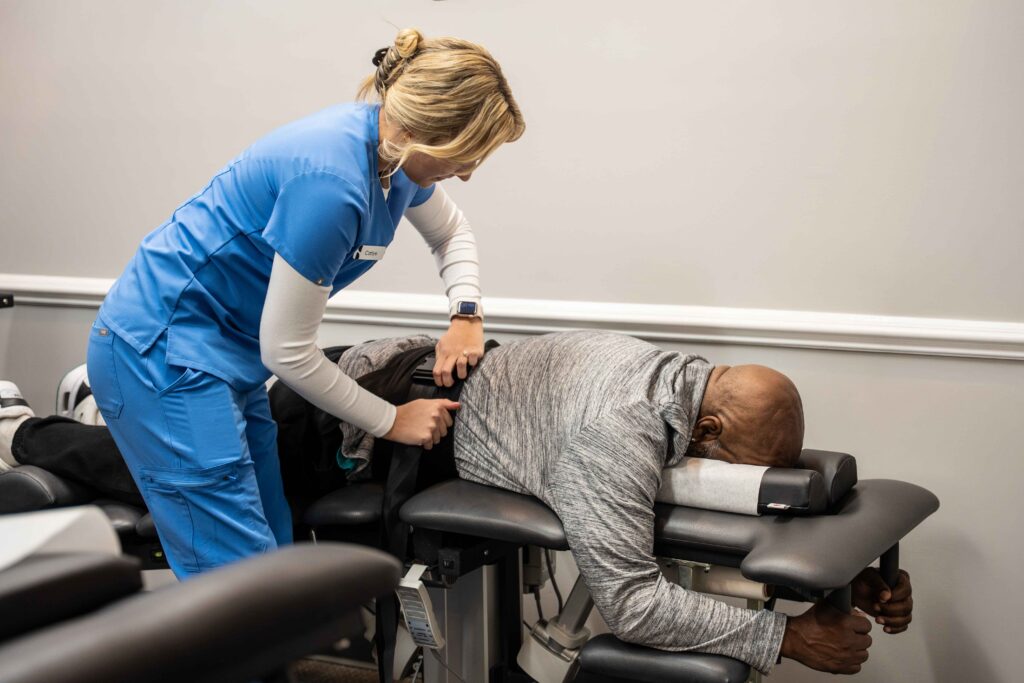
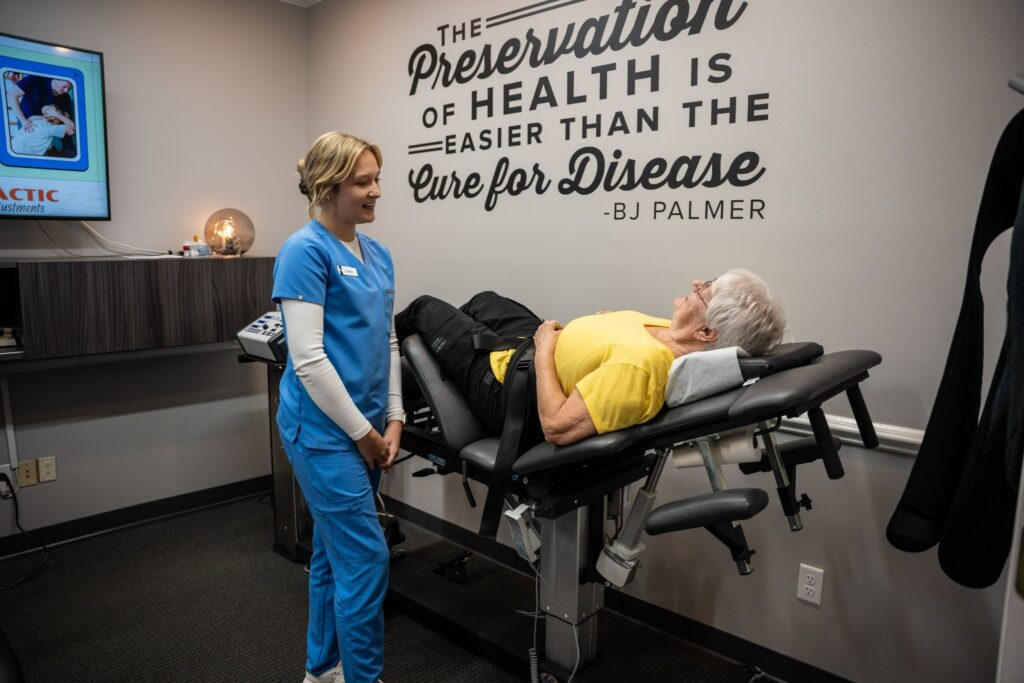
Lastly, regular chiropractic check-ups can play a significant role in your child’s health journey. Gentle adjustments can help ensure that their spine is aligned, supporting their nervous system and overall well-being. This proactive approach can lead to fewer discomforts and a happier, healthier child.
By focusing on these safe techniques and incorporating chiropractic care into your child’s health regimen, you can create a nurturing environment that promotes their natural growth and development. Remember, a healthy spine is the foundation for a thriving life!
Safe Feeding Practices for Infants and Toddlers
When it comes to feeding your infant or toddler, ensuring safety is essential for their overall health and wellness, much like how chiropractic care promotes a strong foundation for a healthy spine and body.
Young children are particularly vulnerable to choking hazards and food allergies, so it’s important to adopt safe feeding practices right from the start.
Begin by selecting age-appropriate foods that are soft and easily mashable, such as bananas or avocados, which are gentle on their developing digestive systems.
Always supervise your little one during mealtime, just as you’d ensure proper posture and support during chiropractic adjustments, to quickly identify any potential hazards.
When introducing new foods, do so one at a time. This allows you to monitor for any allergic reactions, similar to how we assess individual needs in chiropractic care.
Cut foods into small, manageable pieces to reduce the risk of choking. Avoid hard, round, or sticky items like whole grapes, nuts, and peanut butter, which can pose a serious risk to their airway.
Creating a calm and distraction-free mealtime environment is also crucial.
This mirrors the peaceful atmosphere we strive for in a chiropractic office, where patients can focus on their healing journey.
Encourage your child to chew thoroughly and take their time, as these habits aren’t only beneficial for their digestion but also lay the groundwork for lifelong healthy eating practices.
By prioritizing safe feeding practices, you’re not only nurturing your child’s health but also aligning with the principles of natural wellness that chiropractic care embodies.
Creating a Secure Play Environment
Creating a secure play environment isn’t only essential for your child’s safety and development but also plays a crucial role in their overall health and wellness.
As a chiropractor, I want to share how an optimal play space can support your child’s spinal health and encourage natural movement.
First, consider safe play area essentials that promote active and healthy play. Ensure that the space is free from hazards to prevent falls or injuries that could impact their spine. Soft surfaces like grass or padded mats can provide a safe landing for any tumbles.
Next, choose toys that encourage movement and physical activity. Items like building blocks or balance toys can help develop coordination and strength, which are vital for maintaining a healthy spine. Avoid toys that could lead to excessive sitting or inactivity, as these can contribute to poor posture and potential back issues in your child.
Active supervision is key to ensuring your child is playing safely. By engaging with them during playtime, you can also encourage them to move in ways that are beneficial for their spinal health. Incorporating fun activities like stretching or simple exercises can foster a habit of staying active and aware of their body.
In summary, setting up a secure play environment can greatly enhance your child’s development while also supporting their spinal health.
Safe Play Area Essentials
Creating a secure play area is essential not only for your child’s safety but also for their overall health and development. As a chiropractor, I understand the importance of a nurturing environment that encourages movement and exploration while minimizing the risk of injury.
Start by designating a specific area, such as a room or corner, that’s free from potential hazards. Soft flooring, like foam mats or carpets, can help cushion falls, promoting safe play and reducing stress on little bodies.
Ensure that furniture has corner protectors to prevent injuries from sharp edges. Keeping small objects out of reach is vital to avoid choking hazards, which can disrupt a child’s natural learning and exploration. Use baby gates to restrict access to stairs and other unsafe areas, ensuring your little one can move freely in a safe space.
Additionally, it’s important to keep cords and plugs out of reach, as these can pose risks. Regularly check the play area for new hazards and encourage supervised playtime to foster a fun and secure environment.
Remember, a safe play area not only protects your child but also supports their physical well-being and spinal health as they grow and develop.
As you create this space, consider incorporating activities that promote movement and flexibility, which are vital for maintaining a healthy spine. Encouraging your child to engage in play that involves crawling, climbing, and stretching can contribute to their overall physical health.
If you ever notice your child displaying signs of discomfort or limited movement while playing, it might be time to consult a chiropractor. Chiropractic care can help support their natural growth and development, ensuring they stay active and pain-free as they explore their world.
Toy Selection Guidelines
Creating a safe and supportive environment for your child is essential not just for play, but also for their overall health and wellness. When selecting toys, it’s important to consider their developmental stage and how certain toys can impact their physical well-being.
Choose age-appropriate toys that promote movement and encourage healthy spinal alignment. Look for toys labeled as safe for infants or toddlers, and be mindful of small parts that could pose a choking hazard, as safety is paramount.
Opt for soft, non-toxic materials that minimize injury risk. Toys that promote active play—like those that encourage crawling, walking, or reaching—can help with the development of strong muscles and better posture, which are foundational for spinal health.
Avoid toys with long strings or cords that could pose a risk of entanglement, as these can lead to falls or other accidents.
Regularly inspect your child’s toys for any damage, ensuring they remain safe and functional. Discard any that show wear and tear.
Additionally, consider your child’s interests when selecting toys; those that engage them can lead to active play, which is essential for physical health and development.
By making informed choices about toys, you not only create a stimulating environment for your child’s growth but also support their overall health. Incorporating chiropractic care into your child’s wellness routine can further enhance their physical development, helping them achieve optimal health naturally.
Supervision and Engagement Tips
While you’re busy selecting safe toys for your little one, remember that active supervision is essential for creating a secure play environment, which can also promote healthy development and prevent potential injuries.
Keeping an eye on your child allows you to guide their movements and ensure they’re interacting with their environment safely, which is crucial for maintaining proper spinal health as they play. Engaging with them during playtime not only enhances their learning but also strengthens your bond—a vital aspect of emotional well-being that contributes to overall health.
Create a designated play area that’s free from hazards and suitable for their age, filled with toys that promote healthy movement. Rotating toys regularly can keep their interest alive and encourage exploration, which is important for developing coordination and strength.
As you encourage safe play, take the opportunity to teach your child how to use toys correctly, helping them develop good habits that support their physical well-being.
Finally, be mindful of their mood and energy levels; sometimes, a simple change in activity can’t only keep them engaged but also prevent accidents that could lead to discomfort or stress on their growing spines.
By fostering a safe and supportive play environment, you aren’t just promoting fun, but also laying the groundwork for a lifetime of health and wellness.
Proper Use of Car Seats and Strollers
When it comes to the health and wellness of your little ones, ensuring their safety in car seats and strollers is crucial. Proper use of these devices not only protects your child but also promotes their overall well-being.
It’s essential to know the best installation tips for car seats, explore stroller safety features, and understand age-appropriate usage guidelines.
Here are some key points to keep in mind:
- Car Seat Installation: Make sure your car seat is correctly installed according to the manufacturer’s guidelines. A properly installed car seat can significantly reduce the risk of injury during travel.
- Stroller Safety Features: Look for strollers with safety harnesses and brakes. These features play a vital role in keeping your child secure and preventing accidents.
- Age-Appropriate Usage: As your child grows, their needs change. Ensure that you transition them to the appropriate car seat or stroller based on their age and size to maintain their safety and comfort.
By prioritizing your child’s safety in car seats and strollers, you’re not only helping to prevent injuries but also fostering a healthier lifestyle.
Remember, chiropractic care can support your child’s development by ensuring that their spine is healthy and aligned. Regular check-ups can help identify any issues early on, promoting their overall wellness.
Car Seat Installation Tips
Ensuring your child’s safety during car rides is a vital aspect of their overall well-being, and proper car seat installation plays a key role in this. As a chiropractor, I understand the importance of maintaining spinal health, even when traveling. Here are some tips to ensure your child is safe and comfortable in their car seat, which can contribute to their overall health.
First, always read the manufacturer’s instructions for your specific car seat model. This will help you choose a seat that’s suitable for your child’s age, weight, and height. A properly fitted car seat supports proper spinal alignment and reduces the risk of injury during a car ride.
When installing the car seat, use either the seatbelt or the LATCH system, but avoid using both simultaneously. The car seat should be secured tightly; it shouldn’t move more than an inch side-to-side or front-to-back. A well-installed car seat not only ensures safety but also helps maintain a stable position for your child’s spine during travel.
For rear-facing seats, check that the angle is correct—most models come with indicators to assist with this. Maintaining the right angle supports your child’s neck and spine, helping to prevent strain.
It’s also crucial to ensure the harness fits snugly against your child’s body, with the chest clip positioned at armpit level. This provides the best support and minimizes movement during sudden stops, which can be jarring for a developing spine.
Lastly, regularly re-check your installation for safety, especially after moving the seat or if your child experiences growth spurts. Keeping the car seat fitted correctly not only offers peace of mind but also supports your child’s overall health and comfort while on the road.
Incorporating these simple tips into your routine can help ensure your child’s safety during car rides, while also promoting their spinal health. Remember, a healthy spine contributes to a healthier, happier life!
Stroller Safety Features
As you embark on life’s adventures with your little one, it’s crucial to prioritize their safety and comfort while using a stroller. Just as maintaining optimal spinal health is essential for you, ensuring your child’s safety measures can contribute to their overall well-being. Here are some key stroller safety features to consider that can help enhance your outings together.
First and foremost, ensure that the stroller is equipped with a five-point harness. This is similar to how we focus on proper spinal alignment and support for our bodies; securing your child properly will keep them safe and snug.
Next, always check the brakes to make sure they’re functional. Just like you’d want a stable foundation for your spine, a sturdy stroller will help prevent accidents, especially when parked on inclines. Engaging the brakes whenever you stop is a must to ensure your child remains safe.
It’s also wise to look for strollers with a wide base. This provides better stability, much like having a strong core supports your spine. Avoid models that are easily tipped over, as these can pose risks during use.
A stroller with a canopy is another excellent feature. It protects your child from the elements, similar to how chiropractic care can shield you from the stresses and strains of daily life. Keeping your little one comfortable can lead to a more enjoyable experience for both of you.
Don’t forget about the importance of a storage basket. Just as organizing your life can reduce stress and promote wellness, having a designated space for your belongings can help keep your hands free for more attentive care of your child.
Lastly, always be mindful of the weight limit specified for the stroller. Adhering to these guidelines is akin to respecting your body’s limits; it allows for safe and effective use, promoting a healthier lifestyle for both you and your child.
By focusing on these stroller safety features, you can ensure that your outings aren’t only safe but also contribute to a joyful and healthy experience for you and your little one.
Age-Appropriate Usage Guidelines
Ensuring your child’s safety is crucial, and understanding age-appropriate usage guidelines for car seats and strollers can play a vital role in their well-being. For infants, it’s important to use a rear-facing car seat until they’re at least two years old or reach the maximum weight/height limit set by the manufacturer. This position supports their spinal development and offers optimal protection in case of an accident. Transition to a forward-facing seat only after meeting these criteria.
When it comes to strollers, wait until your child is at least six months old before allowing them to sit upright in a stroller without a recline feature. This ensures their spine is adequately supported. Always use the harness to secure your child, even for short trips, as this helps prevent unexpected movements that could lead to injury.
For toddlers, select strollers that cater to their growing independence while maintaining essential safety features. Regularly inspect car seats and strollers for any recalls or signs of wear and tear, as this is vital for ensuring your little one’s safety.
In addition to these safety measures, consider the benefits of chiropractic care for your child. Regular chiropractic adjustments can help promote healthy spinal development, improve posture, and foster overall wellness.
Prioritizing natural healing methods can lead to better health outcomes and a more active lifestyle for your family. Always consult with a chiropractor to explore how they can support your child’s health and development naturally.
Babyproofing Your Home
Creating a safe environment for your little ones not only protects them from physical harm but also supports their overall wellness, which is essential for their growth and development. One way to promote a healthy environment is by ensuring your home is free from potential hazards.
As you assess your living space, look for sharp edges, loose wires, and small objects that could pose choking risks. To minimize injury, use corner guards on furniture and secure cords out of reach.
In addition to protecting your child physically, remember that a safe environment contributes to their emotional well-being. Installing safety gates at stairs and doorways can help limit access to potentially dangerous areas, giving you peace of mind. Locking cabinets and drawers that contain cleaning supplies, medications, or sharp objects can further enhance safety.
Outlet covers can also be a great investment, preventing curious little fingers from exploring electrical sockets.
Don’t overlook large furniture; anchoring bookshelves and dressers to the wall is key in preventing tipping incidents. As a chiropractor, I often emphasize the importance of a well-organized space as it can reduce stress and promote a sense of calm.
Keeping heavy items on lower shelves and storing toys in designated bins encourages organization and safety, making it easier for your child to navigate their environment confidently.
As your child grows and begins to explore more, it’s essential to regularly revisit your babyproofing measures. Staying proactive not only helps maintain a safe space for your little one but also supports their overall health.
Supervision and Interaction During Play
While ensuring your home is safe for your little one is crucial, providing active supervision and interaction during playtime can greatly benefit their overall health and wellness. Staying close while your child plays not only keeps them safe but also allows you to monitor their physical movements, which is essential for spinal health.
When you engage with your child on the floor, you support their development and encourage healthy movement patterns. By participating in their imaginative games and exploring new toys together, you can promote physical activity that strengthens their muscles and supports a healthy spine. Your presence can boost their confidence and create a joyful environment for learning.
Pay attention to how your child plays, as this can reveal their interests and developmental milestones. If they seem frustrated or bored, consider introducing new challenges or variations in their play. This not only keeps them engaged but also encourages movement that’s beneficial for their musculoskeletal development.
Combining supervision with active participation not only ensures safety but also nurtures their growth. Plus, encouraging healthy play habits lays the foundation for a lifetime of wellness.
Understanding Choking Hazards
Choking hazards are a serious concern for parents and caregivers of infants and toddlers, and being aware of these risks is essential for ensuring the safety and well-being of your little ones. Young children are naturally curious and often explore their surroundings by putting things in their mouths.
To help create a safer environment, it’s crucial to keep potentially dangerous objects out of reach. Here are four common choking hazards to be mindful of:
- Small toys or toy parts: Any item smaller than a ping-pong ball can pose a choking risk. Opt for larger toys that are specifically designed for young children.
- Food items: Certain foods can easily obstruct a child’s airway. Hard candies, whole grapes, and nuts should be avoided for young children. Instead, consider cutting food into smaller, manageable pieces and opting for softer textures.
- Balloons: Deflated or broken balloons can be particularly dangerous. Always supervise playtime with balloons and dispose of them properly after use to prevent any choking incidents.
- Button batteries: These small batteries can cause severe internal damage if swallowed. Keep devices containing button batteries out of reach and ensure they’re secured.
While it’s essential to be aware of these choking hazards, it’s also important to focus on overall wellness and health for your family.
Chiropractic care offers a natural approach to maintaining health and can support your body’s ability to function optimally. Regular chiropractic check-ups can help ensure that your spine is aligned, which may contribute to better overall health and well-being.
Safe Sleep Guidelines for Infants
Creating a safe environment for your infant goes beyond just recognizing potential hazards; it also involves implementing safe sleep practices that promote overall health and wellness for your little one. A key practice is placing your baby on their back to sleep, which is known to significantly reduce the risk of sudden infant death syndrome (SIDS).
It’s essential to use a firm mattress with a fitted sheet, and steer clear of soft bedding such as pillows, blankets, or stuffed animals in the crib. This not only ensures a safe sleep space but also promotes proper spinal alignment, which is vital for your baby’s developing body.
Keep the crib free of any clutter to allow for proper airflow, and maintain a comfortable room temperature to prevent overheating. Sharing a room with your infant for the first six months can provide peace of mind, but it’s advisable to avoid co-sleeping, as this can pose various risks.
If your baby dozes off in a swing or car seat, gently transfer them to their crib as soon as possible. These practices not only create a safe sleeping environment but also encourage healthy sleep patterns, which are crucial for your child’s growth and development.