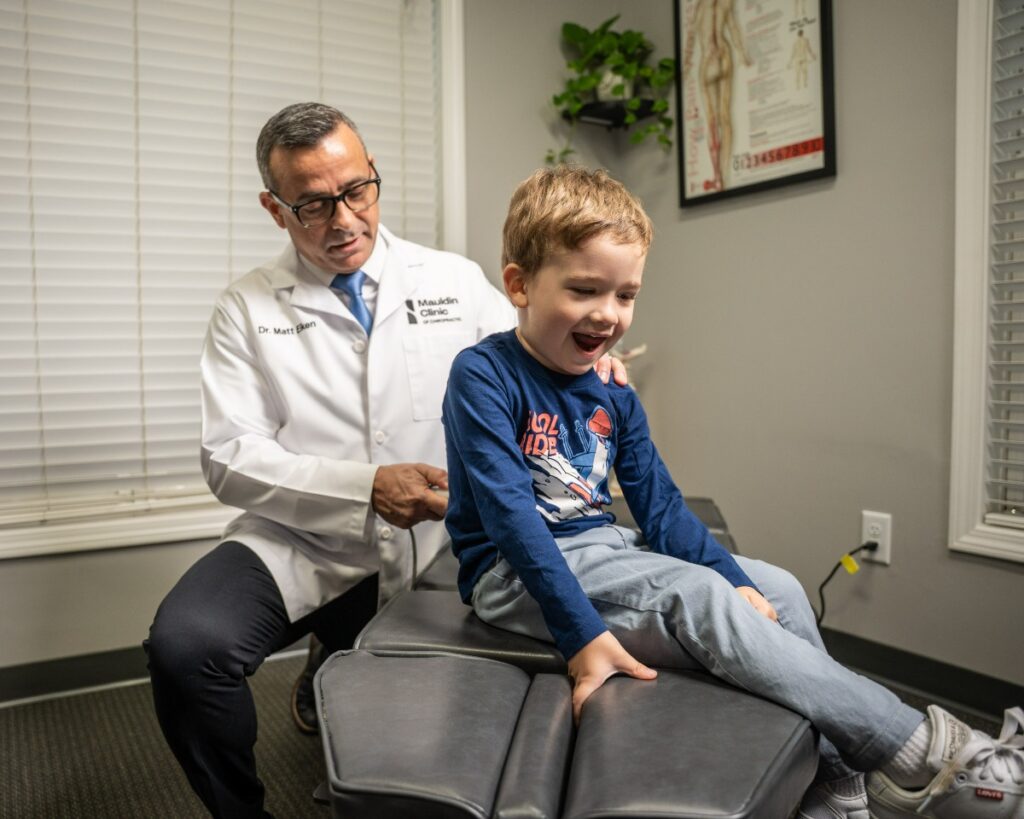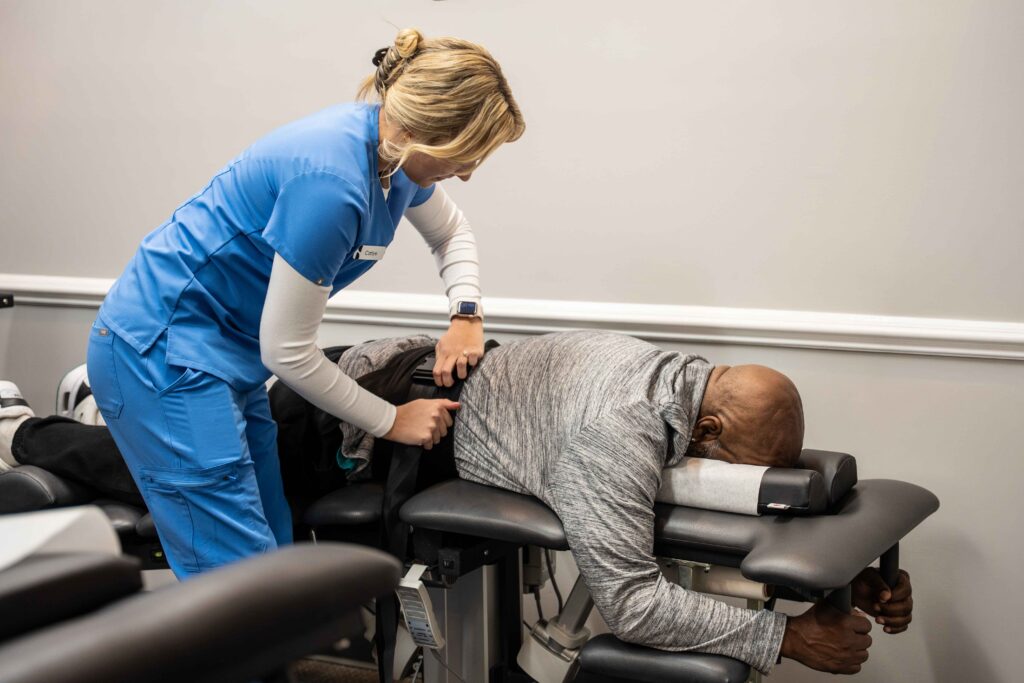

When it comes to caring for infants and toddlers, understanding safe treatment methods is essential for promoting their overall health and well-being. As a chiropractor, I believe that chiropractic care can play a significant role in ensuring comfort and addressing common health issues like colic or teething. Through gentle adjustments and natural healing techniques, we can support the body’s innate ability to heal itself, promoting not just physical comfort but also emotional development.
Effective chiropractic techniques can help alleviate discomfort associated with teething and colic, allowing your little ones to thrive. By focusing on spinal health, we can enhance their nervous system function, which is crucial for their growth and development. As you navigate these early challenges, consider incorporating some simple practices to create a nurturing environment for your little ones:
- Gentle Massage: Regularly massaging your infant’s back and tummy can provide comfort and alleviate tension. This can be a great way to bond while also promoting relaxation.
- Spinal Alignment: Regular chiropractic check-ups can help ensure that your child’s spine and nervous system are functioning optimally, which can lead to improved health and well-being.
- Warm Compresses: Applying a warm compress to the belly can help soothe discomfort from gas or colic, providing relief naturally.
- Breastfeeding Positioning: Ensuring proper positioning during breastfeeding can prevent strain on your baby’s spine, promoting better digestion and comfort.
- Healthy Lifestyle: Encourage a healthy lifestyle by providing balanced nutrition and promoting physical activity as they grow, which will help in their overall development.
By exploring these techniques and considering chiropractic care, you can create a supportive environment that nurtures your child’s health naturally. Remember, a well-aligned spine contributes to a well-functioning nervous system, which is vital for your child’s growth and development.
Understanding Common Health Issues in Infants and Toddlers
When caring for infants and toddlers, it’s important to understand the common health issues they may encounter, as their developing immune systems make them particularly vulnerable. One frequent concern is colds, which, while usually mild, can lead to more significant issues if not monitored closely. Chiropractic care can support your child’s immune system by promoting proper spinal alignment, which helps the body function optimally.
Ear infections are another common issue, often resulting in fussiness and discomfort. Regular chiropractic adjustments can improve nerve function and help reduce the frequency of these infections. By ensuring that your child’s spine is aligned, you can support their overall health and comfort.
Gastrointestinal problems like diarrhea or constipation are also issues that can affect your little one’s nutrition and hydration. A well-aligned spine can enhance digestive function, helping to alleviate these concerns naturally. Incorporating gentle chiropractic care can promote better digestion and overall wellness.
Skin rashes, including diaper rash or eczema, can be distressing for both children and parents alike. While chiropractic care doesn’t directly treat skin conditions, it does support the body’s natural healing processes and can contribute to a healthier skin environment.
Fever, a common symptom of various infections, indicates that your child’s body is working hard to fight something off. Chiropractic care can assist in boosting their immune response, helping them recover more effectively.
Being proactive about your child’s health by considering chiropractic care can lead to a more comfortable and healthier experience for both you and your little one. Always consult with a healthcare professional for specific concerns, but remember that regular chiropractic adjustments can be a valuable part of your child’s wellness journey.
Focus on maintaining a healthy lifestyle through proper nutrition, hydration, and gentle physical activity to support their growth and development naturally.
Safe Practices for Managing Fever
Fever can understandably be concerning for parents, but it often indicates that your child’s body is working hard to combat an infection. While chiropractic care primarily focuses on spinal health and overall wellness, there are natural approaches to support your child’s body during a fever.
To help your child feel more comfortable, dress them in lightweight clothing and maintain a comfortable room temperature. It’s essential to keep them hydrated, so encourage them to drink plenty of fluids like water or natural electrolyte solutions. Proper hydration supports the body’s healing processes.
While chiropractic care doesn’t directly address fever, ensuring your child’s spine is properly aligned can help boost their immune system, potentially aiding their recovery. Consider scheduling a visit to your chiropractor to assess your child’s overall health and wellness. A well-aligned spine can contribute to better nerve function and enhanced immune responses.
Keep an eye on your child’s fever, especially if it reaches above 100.4°F (38°C) in infants under three months. If the fever persists for more than three days, or if your child seems particularly distressed or exhibits other concerning symptoms, it’s wise to seek professional advice.
Staying calm and informed is crucial. Remember, chiropractic care is a natural and effective way to promote wellness and support your child’s health during times of illness.
Focus on creating a nurturing environment and consider how chiropractic adjustments can play a role in your child’s overall well-being.
Effective Techniques for Relieving Colic
Colic can be a challenging experience for both you and your baby, often resulting in sleepless nights and increased stress. As a chiropractor, I want to share some natural techniques that can help ease your little one’s discomfort while supporting their overall health and wellness. Here are three methods that may provide relief:
- Gentle rocking: Holding your baby close and gently swaying back and forth can replicate the soothing movements they experienced in the womb. This gentle motion not only calms your baby but also helps promote healthy spinal alignment, which is essential for their development.
- Warm compress: Placing a warm towel on your baby’s tummy can be comforting and help relieve discomfort. Ensure the compress is warm but not too hot—testing it on your wrist is a good way to check its temperature. This warmth can also promote relaxation in their muscles and support their overall well-being.
- White noise: Many babies find comfort in consistent background sounds. You can use a white noise machine or even a fan to create a calming atmosphere. This consistent noise can help your baby feel secure and may even improve their sleep quality, which is crucial for their health.
In addition to these techniques, consider the benefits of chiropractic care for your baby. Gentle chiropractic adjustments can promote spinal health and help alleviate discomfort associated with colic.
By focusing on natural healing and wellness, chiropractic care can support your baby’s overall health and development.
Experiment with these techniques and consider incorporating chiropractic care into your wellness routine. By prioritizing natural methods, you can find what works best for your baby while also fostering a healthy environment for them to thrive.
Soothing Solutions for Teething Discomfort
As your baby grows, you may encounter a common challenge: teething discomfort. During this time, your little one might become fussy, drool more, or chew on everything in sight. While these signs can be concerning, there are natural and gentle solutions to help ease their discomfort.
One effective method is to offer a cold teething ring. The cold sensation can help numb sore gums and provide relief. You can also try gently massaging your baby’s gums with a clean finger, which not only soothes but can also promote better alignment in their developing jaw and spine.
If your baby is old enough, consider offering chilled fruits like apples or bananas. These can provide a tasty distraction while also delivering essential nutrients.
Additionally, incorporating gentle chiropractic care into your baby’s routine can support their overall health and comfort during teething. A qualified chiropractor can assess your child’s spine and nervous system, helping to alleviate tension that may contribute to discomfort.
It’s important to monitor your baby’s temperature as well; if it rises significantly, consult your healthcare provider.
By embracing these simple, natural strategies, you can help make the teething process more manageable for both you and your baby, while promoting a foundation of wellness.
Nutritional Guidelines for Healthy Growth
When it comes to your little one’s nutrition, balanced meal planning is crucial for supporting not just healthy growth, but also their overall well-being and spinal health. A well-nourished body is better equipped to thrive, and that includes maintaining a healthy spine.
You’ll want to focus on age-appropriate portions that cater to their developing needs, as proper nutrition can help prevent issues down the road. Just as chiropractic care promotes optimal health through natural healing, the right foods can bolster your child’s growth and vitality.
Here are some tips to create meals that nourish and sustain your child effectively:
- Include a Variety of Foods: Aim for a colorful plate with fruits, vegetables, whole grains, and lean proteins. This variety not only supports growth but also helps maintain a healthy spine.
- Focus on Calcium and Vitamin D: These nutrients are essential for strong bones. Include dairy products, leafy greens, and fortified foods in their meals, as they play an important role in spinal health.
- Stay Hydrated: Encourage your child to drink plenty of water throughout the day. Staying hydrated is vital for overall health, including spinal function.
- Limit Processed Foods: Try to minimize sugary snacks and processed foods, as they can lead to inflammation and other health issues that may affect your child’s growth and comfort.
- Encourage Regular Physical Activity: Along with proper nutrition, regular movement helps maintain a healthy spine and overall wellness. Activities like playing outside, riding bikes, or dancing can be fun ways to stay active.
Remember, just as chiropractic care provides a holistic approach to health, nourishing your child with the right foods supports their growth and spinal health in a natural way.
Balanced Meal Planning
Balanced meal planning is essential for ensuring that infants and toddlers receive the proper nutrition they need for healthy growth and development. As a local chiropractor, I understand the importance of a well-rounded diet in supporting not only physical health but also overall wellness, which can enhance the benefits of chiropractic care.
By offering a variety of foods, you can encourage healthy eating habits from an early age, contributing to optimal spinal health. Here are three key components to include in your meal planning that can support both nutrition and wellness:
- Fruits and Vegetables: Incorporate brightly colored options like sweet potatoes, peas, and bananas. These foods are packed with essential vitamins and minerals that help support a strong immune system and overall health, which is crucial for maintaining a healthy spine.
- Whole Grains: Foods such as oatmeal, brown rice, and whole-grain bread provide energy and fiber that aids in digestion. A balanced digestive system can improve nutrient absorption, which is vital for growth and development, as well as for maintaining a healthy posture.
- Proteins: Include lean meats, eggs, and legumes in your meal planning. These proteins are essential for muscle development and overall health, supporting the body’s structure and stability, which is something we focus on in chiropractic care.
By prioritizing these components in your child’s diet, you not only promote healthy growth and development but also set the foundation for a lifetime of wellness.
Age-Appropriate Portions
Understanding age-appropriate portions is essential for promoting healthy growth in infants and toddlers, but it also ties into the broader concept of wellness that chiropractic care emphasizes. When you feed your little one, it’s important to remember that their stomachs are smaller than ours. Generally, a serving size for infants is about 1-2 tablespoons per food group, while toddlers may need 2-4 tablespoons. This mindful approach to nutrition not only supports their development but also aligns with the principles of maintaining a balanced and healthy lifestyle.
Incorporating a variety of foods—fruits, vegetables, grains, and proteins—is vital. Just as chiropractic care focuses on a holistic approach to health, so too should we consider a balanced diet as part of our overall wellness strategy. Pay attention to your child’s hunger cues; if they refuse food, don’t force it. Instead, consider offering it again later. This respect for their natural instincts is similar to how we advocate for a body’s innate ability to heal and thrive.
Hydration plays a key role in wellness as well—while water is important, milk is a great source of nutrition for toddlers. By respecting these portion guidelines, you can help your child develop healthy eating habits that last a lifetime, just as regular chiropractic care can foster long-term health benefits.
Recognizing and Addressing Allergies
When caring for infants and toddlers, recognizing the signs of allergies is crucial for their overall health and wellness. Sometimes these signs can be subtle, but being aware of them can help you respond effectively and keep your little ones safe.
As a chiropractor, I believe in a holistic approach to health, emphasizing natural healing and wellness.
Common symptoms of allergies in young children may include skin rashes, respiratory issues, or gastrointestinal disturbances. If you notice any unusual reactions after introducing new foods or environmental changes, it’s important to pay attention.
While chiropractic care isn’t a treatment for allergies, it can support overall health and well-being, helping the body to function optimally.
In the case of an allergic reaction, staying calm and assessing the situation is key. If symptoms are mild, you can often manage them at home with natural remedies and supportive care. Techniques such as gentle spinal adjustments may help improve the body’s nervous system response, promoting better overall health.
Here are some general tips to keep in mind:
- Observe and Record: Keep a journal of your child’s reactions to foods or environments. This can help identify potential allergens.
- Maintain a Healthy Gut: A healthy digestive system can improve overall wellness. Consider incorporating probiotics into your child’s diet to support gut health.
- Consult a Chiropractor: Regular visits to a chiropractor can help enhance your child’s immune system and overall health, promoting a more balanced body.
- Stay Informed: Educate yourself on common allergens and be proactive in avoiding them.
Identifying Allergy Symptoms
Recognizing allergy symptoms in infants and toddlers is essential for their well-being, and as a local chiropractor, I believe in taking a holistic approach to health.
While it can be challenging to spot these symptoms in young children, being aware can lead to more natural healing options and a healthier lifestyle. Here are some signs to watch for:
- Skin Reactions: Rashes, hives, or redness on their skin can indicate an allergic response. These reactions can sometimes be alleviated through gentle chiropractic care, which promotes overall skin health and immune function.
- Respiratory Issues: Coughing, wheezing, or difficulty breathing may suggest an allergic reaction affecting their airways. Chiropractic adjustments can help improve respiratory function by enhancing nerve communication and reducing tension in the spine, which may support healthier breathing patterns.
- Digestive Problems: Keep an eye out for vomiting, diarrhea, or increased fussiness after meals, especially with new foods. A well-aligned spine can positively influence digestive health, helping to alleviate discomfort and promote better nutrient absorption.
If you observe any of these symptoms, consider discussing them with a pediatrician and exploring chiropractic care as a complementary approach.
By addressing allergies and promoting spinal health, we can support your little one’s journey toward optimal health and happiness.
Emergency Response Procedures
Recognizing allergy symptoms is an important part of ensuring overall wellness, and knowing how to respond in an emergency can help keep your loved ones safe. If you suspect a child is having an allergic reaction, it’s essential to act quickly. Look for signs such as swelling, hives, or difficulty breathing.
First, take a deep breath and stay calm; your composure will help reassure the child during a stressful moment. If the child has an EpiPen, use it immediately following the provided instructions. After administering the EpiPen, it’s crucial to call emergency services to ensure that professional help is on the way.
If the child is conscious and able to swallow, offering them water can be beneficial, but avoid giving them any food, as this may complicate the situation. Keep track of the child’s symptoms, as this information can be vital for medical responders. Having emergency contacts readily available is always a good practice, and remember to follow up with parents or guardians after the incident to provide support and guidance.
While it’s important to be prepared for emergencies, maintaining a strong foundation of health through chiropractic care can help promote overall wellness and reduce the risk of health issues, including allergies.
Regular chiropractic adjustments can enhance your immune system, support your body’s natural healing processes, and improve your overall health, making you less susceptible to allergic reactions. Prioritize a healthier lifestyle by incorporating chiropractic care into your routine for optimal well-being!
Supporting Emotional Development in Young Children
Supporting emotional development in young children is vital for their overall well-being and can significantly impact their future health, including their spinal health. By fostering a nurturing environment that encourages emotional expression and connection, you help lay the groundwork for a balanced life.
Here are three effective strategies that align with a holistic approach to wellness:
- Active Listening: When your child shares their feelings, listen attentively. Acknowledge their emotions, no matter how small they may seem. This not only validates their experiences but also helps them feel understood. A healthy emotional state can reduce stress and tension in the body, which is essential for maintaining a healthy spine.
- Model Emotional Expression: Demonstrate your own emotions openly. Use simple words to describe how you feel in various situations. This teaches your child how to articulate their feelings appropriately. Emotional clarity can lead to better stress management, reducing the physical tension that often manifests in the spine.
- Encourage Play: Provide opportunities for imaginative play, such as role-playing or storytelling. These activities allow children to explore their emotions in a safe environment, helping them develop empathy and social skills. Play also promotes physical movement, which is crucial for maintaining spinal health and overall wellness.
By integrating these strategies into your daily routine, you not only support your child’s emotional development but also promote a holistic approach to health that can lead to a happier, healthier life.
The Importance of Regular Pediatric Check-Ups
Regular pediatric check-ups are crucial for ensuring your child’s overall health and wellness, and incorporating chiropractic care into these visits can enhance their well-being. These appointments provide an opportunity for healthcare providers to monitor growth and development, helping children reach important milestones naturally.
During these check-ups, while vaccinations are important for disease prevention, consider discussing the benefits of chiropractic care with your pediatrician. Chiropractic adjustments can support your child’s spinal health, promote proper alignment, and enhance their immune system, contributing to better overall health.
You can also bring up any concerns regarding your child’s nutrition, sleep patterns, or behavioral issues. Chiropractic care can offer solutions for common childhood discomforts, such as growing pains or postural issues from technology use. A proactive approach through chiropractic care can help in identifying and addressing these potential health problems early on.
In addition to addressing physical health, a chiropractor can provide guidance on safe, natural ways to improve your child’s nutrition and lifestyle. This includes tips on healthy eating habits and the importance of physical activity, which are essential for a child’s development.
Building a trusting relationship between your child and their chiropractor can make healthcare visits less intimidating. Regular chiropractic care not only supports your child’s current health but also lays a solid foundation for their future well-being.
Tips for Creating a Safe Home Environment
Creating a safe home environment is essential not only for your child’s well-being but also for promoting a healthy lifestyle. As a chiropractor, I want to emphasize that a secure and organized home can contribute to overall wellness, including spinal health. Here are some practical tips to help ensure your space supports your family’s health and safety:
- Childproof your home: Install safety gates, outlet covers, and cabinet locks to keep dangerous items out of reach. A safe environment allows your child to explore freely, reducing stress and promoting better posture as they move around.
- Secure heavy furniture: Anchor bookshelves and dressers to the wall to prevent tip-overs. Children are naturally curious and may try to climb on furniture. Ensuring stability not only protects them but also keeps your home environment calm, which can positively affect your family’s overall wellness.
- Clear clutter and hazards: Regularly scan your home for small objects and choking hazards. Keeping floors clear of toys and debris reduces the risk of falls, which can lead to injuries that may affect spinal alignment. A tidy living space also encourages physical activity, as it makes it easier to engage in exercises that keep your spine healthy.
By prioritizing safety in your home, you’re not just protecting your child; you’re also fostering a supportive environment that encourages active living and wellness.