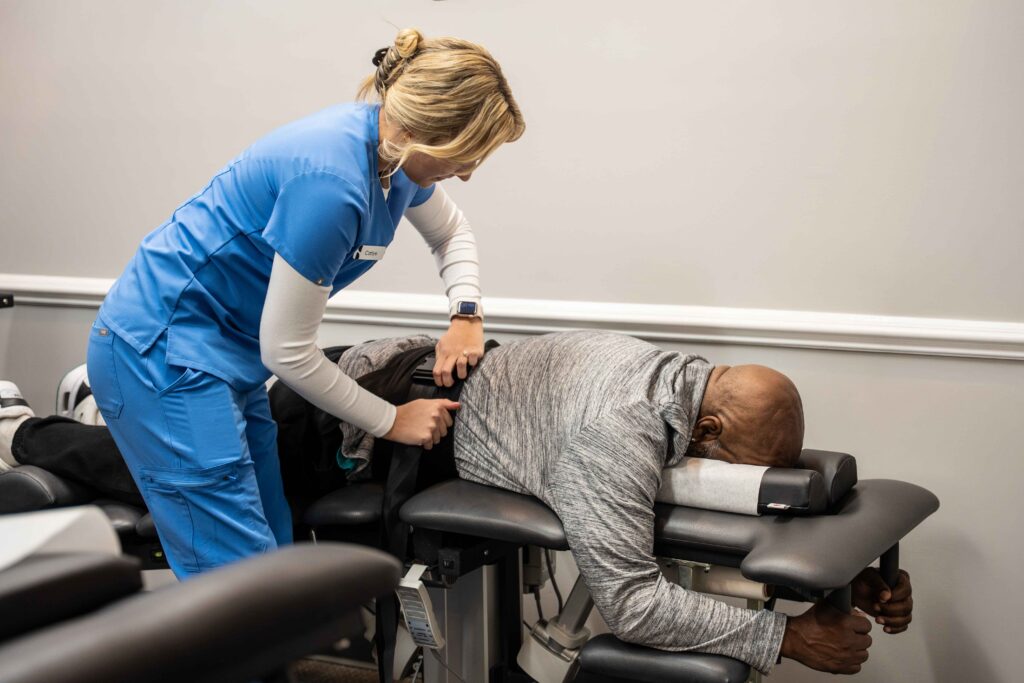

If you’ve ever dealt with upper back pain, you understand how it can disrupt your everyday activities. Fortunately, there are effective techniques to find relief, and chiropractic care stands out as a natural and holistic approach to healing. From gentle stretching exercises to personalized chiropractic adjustments, you can experience significant improvements in your comfort and mobility.
Understanding the best methods for managing your upper back pain is crucial. Chiropractic care not only addresses the symptoms but also targets the root causes of your discomfort. By aligning your spine and improving your posture, chiropractic adjustments can help restore balance to your body, promoting better overall health.
In addition to receiving chiropractic treatments, here are some simple, actionable tips you can incorporate into your daily routine to help alleviate upper back pain:
- Stretch Regularly: Incorporate gentle stretches into your day to keep your muscles flexible and reduce tension. Focus on stretches that target the upper back, shoulders, and neck.
- Maintain Good Posture: Be mindful of your posture, whether you’re sitting at a desk or standing. Keeping your spine aligned can significantly reduce strain on your upper back.
- Stay Active: Engage in regular physical activity to strengthen the muscles that support your back. Activities like walking, swimming, or yoga can be particularly beneficial.
- Use Proper Ergonomics: If you work at a computer, ensure your workstation is ergonomically sound. This means having your screen at eye level and your chair providing adequate support.
- Apply Heat or Cold: Using a heating pad or cold pack can provide temporary relief from pain and inflammation. Try alternating between the two for optimal results.
- Stay Hydrated: Drink plenty of water to keep your spinal discs hydrated, which can help prevent stiffness and pain.
- Get Adequate Sleep: Quality sleep is essential for recovery. Ensure your mattress and pillow support a healthy spine alignment.
- Consider Regular Chiropractic Visits: Regular check-ups with your chiropractor can help maintain spinal health and prevent future pain episodes.
By focusing on these techniques and making chiropractic care a part of your wellness routine, you can manage your upper back pain effectively and promote overall health. Your journey to a pain-free life is possible with the right approach to care!
Stretching Exercises
When you experience upper back pain, incorporating stretching exercises into your daily routine can be a powerful way to find relief and promote overall wellness. Stretching not only helps relieve tension but also enhances flexibility, which can significantly reduce discomfort.
Start with simple neck stretches by gently tilting your head side to side, holding each position for about 15 seconds. This helps to loosen tight muscles around your neck and upper back.
Next, try the cat-cow stretch. This movement is fantastic for enhancing spinal mobility and alleviating tightness in your back. You can also perform a doorway stretch to open up your chest and shoulders. Simply stand in a doorway, place your arms on the frame, and lean forward gently to feel a nice stretch across your chest.
Don’t overlook the seated twist, either; this stretch encourages rotation and can help release tightness in the upper back. Hold each stretch for 20-30 seconds, and remember to breathe deeply throughout each movement to enhance relaxation and effectiveness.
Consistency is key when it comes to stretching; aim to incorporate these exercises into your daily routine. By doing so, you’ll not only find relief but also help prevent future discomfort and maintain better posture.
While stretching is beneficial, remember that chiropractic care is also a vital part of achieving optimal health. A chiropractor can assess your spinal health and provide tailored adjustments to ensure your spine is functioning well, which can greatly enhance your overall wellbeing.
Strengthening Workouts
To strengthen your upper back and alleviate pain, incorporating resistance band exercises can be incredibly effective. However, it’s important to remember that the best path to optimal health often begins with chiropractic care.
Regular chiropractic adjustments can help align your spine, improve posture, and reduce discomfort, setting a strong foundation for any strengthening routine you choose to add.
In addition to chiropractic care, bodyweight strength training can also enhance your back strength and overall posture. These exercises require no equipment and can be done anywhere, making them accessible for everyone.
Simple movements like push-ups, planks, and rows can engage your upper back muscles and promote better alignment.
Remember, while strengthening your back is important, maintaining spinal health through chiropractic care can provide quicker relief from pain and support your overall wellness.
Prioritize regular visits to your chiropractor to ensure your spine is in optimal condition, and complement this care with exercises that you can easily incorporate into your daily routine.
Resistance Band Exercises
As a local chiropractor, I want to share with you how resistance band exercises can be a fantastic way to strengthen your upper back and support your overall spinal health.
These simple yet effective movements not only help alleviate pain but also promote better posture, making your daily activities more comfortable.
One excellent exercise to start with is the seated row. Sit comfortably with your legs extended in front of you, loop the resistance band around your feet, and pull the handles towards your waist.
Focus on squeezing your shoulder blades together as you pull. This movement helps improve stability in your upper back, which is essential for maintaining a healthy spine.
Another beneficial exercise is the band pull-apart. Hold the resistance band at shoulder height with both hands and gently stretch it outwards.
This exercise engages your upper back muscles and helps counteract the effects of poor posture from sitting for long periods.
Aim for 2-3 sets of 10-15 repetitions for each exercise. Incorporating these resistance band workouts into your routine can significantly enhance your spinal health and overall well-being.
Remember, regular movement is key to feeling your best, and these exercises can be easily integrated into your daily life.
While resistance band exercises are beneficial, chiropractic care stands out as the best approach for achieving optimal health.
A chiropractor can provide personalized guidance, ensuring that your spine is aligned and functioning correctly.
This natural form of healing focuses on enhancing your body’s ability to heal itself, allowing you to live a healthier, pain-free life.
Take care of your spine and consider adding these resistance band exercises to your wellness routine.
Your body will thank you!
Bodyweight Strength Training
Bodyweight strength training is a fantastic way to enhance your upper back strength without any equipment, making it ideal for those seeking natural and effective health solutions.
As a chiropractor, I believe that maintaining a strong upper back is essential for overall spinal health, helping to alleviate pain and improve posture. By incorporating these exercises into your daily routine, you can support your body’s natural healing processes and promote a healthier lifestyle.
Here are a few simple bodyweight exercises to strengthen your upper back:
- Push-ups: Not only do push-ups engage your upper back, but they also strengthen your chest and arms. This exercise can help improve your posture, which is crucial for reducing strain on your spine.
- Plank variations: These exercises not only target your core but also enhance the strength of your back muscles. A strong core supports your spine, helping to prevent injuries and maintain proper alignment.
- Supermans: To perform this exercise, lie face down and lift your arms and legs simultaneously. This movement activates the entire upper back and can help alleviate tension and discomfort.
Incorporating these bodyweight workouts into your routine can aid in relieving upper back pain and promoting balance in your musculature.
Posture Correction Techniques
While many people underestimate the impact of good posture on upper back pain, correcting your alignment can truly transform your well-being. As a chiropractor, I want to share some simple yet effective tips for improving your posture and reducing pain naturally.
First, be mindful of your posture throughout the day. When sitting, make sure your feet are flat on the floor and your back is straight against the chair. A lumbar roll or cushion can be a fantastic ally in providing support to your lower back, helping you maintain a healthy spine.
When standing, focus on distributing your weight evenly across both feet. Keep your shoulders back and relaxed to avoid unnecessary strain. It’s important to steer clear of slouching or leaning forward, especially when using devices like your phone or computer.
Incorporating regular posture checks into your daily routine can work wonders. Setting reminders to adjust your posture every hour can help you develop a habit of maintaining proper alignment.
Additionally, consider practicing simple exercises like wall angels or chin tucks. These movements can strengthen the muscles that support your spine and enhance your overall posture.
By making these adjustments and prioritizing your spinal health, you can significantly reduce upper back pain and improve your quality of life.
Heat Therapy
When dealing with upper back pain, heat therapy can be a comforting and effective solution, complementing the benefits of chiropractic care. Applying heat helps to increase blood flow to the affected area, relax tight muscles, and alleviate discomfort, all of which can enhance your overall wellness.
Here are some simple options for using heat therapy that can work hand-in-hand with your chiropractic treatment:
- Heating Pad: An electric heating pad allows you to easily control the temperature, providing consistent warmth that can help relieve tension in your upper back.
- Warm Bath or Shower: Immersing yourself in warm water can ease tension and promote relaxation, making it a perfect addition to your self-care routine.
- Hot Stone Massage: This technique provides the dual benefit of warming the muscles and delivering a soothing massage, which can enhance your chiropractic adjustments.
When using heat therapy, remember to apply it for 15-20 minutes at a time. To protect your skin, make sure to place a towel or cloth between the heat source and your skin to prevent burns.
In addition to heat therapy, consider regular chiropractic adjustments to address the root cause of your pain and promote optimal spinal health. Chiropractic care focuses on natural healing and can help improve your body’s function, leading to long-term relief and a healthier lifestyle.
Always listen to your body, and reach out to your chiropractor for personalized advice and support in your journey to wellness.
Cold Therapy
When you’re experiencing upper back pain, cold therapy can be a fantastic tool in your recovery journey. Applying an ice pack can help reduce inflammation and numb discomfort, providing a soothing relief. However, it’s essential to be mindful of how long and how often you use cold therapy to avoid any skin damage.
In addition to cold therapy, consider incorporating chiropractic care into your wellness routine. Chiropractors are experts in spinal health and can help address the underlying causes of your pain, ensuring a holistic approach to healing. Regular chiropractic adjustments can enhance your overall well-being and promote natural healing in your body.
Here are a few general tips to complement your cold therapy and chiropractic visits:
- Stay Active: Gentle stretches and low-impact exercises can maintain mobility and reduce stiffness in your back.
- Posture Awareness: Pay attention to your posture, especially if you spend long hours sitting. Good posture can prevent tension in your upper back.
- Hydrate: Drinking plenty of water helps keep your muscles hydrated and can aid in the healing process.
- Heat Therapy: After the initial cold therapy, consider using heat (like a warm towel) to help relax the muscles and improve blood flow.
Always remember, your chiropractor is your ally in achieving optimal health and wellness. By working together, you can find the best strategies to relieve your upper back pain and enhance your quality of life.
Ice Pack Application
Applying an ice pack to your upper back can be a helpful method for alleviating pain and inflammation. Cold therapy is a natural way to numb the area, providing immediate relief while also constricting blood vessels to reduce swelling.
Here’s how to effectively use an ice pack as part of your wellness routine:
- Wrap the ice pack: Always wrap the ice pack in a thin towel before applying it to your skin. This simple step protects your skin from frostbite and allows you to enjoy the benefits of cold therapy safely.
- Find a comfortable position: Whether you choose to lie down or sit in a supportive chair, make sure your upper back is easily accessible and relaxed. Comfort is key to effectively applying the ice pack.
- Target the painful area: Place the pack directly on the spot that feels the most uncomfortable. Allow the cold to work its magic for about 15-20 minutes. This can help ease the discomfort and promote natural healing.
Incorporating ice pack therapy into your routine can be a straightforward yet powerful addition to your upper back pain relief strategy.
Remember, while ice therapy can offer temporary relief, regular chiropractic care is essential for addressing the underlying issues in your spine and promoting long-term health.
A chiropractor can guide you through tailored exercises, provide spinal adjustments, and help you achieve optimal wellness naturally.
Embrace the journey to a healthier, pain-free life with chiropractic care!
Duration and Frequency
How long should you use cold therapy for upper back pain? As a chiropractor, I often recommend using ice to help manage pain and reduce inflammation. The best approach is to apply ice for about 15 to 20 minutes at a time. This duration allows the cold to numb the area and minimize swelling without risking skin damage.
Remember to take breaks between applications; it’s ideal to wait at least 30 to 60 minutes before applying ice again. You can repeat this process several times a day, especially within the first 48 hours after experiencing pain or injury.
While cold therapy can be very effective, it’s important to listen to your body. If you notice any adverse reactions, such as increased pain or skin irritation, it’s best to stop using the cold therapy right away. Consistency is essential for your recovery, but moderation is key to ensure you’re aiding your healing process, not hindering it.
Additionally, incorporating regular chiropractic care can significantly enhance your recovery and overall wellness. Chiropractors focus on the spine and musculoskeletal system, helping to ensure proper alignment and function. This can lead to better healing and improved mobility.
Along with cold therapy, consider visiting a chiropractor to address the root of your upper back pain and develop a comprehensive plan for lasting relief and health. Remember, a natural approach to wellness can be incredibly empowering in your journey towards optimal health!
Massage Therapy
Massage therapy is often underestimated, yet it can be an effective way to alleviate upper back pain. While it offers benefits like reducing muscle tension and improving blood circulation, it’s important to consider chiropractic care as the primary option for achieving optimal health and long-term relief.
Here’s how chiropractic care can help with upper back pain:
- Targeted Adjustments: Chiropractors specifically locate misalignments in your spine that may be contributing to your pain. By realigning your spine, you can relieve pressure on nerves and improve overall function.
- Enhanced Flexibility: Regular chiropractic adjustments can’t only relieve discomfort but also enhance your flexibility, making it easier for you to move without pain. This is crucial for maintaining an active lifestyle.
- Stress Reduction: Chiropractic care promotes relaxation and helps lower stress levels. This is important since stress can contribute to muscle tension and exacerbate pain.
Incorporating chiropractic adjustments into your routine can lead to lasting relief from upper back pain. You don’t have to wait until the pain is unbearable to seek help. Regular visits to a chiropractor can help maintain spinal health and prevent future issues.
In addition to chiropractic care, here are some general tips to support your upper back health:
- Maintain Good Posture: Pay attention to your posture when sitting or standing to reduce strain on your back.
- Stay Active: Engage in regular physical activity to strengthen your back muscles and improve flexibility.
- Use Ergonomic Furniture: Invest in ergonomic chairs and desks if you spend long hours at a computer to support your spine.
Ergonomic Adjustments
To alleviate upper back pain, making ergonomic adjustments in your workspace is essential. As a chiropractor, I understand the importance of a well-designed environment for your spinal health.
Begin by optimizing your desk setup; ensure your chair is at the right height to support your lower back. Position your monitor at eye level to prevent straining your neck and back. These small adjustments can significantly improve your comfort throughout the day and support your overall well-being.
Additionally, consider incorporating regular movement into your routine. Standing up, stretching, or taking short walks can help relieve tension and promote better spinal alignment.
Desk Setup Optimization
When you spend long hours at a desk, optimizing your setup is essential for preventing upper back pain and promoting overall spinal health. As a chiropractor, I want to share some valuable tips that can help you create a workspace that supports your well-being and reduces discomfort.
Start by ensuring your monitor is at eye level. This positioning helps prevent neck strain, which can lead to tension in your upper back. Your keyboard and mouse should be close enough to your body so you can use them comfortably without reaching too far. This is key to maintaining a relaxed posture and reducing the risk of pain.
Here are some important adjustments to consider:
- Monitor Position: Place your screen about an arm’s length away, with the top of the screen at or slightly below eye level. This alignment helps reduce strain on your neck and promotes good posture.
- Keyboard Placement: Keep your keyboard flat on the desk, allowing your forearms to be parallel to the ground. This position helps keep your wrists in a neutral position, reducing the risk of strain.
- Lighting: Use adequate lighting to minimize glare on your screen. Proper lighting can help reduce eye strain, which often contributes to tension in the neck and shoulders.
Incorporating these simple adjustments into your workspace can significantly improve your comfort and support your spinal health.
Chair Height Adjustment
Adjusting your chair height isn’t just about comfort; it’s a crucial step to support your spinal health and overall wellness. Proper chair height helps maintain good posture, which is vital for preventing back pain and discomfort. When your chair is set correctly, your feet should rest flat on the floor, and your knees should be at or slightly below hip level. This positioning allows your weight to be distributed evenly across your body, reducing strain on your spine.
If your chair is too low, you may find yourself hunching forward, which can lead to upper back pain and discomfort. On the other hand, if your chair is too high, your legs may dangle, creating tension in your hips and lower back.
To achieve the right chair height, simply adjust your chair and sit back against the backrest. Ensure that your elbows are at a 90-degree angle while typing to promote a relaxed posture.
Remember, maintaining a healthy workspace is key to supporting your spine and overall health. If you experience persistent discomfort, chiropractic care offers a natural and effective way to alleviate pain and promote wellness.
Regular adjustments can help maintain spinal alignment and improve posture, contributing to a healthier, more comfortable work environment. Prioritize your spinal health by making these simple adjustments today!
Monitor Positioning Guidelines
One of the key factors in maintaining a healthy workspace and supporting your spine is proper monitor positioning. If your monitor isn’t set up correctly, it can lead to strain on your upper back and neck, resulting in discomfort that may require chiropractic care for relief.
Here are some simple guidelines to help you optimize your setup and promote better spinal health:
- Eye Level: Ensure that the top of your monitor is at or slightly below eye level. This helps you avoid leaning forward, which can strain your neck and back. A neutral head position is essential for spinal alignment.
- Distance: Position your monitor about an arm’s length away from you. This distance not only helps reduce eye strain but also encourages a relaxed posture, which is vital for overall wellness.
- Tilt: Angle the monitor slightly backward (10-20 degrees). This adjustment helps maintain a neutral neck position, reducing the risk of discomfort and promoting better spinal alignment.
Remember, taking care of your workspace is an important part of your overall health. If you experience persistent discomfort, consider visiting a chiropractor who can provide natural healing and wellness strategies tailored to your needs.
Mindfulness and Relaxation Techniques
Managing upper back pain can be challenging, but incorporating mindfulness and relaxation techniques can be a powerful addition to your wellness routine. By focusing on the present moment, you can help alleviate stress and tension in your body, which is essential for maintaining a healthy spine.
One effective method to start with is deep breathing exercises. Take a moment to inhale slowly through your nose, hold for a few seconds, and then exhale gently through your mouth. This practice not only calms your mind but also helps ease muscle tightness in your upper back, promoting overall comfort.
Progressive muscle relaxation is another technique that can be beneficial. Begin by tensing and then relaxing each muscle group, starting from your toes and moving up to your neck and shoulders. This approach increases your awareness of physical tension and encourages relaxation, which can complement the benefits of chiropractic adjustments.
Consider incorporating guided imagery or meditation into your routine as well. Visualizing peaceful scenes can help distract your mind from discomfort and enhance your emotional well-being. Utilizing these techniques alongside regular chiropractic care can lead to a noticeable reduction in upper back pain and contribute to a healthier lifestyle.
Remember, chiropractic care is a natural and effective way to address pain and promote overall wellness. By focusing on spinal health and utilizing these mindful practices, you can take charge of your well-being and achieve optimal health without the need for medications or invasive procedures.
Keep these tips in mind as you work towards a pain-free life!
Regular Physical Activity
Engaging in regular physical activity is crucial for managing upper back pain and enhancing your overall health. Staying active not only strengthens the muscles that support your spine but also improves flexibility and boosts circulation, all of which can help alleviate pain naturally.
While there are various ways to stay fit, I want to share some activities that can complement chiropractic care and promote your wellness journey:
- Walking or Jogging: These simple yet effective activities not only promote cardiovascular health but also engage your back muscles, helping to relieve tension and discomfort. Aim for 20-30 minutes of walking or jogging a few times a week to keep your spine healthy.
- Yoga or Pilates: Both practices focus on core strength and flexibility. They help relieve tension, improve posture, and create a sense of relaxation. Many patients find that incorporating yoga or Pilates into their routine enhances the benefits of chiropractic adjustments.
- Strength Training: Focusing on your upper back and shoulders with resistance exercises can provide essential support and stability. Utilizing light weights or resistance bands can help you build strength without putting undue stress on your spine.
In addition to these activities, remember to listen to your body and consult with your chiropractor for personalized advice. They can guide you on the best exercises tailored to your needs and help you achieve optimal health without the need for medications or surgeries.
Stay consistent, and you’ll be on your way to a stronger, healthier back!
Professional Treatment Options
When upper back pain becomes persistent or severe, seeking professional treatment options can provide significant relief and improve your overall well-being. As a chiropractor, I want to emphasize the benefits of chiropractic care as a natural and effective solution for managing pain and promoting optimal health.
Visiting a chiropractor can make a world of difference. Through hands-on adjustments, we can realign your spine, helping to alleviate discomfort and restore proper function. These adjustments not only relieve pain but also enhance your body’s ability to heal itself naturally.
In addition to spinal adjustments, chiropractic care often includes personalized advice on strengthening your back and improving flexibility. Simple exercises and stretches can be incorporated into your daily routine to enhance your recovery and prevent future pain.
It’s important to listen to your body. If you’re experiencing persistent pain, consider keeping a journal of your symptoms and activities. This can help identify triggers and factors contributing to your discomfort, allowing you to make informed decisions about your care.
As you explore options for relief, remember that chiropractic care focuses on treating the root cause of your pain rather than just masking symptoms. This holistic approach can lead to long-lasting improvement in your health and quality of life.
To enhance your well-being further, consider incorporating healthy lifestyle habits such as maintaining good posture, staying active, and practicing stress-relief techniques like deep breathing or yoga.
By choosing chiropractic care, you’re taking a proactive step towards achieving a pain-free life and embracing a healthier lifestyle. Always consult with a qualified chiropractor to discuss your specific needs and develop a tailored treatment plan that works for you.