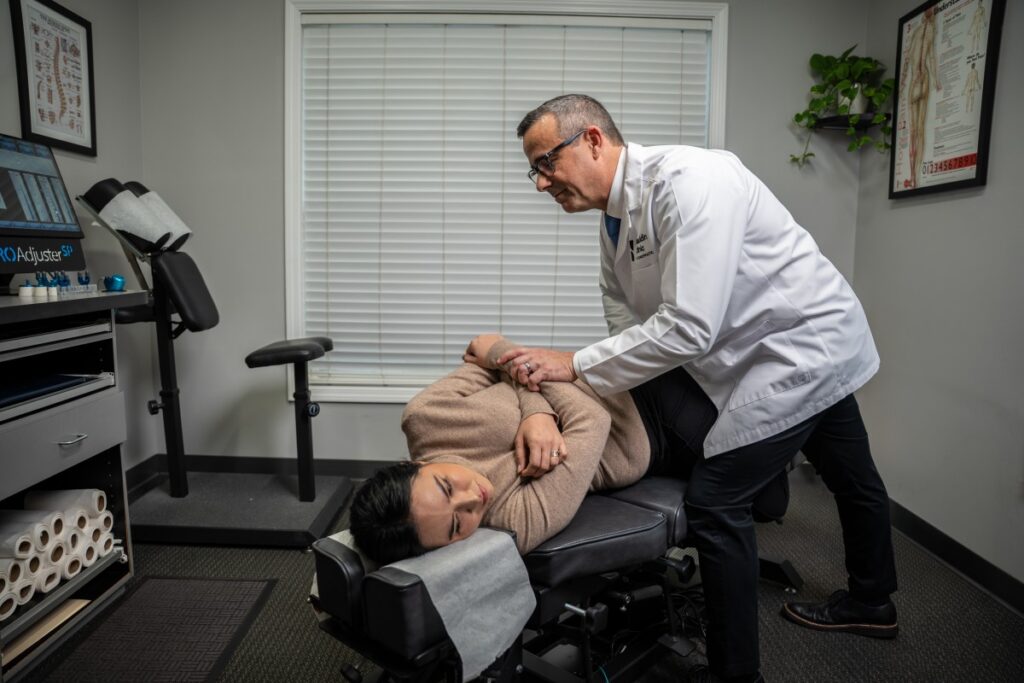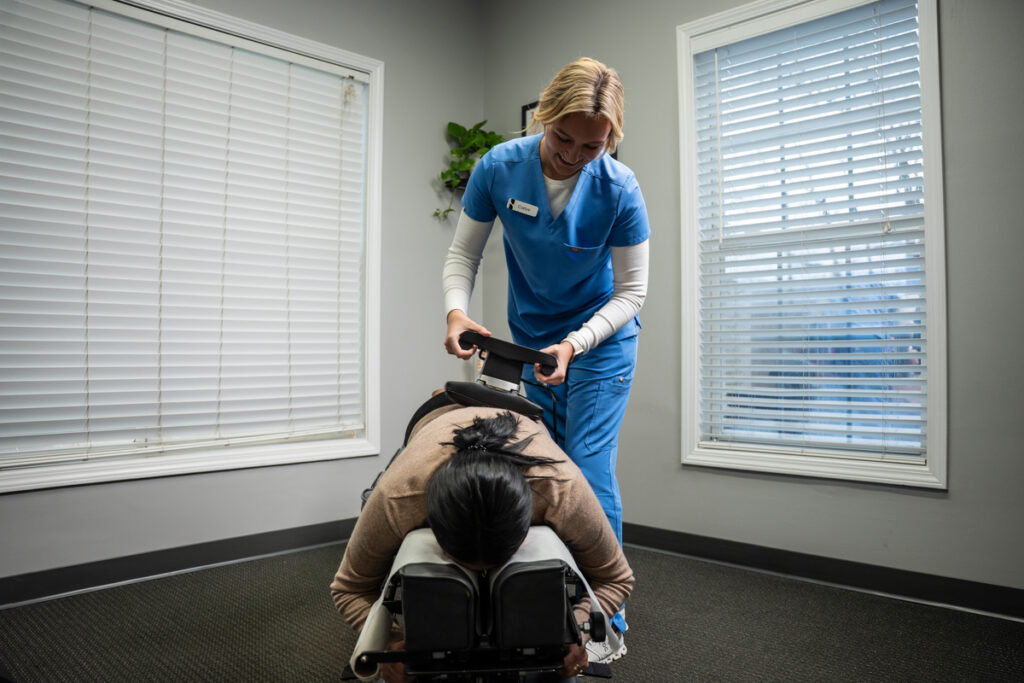

As a local chiropractor, I want to share some insights on how simple adjustments can significantly alleviate back pain. Many of my patients are often surprised to learn that optimizing your workspace and improving your posture can yield substantial relief from discomfort.
For instance, making small changes—like adjusting the height of your chair or the position of your monitor—can provide much-needed support for your spine. These adjustments are not merely about comfort; they play a crucial role in maintaining spinal health and preventing further issues.
However, the benefits of chiropractic care extend beyond just these adjustments. It’s important to understand that a holistic approach to your well-being can greatly enhance your quality of life. Regular chiropractic visits, along with proper posture and ergonomics, can help keep your spine aligned and functioning optimally.
Let’s delve deeper into how these adjustments work and explore additional strategies you can incorporate into your daily routine to promote better health and alleviate back pain. Your journey towards a pain-free life starts with understanding the connection between your daily habits and your spinal health.
Understanding the Causes of Back Pain
As a local chiropractor, I want to help you understand the various causes of back pain, which is crucial for effective treatment and prevention. Many people experience discomfort due to muscle strain, often resulting from lifting heavy objects or maintaining poor posture while sitting or standing.
If you’ve been leading a sedentary lifestyle, your muscles may weaken over time, making them more susceptible to pain when you finally resume physical activity.
Additionally, certain medical conditions such as herniated discs, arthritis, or spinal stenosis can significantly contribute to your discomfort. It’s important to remember that stress and emotional factors can also play a role; the tension you carry can manifest as physical pain in your back.
Furthermore, carrying excess weight can put additional strain on your spine, exacerbating any existing issues.
Identifying the specific cause of your back pain is vital. This understanding allows us to tailor a treatment plan that addresses your individual needs, using natural healing methods.
The Importance of Ergonomics in Daily Life
As a local chiropractor, I want to emphasize the significant role that ergonomics plays in your daily activities and overall well-being. Many people overlook how their workspace and daily habits can contribute to discomfort, especially back pain.
By making a few adjustments to your office setup, practicing proper posture techniques, and investing in ergonomic furniture, you can greatly alleviate those pesky aches and improve your comfort.
Let’s discuss how these adjustments can positively impact both your work and home environments. Understanding the principles of ergonomics not only helps in reducing pain but also enhances your productivity and quality of life.
Together, we can create a healthier routine that supports your spine and promotes natural healing.
Office Setup Optimization
As a local chiropractor, I want to emphasize the importance of having a well-optimized office setup for your overall health and wellness. An ergonomic workspace not only helps to reduce discomfort but also enhances your productivity.
Here are some key elements to consider for your office setup:
- Chair Height: It’s crucial to adjust your chair so that your feet rest flat on the floor. This positioning helps ensure your knees are at a 90-degree angle, which supports proper alignment of your spine.
- Desk Height: Your desk should be at a height that allows your elbows to remain at a comfortable angle while typing, ideally between 90 to 100 degrees. This adjustment can prevent unnecessary strain on your shoulders and neck.
- Monitor Position: Position your monitor about an arm’s length away from you. The top of the screen should be at or slightly below your eye level. This placement is vital for minimizing neck strain and maintaining good posture during long work hours.
- Keyboard and Mouse: Keep your keyboard and mouse close enough to prevent excessive reaching. It’s important to maintain straight wrists while using these devices to avoid strain and potential injuries.
By focusing on these aspects of your workspace, you can support your body’s natural alignment and enhance your overall well-being while working.
Proper Posture Techniques
As a local chiropractor dedicated to your health and well-being, I want to share some key insights about the importance of maintaining proper posture in your daily life. Good posture isn’t just about looking confident; it plays a critical role in preventing discomfort and supporting your overall health.
When you’re sitting or standing, imagine keeping your shoulders back and your spine aligned, as if there’s an invisible string pulling from the top of your head down to your heels. This alignment helps distribute your body weight evenly and reduces strain on your muscles and joints.
If you’re sitting, ensure your feet are flat on the floor and your knees are at or slightly below hip level. This position helps maintain the natural curvature of your spine. For those who spend a lot of time at a computer, it’s crucial to position your screen at eye level. This adjustment can significantly reduce neck strain, which is a common issue I see in my practice.
I encourage you to take regular breaks—aim for every hour—to stretch and reset your posture. Simple movements can invigorate your body and prevent stiffness.
And when it comes to lifting objects, always bend at your knees and keep the load close to your body. This technique is vital for protecting your back and preventing injury.
By incorporating these straightforward posture techniques into your daily routine, you can greatly minimize the risk of back pain and enhance your overall health.
Ergonomic Furniture Benefits
As a local chiropractor, I want to emphasize the importance of incorporating ergonomic furniture into your workspace to support your overall health and well-being.
Many patients aren’t aware that the right furniture can significantly aid in maintaining proper posture and alleviating back pain. Here are some key benefits to consider:
- Improved Posture: Ergonomic chairs and desks are specifically designed to promote natural spine alignment, which is essential for maintaining a healthy posture while you work.
- Reduced Strain: Furniture that’s thoughtfully designed can help minimize the strain on your back and neck, reducing the risk of discomfort and injury.
- Enhanced Productivity: When you’re comfortable in your workspace, you’re more likely to experience increased focus and efficiency, allowing you to complete tasks more effectively.
- Customization: Many ergonomic options are adjustable, meaning you can tailor them to fit your unique body shape and preferences, ensuring maximum support throughout your workday.
Strengthening Exercises for a Healthier Back
As your local chiropractor, I want to emphasize the importance of strengthening exercises for maintaining a healthy back.
By focusing on exercises that enhance core stability, flexibility, and posture, you can significantly reduce discomfort and improve how your body functions overall.
It’s essential to incorporate these elements into your daily routine for long-lasting benefits.
Let’s discuss some effective techniques that can help you build a stronger back and support your overall well-being.
Your journey to a healthier back starts with understanding the right exercises and their impact on your body!
Core Stability Exercises
As a local chiropractor, I want to share with you the importance of core stability in maintaining a healthy spine and alleviating back pain.
Many people may not realize that the core isn’t just about abdominal strength; it involves a network of muscles that support your back and overall posture. Strengthening these muscles can significantly reduce discomfort and promote better spinal health.
Here are four essential core stability exercises that I recommend incorporating into your routine:
- Planks: This exercise is excellent for building strength in your abdominals and lower back. By holding a plank position, you engage multiple muscle groups, which helps stabilize your spine.
- Dead Bugs: While lying on your back, extend one arm and the opposite leg simultaneously. This exercise not only enhances stability but also improves coordination. Alternate sides to ensure balanced strength development.
- Bird Dogs: Start from a tabletop position, then extend one arm in front and the opposite leg behind you. This movement requires balance and engages your core, helping to improve your overall stability and coordination.
- Bridge: Lying on your back with your knees bent, lift your hips off the ground while engaging your glutes and core. This exercise strengthens the lower back and pelvis, providing support to your spine.
By integrating these core stability exercises into your daily routine, you can create a strong foundation that contributes to a pain-free back and promotes overall wellness.
Stretching for Flexibility
As a local chiropractor, I want to emphasize the importance of building a strong core as it plays a vital role in enhancing your flexibility, which is crucial for maintaining a healthy back.
Many of my patients find that incorporating regular stretching into their routines significantly improves their range of motion and reduces stiffness, making everyday tasks feel much easier.
Before engaging in any physical activity, I recommend dynamic stretches to warm up your muscles.
Afterward, static stretches are essential for cooling down and maximizing the benefits of your workout.
Some effective stretches include the cat-cow, child’s pose, and spinal twists, which are excellent for alleviating tension in your back.
Aim to hold each stretch for about 15-30 seconds while breathing deeply to promote relaxation.
It’s important to listen to your body; if you feel pain, don’t push through it.
By committing to a regular stretching routine, you’ll not only enhance your flexibility but also support your overall spinal health.
Remember, maintaining a flexible back can help prevent future injuries and greatly improve your quality of life.
As your chiropractor, I’m here to guide you on this journey toward better health and wellness through natural healing practices.
Posture Improvement Techniques
As a chiropractor dedicated to promoting natural healing and overall wellness, I want to emphasize that good posture isn’t something that occurs spontaneously; it requires conscious effort and specific exercises to develop and maintain strength in your back muscles.
Here are four effective techniques that I recommend incorporating into your daily routine to enhance your posture:
- Plank: This exercise is fantastic for engaging your core and back muscles, which is essential for promoting stability and maintaining proper alignment throughout your body.
- Bird-Dog: By alternating arm and leg extensions, this exercise not only improves your balance but also strengthens your lower back, which is crucial for a healthy posture.
- Wall Angels: Standing against a wall, you can slide your arms up and down to enhance mobility in your shoulders. This exercise helps to open up your chest and encourages better posture.
- Bridges: Lying on your back, lifting your hips engages your glutes and lower back muscles. This action is vital for supporting spinal alignment and reducing strain on your back.
Incorporating these exercises into your routine can significantly improve your posture and overall well-being.
If you’re interested in more personalized guidance, feel free to reach out for a consultation!
Mindful Movement Techniques to Reduce Strain
As a local chiropractor, I want to emphasize the importance of incorporating mindful movement techniques into your daily routine to help reduce back strain.
It’s essential to start by tuning in to your body as you move. Pay attention to how each motion impacts your back, and be willing to make adjustments as needed. Simple practices like yoga and tai chi are excellent options; they not only promote flexibility and strength but also foster a heightened awareness of your posture.
When you’re walking, focus on your breath and the rhythm of your steps. Engaging your core muscles is vital, as they provide support to your spine, allowing you to maintain an upright position. Avoid rushing; instead, take your time and move deliberately, enabling your body to align naturally.
Incorporating gentle stretching into your day—especially after long periods of sitting—can be highly beneficial. These stretches help relieve tension and improve circulation throughout your body.
Remember, consistency is crucial. By regularly practicing these mindful movements, you can’t only alleviate back pain but also enhance your overall well-being.
Adopting a more intentional approach to movement can lead to a healthier back and a more balanced life. As your chiropractor, I encourage you to explore these techniques to support your journey toward optimal health.
Proper Lifting Techniques to Prevent Injury
As a local chiropractor dedicated to promoting your well-being, I want to share some essential lifting techniques that can help prevent injuries, particularly when it comes to handling heavy objects.
Incorporating these practices into your daily routine can significantly reduce the risk of back pain, which is something I see often in my practice.
- Position Your Feet: Start by standing with your feet shoulder-width apart. This stable base is crucial for maintaining balance and support while lifting.
- Bend at Your Hips and Knees: When preparing to lift, squat down by bending at your hips and knees. It’s important to keep your back straight throughout this movement to avoid unnecessary strain.
- Keep the Load Close: Once you have a good grip on the object, pull it close to your body. This reduces the leverage on your back and helps distribute the weight more evenly.
- Lift with Your Legs: As you lift, focus on straightening your legs rather than bending your back. This technique allows the strong muscles in your legs to do the work, minimizing the risk of injury.
Also, make sure to avoid twisting your body while lifting, as this can lead to muscle strain.
By adopting these proper lifting techniques, you not only protect your back but also enhance the efficiency of your lifting.
Remember, taking preventative measures is key to maintaining a healthy back and overall wellness.
If you have any questions or need further guidance, I’m here to help you on your journey to natural healing!
The Role of Stretching in Back Pain Relief
As a local chiropractor, I want to emphasize the significant role that stretching can play in relieving back pain. Many patients may not realize that regular stretching is crucial for enhancing flexibility and easing muscle tension.
When you incorporate stretching into your daily routine, you’re not only improving your range of motion but also promoting better blood flow to your muscles. This increased circulation is essential for healing and can help prevent the stiffness that often leads to discomfort.
I encourage you to focus on stretching the muscles that support your spine, particularly the lower back, hamstrings, and hip flexors. These areas tend to become tight and can contribute to your pain. Simple stretches, such as the cat-cow or child’s pose, can be incredibly beneficial in this regard.
It’s important to listen to your body while stretching. Avoid pushing yourself too hard; instead, gradually increase the intensity and duration of your stretches. By making stretching a regular part of your routine, you’ll find it easier to manage and alleviate your back pain effectively.
Creating a Supportive Sleep Environment
As a local chiropractor, I want to emphasize how crucial it’s to create a supportive sleep environment, especially for those managing back pain.
Quality sleep is integral to your body’s healing process, so let’s explore how to optimize your sleeping space to support your recovery.
- Choose the Right Mattress: It’s important to select a medium-firm mattress. This type of mattress offers the right balance of support and comfort, helping to maintain your spine’s natural curvature while you sleep.
- Use Supportive Pillows: The right pillow plays a vital role in keeping your neck aligned with your spine, which can relieve tension and discomfort. If you’re a side sleeper, a thicker pillow may be beneficial, while back sleepers typically require a thinner option to maintain proper alignment.
- Maintain a Comfortable Temperature: A cool bedroom environment can significantly enhance your sleep quality. Aim to keep your room at a comfortable temperature, ideally between 60-67°F (15-19°C), which is conducive to restful sleep and can aid in reducing pain.
- Limit Light and Noise: Creating a peaceful atmosphere is essential for quality sleep. Consider investing in blackout curtains to block out external light, and you may find a white noise machine helpful in masking disruptive sounds.
By focusing on these elements in your sleep environment, you can improve your overall well-being and aid your body’s natural healing process.
As always, if you have specific concerns about your back pain or sleep quality, please feel free to reach out for personalized advice.
Conclusion
As a local chiropractor, I want to share with you how simple adjustments in your daily life can significantly alleviate back pain and enhance your overall well-being. First and foremost, it’s essential to prioritize ergonomics in your workspace—this means setting up your desk and chair to support your spine properly. Additionally, incorporating strengthening exercises into your routine can help fortify the muscles that support your back.
It’s also important to practice mindful movement throughout your day, paying attention to how you lift, bend, and sit. Regular stretching can do wonders for your flexibility and help relieve tension in your back. Moreover, creating a comfortable sleep environment is crucial for recovery; make sure your mattress and pillows support proper spinal alignment.
By adopting these strategies, you can not only alleviate discomfort but also foster a healthier, pain-free lifestyle. Remember, your back health is in your hands—take charge today! If you have any questions about how chiropractic care can further assist you on this journey, don’t hesitate to ask.