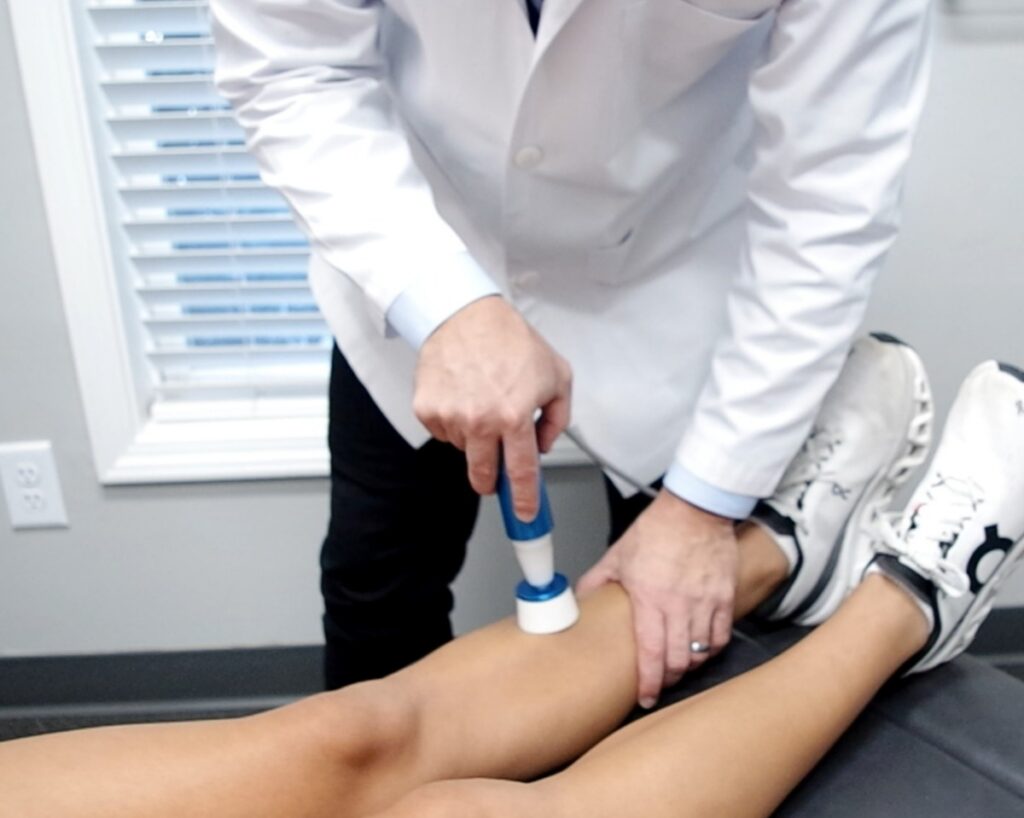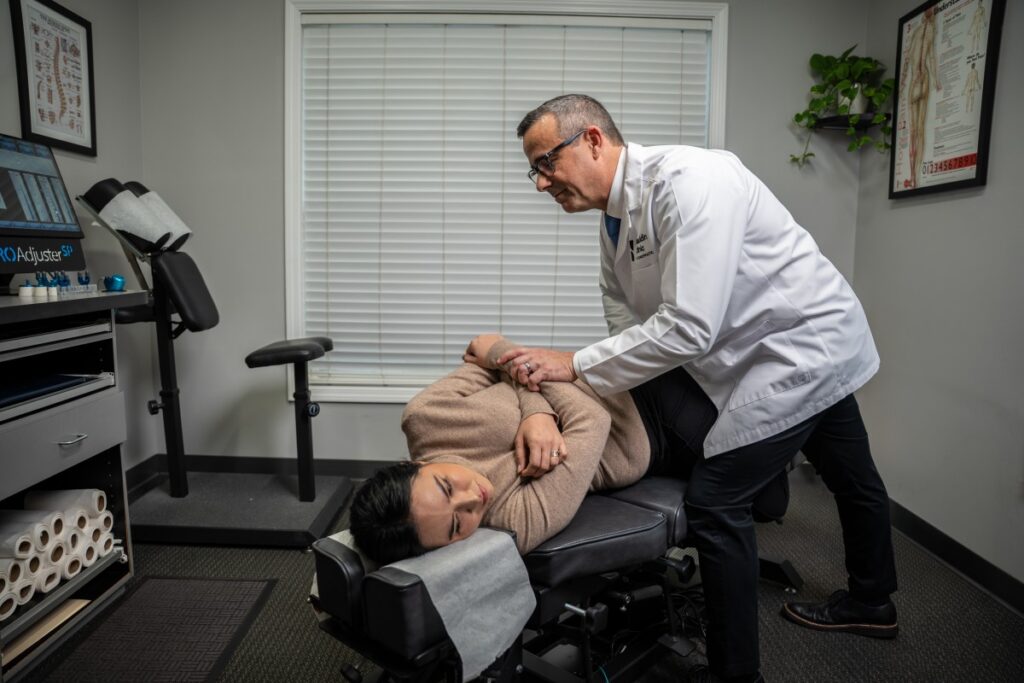

As a local chiropractor, I want to emphasize the importance of joint flexibility and movement for your overall health and well-being. Understanding your current flexibility levels can be a crucial step toward enhancing your mobility and reducing discomfort. That’s why I encourage you to take a moment to engage in a quiz designed to assess your flexibility and identify factors that may be impacting your movement.
This interactive approach not only highlights various exercises tailored for improvement but also sheds light on how nutrition plays a vital role in maintaining healthy joints. By participating, you’ll gain valuable insights into how chiropractic care and natural healing can support your body’s ability to move freely.
Are you ready to discover just how flexible you are and learn how to improve it? Your journey toward better joint health starts here!
Understanding Joint Flexibility
As a chiropractor, I want to help you understand the importance of joint flexibility and how it plays a vital role in your overall health and wellness.
Joint flexibility refers to the range of motion your joints can achieve during movement, and it’s crucial for performing everyday activities as well as engaging in physical exercise. When your joints move freely, you not only enhance your physical performance but also significantly reduce the risk of injuries.
Several factors can influence your joint flexibility, including your age, genetics, and the frequency with which you stretch. You may have noticed that some joints, such as your shoulders and hips, have a wider range of motion compared to your knees. This variation is completely normal, but it highlights the importance of regular stretching and mobility exercises to improve your flexibility over time.
I encourage you to pay close attention to how your body feels during different movements. If you experience discomfort, it may indicate tightness or limitations in your joints. By recognizing these signs, you can better understand your own joint flexibility and work to address any limitations.
This understanding will allow you to tailor your fitness routine to include exercises that promote mobility and flexibility, ultimately helping you maintain an active and healthy lifestyle.
Embrace the journey toward enhancing your flexibility, as it can lead to better movement and overall well-being.
As your chiropractor, I’m here to support you on this path to natural healing and improved joint function.
The Importance of Joint Mobility
As a chiropractor, I often see patients who focus heavily on building strength and endurance, but it’s crucial to also prioritize joint mobility.
Joint mobility is vital for allowing you to move freely and effortlessly, which is essential for optimal physical performance. When your joints are mobile, you not only minimize the risk of injury, but you also enhance your ability to carry out daily activities with ease.
Improving your joint mobility can lead to better posture and alignment, which are key in preventing unnecessary strain on your muscles and ligaments.
Additionally, maintaining healthy joint mobility supports circulation, ensuring that essential nutrients and oxygen reach the tissues that sustain your joints.
Incorporating mobility exercises into your daily routine can significantly increase your range of motion, making your movements smoother and more efficient.
You’ll notice that improved joint mobility not only boosts your physical activities but also encourages a more active and fulfilling lifestyle.
By prioritizing joint mobility, you can enjoy lasting benefits that positively impact your overall health and well-being.
As your chiropractor, I’m here to help guide you on this journey to better joint health through natural healing practices.
Common Factors Affecting Flexibility
As a local chiropractor dedicated to your well-being, I want to share some insights about what influences your flexibility, which is crucial for maintaining optimal joint mobility. One of the most significant factors is age; as we grow older, our muscles and connective tissues can lose their elasticity, which often leads to decreased flexibility.
Another important aspect is genetics; some individuals are naturally predisposed to having more flexible joints, while others may find it more challenging. Your level of physical activity is also incredibly important. Engaging in regular stretching exercises and staying active can greatly enhance your flexibility, whereas a sedentary lifestyle can contribute to stiffness and reduced mobility.
Additionally, the temperature of your muscles plays a key role in their pliability. Warming up properly before stretching can significantly improve your range of motion. Don’t forget about hydration—keeping your body well-hydrated can help ensure your muscles remain flexible and responsive.
Lastly, it’s essential to consider that injuries or medical conditions, such as arthritis, can severely impact your flexibility. By understanding these factors, you can take proactive steps toward enhancing your joint flexibility and overall movement.
At my practice, I’m here to support you in this journey through natural healing techniques and personalized care. Let’s work together to keep you moving freely and comfortably!
Assessing Your Current Joint Flexibility
As a local chiropractor, I want to help you understand your current level of joint flexibility, which is vital for assessing your body’s overall health and mobility.
Here are three straightforward methods you can try at home to evaluate your flexibility:
- Sit and Reach Test: Begin by sitting on the floor with your legs extended in front of you. Gently reach forward toward your toes, and see how far you can go. Measuring the distance you can reach will give you valuable insight into the flexibility of your hamstrings and lower back. This is a great indicator of your body’s readiness for movement.
- Shoulder Flexibility Test: Stand upright and attempt to touch your hands together behind your back. One arm should come from above, while the other comes from below. If you find it difficult to touch your fingers together, take note of how far apart they are. This can reveal important information about your shoulder flexibility and overall upper body mobility.
- Hip Flexor Test: Lie flat on your back and pull one knee toward your chest while keeping your other leg straight. Pay attention to how far the straight leg stays from the floor. This observation will help you understand the flexibility of your hip flexors, which play a crucial role in many daily activities.
By performing these tests, you can gain a clearer picture of your joint flexibility. Understanding your body’s capabilities and limitations is an essential step toward natural healing and maintaining your overall well-being.
If you have any questions or need further guidance, feel free to reach out!
Exercises to Improve Joint Movement
As your local chiropractor, I want to help you understand how to enhance your joint movement through some effective exercises.
Focusing on dynamic stretching techniques, strengthening your supporting muscles, and incorporating mobility training routines can significantly improve your flexibility and overall movement.
Dynamic stretching is a great way to prepare your joints for activity. It involves controlled movements that increase your range of motion and warm up your muscles. This technique can help reduce the risk of injury and improve your performance in daily activities and exercise.
Additionally, strengthening the muscles that support your joints is crucial. When these muscles are strong, they provide better stability and support, allowing your joints to move more freely and efficiently. Targeted exercises can help build strength in these areas, resulting in improved joint function.
Lastly, practicing mobility training routines can further enhance your joint movement. These routines focus on the natural range of motion of your joints, helping to maintain and improve flexibility. By incorporating these practices into your daily life, you can experience a noticeable difference in how your body moves.
Together, these approaches can contribute to better joint health and overall well-being.
If you have any questions or would like personalized recommendations, feel free to reach out during your next visit!
Dynamic Stretching Techniques
Dynamic stretching techniques are crucial for improving joint mobility, especially as part of your warm-up routine before engaging in physical activity.
As a chiropractor, I often emphasize the importance of preparing your body properly to enhance flexibility and reduce the risk of injury.
Here are three effective dynamic stretching techniques that I recommend incorporating into your warm-up:
- Leg Swings: Find a wall or sturdy support to hold onto. Stand on one leg and swing the other leg forward and backward while keeping it straight. This movement helps loosen up your hip joints. After 10-15 swings, switch to the other leg.
- Arm Circles: Extend your arms out to the sides at shoulder height. Begin making small circles with your arms, gradually increasing the size of the circles. This exercise warms up your shoulder joints. Aim to do this for about 30 seconds in both clockwise and counterclockwise directions.
- Walking Lunges: Take a step forward into a lunge position, ensuring that your front knee remains directly over your ankle. This dynamic stretch not only works your legs but also engages your core. Alternate legs and perform 10 repetitions.
Integrating these dynamic stretches into your warm-up routine can significantly enhance your joint mobility and prepare your body for a more effective workout.
Strengthening Supporting Muscles
As a local chiropractor dedicated to your well-being, I want to emphasize the importance of strengthening the muscles that support your joints. This practice is vital for improving your overall movement and reducing the risk of injury.
It’s essential to focus on specific exercises that target the key muscle groups surrounding your joints. For example, squats and lunges are excellent for your knees, while shoulder presses can effectively strengthen your shoulders.
Incorporating resistance training into your routine—using bands or weights—can significantly enhance your muscle strength. Additionally, don’t overlook core workouts such as planks; a strong core is crucial for stabilizing your entire body, which in turn supports your joints.
I recommend aiming for consistency with these exercises, engaging in them at least two to three times a week. Always pay attention to how your body feels during these activities. If something doesn’t feel right, it’s important to modify the movement or seek guidance from a professional like myself.
By focusing on strengthening your supporting muscles, you can significantly improve your joint stability and enhance your performance in everyday activities.
Mobility Training Routines
As your local chiropractor, I want to help you understand the importance of enhancing your joint movement and overall flexibility for your health and well-being. Incorporating mobility training routines into your daily activities can be a transformative step in your journey to better health.
These routines focus on dynamic stretches and controlled movements, which can significantly improve your range of motion and help reduce the risk of injuries.
Here are three effective exercises that I recommend for my patients:
- Hip Openers: Engaging in exercises like leg swings and deep lunges can greatly increase your hip mobility. This is essential not only for athletic performance but also for everyday movements, ensuring that your hips function optimally.
- Shoulder Pass-Throughs: Utilizing a resistance band or even a broomstick can help stretch and strengthen your shoulders. This exercise is particularly beneficial for maintaining shoulder health, which can prevent discomfort and enhance your upper body mobility.
- Ankle Rolls: Taking the time to rotate each ankle in both directions can enhance flexibility and stability in your lower limbs. Strong and flexible ankles are crucial for balance and can prevent falls and injuries.
By incorporating these simple yet effective exercises into your routine, you can take proactive steps towards a healthier, more mobile body.
Tips for Maintaining Healthy Joints
As your local chiropractor, I want to emphasize the importance of maintaining healthy joints for your overall well-being. One of the most effective ways to do this is by incorporating regular stretching exercises into your daily routine.
Stretching not only helps improve flexibility but also promotes better mobility, which is crucial for day-to-day activities.
In addition to exercise, a balanced diet rich in essential nutrients and staying properly hydrated are key components in supporting joint health. The foods you consume can significantly affect how your joints feel and function.
By focusing on nutrition and hydration, you can enhance your body’s natural ability to maintain healthy joints.
Let’s work together to adopt these habits for a healthier, more active lifestyle! If you have any questions or would like to learn more about how chiropractic care can support your joint health, feel free to ask.
Regular Stretching Exercises
As a local chiropractor, I want to emphasize the significance of regular stretching exercises for your overall joint health. Many people tend to overlook this essential practice, but stretching is fundamental in maintaining healthy, flexible joints and preventing injuries.
Here are three valuable stretching tips that I recommend to my patients:
- Dynamic Stretching: Prior to any workout, it’s important to incorporate dynamic stretches, such as leg swings and arm circles. These movements help to warm up your joints and prepare your body for physical activity, reducing the risk of strain.
- Static Stretching: After your workouts, take the time to perform static stretches like hamstring and quadriceps stretches. These help improve flexibility and allow your muscles to cool down, promoting recovery and reducing soreness.
- Consistency: I encourage you to stretch at least three times a week. Making stretching a regular part of your routine keeps your joints supple and enhances your overall mobility, which is vital for maintaining an active lifestyle.
By integrating these stretching practices into your daily life, you’ll not only support your joint health but also experience the benefits of improved movement and reduced discomfort.
Balanced Nutritional Intake
As your local chiropractor, I want to share some important insights about maintaining healthy joints, which goes beyond just regular stretching. One of the key components to supporting your joint health is a balanced nutritional intake.
Integrating anti-inflammatory foods into your diet is crucial; think about incorporating fatty fish, nuts, and a variety of leafy greens. Omega-3 fatty acids, which are abundant in fish, have been shown to help alleviate joint pain and stiffness.
It’s also vital to include plenty of fruits and vegetables in your meals, as these are rich in antioxidants that can help combat oxidative stress and inflammation.
Don’t overlook the importance of adequate protein intake either, as it’s essential for building and maintaining strong muscles around your joints, providing them with better support.
In addition to a healthy diet, you might want to consider supplements like glucosamine and chondroitin. These can be beneficial in promoting cartilage health, which is essential for maintaining joint function.
And remember, maintaining a healthy weight is crucial, as excess weight can place additional strain on your joints.
Proper Hydration Practices
As a local chiropractor, I want to emphasize the importance of proper hydration practices for maintaining joint health. Staying well-hydrated is crucial for lubricating your joints and ensuring they function optimally.
When your body is adequately hydrated, you can significantly lower the chances of experiencing joint stiffness and discomfort. Here are some practical tips to help keep your joints healthy through proper hydration:
- Drink water consistently throughout the day: Aim for at least 8 glasses of water daily. This will help ensure your body remains properly hydrated and supports overall joint function.
- Incorporate hydrating foods into your diet: Foods such as cucumbers, oranges, and watermelon aren’t only delicious but also contain high water content that can help keep you hydrated.
- Be mindful of dehydrating beverages: It’s wise to limit your intake of caffeinated and alcoholic drinks, as these can lead to dehydration and negatively impact your joint health.
By following these hydration tips, you can support your joints and enhance your overall well-being.
Tracking Your Progress and Setting Goals
As a local chiropractor dedicated to your well-being, I want to share some effective strategies for tracking your progress and setting achievable goals for improving your joint flexibility. Understanding your body and its needs is the first step toward enhancing your overall health.
Start by establishing a baseline for your flexibility. You can measure your range of motion in key areas like your hips and shoulders using simple tests. This might involve reaching for your toes or raising your arms overhead. I encourage you to keep a record of these measurements, whether in a journal or a mobile app, so you can easily refer back to them.
Next, it’s important to set SMART goals—specific, measurable, achievable, relevant, and time-bound. Instead of a vague intention like “I want to be more flexible,” consider a clearer goal such as “I aim to increase my hip flexibility by 2 inches over the next month.” Having a precise target helps you stay motivated and focused on your progress.
To truly understand how your efforts are paying off, regularly reassess your flexibility. I recommend scheduling check-ins every few weeks to evaluate your improvement. Don’t forget to celebrate your small victories along the way; every bit of progress counts!
Lastly, be open to adjusting your goals as needed. If you find your current target too easy or too challenging, it’s perfectly fine to modify it. Tracking your progress and setting realistic goals not only enhances your flexibility journey but also strengthens your commitment to maintaining an active lifestyle.
Conclusion
As a chiropractor, I want to emphasize that enhancing your joint flexibility and movement is a crucial aspect of your overall health and well-being. It’s important to understand that various factors can impact your mobility, and by incorporating specific exercises and natural healing techniques into your daily routine, you can make significant progress.
Many of my patients are often surprised at how much their flexibility can improve with consistent effort and the right guidance. Tracking your progress and setting realistic goals can help you stay motivated on this journey. Remember, chiropractic care is not just about addressing pain; it’s also about promoting optimal joint function and movement.
With dedication to your health and an openness to exploring natural methods of healing, you can experience greater flexibility and a more vibrant lifestyle. I encourage you to take those essential steps toward better joint health today. Let’s work together to unlock your body’s full potential!