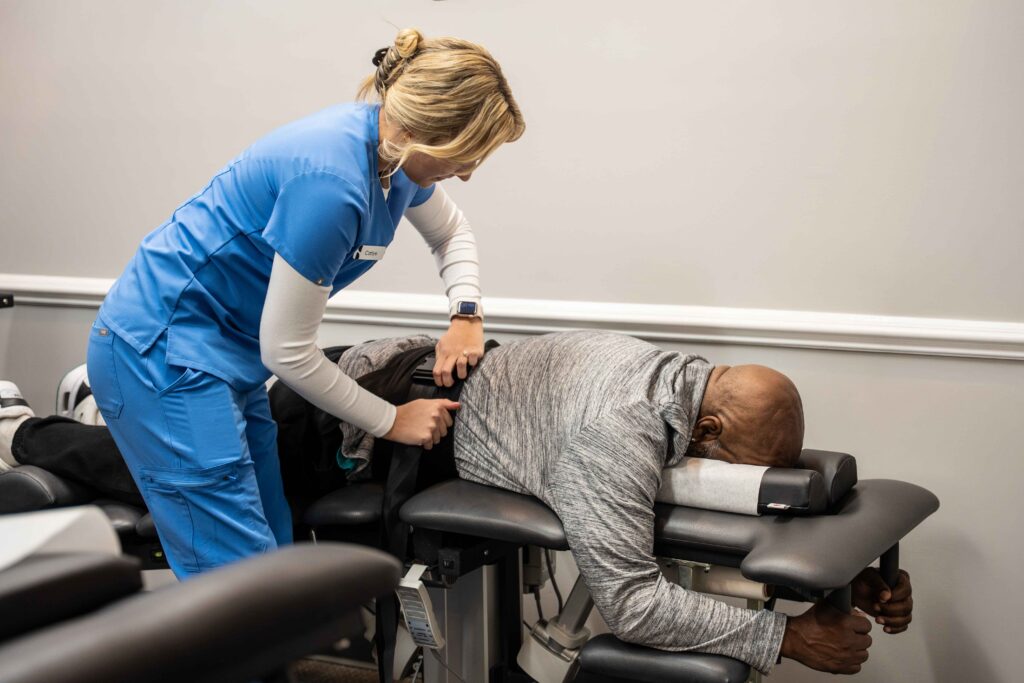

If you’re experiencing lower back pain, finding gentle relief can feel overwhelming. However, chiropractic care offers a natural and effective approach to alleviating discomfort and enhancing your overall well-being. By focusing on spinal health and incorporating mindful practices, targeted stretches, and lifestyle adjustments, you can make a significant difference in how you feel.
As a chiropractor, I encourage you to explore various techniques that promote healing and help relieve pain. Here are some practical solutions to consider on your journey toward relief:
- Chiropractic Adjustments: Regular visits to a chiropractor can help realign your spine, reduce tension, and improve mobility. These adjustments can relieve pressure on nerves and muscles, helping your body heal naturally.
- Mindful Practices: Incorporating mindfulness techniques, such as deep breathing and meditation, can help you manage stress and reduce muscle tension in your back. Taking a few moments each day to focus on your breath can create a calming effect that supports healing.
- Targeted Stretches: Gentle stretching can enhance flexibility and reduce tightness in your lower back. Simple stretches, like knee-to-chest pulls or seated forward bends, can be easily performed at home. Just remember to listen to your body and avoid any movements that cause pain.
- Posture Awareness: Maintain good posture throughout your day. Whether sitting at a desk or lifting objects, being mindful of your body alignment can prevent strain on your lower back. Consider using ergonomic furniture to support your spine.
- Movement and Activity: Stay active with low-impact exercises like walking, swimming, or yoga. Gentle movement promotes circulation and can help strengthen the muscles that support your back.
- Hydration and Nutrition: Staying hydrated and eating a balanced diet rich in anti-inflammatory foods can support your body’s healing process. Foods like leafy greens, nuts, and fatty fish are great choices.
Remember, your journey to relief is personal, and what works for one person may not work for another. By focusing on chiropractic care and these gentle solutions, you can take significant steps toward achieving optimal health and well-being. If you’re struggling with lower back pain, consider reaching out to your local chiropractor for a personalized approach to your care.
Understanding Lower Back Pain
Lower back pain is a common issue that can impact individuals of all ages. This discomfort may arise from various factors, including muscle strain, poor posture, or even underlying health conditions. It’s crucial to recognize that your lower back consists of bones, nerves, and muscles that work together to support your body. When any part of this system isn’t functioning well, it can lead to pain.
You might find that certain activities—like lifting heavy objects, sitting for prolonged periods, or even bending awkwardly—can make your pain worse. Additionally, lifestyle factors such as lack of exercise or weight gain can play a significant role in your lower back discomfort. Identifying these triggers is essential for managing your condition effectively.
As a chiropractor, I believe that understanding the root causes of your pain is the first step toward achieving optimal health. Chiropractic care offers a natural and holistic approach to relieving lower back pain. Through gentle adjustments and targeted treatments, we can help restore proper alignment in your spine, which can alleviate pressure on nerves and improve overall function.
Here are some practical tips you can incorporate into your daily routine to support your lower back health:
- Practice Good Posture: Whether you’re sitting at a desk or standing, maintaining proper posture can help prevent strain on your lower back. Keep your shoulders back and your spine aligned.
- Stay Active: Regular exercise strengthens the muscles that support your spine. Consider low-impact activities like walking, swimming, or yoga, which can help improve flexibility and reduce tension.
- Lift Properly: When lifting heavy objects, bend at your knees instead of your waist. Keep the object close to your body and use your legs to lift.
- Take Breaks: If you sit for long periods, make it a point to stand up, stretch, and move around every 30 minutes to reduce stiffness and improve circulation.
- Stay Hydrated: Drinking plenty of water can help maintain the elasticity of your spinal discs and overall spinal health.
By becoming attuned to your body’s signals and making these simple lifestyle adjustments, you can take proactive steps to alleviate pain and enhance your overall well-being.
Gentle Stretches for Relief
Incorporating gentle stretches into your daily routine can significantly enhance your lower back health and provide relief from discomfort. As a chiropractor, I always emphasize the importance of natural methods for pain relief and overall wellness.
One great stretch to start with is the cat-cow stretch. Begin on all fours, arch your back upward like a cat, and then gently dip it down while lifting your head. This movement helps mobilize your spine, promoting flexibility and reducing tension.
Another fantastic stretch is the child’s pose. Kneel down, sit back on your heels, and stretch your arms forward. This position gently elongates your lower back, providing soothing relief.
You might also want to try the seated forward bend. Sit on the floor with your legs extended in front of you, then slowly lean forward, reaching toward your toes. This stretch can help alleviate tightness in your back muscles. Remember to hold each stretch for 20-30 seconds while breathing deeply to encourage relaxation.
As you incorporate these gentle movements, it’s essential to listen to your body. If any stretch feels uncomfortable, ease off. By regularly including these stretches in your routine, you can improve your comfort and support your overall back health.
Chiropractic care complements these stretches beautifully, as it addresses underlying spinal issues and promotes proper alignment. If you’re looking for a holistic approach to pain relief and wellness, consider visiting your chiropractor for personalized guidance tailored to your needs.
Embracing these natural methods can lead to a healthier, more comfortable lifestyle!
Mindfulness and Relaxation Techniques
When it comes to managing lower back pain, incorporating mindfulness and relaxation techniques can be incredibly beneficial alongside chiropractic care. Deep breathing exercises, guided imagery practices, and progressive muscle relaxation are all tools that can help ease tension in your body and promote healing.
As a chiropractor, I often see how stress and tension can contribute to pain, particularly in the lower back. By practicing deep breathing, you can help calm your mind and relax your muscles. Guided imagery allows you to visualize a peaceful place, which can help distract from pain and create a sense of well-being.
Progressive muscle relaxation involves tensing and then relaxing different muscle groups, which can relieve tightness and improve circulation. These techniques are great complements to chiropractic adjustments, which are designed to align your spine and improve overall function.
When combined with these mindfulness practices, you can create a holistic approach to pain relief and wellness.
Here are a few simple tips you can take away:
- Deep Breathing: Spend a few minutes each day focusing on your breath. Inhale deeply through your nose, letting your abdomen expand, and exhale slowly through your mouth. This can help reduce stress and tension in your back.
- Guided Imagery: Find a quiet space and close your eyes. Imagine a serene setting, such as a beach or a forest. Picture yourself there, feeling relaxed and pain-free.
- Progressive Muscle Relaxation: Lie down comfortably, and work through your body, tensing and then relaxing each muscle group, starting from your toes and moving up to your head.
Deep Breathing Exercises
Managing lower back pain can sometimes feel daunting, but incorporating deep breathing exercises into your routine can be a simple and effective way to promote relaxation and mindfulness.
These exercises not only help you focus on your breath, but they also shift your attention away from discomfort, reducing stress and enhancing your overall well-being.
To start, find a comfortable position—whether you’re sitting or lying down. Inhale deeply through your nose for a count of four, allowing your abdomen to gently expand. Hold that breath for a count of four, then exhale slowly through your mouth for another count of four.
Repeat this cycle several times. As you breathe, visualize the tension leaving your body with each exhale.
In addition to deep breathing, remember that chiropractic care is an excellent choice for addressing lower back pain. Chiropractic adjustments can help realign your spine, improve mobility, and alleviate discomfort.
By combining deep breathing with regular chiropractic visits, you can promote natural healing and achieve optimal health.
Here are a few general tips to enhance your experience:
- Practice deep breathing exercises daily, especially during moments of stress or discomfort.
- Maintain good posture while sitting or standing to support your spine.
- Stay active with gentle exercises, like walking or stretching, to keep your back strong.
- Consider scheduling regular visits with your chiropractor to stay on track with your health goals.
Guided Imagery Practices
Guided imagery practices can be an excellent addition to your wellness routine when managing lower back pain, particularly when paired with chiropractic care. By visualizing peaceful and calming scenes, you can tap into your body’s natural ability to heal and relax, enhancing the benefits of your chiropractic treatments.
Here are some straightforward steps to help you get started with guided imagery:
- Create a Comfortable Environment: Find a quiet space where you can sit or lie down comfortably without interruptions. This sets the stage for relaxation.
- Close Your Eyes and Breathe: Take a few slow, deep breaths. Inhale through your nose, letting your abdomen rise, and then exhale gently through your mouth. This helps to clear your mind and prepare you for visualization.
- Visualize a Peaceful Scene: Imagine a tranquil setting that brings you joy, such as a sunny beach, a quiet forest, or a peaceful garden. Picture it in your mind as vividly as possible.
- Engage Your Senses: As you visualize your serene landscape, focus on the details—what do you hear? The gentle waves? The rustling leaves? What do you smell? Fresh ocean air? The scent of pine? Allow yourself to feel the warmth of the sun or the cool breeze against your skin. This sensory engagement can enhance relaxation and help ease tension in your lower back.
Incorporating guided imagery into your routine can complement your chiropractic care, promoting overall well-being and potentially reducing discomfort.
Progressive Muscle Relaxation
As a local chiropractor, I want to share with you the benefits of Progressive Muscle Relaxation (PMR) as a natural way to manage lower back pain and enhance your overall wellness. PMR is an effective technique for releasing tension in your body, which can significantly improve your spinal health and comfort.
To begin, find a comfortable position where you can relax without distractions. Start with your feet; tense the muscles for a few seconds, then release. This simple practice allows you to feel the difference between tension and relaxation. Gradually work your way up through your calves, thighs, abdomen, and all the way to your neck and face. As you relax each muscle group, visualize the tension melting away.
Incorporating PMR into your routine can help alleviate muscle tightness and promote mindfulness. By becoming more aware of your body, you can better understand its needs and how to care for it. This technique complements chiropractic care beautifully, as it enhances the benefits of spinal adjustments by encouraging relaxation and reducing stress on your musculoskeletal system.
The Role of Heat and Cold Therapy
When it comes to alleviating lower back pain, understanding how to use heat and cold therapy can make a significant difference in your recovery journey. Both methods offer valuable benefits that can help ease discomfort and promote natural healing. Here’s a simple guide to using them effectively, alongside the advantages of considering chiropractic care for optimal health:
- Heat Therapy: Applying a heating pad or warm towel to your lower back can help relax tight muscles and boost blood flow, which is essential for healing. This is especially beneficial before engaging in activities, as it prepares your muscles for movement.
- Cold Therapy: Using ice packs or cold compresses can be incredibly effective in reducing inflammation and numbing sharp pain, particularly after any physical activity. Applying cold therapy helps to manage swelling and provides relief, allowing your body to recover more quickly.
- Timing: Incorporate heat therapy before physical activities to promote muscle relaxation, and switch to cold therapy afterward to minimize any potential swelling. This approach not only helps with immediate relief but also supports long-term recovery.
- Duration: Aim for 15-20 minutes for each treatment. Remember to take breaks in between to protect your skin and prevent tissue damage. Listening to your body is key; if something doesn’t feel right, adjust accordingly.
In addition to these therapies, consider incorporating regular chiropractic care into your wellness routine. Chiropractic adjustments not only help alleviate pain but also improve spinal alignment, enhance mobility, and promote overall health.
By focusing on natural healing methods, you can achieve a more balanced and healthier lifestyle.
Remember, you have the power to take charge of your health. Utilizing heat and cold therapy, combined with the benefits of chiropractic care, can lead you toward lasting relief and wellness.
Prioritize your well-being and explore these natural methods for managing lower back pain!
Ergonomic Adjustments for Daily Activities
After looking into the benefits of heat and cold therapy, it’s important to recognize that the way you engage in daily activities can significantly impact your lower back health.
Making ergonomic adjustments is a simple and effective way to enhance your comfort and alleviate strain on your spine.
First, ensure that your workspace is ergonomically designed. Your chair should provide proper support for your lower back, and make sure your feet are flat on the floor.
If you find yourself sitting for extended periods, remember to take regular breaks to stand up and stretch—this can greatly help relieve tension in your back.
When lifting objects, always bend at your knees rather than your waist, and keep the item close to your body to reduce strain. For heavier or awkward items, consider using tools like a reacher or a cart.
If your work involves a computer, adjust the screen height so it’s at eye level to reduce neck and back strain.
These small adjustments can lead to significant improvements in your daily comfort and help you manage discomfort effectively.
Remember, a well-aligned spine is key to overall health and wellness.
Chiropractic care can play a crucial role in maintaining spinal health, helping you to feel your best and live a healthier life.
Strengthening Exercises for Back Support
To effectively support your lower back and maintain a healthy spine, incorporating strengthening exercises into your routine is essential. These exercises can enhance muscle stability, reduce discomfort, and improve your overall posture, which is crucial for spinal health.
As a chiropractor, I believe that a strong foundation is key to natural healing and wellness. Here are four effective exercises to help you on your journey to better back support:
- Bridges: Start by lying on your back with your knees bent and feet flat on the floor. Slowly lift your hips toward the ceiling, squeezing your glutes at the top of the movement. Hold for a few seconds, then lower back down. This exercise strengthens your glute muscles, which play an important role in supporting your lower back.
- Planks: Position yourself face down, resting on your forearms and toes. Keep your body straight from head to heels and engage your core by pulling your belly button in towards your spine. Aim to hold this position for 20-30 seconds. Planks are excellent for building core strength, which is vital for maintaining spinal alignment.
- Bird-Dogs: Get on all fours with your hands under your shoulders and knees under your hips. Extend your right arm forward and your left leg back simultaneously, keeping your hips level. Hold for a few seconds, then switch sides. This exercise improves balance and strengthens the muscles that support your spine.
- Dead Bugs: Lie on your back with your arms extended straight up toward the ceiling and your knees bent at a 90-degree angle. Lower one arm and the opposite leg toward the ground while keeping your back flat against the floor, then return to the starting position and switch sides. This exercise helps coordinate your movements while strengthening your core, which supports your lower back.
Incorporating these exercises into your weekly routine can significantly enhance your back support and overall wellness.
Remember, chiropractic care complements these exercises by ensuring that your spine is properly aligned and functioning optimally. By focusing on natural healing methods and strengthening your body, you can achieve lasting relief and maintain a healthier, more active lifestyle.
Always listen to your body, and consult with your chiropractor for personalized guidance tailored to your specific needs.
Supportive Tools and Aids
When it comes to managing lower back pain, the right supportive tools can make a significant difference in your daily comfort and overall spinal health. As a chiropractor, I often recommend ergonomic chairs and lumbar support cushions. These tools are specifically designed to help you maintain proper posture, which is crucial for reducing strain on your back.
Using an ergonomic chair encourages a healthy sitting position, aligning your spine naturally and preventing discomfort. Lumbar support cushions can provide extra support to the lower back, filling the gap that many chairs leave behind. This added support helps to maintain the natural curve of your spine and can alleviate pain over time.
In addition to these aids, I encourage patients to incorporate some simple tips into their daily routines. For instance, take regular breaks to stand, stretch, and move around—this can help prevent stiffness.
When sitting for extended periods, practice mindful posture by keeping your feet flat on the floor and your knees at or below hip level.
Remember, chiropractic care is one of the best ways to achieve optimal health and pain relief. Regular adjustments can help maintain spinal alignment and improve your body’s natural healing processes.
Ergonomic Chairs Benefits
As a chiropractor, I often see how a simple choice, like the chair you sit in daily, can significantly impact your spine health and overall well-being. Many people underestimate the importance of a good chair, but investing in an ergonomic chair can be a game-changer, especially for those struggling with lower back pain.
These chairs are designed to support your body in a way that promotes health and comfort. Here are four key benefits of ergonomic chairs that can enhance your work experience and support your journey to natural wellness:
- Proper Posture: Ergonomic chairs encourage better spinal alignment, which reduces strain on your back. Maintaining good posture is crucial for preventing pain and discomfort.
- Adjustability: Most ergonomic chairs come with adjustable features, allowing you to customize the chair to fit your unique body type. This personalized support can make a significant difference in your comfort level.
- Enhanced Support: Many ergonomic chairs provide targeted support to your lower back, helping to alleviate discomfort during long hours of sitting. This support can help you maintain a healthy spine and avoid the pitfalls of poor seating habits.
- Increased Productivity: When you’re comfortable and not distracted by pain, you’re likely to find yourself more focused and productive throughout the day. A well-supported body can lead to a clearer mind.
While an ergonomic chair can help, remember that it’s just one piece of the puzzle. Regular chiropractic care is essential for addressing underlying issues and ensuring your spine remains healthy.
Alongside using an ergonomic chair, here are a few additional tips to promote spinal health:
- Take Breaks: Stand up, stretch, and walk around every hour to keep your blood flowing and reduce stiffness.
- Mind Your Feet: Keep your feet flat on the ground or on a footrest to maintain proper posture.
- Hydrate: Drink plenty of water to keep your discs hydrated and your body functioning optimally.
Investing in an ergonomic chair is a step towards a healthier work environment, but combining that with regular chiropractic care will truly help you achieve optimal health and well-being.
Take charge of your health today!
Lumbar Support Cushions
As a local chiropractor, I understand the importance of maintaining a healthy spine, especially for those who spend long hours sitting at a desk. Investing in lumbar support cushions can significantly enhance your sitting experience and promote better spinal health.
These cushions are designed to conform to the natural curve of your lower back, providing essential support that reduces pressure and discomfort.
Using a lumbar support cushion can make it easier for you to maintain good posture, which is vital for preventing long-term back issues. When your spine is aligned properly, it allows your body to function optimally and can lead to a decrease in pain and tension.
One of the great benefits of lumbar support cushions is their portability. You can easily take them with you to your office chair, car, or even on a plane. When choosing a cushion, look for high-quality materials that provide both comfort and durability. This investment not only improves your sitting experience but can also enhance your overall well-being.
In addition to using a lumbar support cushion, here are some tips to promote a healthier spine:
- Take Frequent Breaks: Stand up, stretch, and move around every 30 minutes to keep your muscles engaged and reduce stiffness.
- Practice Good Posture: Sit with your feet flat on the ground, your knees at a right angle, and your back straight. This will help maintain the natural curves of your spine.
- Incorporate Core Strengthening Exercises: Strengthening your core muscles can provide better support for your spine and improve your posture.
- Stay Hydrated: Drinking plenty of water helps maintain the elasticity of the discs in your spine, contributing to overall spinal health.
- Consider Chiropractic Care: Regular chiropractic adjustments can help keep your spine aligned, reduce pain, and promote overall wellness. A chiropractor can provide personalized care tailored to your specific needs.
By incorporating these practices and considering a lumbar support cushion, you can enjoy a more comfortable, pain-free sitting experience and focus better on your tasks.
Lifestyle Changes for Long-Term Relief
Making simple lifestyle changes can significantly enhance your long-term relief from lower back pain, and chiropractic care can support you every step of the way. By integrating a few adjustments into your daily routine, you not only promote your overall well-being but also reduce discomfort. Here are some effective strategies to consider:
- Stay Active: Regular low-impact exercises such as walking or swimming are beneficial for strengthening your back muscles and enhancing flexibility. Chiropractic care can also help you develop a personalized exercise plan that suits your needs.
- Maintain Good Posture: Being mindful of your posture while sitting, standing, and lifting is crucial. Proper alignment not only alleviates strain on your back but can also be reinforced through chiropractic adjustments that ensure your spine is in optimal alignment.
- Ergonomic Workspace: Creating a comfortable workspace can make a big difference. Adjust your desk and chair to support your lower back, and remember to keep your feet flat on the ground. A chiropractor can provide insights on how to set up your workspace to minimize stress on your spine.
- Healthy Weight: Maintaining a healthy weight is vital. Extra pounds can increase pressure on your lower back. A balanced diet paired with regular exercise is essential, and chiropractic care can help you with nutritional advice and exercise recommendations tailored to your lifestyle.
Incorporating these strategies not only helps in relieving pain but also positions chiropractic care as a natural, effective way to achieve optimal health and wellness.
Remember that small changes can lead to significant improvements in your quality of life!
When to Seek Professional Help
When should you think about visiting a chiropractor for your lower back pain? If your discomfort lasts more than a few weeks, even after trying home remedies, it’s a good idea to reach out for professional help. Chiropractic care can be particularly effective for addressing persistent pain.
You should also consider visiting a chiropractor if you’re experiencing sharp pain that makes it hard to go about your daily activities, or if the pain travels down your legs. This could signal that your nerves are affected, and a chiropractor can help assess and treat these issues.
Keep an eye out for other concerning symptoms, such as weakness, numbness, or tingling in your legs. These can indicate that your spine may need some attention.
If you suddenly lose weight, have a fever, or experience changes in bladder or bowel control, these are serious signs that should prompt immediate evaluation by a healthcare professional.
Ignoring these signals can lead to more chronic issues, so don’t hesitate to seek help. Remember, getting chiropractic care is a proactive step towards regaining your health and well-being. It’s not a sign of weakness; it shows you’re committed to feeling better naturally.
In addition to seeing a chiropractor, there are some simple tips you can incorporate into your daily routine to support your back health.
Make sure to maintain good posture, take regular breaks if you’re sitting for long periods, and incorporate gentle stretching or low-impact exercises into your day. These small changes can significantly contribute to your overall well-being and help you manage your back pain more effectively.