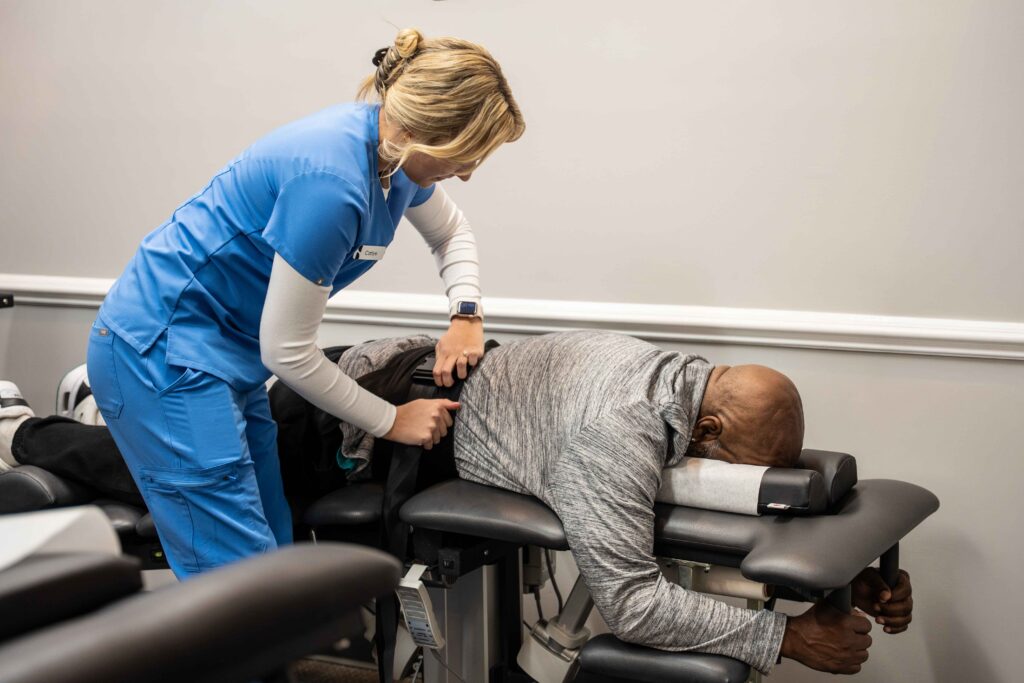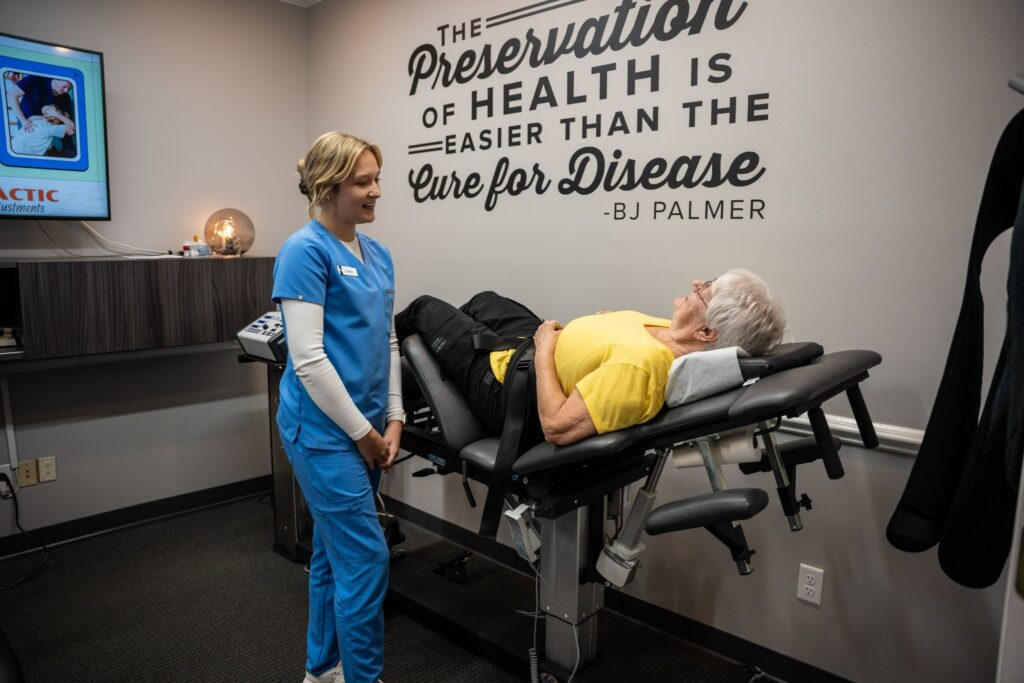

Improving your flexibility is essential for enhancing your overall health and preventing injuries. As a chiropractor, I believe that achieving optimal flexibility is best supported through natural methods, specifically chiropractic care. With personalized guidance tailored to your unique needs, you can effectively address your specific challenges while tracking your progress.
One of the key benefits of chiropractic care is its focus on spinal health, which is crucial for overall flexibility. A well-aligned spine can significantly improve your range of motion and reduce muscle tension, making it easier for you to move freely. Chiropractors use a variety of gentle techniques to help restore proper alignment, allowing your body to function at its best.
So, what can you expect from a chiropractic approach to improving your flexibility? Here are some key components:
- Personalized Assessment: A chiropractor will evaluate your posture, joint mobility, and overall movement patterns. This assessment helps identify areas that need attention and allows for a customized plan to enhance your flexibility.
- Chiropractic Adjustments: Regular adjustments can help realign your spine and reduce tension in the surrounding muscles. This can lead to improved flexibility and a greater range of motion.
- Stretching and Strengthening Exercises: Alongside adjustments, chiropractors often provide you with specific exercises to strengthen your muscles and improve flexibility. These exercises can be easily integrated into your daily routine.
- Education on Body Mechanics: Understanding how your body moves can greatly impact your flexibility. A chiropractor can teach you proper body mechanics and posture, helping you avoid movements that could lead to injury.
- Holistic Approach: Chiropractic care emphasizes natural healing and wellness. By focusing on your overall health, including nutrition and lifestyle choices, you can support your body’s ability to heal and become more flexible.
Remember, flexibility is not just about being able to touch your toes; it plays a vital role in injury prevention and enhanced performance in daily activities. By choosing chiropractic care, you’re opting for a natural, drug-free approach to achieving optimal health and flexibility.
Incorporate these tips into your routine:
- Take short breaks to stretch throughout your day.
- Stay hydrated to keep your muscles functioning well.
- Warm up before any physical activity to prepare your body for movement.
With chiropractic care, you can embark on a journey to improved flexibility and health without the need for surgeries or medications. Let’s work together to unlock your body’s full potential!
Understanding the Importance of Flexibility
While you might think of flexibility as just a way to touch your toes, its importance goes far beyond that. Flexibility plays a vital role in your overall health and well-being, especially when it comes to your spine. Maintaining a full range of motion in your joints not only helps prevent injuries but also enhances your physical performance, making everyday activities like bending, lifting, or reaching easier and safer.
As a chiropractor, I often see how flexibility can improve posture and reduce muscle tension, which contributes to better body alignment. If you spend long hours sitting, tight muscles can lead to discomfort and pain in your back and neck. By incorporating simple flexibility exercises into your daily routine, you can alleviate some of that stress, promote relaxation, and support your spine’s health.
Here are a few easy tips to help you incorporate flexibility into your life:
- Stretch Daily: Take a few minutes each day to stretch your major muscle groups, especially those that feel tight from sitting or repetitive movements.
- Incorporate Movement: Make it a habit to stand up and move around every hour if you have a desk job. Simple movements can keep your muscles loose and your spine aligned.
- Practice Mindful Breathing: Combine deep breathing with your stretches. This can help ease tension and improve your overall flexibility.
- Consider Chiropractic Care: Regular chiropractic adjustments can enhance your flexibility by ensuring your spine is properly aligned, which supports better movement and reduces tension throughout your body.
Ultimately, understanding the importance of flexibility can empower you to prioritize it in your wellness journey. By focusing on flexibility and considering chiropractic care, you can achieve improved mobility and enjoy a more active lifestyle without pain.
Benefits of Professional Guidance
When you seek professional guidance for flexibility training, especially from a chiropractor, you unlock a wealth of expert knowledge tailored just for you. A chiropractor can assess your unique spinal health and create personalized stretching programs that not only enhance your flexibility but also align with your overall wellness goals.
Incorporating chiropractic care into your flexibility training can be a game-changer. Chiropractors understand how your spine and nervous system impact your body’s movements. They can provide you with valuable insights and techniques to improve your flexibility while ensuring that your body stays balanced and aligned.
Moreover, a chiropractor will equip you with effective injury prevention strategies that keep you safe as you work on your flexibility. These strategies may include specific stretches, exercises, and lifestyle tips that promote natural healing and overall well-being.
Here are some general tips to improve your flexibility safely:
- Start Slow: Begin with gentle stretches and gradually increase intensity as your body adapts.
- Stay Consistent: Regular stretching is key. Aim for a few short sessions each week to see improvements.
- Focus on Breathing: Deep breathing helps to relax your muscles and enhance flexibility. Inhale deeply as you stretch and exhale as you release.
- Listen to Your Body: Pay attention to how your body feels. If something doesn’t feel right, ease off and consult your chiropractor for guidance.
- Incorporate Movement: Activities like yoga or Pilates can complement your flexibility training by promoting spinal health and body awareness.
By integrating chiropractic care into your flexibility training, you’re not only working towards greater flexibility but also investing in your overall health and wellness.
Expert Knowledge and Techniques
Accessing expert knowledge and techniques can significantly enhance your flexibility training, especially when it comes to maintaining a healthy spine. As a chiropractor, I believe that proper alignment is crucial for overall wellness, and working with a professional can lead to quicker improvements in your flexibility.
Here are some benefits of receiving professional guidance in your flexibility journey:
- Correct Form: A trained expert can ensure you maintain proper alignment during stretches, which is essential for reducing the risk of injury and promoting spinal health.
- Targeted Techniques: A professional can teach you specific stretches that cater to your unique body needs and limitations, helping you achieve better results while keeping your spine aligned.
- Progress Monitoring: Regular check-ins with a chiropractor or flexibility expert can help track your progress. They can adjust your routine as needed to ensure you’re continually improving without strain on your body.
- Motivation and Accountability: Having someone to guide you not only keeps you motivated but also helps you stay committed to your flexibility goals, contributing to your overall health and well-being.
In addition to professional guidance, here are some general tips to enhance your flexibility training at home:
- Warm Up: Always warm up your muscles before stretching. Gentle movements can prepare your body and prevent injury.
- Consistency is Key: Make flexibility training a regular part of your routine. Even short sessions several times a week can lead to significant improvements.
- Listen to Your Body: Pay attention to how your body feels during stretches. Never push yourself to the point of pain; gentle stretching can be more beneficial.
- Stay Hydrated: Keeping your body well-hydrated can improve muscle function and elasticity, aiding your flexibility training.
- Focus on Your Breath: Deep, controlled breathing during stretching can help relax your muscles and enhance your range of motion.
By integrating these practices into your flexibility training, you can work towards a healthier spine and improve your overall well-being naturally.
Personalized Stretching Programs
Working with a chiropractor can lead to personalized stretching programs that align with your unique health needs and wellness goals. When you receive expert guidance, you’re more likely to focus on the areas that need attention, whether it’s improving flexibility, boosting your physical performance, or recovering from daily stressors.
A chiropractor can assess your current flexibility and spinal health, designing a program that challenges you at a safe pace, ensuring steady progress.
You will also learn proper stretching techniques that not only maximize your results but also help reduce the risk of strain or injury. This tailored approach can keep you motivated, as you begin to notice real improvements in your flexibility and overall well-being over time.
Incorporating chiropractic care into your routine can make your journey to better flexibility and health both efficient and enjoyable. Remember, regular stretching is an essential part of maintaining a healthy spine and body.
As a general tip, try to integrate a few minutes of stretching into your daily routine, focusing on areas that feel tight or tense. This simple practice can contribute significantly to your overall wellness and help you feel your best.
Injury Prevention Strategies
Incorporating professional chiropractic guidance into your injury prevention strategy can significantly reduce your risk of setbacks. By working with a qualified chiropractor, you can ensure that you’re following effective techniques tailored to your specific needs.
Here are some benefits of seeking chiropractic care for injury prevention:
- Personalized Assessment: A chiropractor can evaluate your spinal alignment, flexibility, and overall strength, helping to identify areas that may need extra attention to prevent injuries.
- Proper Techniques: You’ll learn the correct form and body mechanics to prevent injuries during daily activities and exercise, which is essential for maintaining a healthy lifestyle.
- Customized Programs: Chiropractors can design a tailored wellness program that addresses your unique goals, limitations, and any existing discomfort, ensuring you progress safely and effectively.
- Ongoing Support: Regular visits to your chiropractor provide ongoing support, monitoring your progress, and making necessary adjustments to your care plan, helping you stay on track for optimal health.
In addition to these benefits, here are some general tips to enhance your injury prevention strategy:
- Stay Active: Engage in regular physical activity that promotes flexibility, strength, and balance, such as yoga or swimming.
- Listen to Your Body: Pay attention to any signs of discomfort or pain, and don’t push through it. Rest and consult with your chiropractor if needed.
- Practice Good Posture: Maintain proper posture while sitting, standing, and moving to support your spine and overall health.
- Warm-Up and Cool Down: Always take time to warm up before exercising and cool down afterward to prepare your muscles and prevent injuries.
Types of Professionals Who Can Help
When you’re looking to enhance your flexibility, there are several professionals who can assist you on your path to better health, but chiropractic care stands out as an exceptional choice. As a chiropractor, I understand the importance of proper alignment in achieving optimal flexibility and overall wellness.
Chiropractors focus on ensuring that your spine and joints are correctly aligned, which supports your body’s natural mechanics and enhances your ability to stretch and move. By addressing any misalignments, we can reduce tension in your muscles and improve your range of motion, making it easier for you to incorporate flexibility exercises into your routine.
While physical therapists and personal trainers can provide valuable insights and customized programs, chiropractic care uniquely addresses the root cause of discomfort and stiffness. Our holistic approach promotes natural healing, helping your body to function at its best without the need for surgeries or medications.
In addition to chiropractic adjustments, practicing mindfulness and relaxation techniques, such as those found in yoga, can further enhance your flexibility. Massage therapy can also complement chiropractic care, as it helps alleviate muscle tension and aids in recovery.
Here are some general tips to improve your flexibility:
- Stay Consistent: Regular stretching is key. Incorporate a few minutes of stretching into your daily routine.
- Listen to Your Body: Always pay attention to how your body feels while stretching. Never push yourself to the point of pain.
- Warm-Up: Always warm up your muscles before stretching. A simple five-minute walk can do wonders.
- Stay Hydrated: Proper hydration is vital for muscle function and recovery.
- Incorporate Deep Breathing: Along with stretching, practice deep breathing to promote relaxation and enhance your stretching routine.
With the guidance of a chiropractor, you can make significant progress on your journey to improved flexibility and overall health. Embrace the natural healing power of chiropractic care and enjoy a more flexible, pain-free lifestyle!
Personalized Assessment and Goal Setting
To effectively improve your flexibility and overall health, it’s essential to start with an individualized evaluation of your current range of motion. This assessment not only helps you understand where you stand but also allows you to set personalized stretching goals that align with your unique wellness journey.
By focusing on your specific needs, you can ensure that your efforts are directed toward what truly matters for your body. Chiropractic care is an excellent way to achieve this. As a chiropractor, I can guide you through a tailored plan that enhances your flexibility while also addressing any spinal misalignments that may be contributing to discomfort or restricted movement.
Regular chiropractic adjustments can promote better alignment, which plays a key role in improving your range of motion.
Here are a few general tips to help you on your flexibility journey:
- Stay Consistent: Incorporate stretching into your daily routine. Even a few minutes each day can make a significant difference over time.
- Listen to Your Body: Pay attention to how your body feels during stretches. If something doesn’t feel right, ease back and consult a chiropractor for guidance.
- Warm Up First: Always warm up your muscles before stretching to prevent injury. Simple activities like walking or light cardio can help.
- Breath and Relax: Focus on your breathing while stretching. Deep, controlled breaths can help you relax and enhance the effectiveness of your stretches.
- Stay Hydrated: Proper hydration supports muscle function and flexibility, so drink plenty of water throughout the day.
By prioritizing chiropractic care and following these tips, you can work toward achieving optimal flexibility and overall wellness in a natural and effective way.
Individualized Flexibility Evaluation
Understanding your unique flexibility needs is essential for setting realistic goals and achieving progress in your overall health and wellness. An individualized flexibility evaluation can help you identify your current range of motion, strengths, and areas for improvement, all while emphasizing the benefits of chiropractic care.
Here are four key components to evaluate during your assessment:
- Current Flexibility Levels: Start by measuring your existing flexibility in various muscle groups. A chiropractor can assist in this process, providing insights on how to safely improve your flexibility without risking injury.
- Functional Movement Patterns: Analyze how your flexibility impacts your daily activities and sports performance. This is where chiropractic adjustments can play a crucial role, helping to align your spine and improve your overall mobility, making everyday movements easier and more efficient.
- Injury History: Discuss any past injuries that might be affecting your flexibility and mobility. Understanding your injury history can guide your chiropractor in creating a tailored treatment plan that focuses on natural healing and rehabilitation.
- Personal Goals: Define what flexibility means to you. Whether your goal is to enhance athletic performance, relieve pain, or improve your general well-being, chiropractic care can support you in reaching these objectives by promoting optimal spinal health and function.
By focusing on these components during your flexibility evaluation, you can gain valuable insights into how chiropractic care can help you achieve your health goals naturally.
Remember, improving your flexibility isn’t just about stretching; it’s about strengthening your body and maintaining a well-aligned spine for overall wellness.
Consider incorporating regular chiropractic visits into your routine to support your journey toward better flexibility and health.
Tailored Stretching Objectives
As you embark on your journey towards improved flexibility, setting tailored stretching objectives can significantly enhance your progress and overall wellness. Start by evaluating your current flexibility levels and pinpointing specific areas that need attention.
Consider what matters most to you—whether it’s improving your range of motion for physical activities, alleviating muscle tension, or simply feeling more at ease during your daily routine.
Once you’ve identified your goals, break them down into achievable steps. For instance, if you aspire to achieve a split, concentrate on stretches that target your hips and hamstrings. Regularly monitor your progress and be open to adjusting your goals as you advance.
Incorporating chiropractic care into your routine can be an exceptional way to support your flexibility journey. Chiropractors can help address underlying musculoskeletal issues that may be limiting your range of motion, ensuring that your body functions optimally.
They can also provide personalized recommendations tailored to your specific needs, enhancing your stretching routine.
Alongside your stretching objectives, consider these general tips to promote natural healing and a healthier lifestyle:
- Stay Consistent: Incorporate stretching into your daily routine to gradually improve your flexibility.
- Listen to Your Body: Pay attention to how your body responds to different stretches and adjust accordingly to avoid injury.
- Stay Hydrated: Proper hydration supports muscle function and recovery, aiding your flexibility efforts.
- Warm Up: Always warm up before stretching to prepare your muscles and prevent strains.
- Consult a Chiropractor: Regular chiropractic adjustments can help maintain spinal health and enhance your body’s ability to stretch effectively.
By setting personalized stretching goals and integrating chiropractic care into your wellness routine, you’ll find that your flexibility improves in a more effective and sustainable manner.
Tailored Stretching and Mobility Programs
While many people engage in general stretching routines, tailored stretching and mobility programs can significantly enhance your flexibility and overall performance, especially when integrated with chiropractic care. By focusing on your specific needs, these programs offer a more effective way to improve your range of motion and promote natural healing.
Here’s what you can expect from these tailored programs:
- Individual Assessment: A chiropractor can evaluate your flexibility and spinal alignment, helping to identify areas that may need improvement. This personalized approach is crucial for achieving optimal health.
- Customized Exercises: You’ll receive specific stretches and mobility drills designed for your body type and health goals. These exercises won’t only improve your flexibility but also support your spinal health.
- Progressive Overload: The program will gradually increase in intensity, helping to challenge your muscles and maintain progress. This gradual approach is vital in preventing injuries and ensuring sustainable health improvements.
- Incorporation of Functional Movements: You’ll learn how to integrate stretches into your daily activities, enhancing both flexibility and overall functionality. This practical application can make a significant difference in your everyday life.
By incorporating chiropractic care into your routine, you can’t only enhance your flexibility but also support your spine and overall wellness.
Tailored programs help prevent injuries and can boost your athletic performance, allowing you to embrace life with greater mobility.
Monitoring Progress and Adjustments
To truly enhance your flexibility and overall well-being, it’s vital to monitor your progress and make necessary adjustments along the way. One effective way to do this is by keeping a simple journal of your stretching routines. Note how you feel before and after each session; this will help you identify which stretches work best for you and your body.
Regularly check your range of motion. Set achievable goals, like reaching a certain point in a stretch or holding a position for a longer duration. If you find that you’re not seeing improvements, don’t hesitate to adjust your routine.
This is where chiropractic care can play a crucial role. A chiropractor can help assess your flexibility and spinal alignment, providing tailored stretches and exercises to enhance your progress safely.
Consider consulting with a chiropractor who can guide you through proper techniques while ensuring you’re targeting the right muscle groups. They’ve the expertise to help you understand how your spine and nervous system influence your overall flexibility and health.
Lastly, always listen to your body. If something doesn’t feel right, it might be time to change your approach. Monitoring your progress not only keeps you motivated but also ensures you’re on the right path to improved flexibility and wellness.
Incorporating Flexibility Training Into Your Routine
Incorporating flexibility training into your routine can greatly enhance your overall fitness and well-being, particularly in relation to your spinal health. Improving flexibility isn’t just about achieving that coveted toe-touch; it’s a vital aspect of reducing the risk of injury and maintaining a healthy range of motion, which is essential for a well-functioning spine.
Here’s how to get started on a path to greater flexibility and wellness:
- Set Specific Goals: Identify which areas of your body need attention. For instance, if you experience tightness in your hamstrings or hips, focus on those areas. This targeted approach can support better posture and alleviate spinal discomfort.
- Choose the Right Time: The best time for flexibility training is after your workouts when your muscles are warm and more pliable. Alternatively, you can dedicate specific days to stretching, ensuring that your body remains limber and less prone to injury.
- Use a Variety of Techniques: Explore different methods of stretching, such as static stretching, dynamic stretching, and even yoga. These techniques can keep your routine engaging and effective while promoting spinal alignment and overall mobility.
- Be Consistent: For meaningful progress, aim for at least 2-3 sessions per week. Consistency is key in building flexibility, which in turn supports your spinal health and overall well-being.
By incorporating these flexibility training tips into your routine, you can help to enhance your physical health and reduce discomfort.
Remember, chiropractic care can also play a significant role in your journey to optimal wellness. Regular adjustments can improve your spinal alignment, making it easier for you to achieve and maintain flexibility.
Embrace a holistic approach to your health by combining flexibility training with chiropractic care for the best results!