
If you’ve noticed your knees aren’t quite what they used to be, you’re not alone. Knee pain is one of the most common complaints we hear from older adults here in Mauldin, SC, and it can significantly impact your daily activities, from walking around the neighborhood to playing with grandchildren. The good news is that understanding what’s happening in your knees and taking proactive steps can help you maintain mobility, reduce discomfort, and continue enjoying the activities you love. At The Mauldin Clinic, we’ve helped countless patients in our community navigate knee pain and develop sustainable strategies for long-term joint health.
What is knee pain in older adults? Knee pain in older adults refers to discomfort, stiffness, or reduced function in the knee joint that develops as we age, often resulting from degenerative changes, accumulated wear and tear, reduced cartilage, muscle weakness, or inflammatory conditions. While some degree of joint change is normal with aging, significant pain is not something you simply have to accept.
Table of Contents
- Understanding What Happens to Knees as We Age
- Common Causes of Knee Pain in Older Adults
- Recognizing the Signs and Symptoms
- How Chiropractic Care Supports Knee Health
- Practical Tips for Maintaining Joint Health
- When to See a Chiropractor About Knee Pain
- Myths vs. Facts About Knee Pain in Seniors
- Final Thoughts
- Frequently Asked Questions
- TL;DR
Understanding What Happens to Knees as We Age
Your knee is the largest joint in your body and one of the hardest working. Every step you take, every time you stand from a chair, your knees bear multiple times your body weight. Over decades, this remarkable joint experiences natural changes that can contribute to discomfort.
The knee joint includes bones, cartilage, ligaments, tendons, and fluid-filled sacs called bursae. Cartilage serves as a cushion between bones, allowing smooth, pain-free movement. As we age, this cartilage naturally becomes thinner and less resilient. The synovial fluid that lubricates the joint may decrease in volume and change in consistency. The muscles and tendons supporting the knee may lose some strength and flexibility.
These changes don’t happen overnight. They accumulate gradually over years, which is why many people in their 50s, 60s, and 70s begin noticing stiffness, occasional discomfort, or reduced flexibility. Research suggests that by age 65, approximately half of adults will experience some form of symptomatic knee osteoarthritis, though severity varies widely.
Here at The Mauldin Clinic, we emphasize that while age-related changes are normal, they don’t automatically mean severe pain or disability. Many factors influence how your knees age, including genetics, previous injuries, activity level, body weight, and overall health. Understanding these factors empowers you to make choices that support healthier knees throughout your later years.
Common Causes of Knee Pain in Older Adults
Several factors contribute to knee pain as we age. Identifying the underlying cause helps guide effective management strategies. In our Mauldin practice, we see these common contributors regularly.
Osteoarthritis
Osteoarthritis represents the most prevalent cause of knee pain in older adults. This condition involves the gradual breakdown of cartilage in the joint. As cartilage wears away, bones may begin to rub against each other, causing pain, swelling, and stiffness. Morning stiffness that improves with gentle movement is a hallmark sign.
Previous Injuries
Old knee injuries from sports, accidents, or falls can have lasting effects. Even injuries that healed decades ago may predispose the joint to earlier degenerative changes. Previous meniscus tears, ligament sprains, or fractures can alter knee mechanics and accelerate wear patterns.
Muscle Weakness and Imbalance
The muscles surrounding your knee provide critical support and stability. Weakness in the quadriceps, hamstrings, or hip muscles forces the knee joint to absorb more stress than it should. Muscle imbalances can also pull the kneecap out of proper alignment, creating friction and discomfort.
Excess Body Weight
Every additional pound of body weight places approximately four pounds of extra pressure on your knees during walking. Over time, this increased load accelerates cartilage breakdown and joint stress. Even modest weight loss can significantly reduce knee pain and slow progression of joint changes.
Biomechanical Issues
Problems with foot mechanics, ankle alignment, or hip function can alter how forces travel through your knee. Flat feet, overpronation, or leg length discrepancies create abnormal stress patterns. These biomechanical issues often develop or worsen with age as muscles weaken and posture changes.
Inflammation
Bursitis, tendinitis, or inflammatory arthritis can cause knee pain distinct from osteoarthritis. Bursae are small fluid sacs that cushion the joint. When inflamed, they create swelling and tenderness, particularly around the kneecap. Tendinitis involves inflammation of the tendons connecting muscle to bone around the knee.
Recognizing the Signs and Symptoms
Knee pain manifests differently for different people. Being aware of your symptoms helps you communicate effectively with healthcare providers and take appropriate action.
Common symptoms include persistent or intermittent aching in one or both knees, stiffness especially after sitting or first thing in the morning, swelling or puffiness around the joint, decreased range of motion making it difficult to fully bend or straighten the knee, grinding or clicking sensations during movement, weakness or instability that makes the knee feel like it might give way, and pain that worsens with specific activities like climbing stairs or standing from a seated position.
Many patients here in Mauldin describe their knee pain as a dull ache that’s manageable most of the time but flares with certain movements or after prolonged activity. Others experience sharper pain during specific movements. Some notice their knees feel “stiff” and need time to “warm up” before moving comfortably.
The pattern of your pain matters. Does it hurt more in the morning or evening? Does rest help or make it worse? Does weather seem to affect it? Tracking these patterns provides valuable information about what’s happening in your knee and guides appropriate care strategies.
How Chiropractic Care Supports Knee Health
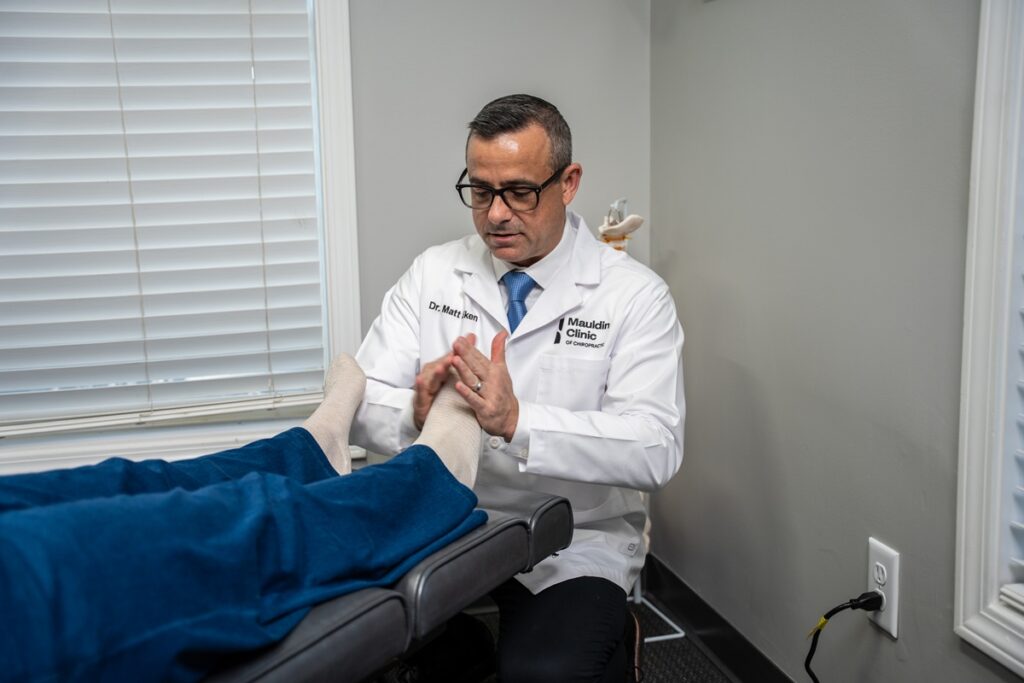
Many people don’t realize that chiropractors work with more than just the spine. At The Mauldin Clinic, we take a whole-body approach to musculoskeletal health, which includes addressing knee pain and supporting joint function.
Chiropractic care for knee pain focuses on improving joint mechanics, reducing inflammation, strengthening supporting structures, and addressing biomechanical factors that contribute to knee stress. We examine not just your knee but also your feet, ankles, hips, pelvis, and spine because problems in any of these areas can affect knee function.
Addressing Biomechanical Factors
When your pelvis, hips, or lower back aren’t moving properly, your body compensates. These compensations often place extra stress on your knees. By ensuring proper alignment and motion throughout your lower body, we can reduce abnormal forces on the knee joint. This approach has been shown to help reduce pain and improve function in patients with knee osteoarthritis.
Joint Mobilization
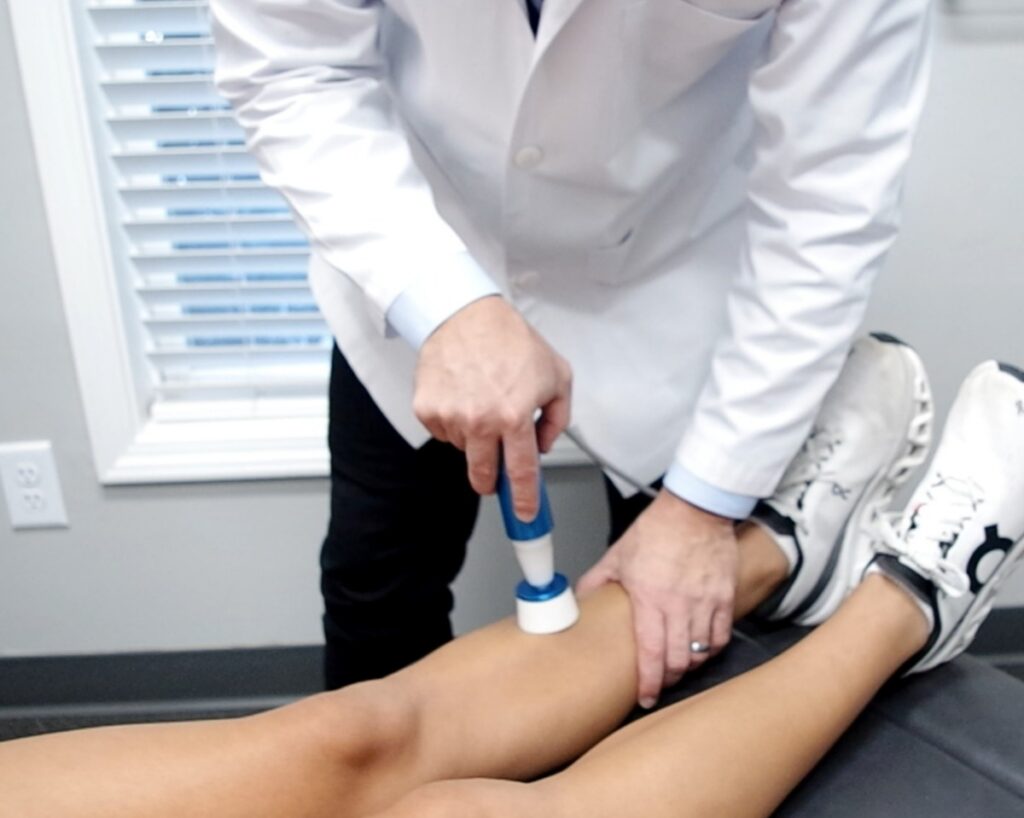
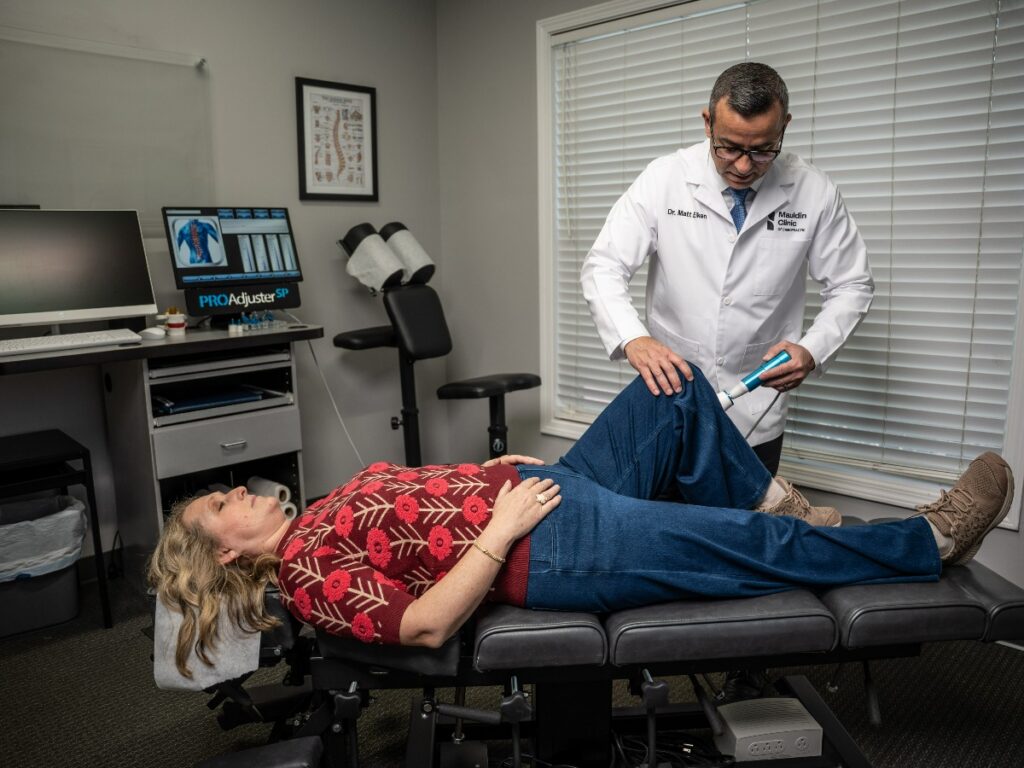
Gentle joint mobilization techniques can improve knee range of motion and reduce stiffness. These techniques involve specific, controlled movements that help restore normal joint mechanics. Many patients find that mobilization combined with soft tissue work provides significant relief.
Soft Tissue Therapy
Tight or restricted muscles, tendons, and ligaments around the knee contribute to pain and dysfunction. We use various soft tissue techniques to release tension, improve circulation, and promote healing. Addressing tight quadriceps, hamstrings, IT bands, and calf muscles often reduces knee pain substantially.
Exercise Prescription
A critical component of our care at The Mauldin Clinic involves teaching you specific exercises to strengthen the muscles supporting your knee. Stronger muscles mean better joint stability and less stress on the cartilage. We design exercise programs tailored to your current fitness level and gradually progress them as you improve.
Lifestyle Guidance
We provide education on activity modification, proper movement patterns, and strategies to protect your knees during daily activities. Small changes in how you move can make a significant difference in your symptoms and long-term joint health.
Practical Tips for Maintaining Joint Health
Beyond professional care, there’s much you can do at home to support healthy knees. These evidence-based strategies can reduce pain, improve function, and slow progression of joint changes.
Stay Active with Low-Impact Exercise
Regular physical activity strengthens muscles, maintains range of motion, and reduces stiffness. The key is choosing activities that support joint health without excessive impact. Walking is excellent for most people with knee pain. Start with shorter distances and gradually increase. Swimming and water aerobics are particularly beneficial because water buoyancy reduces stress on joints while providing resistance for strengthening. Cycling, whether stationary or outdoor, strengthens leg muscles with minimal knee impact.
Evidence indicates that regular exercise can reduce knee pain as effectively as some medications, with the added benefits of improved overall health, better balance, and increased independence. Here in Mauldin, many of our patients enjoy walking the Mauldin Cultural Center trails or using the community pool for water exercise.
Maintain a Healthy Weight
Weight management represents one of the most effective ways to reduce knee pain and slow osteoarthritis progression. Research from the American College of Rheumatology shows that losing just 10 percent of body weight can cut arthritis knee pain in half for many overweight individuals.
Focus on gradual, sustainable changes rather than drastic diets. Small reductions in portion sizes, increased vegetable intake, and reduced processed foods can lead to meaningful weight loss over time. Combined with regular physical activity, modest weight loss significantly reduces knee stress.
Strengthen Supporting Muscles
Strong quadriceps, hamstrings, and hip muscles provide better knee support and stability. Simple exercises you can do at home include straight leg raises while lying down, wall sits holding for 10-30 seconds, step-ups on a low step or curb, and clamshells for hip strength. Start with what you can do comfortably and gradually increase repetitions and resistance.
Pay Attention to Footwear
Your shoes affect how forces travel through your legs to your knees. Worn-out shoes with compressed cushioning provide inadequate shock absorption. Shoes with good arch support, adequate cushioning, and proper fit reduce knee stress. Replace athletic shoes every 300-500 miles of walking or running. Consider supportive shoes even for casual wear rather than flat, unsupportive footwear.
Use Heat and Ice Appropriately
Ice reduces inflammation and numbs acute pain. Apply ice packs for 15-20 minutes several times daily, especially after activities that aggravate your knee. Heat relaxes muscles and can ease stiffness. Use heating pads or warm towels before exercise to improve flexibility. Many people find alternating heat and ice provides the best relief.
Practice Proper Posture and Body Mechanics
How you move throughout the day affects knee stress. When standing from a chair, lean forward slightly and push through your heels rather than your knees. When climbing stairs, lead with your stronger leg going up and your weaker leg going down. Avoid sitting with your knees bent for extended periods. Stand up and walk around every 30-45 minutes.
Consider Anti-Inflammatory Foods
While food alone won’t cure knee arthritis, dietary choices influence inflammation levels. Foods that may help reduce inflammation include fatty fish rich in omega-3s like salmon and sardines, colorful fruits and vegetables high in antioxidants, nuts and seeds, olive oil, and green tea. Reduce foods that promote inflammation including processed foods high in sugar, excessive red meat, and refined carbohydrates.
When to See a Chiropractor About Knee Pain
Many people with knee pain benefit from conservative chiropractic care, but knowing when to seek professional evaluation is important. At The Mauldin Clinic, we encourage patients to come in when they experience certain signs.
Consider scheduling an evaluation if your knee pain persists for more than a few weeks despite rest and home care, you experience significant stiffness that limits daily activities, pain interferes with sleep quality, you notice progressive weakness or instability, or you want to prevent knee problems from worsening.
Chiropractic care works particularly well for knee pain related to biomechanical issues, muscle imbalances, mild to moderate osteoarthritis, post-injury rehabilitation, and prevention of further joint degeneration. Our non-invasive, drug-free approach focuses on improving function and reducing pain through natural methods.
However, certain symptoms require immediate medical attention rather than chiropractic care. Seek emergency medical evaluation if you experience sudden, severe knee pain following an injury, your knee cannot bear weight, you see obvious deformity in the knee, you experience fever along with knee pain, redness, and swelling suggesting possible infection, or you have a history of cancer with new onset knee pain.
We work collaboratively with other healthcare providers here in Mauldin and will refer you to appropriate specialists when necessary. Your safety and getting the right care always come first.
Comparing Conservative Care Approaches for Knee Pain
| Approach | Primary Focus | Best For | Typical Duration |
|---|---|---|---|
| Chiropractic Care | Joint mechanics, biomechanics, muscle balance, whole-body alignment | Biomechanical dysfunction, mild-moderate arthritis, preventive care | Several weeks to months with periodic maintenance |
| Physical Therapy | Strengthening exercises, range of motion, functional rehabilitation | Post-surgical recovery, significant weakness, sports injuries | 4-12 weeks of active treatment |
| Medication | Pain and inflammation reduction | Acute flares, moderate-severe pain, inflammatory conditions | Short-term use during flares |
| Lifestyle Modification | Weight management, activity changes, ergonomics | All knee pain patients, prevention | Ongoing lifestyle changes |
Myths vs. Facts About Knee Pain in Seniors
Myth: Knee Pain Is Just a Normal Part of Aging You Have to Live With
Fact: While some joint changes occur with aging, significant pain is not inevitable and shouldn’t be ignored. Many effective conservative treatments can reduce pain and improve function. Research published in journals like The Lancet emphasizes that exercise and weight management can be as effective as surgery for many people with knee osteoarthritis. You don’t have to simply accept knee pain as your new normal.
Myth: Exercise Will Make Knee Arthritis Worse
Fact: Appropriate exercise actually helps knee arthritis by strengthening supporting muscles, maintaining cartilage health, and reducing stiffness. Clinical guidelines from organizations like the American College of Rheumatology strongly recommend exercise as a core treatment for knee osteoarthritis. The key is choosing the right types and intensity of exercise. Low-impact activities like walking, swimming, and cycling are particularly beneficial.
Myth: You Should Rest Your Knee and Avoid Movement When It Hurts
Fact: While rest may be needed during acute injury, prolonged inactivity actually worsens knee pain and stiffness. Gentle, regular movement maintains joint lubrication, prevents muscle atrophy, and reduces stiffness. Movement is medicine for most knee conditions. The approach should be “motion is lotion” rather than complete rest.
Myth: Cracking or Popping Sounds Mean Your Knee Is Damaged
Fact: Painless clicking, popping, or cracking sounds are usually harmless and don’t indicate damage. These sounds often result from gas bubbles in joint fluid, tendons sliding over bone, or rough cartilage surfaces. If the sounds occur without pain, swelling, or catching sensations, they’re typically nothing to worry about. Many people’s knees make noise without any underlying problems.
Myth: Once You Have Knee Arthritis, You’ll Eventually Need Surgery
Fact: Most people with knee osteoarthritis never need surgery. Conservative treatments including chiropractic care, exercise, weight management, and lifestyle modifications effectively manage symptoms for the majority of patients. Surgery is reserved for severe cases that don’t respond to conservative care. Many of our patients at The Mauldin Clinic successfully manage their knee arthritis for years without surgical intervention.
Final Thoughts
Knee pain doesn’t have to limit your enjoyment of life or prevent you from staying active as you age. With the right approach combining professional care, home strategies, and lifestyle choices, most older adults can maintain healthy, functional knees well into their later years.
Here at The Mauldin Clinic in Mauldin, SC, we’re committed to helping our community members achieve and maintain optimal musculoskeletal health at every age. We understand the unique challenges that knee pain presents and work with each patient to develop individualized care plans that fit their lifestyle, goals, and needs.
Whether you’re experiencing new knee discomfort or have been dealing with chronic pain, we encourage you to take proactive steps. Start with simple strategies like appropriate exercise, weight management if needed, and paying attention to your body’s signals. And remember, you don’t have to navigate knee pain alone. Our team is here to provide expert guidance, hands-on care, and support throughout your journey to healthier knees.
Taking care of your knees today helps ensure you can continue doing the things you love tomorrow. That walk around the neighborhood, playing with grandchildren, working in your garden, or simply moving through your day without discomfort—these are all possible with the right approach to knee health.
Frequently Asked Questions
What’s the best type of exercise for knee arthritis?
Low-impact aerobic activities like walking, swimming, and cycling are generally best for knee arthritis. These activities strengthen muscles and maintain joint mobility without excessive stress. Water exercise is particularly beneficial because buoyancy reduces joint loading while providing resistance for strengthening. Start gradually and listen to your body, increasing duration and intensity slowly over time.
Can chiropractic adjustments help with knee pain even though knees aren’t part of the spine?
Yes, chiropractors treat many joints beyond the spine, including knees. Chiropractic care for knee pain includes joint mobilization, soft tissue work, exercise prescription, and addressing biomechanical factors in the hips, pelvis, and feet that affect knee function. Many patients experience significant improvement in knee pain with this comprehensive approach.
How long does it take to see improvement in knee pain with conservative care?
This varies depending on the cause and severity of your knee pain. Many patients notice some improvement within 2-4 weeks of starting a comprehensive conservative care program including chiropractic treatment and home exercises. Significant improvement typically occurs over 6-12 weeks. Consistency with recommended exercises and lifestyle modifications is key to achieving and maintaining results.
Should I use heat or ice for my knee pain?
Ice is generally better for acute inflammation and swelling, while heat works well for stiffness and muscle tension. A good rule of thumb is ice after activities that aggravate your knee and heat before exercise to loosen stiff joints. Many people find alternating between heat and ice provides the best relief, but experiment to see what works best for you.
Will losing weight really make a difference in my knee pain?
Yes, weight loss can significantly reduce knee pain. Research shows that each pound of body weight creates approximately four pounds of pressure on your knees during walking. Losing just 10-15 pounds can noticeably reduce knee stress and pain. Studies indicate that overweight individuals with knee arthritis who lose 10 percent of their body weight experience a 50 percent reduction in pain and improved function.
Is walking good or bad for knee arthritis?
Walking is generally excellent for knee arthritis when done appropriately. It strengthens leg muscles, maintains joint flexibility, and can actually reduce pain over time. Start with shorter distances on level, softer surfaces and gradually increase. Wear supportive shoes and use walking aids if needed. If walking significantly increases pain that lasts more than two hours afterward, reduce your distance or intensity and consult with a healthcare provider.
TL;DR
- Knee pain in older adults is common but not inevitable—while some joint changes occur with aging, significant pain can often be reduced through conservative care and lifestyle modifications.
- Osteoarthritis, muscle weakness, previous injuries, excess weight, and biomechanical issues are the most common causes of knee pain in seniors, and addressing these factors forms the foundation of effective management.
- Chiropractic care helps knee pain by improving joint mechanics, addressing whole-body biomechanics, strengthening supporting structures, and providing individualized exercise programs—all without drugs or surgery.
- Practical daily strategies include low-impact exercise like walking or swimming, maintaining a healthy weight, wearing supportive footwear, strengthening leg muscles, and using appropriate heat or ice application.
- Seek professional evaluation if knee pain persists beyond a few weeks, limits daily activities, or progressively worsens—conservative care works best when started early, and The Mauldin Clinic is here to help our community maintain healthy, functional knees at any age.