Share this episode:
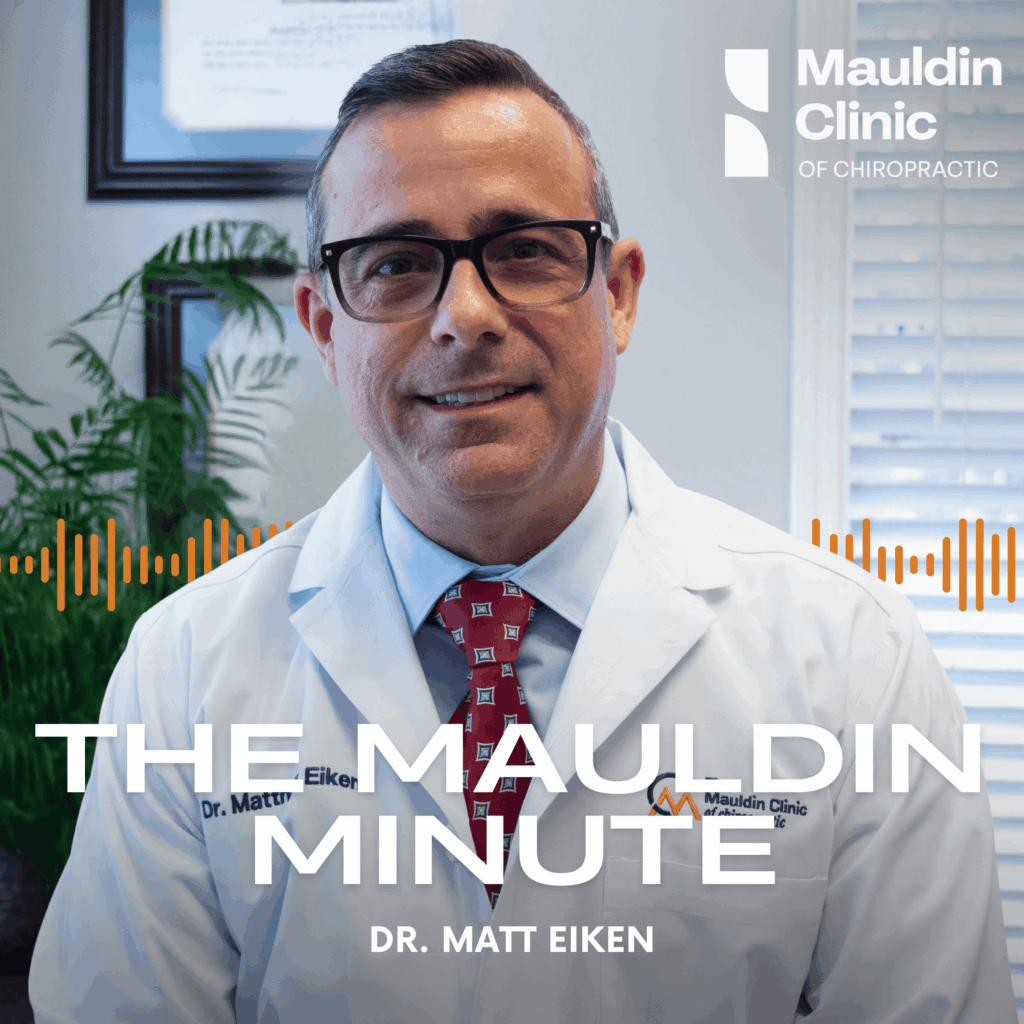
In this episode, Dr. Matt Eiken from The Mauldin Clinic in Mauldin, South Carolina dives into the science of sleep and why so many people feel drained despite getting a full night’s rest. Dr. Eiken breaks down what’s actually happening in your body while you sleep — from muscle recovery to brain detoxification — and why disrupting those processes leaves you feeling depleted. You’ll learn practical, evidence-based sleep hygiene strategies you can implement right away to finally wake up feeling refreshed. Whether you struggle with falling asleep, staying asleep, or simply not feeling rested, this episode offers clear guidance to help you take control of your sleep health.
Hey there, welcome back. I’m Doctor Matt Eiken from The Mauldin Clinic here in Mauldin, South Carolina, and today we’re talking about something that affects every single one of us — sleep. Specifically, why so many people are sleeping but still waking up exhausted, and what you can actually do about it starting tonight.
Here’s the thing. Sleep isn’t just downtime for your body. It’s when your entire system repairs itself. Your muscles recover, your brain clears out waste products, your spine decompresses. Yes — your spine actually needs sleep just as much as the rest of you. So if you’re shortchanging your sleep, you’re shortchanging your healing.
Now, I hear this a lot in the office. Someone comes in with chronic neck pain or low back pain, and when I start asking about their daily routine, it turns out they’re sleeping five or six hours a night, tossing and turning, or waking up stiff and sore every single morning. And here’s what’s interesting — poor sleep and musculoskeletal pain feed each other. Pain makes it hard to sleep. Poor sleep makes pain worse. It becomes a cycle that’s really tough to break if you only address one side of it.
So let’s talk about what sleep hygiene actually means. It’s basically a collection of habits and routines that support better, deeper, more restorative sleep. Think of it like brushing your teeth — small consistent habits that add up over time.
The first big one is your sleep schedule. Your body runs on an internal clock — what scientists call the circadian rhythm. And that clock loves consistency. Going to bed and waking up at the same time every day, even on weekends, is one of the most powerful things you can do for your sleep quality. I know weekends feel like a time to catch up, but sleeping in late actually throws your clock off and can make Monday mornings feel brutal.
The second thing I want you to think about is your environment. Your bedroom should feel like a cave — cool, dark, and quiet. Most people sleep best in a room that’s somewhere around sixty-five to sixty-eight degrees. If light is sneaking in, grab some blackout curtains. And if noise is an issue, even a simple white noise machine or a fan can work wonders. Also — and I can’t stress this enough — get your phone out of your reach at bedtime. That blue light from screens suppresses melatonin, which is the hormone your body uses to prepare for sleep. Even thirty minutes of screen-free time before bed can make a real difference.
Now here’s the practical piece. What can you do tonight? Start simple. Pick a bedtime and stick to it. Put your phone down thirty minutes before you want to be asleep. Turn the thermostat down a couple of degrees. And if you wake up in the night and can’t fall back asleep within about twenty minutes, get up, do something calm and quiet in dim lighting, and go back when you feel sleepy. Fighting your way through it while lying there frustrated usually just makes things worse.
Something else worth mentioning — your sleep position matters, especially if you’re dealing with back or neck discomfort. Sleeping on your back with a pillow under your knees, or on your side with a pillow between your knees, helps keep your spine in a more neutral alignment. Stomach sleeping tends to put a lot of strain on your neck, so if that’s your go-to position, it might be worth experimenting with something different.
Now, when should you come see us? If you’re waking up stiff and sore on a regular basis, if you’re dealing with neck pain, low back pain, or shoulder tension that’s disrupting your sleep — that’s worth getting checked out. Sometimes there’s a structural component that’s contributing to your discomfort, and addressing that can make a huge difference in how well you sleep and how you feel during the day.
At The Mauldin Clinic, we take a whole-person approach to your health. Sleep is part of that picture, and we’d love to help you figure out what’s going on and get you feeling better.
So if any of this resonated with you today, reach out to us. We’re right here in Mauldin, South Carolina, and we’re always happy to talk. Thanks so much for listening, and we’ll see you next time.

Love this office! Easy scheduling great communication from beginning to a follow up Call from Dr. Eicken.

I experienced severe shoulder and neck pain from a previous fall. The pain came on strong and without any signs. I was in such pain it was extremely hard to drive. I called The Maulden Clinic of Chiropractic and the outstanding staff had an appointment for me in 30 minutes. Dr. Matt straightened out my neck. I went home, rested and now the pain is much less. I look forward to waking up and getting back to work.

Everyone here is so friendly and thorough. I went in for back pain I’ve dealt with my whole life. They did X-rays to find the root of the problem. They figured out my problem and helped me out right then while also setting up follow up treatment. If you have pain definitely go here! I will be returning and recommending anyone who will listen.

I am still trying to adjust after getting my my adjustment. I feel different.

I’ve been coming to Dr. Matt for years now. He is the only person I trust. Not only is he a fantastic chiropractor, but a good man as well. He is a rare find. The office staff is amazing.

Very professional and courteous. They makes sure that they focus on what your needs are to make you love pain free!

First time here and it was the best experience great staff couldn’t be happier so happy I decided to go to this office everyone is very professional I watched how they treated everyone that came in and left they know them by name and you can tell they really care about people here thank you very much

Truly a blessing. His commitment to our health and over all comfort is unmatched.<br>I came seeking relief from pain 20+ years ago and he provided it. Recently, found myself crippled with pain and he again is providing the relief. Simply a wonderful man.<br><br>He’ll bring you back!!<br><br>If you seek relief and believe, he is truly the best around.<br><br>And his team is too!<br><br>Thank you.

Just wanted to drop a quick review after my monthly "tune up" with Dr. Zack and the Tina's. It is always a great experience. Years ago, i would only go see my Chiropractor when I tweaked something. It usually took several appointments to get back to normal. Now, I have a monthly cadence with Empower which helps me all along the way. Then, if I do something to irritate my neck or back, it is not as heavy of a lift to get things back in shape. I love the team! Special shout-out to Christina from this past visit!

I had a great experience at The Mauldin Clinic of Chiropractic today. Matt Eiken did an outstanding job with my adjustment. I came in pretty tight and sore, and the staff took the time to work on my back and get me loosened up before the adjustment, which made a huge difference.<br>They also did spinal decompression therapy, which helped improve the spacing in my vertebrae and provided noticeable relief. The entire process was professional, thorough, and focused on helping me feel better.<br>I left feeling significantly looser, more mobile, and with much less discomfort than when I arrived. Matt and the staff were friendly, knowledgeable, and genuinely cared about my well-being.<br>I highly recommend Matt Eiken and The Mauldin Clinic of Chiropractic to anyone looking for quality chiropractic care.

Hands down the best staff you will find. I had a severe pinched nerve with pain and loss of strength. Surgery was what my Doctor prescribed. I took a chance with these guys and after a few weeks the pain was gone. Strength is coming back and I haven’t had to go back. Amazing job they did. The most professional group I have ever dealt with<br>10 STARS.

Absolutely amazed at the results from the sound wave therapy. I just resigned myself to being in pain. Nothing worked, shots (plural), physical therapy, exercise, nothing worked and I doubted this would but thank God I was so very wrong. It has changed everything.i finally got relief from my sciatic nerve pain. Incredible. I’m forever grateful. Thank you guys so much.

Friendly staff and some of the best chiropractic adjustments I’ve had in over 30 years of care. One of the best little extras is the shockwave treatment from Olga; she does a fantastic job finding all the right spots to target healing and relief. Highly recommend this office!

Nice people good candy 30 year olds and Olga and Juliette Mary Karly and Dr Matt and anna da goats

I had a very good initial appointment. They don't push over priced treatments on you. They listen to your needs and work with you on a plan. I was very satisfied with them.

The ladies here are so wonderful and helpful. I have been coming for plantar fasciitis and have had improvement. I would recommend an evaluation here if you have tried everything and nothing has helped.

5 stars!<br>Never been to a chiropractor before, just always think I'm going to get better or I can deal with pain. I had finally had enough with my neck pain and called Dr. Matt! Man, am I glad I did. Super encouraging and energetic guy that definitely loves his job of helping people. What an amazing experience! Thank you guys<br>Austin Lynch

I have always been skeptical of chiropractors but Dr. Matt and his whole staff are absolutely wonderful. They walk you through the whole process so you know exactly what they are doing. It's a great clinic to go to and I would recommend them to anyone!!

Everyone is very helpful, friendly and polite. The staff is very welcoming and efficient. I am doing so much better with the treatment. Th pain has basically gone away and I feel like I can live normally again. I am able to go about my day pain free. Thank you all for the amazing work you do!

Mauldin was fantastic today. I found them online, got an appointment the same day. I was able to get adjusted with some relief. Everyone was super nice and helpful. Thanks so much, looking forward to more visits.

I recently visited the Mauldin clinic and had such a great experience. The staff were incredibly kind and welcoming, which made the whole visit feel comfortable and easy. Dr. Matt is especially friendly and a good person. I really appreciate the care I received!

First time visiting, and I was welcomed and treated with Great Professional Care from The Beginning to the End.

I was pleasantly surprised with my whole experience of The Mauldin Clinic of Chiropractic!!! From walking in to the beautiful building, welcoming smiles of all assistants, to sppedy recovery, everything in this place speaks of quality and customer service. Appointment was scheduled in timely manner (which is super important when you are in pain), x-ray done in house and included in your first visit with adjustment on your first visit!!!! How awesome is that! Doctor was very attentive, knowledgeable and informed me of all possibilities, treatment, options, which turned out to be exactly as he stated. What really touched my heart, is that doctor himself called in the evening of the day I was first seen and asked of my well-being. I have seen 4 chiropractic clinic prior through the years, in another states, and this was the first doctor ever to call me personally. Same care and high standards are in every aspect of this clinic. They have many technologies to speed up the process and are very advanced in this field. Every person is so kind, attentive, girls are always smiling and welcoming. It truly feels like family place. You will not be disappointed, I'm sure of it!!!

Excellent staff. Dr. Aiken has helped improved my lower back pain tremendously. Staff always reminds you when your next appointment is so you can confirm or reschedule. Dr. Aiken is very friendly and makes you feel at home

I was in much agony with a bulging disc. The office got me in the same day. I was adjusted with care and left with much relief and knowledge of my condition. The staff is personable.

I exercised with bad form during a recent workout and required professional consultation. It was effortless to make my appointment. Dr. Matt helped me improve my form and understand my spine using my Xrays. Most importantly, I found relief from the pain, for which I'm beyond grateful! The office is very clean and welcoming, and the staff are friendly and knowledgeable. You'll enjoy coming here!

The office is super friendly and my pain is gone. What more can you ask? Highly recommend.

We are very satisfied with the attention, care and professionalism of all the staff!<br><br>My son is feeling way better! Thank you guys!

Every time I come in, everyone is so sweet and loves on my baby! Postpartum back pain is no joke and Dr Matt has been so helpful in addressing it. He’s even identified issues I didn’t know I had, and I was shocked at how much more movement I had after just my first adjustment. I continue to feel better after each appointment!

I can’t say enough great things about this chiropractor and the entire team! Everyone in the clinic is incredibly friendly and welcoming, they truly make you feel like family from the moment you walk in.<br>I also tried shockwave therapy on my knees, and the results have been amazing. It has helped tremendously! My knees feel so much better, and I’m finally able to get through my workouts without any pain. I’m so grateful for the care and support I’ve received here. Highly recommend!

What a team! Dr. Matt and his team are incredible. I just started my treatment, but I have to admit that I’m excited to be in a clinic with top-quality professionals.

As a professor of anatomy for 36 years now, I have a reasonably sound understanding of the body. Dr. Matt absolutely knows the connections between skeletal misalignment, nerve compression, and pain. He is the best Chiropractor I have found - thorough, knowledgeable, and concerned for his patients. The office setting is pleasant and calming, and with a wonderful and welcoming staff. Highly recommended.

The courtesy and care that I receive at The Mauldin clinic is refreshing!

I have had almost 30 years of chiropractic care in the Atlanta metro area and I've never experienced the level of care I did with Dr. Matt at the Mauldin Clinic. His unique techniques finally provided me with continued relief and his staff is amazing! Thank you so much and I will make it a priority be back to see Dr. Matt next time I am in Greenville!

Can honestly tell you that after one visit I’ve been able to walk better than I have in weeks if not months. Highly recommend.

I have had a bad experience in the past with chiropractic care… so I was a bit apprehensive. And I’ve suffered for over a decade with back pain. I am beyond thrilled to be able to get up at a bed and feel incredible the way I do today..this place is amazing I literally just happened to be in the area and just couldn’t take the back pain anymore and they scheduled me right away. so thankful I found you!

I have had migraines almost DAILY for as long as I can remember. Over the past (only!) 6 months under Dr. Matt’s care, my migraines have already decreased to approximately once a month! Absolutely life changing for me. He and his ENTIRE staff are so welcoming, professional, and personable.

Absolute best experience I’ve ever had at any chiropractor if you’re experiencing any neck or back problems this is the chiropractor you want to go to I’ve been dealing with back pain and neck pain since July in just one visit he was able to make that pain go from a five down to a zero. I’m definitely making this my go to chiropractor and I’m going to go twice a week for a long time. Thank you so much guys.

Excellent experience from start to finish. From the moment I walked in, the atmosphere was welcoming and calming. The staff was extremely helpful and genuinely kind, making the whole visit easy and comfortable. The results from Dr. Eiken were outstanding, I felt real relief and improvement right away. Highly recommend!

Dr Eiken is precise, methodical, and he and his staff are efficient and professional. As someone who’s been to multiple chiropractors with limited success, Dr Eiken found the root of my issues and fixed it on the very first visit. I highly recommend. Bravo…

I’ve had chronic back pain for years following an injury, the last three months have been completely unbearable resulting in missed time with my family and needing to take off work. I just finished my third round of shock wave therapy combined with an adjustment and am literally pain free for the first time in years! I would recommend this treatment to anyone!

All the staff are kind, professional, and polite. It’s always a joy coming in for treatment. They treat you like family here. Highly recommend this clinic. Dr Mathew is great and walks you through everything!

Absolutely the best chiropractor ever! The staff is so nice and gets to know everyone by their names. They treat you like family.

Dr. Matt and his staff are wonderful. Very friendly clinic and they definitely care about your recovery and helping you to feel better.

The staff at this clinic were great! I had Shockwave therapy done on my knee by Olga and it helped me immensely. I no longer have shooting pain and discomfort in my knees after activity etc. I would 100% recommend this clinic to anyone looking for a chiropractor. Thank you Mauldin Clinic!

Dr.Matt and his team are amazing. They are very professional and they take the time to explain everything to you.

Everyone here is always so caring and supportive of me and my needs. Dr Matt is really working hard to make me feel better. I would recommend him to anyone.

I was able to get a same day appointment, which was very important to me. My pain level was a 8 and when I left it was about a 3. Doctor Mat and staff were all very professional and extremely friendly. I will be seeing them on a regular basis.

Dr. Matt and his team are amazing! From the moment you first walk in for your very first appointment to the time you leave, everyone is so friendly and welcoming. Dr. Matt listens to your needs, takes photos and will work on the weekend to develop a plan that is catered to each individual’s needs. I have had severe neck and shoulder pain for years. Regular adjustments and sports massages never quite did the trick. With their state-of-the-art technology, I have gotten to feel MUCH better in just a few weeks of therapy. I’m no longer in constant pain. It’s a miracle! Not only do they focus on the spine, they have non-invasive technology that can treat joint pain, injured tendons & ligaments, without surgery or medication. If you are a long-time sufferer of any type of pain-give him a try. You won’t regret it!

Mauldin Clinic of Chiropractic was very efficient! I enjoyed my visit !

I have been going to Dr Eiken for awhile now. He is amazing! He not only relieves back and neck pain. He has helped with my vertigo, sinuses, headaches, hip and knee issues. And the staff is so friendly and thorough. I highly recommend the Mauldin Clinic!

Kathleen is the most amazing host and her personality and courtesy towards us patience is flawless. Thank you all at the mauldin clinic for drafting another caring and dedicated associate to yalls clinic. Dr. Matt is my right hand man and his work was so superb that I had to come back and use him for the second time , and will a 3rd. The receptionist is so loveable and respectful and I don't know what we will do without this super team. GO TEAM MAULDIN CLINIC ❤️

