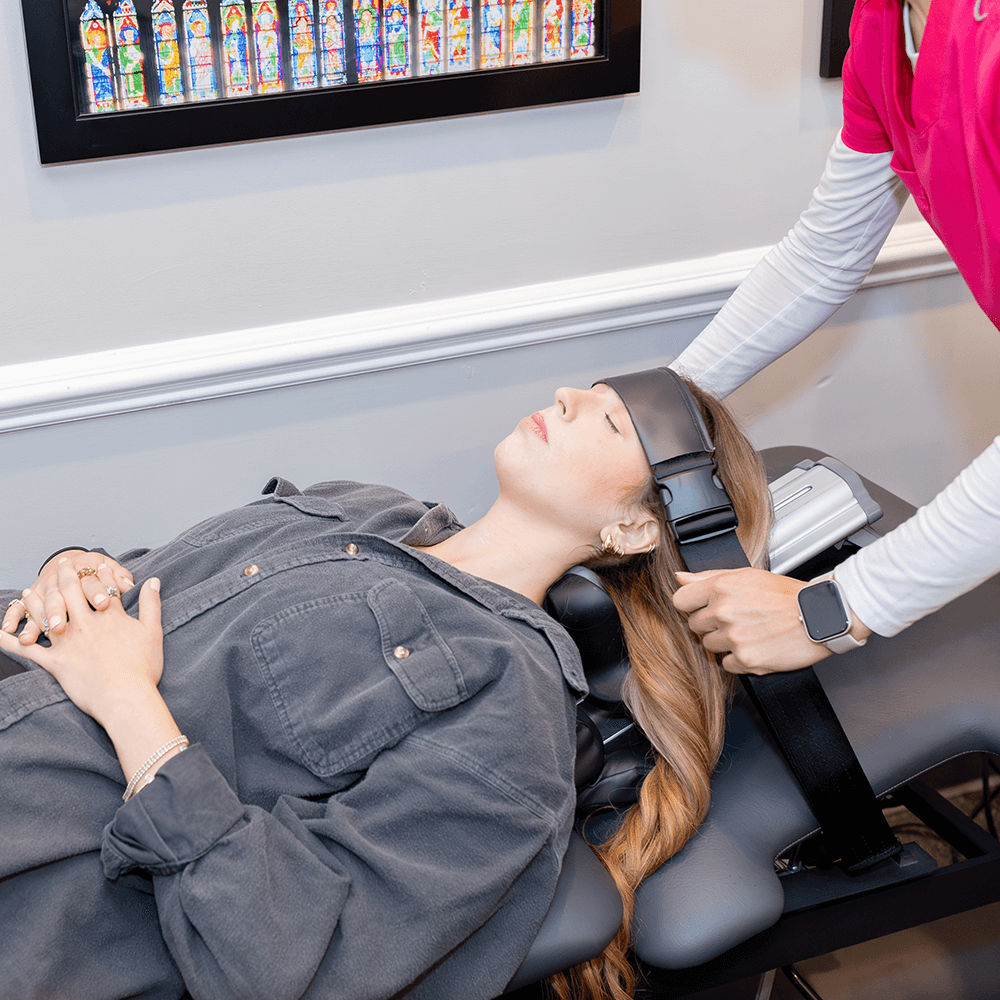

As a local chiropractor, I want to share some valuable insights on improving your joint flexibility and movement—something that can greatly enhance your overall well-being. Understanding the importance of joint health is essential, and there are various techniques we can incorporate into your routine to help you achieve better mobility.
One effective approach is dynamic stretching, which prepares your joints and muscles for movement. Additionally, there are specific exercises designed to strengthen the areas around your joints, promoting better support and reducing the risk of injury.
I encourage you to explore these strategies with me at our clinic. Together, we can create a personalized plan that not only enhances your flexibility but also fosters a natural healing process for your body. Your journey toward improved mobility starts here!
Incorporate Dynamic Stretching Into Your Routine
As a local chiropractor, I want to share the importance of incorporating dynamic stretching into your routine for enhancing joint flexibility and overall performance. Unlike static stretches that hold a position, dynamic stretches involve movement. This practice helps to warm up your muscles and joints while increasing your range of motion, which is vital for your body’s health.
Starting your day or workout with movements such as leg swings, arm circles, or walking lunges can effectively activate your body. These dynamic stretches prepare your muscles and joints for more intense activities, significantly reducing the risk of injury. They also help improve circulation, which is essential for joint health and recovery.
I encourage you to make dynamic stretching a regular part of your warm-up routine. Aim for 5 to 10 minutes of focused movement that mimics the activities you plan to engage in. Over time, you’ll likely notice improvements in agility and power.
Plus, incorporating these movements can make your workouts more enjoyable by breaking the monotony of static routines.
Remember, the goal is to flow through these movements smoothly, engaging multiple muscle groups. By incorporating dynamic stretching, you can elevate your performance and enhance your overall well-being.
Let’s work together to make this a beneficial practice in your health journey!
Practice Regular Static Stretching
As your local chiropractor, I want to share the importance of incorporating regular static stretching into your wellness routine, especially after warming up with dynamic stretching. Static stretching is a technique where you hold a stretch in a particular position for a duration of 15 to 60 seconds. This practice is essential for enhancing your joint flexibility and overall mobility.
Focusing on static stretches that target major muscle groups—such as your hamstrings, quadriceps, and shoulders—can significantly benefit your body. As you stretch, remember to breathe deeply and allow yourself to relax into each position. It’s crucial to avoid any bouncing or jerky movements; instead, aim for smooth and controlled stretches.
For optimal results, I recommend that you incorporate static stretching into your routine at least three times a week, particularly after your workouts when your muscles are warm and more pliable. This consistency will help to improve your flexibility and alleviate tightness around your joints, which can enhance your overall movement and performance in daily activities.
Always listen to your body during each stretch. If you experience any pain, it’s important to ease off and not push yourself too hard.
With patience and regular practice, you’ll likely notice a positive change in your flexibility and joint health. Remember, these small but significant steps can lead to better overall wellness and a more active lifestyle.
Engage in Joint Mobility Exercises
As a local chiropractor, I want to emphasize the importance of joint mobility exercises for your overall health and well-being. While static stretching plays a crucial role in enhancing flexibility, incorporating joint mobility exercises is equally vital for maintaining healthy joints and improving your range of motion.
These exercises are designed to move your joints through their full range, which helps promote better circulation and reduces stiffness. It’s a natural way to keep your body functioning optimally. For beginners, I recommend starting with simple movements such as arm circles, hip openers, and ankle rolls. These exercises can help break up any tightness and improve your mobility.
Additionally, consider integrating dynamic stretches that mimic the activities you engage in daily or during your workouts. For example, performing gentle squats can significantly enhance knee and hip mobility.
I encourage you to include joint mobility exercises in your routine at least three times a week. You’ll likely notice increased comfort and ease in your movements as you continue.
Remember to take your time with each exercise; slow and intentional movements allow you to fully engage your joints. It’s also essential to listen to your body—if something feels uncomfortable, feel free to adjust or skip that movement altogether.
With consistent practice, you should experience not only improved flexibility but also enhanced overall joint health. As your chiropractor, I’m here to guide you on this journey toward natural healing and better mobility.
Utilize Foam Rolling Techniques
As a local chiropractor, I want to share with you the incredible benefits of foam rolling for enhancing joint flexibility.
This technique allows you to target specific muscle groups, effectively releasing tension and boosting your overall mobility.
Incorporating foam rolling into your regular routine can lead to significant improvements in how your body feels and moves.
It’s a simple yet powerful tool that can complement your chiropractic care and promote natural healing.
I encourage you to give it a try!
Target Specific Muscle Groups
As a local chiropractor dedicated to promoting natural healing and overall wellness, I want to share how foam rolling techniques can significantly enhance your flexibility by specifically targeting key muscle groups.
Let’s begin with your calves. Gently rolling over this area can effectively release tightness and improve mobility.
Next, turn your attention to your hamstrings; this area often holds tension, so take your time to focus on any tender spots you may find.
Don’t forget about your quadriceps; these muscles frequently accumulate tension due to our daily activities, and spending a few minutes here can make a big difference.
It’s also essential to work on your glutes. Tightness in this area can restrict hip movement, impacting your overall mobility.
When addressing your back, please be cautious and roll gently to avoid any injury. Remember, deep breathing is important during this process; it helps your muscles relax and promotes a sense of calm.
Additionally, targeting your shoulders and upper back can alleviate stiffness, which is crucial for maintaining a full range of motion.
By concentrating on these key areas, you’ll likely notice improved flexibility and enhanced overall movement in no time.
As always, if you have any questions or concerns about your body’s health, feel free to reach out to me for personalized advice and care.
Incorporate Consistent Routine
As a local chiropractor, I want to emphasize the importance of incorporating foam rolling into your regular routine for optimal muscle health and recovery.
By making foam rolling a consistent part of your weekly schedule—ideally before and after your workouts—you can effectively release muscle tension and enhance your overall flexibility.
Start by focusing on areas that feel particularly tight, spending 30 seconds to 2 minutes rolling over these spots. Pay special attention to major muscle groups such as your quads, hamstrings, and back.
It’s important not to rush through this process; take your time to breathe deeply and relax as you roll.
As you begin to integrate foam rolling into your daily practice, you’ll likely notice improvements in your mobility and a reduction in post-exercise soreness.
Consistency is crucial in this practice—by making foam rolling a habit, you’ll be supporting your joints and muscles in a way that can greatly enhance your overall health and well-being.
I encourage you to adopt this natural healing technique as part of your wellness journey. Your body will thank you for it!
Strengthen Supporting Muscles
As a local chiropractor, I want to emphasize the importance of strengthening the muscles that support your joints, which is often overlooked in discussions about joint health. Many people focus solely on flexibility, but it’s crucial to understand that strong muscles play a vital role in stabilizing your joints. This stability can significantly reduce your risk of injury and enhance your overall movement.
To get started, I recommend incorporating strength training exercises into your routine that specifically target the key muscle groups around your joints, including your knees, hips, and shoulders. Some effective exercises include squats, lunges, and resistance band workouts. These exercises not only build strength but also promote better joint function.
Additionally, don’t underestimate the importance of a strong core. A robust core provides essential support for your joints during movement, which can lead to better posture and alignment.
I suggest aiming for at least two strength training sessions per week, focusing on proper form to prevent any injuries.
As you progress and build strength, you’ll likely notice improvements in joint stability and increased flexibility. Remember, achieving a balance between muscle strengthening and maintaining flexibility is key to enhancing your overall joint health and movement.
If you have any questions or would like personalized recommendations, feel free to reach out during your next visit!
Stay Hydrated for Joint Health
As your local chiropractor, I want to take a moment to emphasize the crucial role that hydration plays in your joint health. Many of my patients are surprised to learn just how essential proper hydration is for maintaining the function and flexibility of your joints.
Water serves as a natural lubricant, minimizing friction and allowing your joints to move smoothly. When you’re not drinking enough water, your body can produce less synovial fluid, which is important for cushioning and safeguarding your joints.
To support your joint health, I encourage you to make it a habit to drink sufficient water throughout the day. It’s not just about gulping down water during meals—try to sip regularly, especially if you’re physically active or live in a warmer climate.
Listen to your body; signs like thirst, a dry mouth, or darker urine can be indicators that you need to increase your fluid intake.
Additionally, incorporating hydrating foods like fruits and vegetables into your diet can enhance your overall fluid consumption. By prioritizing hydration, you’re taking a simple yet powerful step towards improving your joint health and flexibility.
Consider Yoga or Pilates for Flexibility
As a local chiropractor dedicated to your overall wellness, I want to share the benefits of incorporating yoga or Pilates into your routine for improved flexibility.
Many of my patients have found that these practices not only enhance flexibility but also build strength and balance, which are essential for maintaining healthy joints and preventing injuries.
By combining elements from both yoga and Pilates, you can create a well-rounded approach to your joint health that complements the chiropractic care you receive.
Embracing these natural healing techniques can significantly contribute to your overall well-being.
Benefits of Yoga
As a local chiropractor, I want to share with you the incredible benefits of incorporating yoga into your wellness routine, especially when it comes to enhancing flexibility. Regular practice can significantly improve your range of motion in the joints, making daily activities smoother and more enjoyable. The various yoga poses are designed to target different muscle groups, promoting lengthening and relaxation, which is essential for maintaining a healthy body.
By engaging in yoga, you not only foster flexibility but also cultivate better body awareness. This heightened awareness helps you understand how your body moves and what it requires, allowing for more informed decisions about your health. Moreover, yoga promotes balance, which is crucial in preventing injuries and enhancing overall stability.
One of the key elements of yoga is the mindful breathing techniques, which are beneficial in reducing stress. When stress is managed effectively, your muscles are able to relax and release built-up tension.
By making yoga a part of your regular routine, you won’t only enhance your physical flexibility but also develop a sense of calm and focus that positively impacts both your body and mind.
So, I encourage you to roll out your mat and experience these benefits for yourself. As a chiropractor, I believe in a holistic approach to health, and yoga is a fantastic complement to chiropractic care and natural healing practices.
Let’s work together towards your wellness goals!
Pilates for Strength
As your local chiropractor, I want to emphasize the importance of incorporating Pilates into your fitness routine, especially for those who may not be familiar with the benefits of chiropractic care and natural healing.
Pilates offers a unique approach to building strength while also enhancing flexibility, similar to yoga, but with a focus on core stability and alignment. Engaging in Pilates exercises—such as the hundred, leg circles, and planks—can significantly strengthen your core and other muscle groups without adding unwanted bulk.
This controlled and mindful movement not only improves your muscle strength but also boosts your endurance and coordination, which are essential for maintaining a healthy body. By integrating Pilates into your regular fitness regimen, you may experience improved posture and a reduced risk of injury.
This is particularly beneficial for those who may be recovering from musculoskeletal issues or looking to enhance their overall physical performance. Remember, maintaining proper form and practicing deep breathing during your sessions is crucial for maximizing the benefits.
As you commit to regular Pilates workouts, you’ll likely notice a more balanced physique, which can lead to easier, more confident movements in your daily life. This holistic approach complements the principles of chiropractic care, aiming to promote natural healing and overall well-being.
If you have any questions about how Pilates can fit into your wellness journey, feel free to ask during your next visit!
Combining Both Practices
As your local chiropractor, I want to share the benefits of incorporating both Pilates and yoga into your wellness routine. While many individuals often focus solely on strength training, blending these two practices can significantly enhance your flexibility and overall body awareness.
Both Pilates and yoga complement each other beautifully, helping you improve your core strength while increasing your range of motion.
In a Pilates session, you’ll develop stability and muscle control, which are crucial for maintaining proper alignment and preventing injuries. Meanwhile, yoga focuses on stretching and relaxation, allowing your body to release tension and improve circulation.
Together, these practices not only support your physical health but also promote a holistic approach to well-being, which aligns perfectly with the principles of chiropractic care and natural healing. Embracing both can lead to a more balanced and resilient body, enhancing your overall quality of life.
Conclusion
As your local chiropractor, I want to share some valuable insights on enhancing your joint flexibility and movement. By incorporating these strategies into your daily routine, you can experience significant improvements in your overall mobility.
Firstly, it’s important to balance both dynamic and static stretching. Dynamic stretches prepare your joints for activity, while static stretches help maintain flexibility. Alongside these, engaging in mobility exercises can further enhance your range of motion. Don’t forget about foam rolling—it’s an excellent way to relieve tension in your muscles and fascia, promoting better movement.
Strengthening the muscles that support your joints is essential for long-term joint health. Additionally, staying well-hydrated plays a crucial role in maintaining the lubrication of your joints.
I also encourage you to explore practices like yoga or Pilates. These disciplines not only improve flexibility but also enhance core strength, which is vital for overall stability and injury prevention.
With consistency in these practices, you’ll likely notice increased agility and a reduced risk of injuries. Remember, your body is designed to move, and with the right care and attention, you can help it perform at its best!