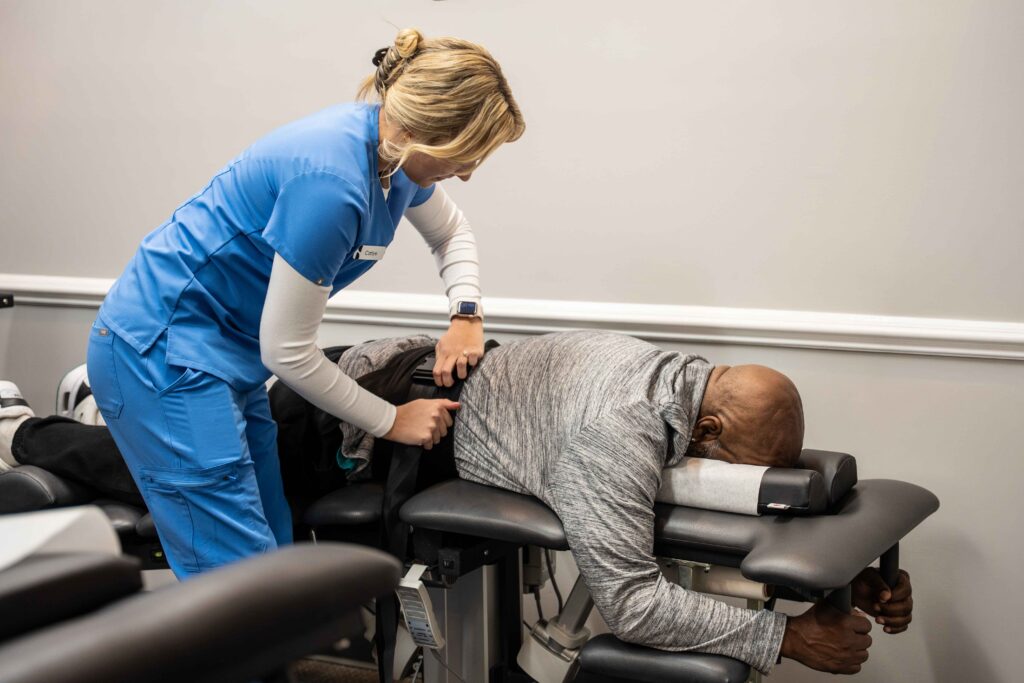

If you’re looking to improve your mobility and flexibility, incorporating effective strategies into your daily routine is crucial. As a chiropractor, I believe that chiropractic care is a fundamental piece of the puzzle for achieving optimal health and wellness, especially when it comes to enhancing your body’s natural movement capabilities.
One important approach is dynamic stretching. This type of stretching warms up your muscles and prepares them for physical activity, making it an excellent addition to your routine. Pair it with regular chiropractic adjustments, which can help align your spine and improve your overall range of motion. By ensuring your spine is in proper alignment, you can significantly enhance your mobility and reduce the risk of injury.
Yoga is another fantastic way to boost flexibility. It not only stretches your muscles but also promotes relaxation and mindfulness. However, remember that chiropractic care complements your yoga practice by ensuring that your spine and joints are functioning optimally, allowing you to reap the full benefits of your poses.
Staying properly hydrated is essential for maintaining flexibility as well. Water helps keep your muscles and joints lubricated, which can prevent stiffness. Regular chiropractic visits can also guide you in understanding the importance of hydration for your overall health.
In addition to these practices, consider incorporating the following tips into your lifestyle:
- Posture Awareness: Being mindful of your posture throughout the day can prevent unnecessary strain on your spine and muscles.
- Regular Movement: Take breaks from sitting to stretch and move around, which can help maintain flexibility and mobility.
- Strength Training: Building strength, especially in your core, supports your spine and enhances your overall stability.
- Listen to Your Body: If you feel tightness or discomfort, it may be a sign that you need to adjust your routine or seek a chiropractic adjustment.
- Consistent Routine: Establishing a consistent stretching and mobility routine can yield long-term benefits for your body.
By integrating these practices and prioritizing chiropractic care, you can improve your mobility and flexibility while promoting natural healing. Let’s work together to achieve your health goals and enhance your quality of life!
Incorporate Dynamic Stretching Into Your Routine
Incorporating dynamic stretching into your routine can be a transformative step towards improving your mobility and flexibility, especially when paired with chiropractic care. Unlike static stretching, which involves holding positions, dynamic stretching involves movement that warms up your muscles and increases blood flow. This type of stretching prepares your body for physical activity by engaging multiple muscle groups at once, making it an excellent complement to your overall wellness journey.
Start with simple, gentle movements like leg swings, arm circles, or torso twists. As you become more comfortable, you can progress to more complex movements such as walking lunges or high knees. Aim to spend about 5 to 10 minutes on dynamic stretching before your workouts. Not only does this enhance your range of motion, but it also plays a crucial role in reducing the risk of injury, allowing your body to move more freely and efficiently.
Remember, chiropractic care is a natural and effective way to support your body’s health and function. Regular adjustments can improve your spine’s alignment, which may enhance your overall physical performance and recovery.
By integrating dynamic stretching into your routine and prioritizing chiropractic care, you’re taking proactive steps towards achieving optimal health and wellness.
Practice Regular Yoga or Pilates
If you’re looking to enhance your mobility and flexibility, incorporating regular yoga or Pilates into your routine can be incredibly beneficial.
While these practices can strengthen your body and promote relaxation, it’s important to remember that they work best in conjunction with chiropractic care.
As a chiropractor, I emphasize the significance of a healthy spine in achieving overall wellness. Regular adjustments can help align your spine, reducing pain and improving your range of motion.
When your spine is in alignment, you’ll likely find that your yoga and Pilates practice becomes even more effective.
By making chiropractic care a part of your health journey, you can experience natural healing and improved well-being.
Pairing your practice with adjustments can maximize the benefits you receive from yoga or Pilates, helping you to feel better and move more freely.
Remember to listen to your body and consult with your chiropractor on how to safely incorporate these practices.
Together, we can work towards a pain-free, healthier lifestyle!
Benefits of Yoga
While many individuals pursue physical fitness, the benefits of yoga reach far beyond merely enhancing flexibility and strength. Incorporating yoga into your wellness routine can significantly impact your overall health and well-being, especially when complemented by chiropractic care. Here are some key benefits you’re likely to experience through regular yoga practice:
- Stress Relief: The breathing techniques and mindfulness in yoga can help calm your mind, reducing anxiety. This aligns beautifully with chiropractic care, which also emphasizes relaxation and stress reduction to promote healing.
- Improved Posture: Yoga fosters awareness of body alignment, which is crucial for spinal health. As a chiropractor, I often see how good posture alleviates strain on the spine and joints, preventing pain and discomfort.
- Enhanced Balance: Many yoga poses challenge your stability, helping you develop better coordination and body awareness. This can be particularly helpful in maintaining a healthy spine and preventing injuries.
- Increased Energy: Regular yoga practice invigorates your body, leaving you feeling more energized. When combined with chiropractic adjustments, you can experience a significant boost in your overall vitality.
Incorporating yoga into your routine, alongside regular chiropractic care, can greatly enrich both your physical and mental health.
Remember, maintaining a healthy spine is key to overall wellness. Here are a few tips to help you maximize the benefits of yoga and chiropractic care:
- Stay Consistent: Aim to practice yoga regularly, even if it’s just for a few minutes each day.
- Listen to Your Body: Pay attention to how your body feels during yoga and adjust poses to avoid strain.
- Combine Techniques: After a yoga session, consider visiting your chiropractor to enhance the benefits of your practice and ensure your spine is aligned.
Pilates for Strength
Pilates can be a fantastic addition to your health and wellness routine, especially if you’re looking to strengthen your body and enhance your overall stability. While yoga is great for improving flexibility and balance, Pilates focuses on building core strength, which plays a crucial role in supporting your spine and overall health.
Incorporating Pilates into your routine helps to engage your abdominal muscles, back, and hips, which are essential for maintaining good posture and preventing pain. A strong core can alleviate pressure on your spine, making it easier to perform daily activities without discomfort.
You don’t need to attend a class to get started with Pilates; there are many online resources available that can guide you. Just remember to focus on controlled movements and proper alignment to avoid injury. As your strength increases through Pilates, you may find that you experience less pain and improved mobility, which can further enhance your daily life.
As a chiropractor, I encourage you to consider how Pilates can work hand-in-hand with chiropractic care. By strengthening your core and improving your posture, you can complement the adjustments you receive in my office, leading to even better results in your journey toward optimal health.
To get the most out of your Pilates practice, here are a few tips:
- Listen to Your Body: If something doesn’t feel right, don’t push through the pain. Your body is communicating with you.
- Maintain Alignment: Focus on keeping your spine in a neutral position to protect it during exercises.
- Breathe: Proper breathing can enhance your performance and help you stay centered throughout your practice.
- Stay Consistent: Regular practice will yield the best results, so try to incorporate Pilates into your weekly routine.
Daily Practice Tips
Incorporating regular yoga or Pilates into your daily routine can be an excellent complement to chiropractic care, enhancing your mobility and flexibility while promoting natural healing. By dedicating just a few minutes each day, you can experience significant improvements in how you feel and move.
Here are some helpful tips to make your practice beneficial alongside your chiropractic journey:
- Set a Schedule: Designate a specific time each day for your practice. Consistency is key to achieving the best results and integrating this into your routine makes it easier.
- Create a Comfortable Space: Find a quiet and inviting area in your home where you can lay out your mat. A calm environment helps you focus on your movements and aligns with the holistic approach of chiropractic care.
- Start with Basics: It’s important to begin with simple poses or exercises that are appropriate for your current level of fitness. This helps prevent injury and allows your body to adapt gradually, which is essential for maintaining spinal health.
- Listen to Your Body: Always pay close attention to how your body feels during practice. If something doesn’t feel right, modify the exercise or skip it altogether. Your body knows best, and this awareness is crucial in conjunction with the guidance you receive from your chiropractor.
By incorporating these practices into your daily routine and working alongside your chiropractic care, you’ll likely notice a remarkable difference in your overall well-being and mobility.
Use Foam Rollers for Myofascial Release
Foam rolling can be a transformative practice for enhancing your mobility and flexibility, especially when paired with chiropractic care. As a local chiropractor, I believe in the power of natural healing methods to help release tightness in your muscles and fascia, which can significantly improve your recovery and overall performance.
Using a foam roller is a simple yet effective way to alleviate muscle tension that may be contributing to discomfort or limited range of motion. By incorporating foam rolling into your wellness routine alongside regular chiropractic adjustments, you can experience greater benefits for your spinal health and overall well-being.
Here are some helpful tips to maximize your foam rolling sessions:
- Focus on Key Areas: Target areas that are commonly tight, such as your back, hips, and legs. These areas often hold tension that can affect your spinal alignment.
- Take It Slow: When foam rolling, move slowly over each muscle group. This allows the pressure to effectively release tension and improve blood flow to the area.
- Breathe Deeply: Remember to breathe deeply while rolling. Deep breathing can help your muscles relax, making the process more effective.
- Listen to Your Body: Pay attention to how your body feels during foam rolling. If you encounter a particularly tender spot, spend a little extra time on it, but don’t push through severe pain.
- Combine with Chiropractic Care: Regular visits to your chiropractor can enhance the benefits of foam rolling. Chiropractic adjustments help ensure that your spine and nervous system are functioning optimally, allowing for better results from your self-care practices.
By integrating foam rolling into your health and wellness routine, you can take proactive steps toward a pain-free, healthier life.
Benefits of Foam Rolling
Myofascial release is an effective technique that can significantly boost your mobility and flexibility. One of the best ways to achieve this is through foam rolling, which can complement your chiropractic care perfectly.
Here are some key benefits of incorporating foam rolling into your wellness routine:
- Reduces Muscle Tension – Foam rolling helps alleviate tightness in your muscles, allowing them to relax and recover. This is particularly beneficial for those who experience discomfort from daily activities or prolonged sitting.
- Improves Blood Flow – By enhancing circulation, foam rolling promotes quicker recovery and reduces soreness. This increased blood flow can work hand-in-hand with chiropractic adjustments to optimize your healing process.
- Enhances Range of Motion – Foam rolling can help loosen stiff joints and improve overall movement. When combined with chiropractic care, this can lead to better alignment and function of your spine and joints.
- Relieves Pain – Targeting specific trigger points through foam rolling can decrease discomfort, making everyday activities much more manageable. It’s a great complementary practice to your chiropractic treatments for achieving lasting pain relief.
For those looking to enhance their health and wellbeing, here are some simple tips for using a foam roller effectively:
- Start Slowly: If you’re new to foam rolling, begin with gentle pressure and gradually increase the intensity as your muscles adapt.
- Focus on Problem Areas: Spend extra time on any tight spots or areas of discomfort, but remember to listen to your body and avoid causing pain.
- Incorporate it into Your Routine: Try to foam roll 3-4 times a week, especially after workouts or long periods of inactivity to reap the maximum benefits.
Remember, while foam rolling can be a fantastic addition to your wellness journey, regular chiropractic care is essential for maintaining optimal health and addressing underlying issues.
Embrace a holistic approach to your wellbeing by combining these practices for the best results!
Techniques for Effective Use
To truly harness the benefits of myofascial release, using a foam roller effectively is essential. As a chiropractor, I want to guide you on how to incorporate this technique into your wellness routine.
Begin by focusing on tight areas in your body, such as your back, thighs, or calves. Position the foam roller under the muscle group you wish to relieve tension from, and gently roll back and forth. Remember, there’s no need to force it—just apply gentle pressure.
If you encounter a tender spot, take a moment to pause and breathe deeply for about 20-30 seconds. This intentional breathing allows your muscle to relax, promoting natural healing. Aim to spend about 1-2 minutes rolling each area, and always remember to hydrate afterward to support your recovery process.
Integrating foam rolling into your routine before and after workouts can enhance your flexibility and reduce soreness.
However, it’s important to note that while foam rolling can be beneficial, consulting with your chiropractor for personalized care is crucial for optimal health. Chiropractic care not only addresses pain but also promotes overall wellness through natural methods.
Stay Hydrated for Optimal Muscle Function
Staying Hydrated for Optimal Muscle Function and Overall Wellness
As a chiropractor, I often see patients who focus heavily on their workout routines and stretching techniques, but many overlook a crucial element: hydration. Proper hydration is essential for not only peak muscle function but also overall health.
When your body is well-hydrated, your muscles can perform efficiently, recover more quickly, and you’re less likely to experience cramps and other discomforts. Here are some important benefits of staying hydrated that can enhance your wellness journey:
- Improved Circulation: Water plays a vital role in transporting nutrients to your muscles. This means better performance during workouts and more efficient energy use. Remember, when your body is well-hydrated, it can function at its best!
- Enhanced Flexibility: When your muscles are properly hydrated, they become more pliable. This flexibility allows for better movement and can help reduce stiffness, making it easier to maintain a full range of motion.
- Optimal Recovery: Hydration is key to recovery. Drinking enough water helps flush out toxins from your muscles and reduces soreness after exercise. This is especially important if you’re incorporating chiropractic adjustments into your routine, as it aids in healing and helps maintain alignment.
- Prevention of Injury: Staying hydrated helps keep your joints lubricated, which can lower the risk of strains and sprains. This is particularly beneficial for those engaging in physical activities or recovering from injuries.
To support your hydration needs, aim to drink plenty of water throughout the day, particularly before, during, and after exercise. A good rule of thumb is to carry a water bottle with you, making it easier to sip throughout the day.
In addition to hydration, consider incorporating regular chiropractic care into your wellness routine. Chiropractic adjustments can optimize your nerve function, improve blood flow, and enhance your body’s natural ability to heal itself.
Together, proper hydration and chiropractic care can help you reach your health and wellness goals.
Stay hydrated, stay aligned, and your body will thank you!
Focus on Strength Training With Full Range of Motion
Strength training with a full range of motion isn’t only vital for maximizing your workout results, but it also plays a significant role in maintaining a healthy spine and overall wellness. Engaging in exercises that move through a complete range allows you to activate more muscle fibers, which can help build strength and encourage muscle growth. This holistic approach doesn’t just enhance your performance; it also contributes to better flexibility, which is essential for spinal health.
As you embark on your strength training journey, focus on controlled movements. Rushing through exercises may lead to poor form, increasing the risk of injury—something we definitely want to avoid for a healthy spine. Incorporating fundamental exercises like squats, deadlifts, and bench presses can help you utilize your joints thoroughly, ensuring that your muscles are effectively engaged and your spine is supported.
Variety is also key. By mixing up your movements, you can challenge different muscle groups, improve coordination, and create a balanced strength profile, which is beneficial for your spinal alignment. Always pay attention to your body; if something doesn’t feel right, it’s important to adjust your range of motion.
Prioritize lifting lighter weights with proper form over heavier weights with poor technique. This approach not only protects your spine but also enhances your strength and mobility in a safe manner.
Remember, chiropractic care can play a crucial role in supporting your strength training efforts. Regular visits to your chiropractor can help ensure that your spine is properly aligned, which is essential for optimal movement and function.
Set Aside Time for Mobility Drills
Incorporating mobility drills into your routine just a few times a week can significantly improve your flexibility and overall movement quality, which are key components of maintaining a healthy spine.
As a chiropractor, I emphasize the importance of setting aside dedicated time for these drills to enhance your natural healing process and promote optimal health.
Here’s how you can integrate mobility work into your life:
- Choose specific days: Pick two or three days a week to focus solely on mobility. Consistency is vital for seeing improvements.
- Create a comfortable space: Find a quiet area where you can move freely without distractions. This could be your living room, backyard, or even a local park.
- Select your drills: Incorporate a mix of upper and lower body exercises, such as hip openers, shoulder stretches, and spine rotations. These movements help alleviate tension and improve your range of motion, which is essential for spinal health.
- Set a timer: Aim for 15-20 minutes during each session. This structured approach keeps you focused and ensures that you dedicate enough time to your mobility practice.
By integrating these mobility drills into your routine, you can support your body’s natural alignment and enhance your overall wellness.
Listen to Your Body and Rest When Needed
Listening to your body is crucial for maintaining mobility and preventing injury, especially when you’re trying out new physical activities. As a local chiropractor, I want to emphasize that when you start to feel fatigue, soreness, or discomfort, it’s important to pay attention to those signals instead of pushing through.
Remember, taking a break isn’t a sign of weakness; it’s a vital part of your body’s healing and recovery process. Allowing your muscles and joints time to recover is essential for optimal health. Incorporate rest days into your routine to give your body the chance to heal and adapt.
These breaks can help prevent injuries and improve your overall wellbeing. Consider active recovery, such as gentle stretching or engaging in low-intensity activities. This approach not only keeps you active but also promotes flexibility without straining your body.
Additionally, chiropractic care can play a significant role in your recovery journey. Regular adjustments can help align your spine, improve mobility, and reduce discomfort, making it easier for your body to heal naturally.