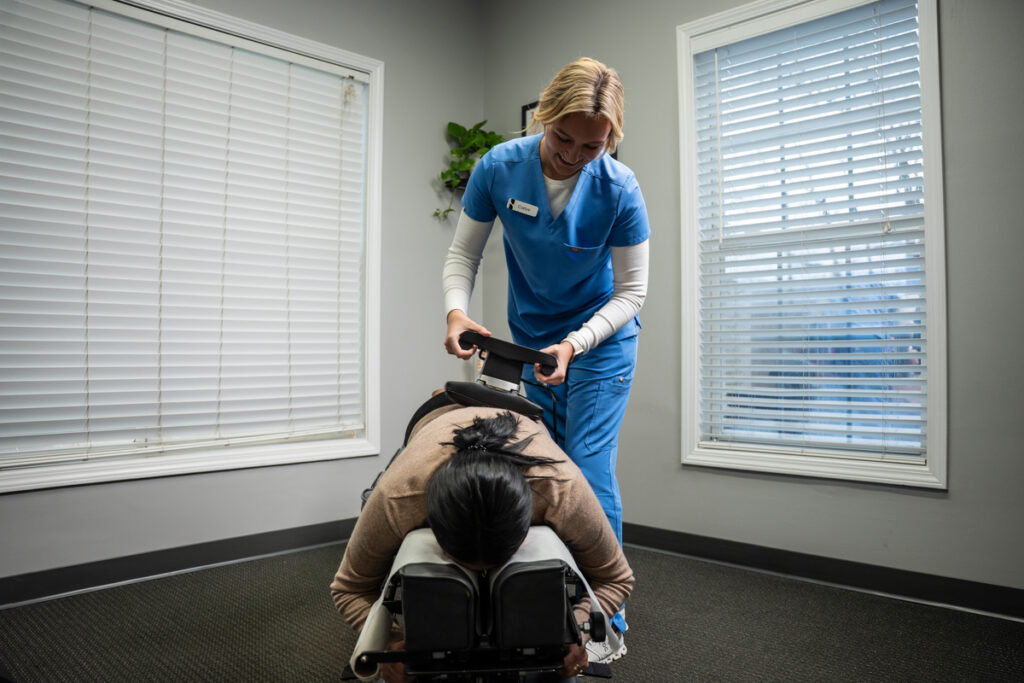

As a local chiropractor, I often encounter patients who struggle with achieving a restful night’s sleep. You’re not alone in this; many people face similar challenges. The journey to better sleep can sometimes feel overwhelming, but I want to share that there are natural solutions available to you. Understanding your sleep cycles and creating an optimal sleep environment are critical steps, and these are areas where I can help.
Moreover, chiropractic care can play a significant role in improving your sleep quality. By addressing any misalignments in your spine and relieving tension in your body, we can promote relaxation and support your overall health. This is just the beginning; there are several surprising and effective strategies that I’d love to share with you. Together, we can explore holistic approaches to enhance your sleep and overall well-being.
Understanding Sleep Cycles and Their Importance
As a chiropractor dedicated to your overall well-being, I want to emphasize the importance of understanding sleep cycles and how they significantly impact your health. Many people view sleep simply as a time to rest, but it’s much more complex.
Sleep is made up of various stages, including REM and non-REM sleep, and each cycle lasts about 90 minutes. Throughout the night, you go through multiple cycles, and during these stages, your body engages in vital functions such as tissue repair, hormone regulation, and memory consolidation.
When your sleep cycles are disrupted, it can lead to issues like fatigue, mood swings, and challenges with concentration—all of which can affect your daily life and overall health. That’s why prioritizing quality sleep is essential.
Completing full sleep cycles is key, so I recommend aiming for 7 to 9 hours of sleep each night. This will allow you to experience all stages multiple times, leading to a more restorative rest.
By understanding your sleep cycles, you can make informed choices that enhance your sleep quality and, in turn, your physical and mental well-being.
As we explore natural healing methods together, embracing this knowledge about sleep can empower you to cultivate a healthier lifestyle. Prioritizing your sleep isn’t just about feeling rested; it’s about supporting your entire body’s function and promoting a balanced, healthy life.
Creating a Sleep-Friendly Environment
As a local chiropractor dedicated to your overall well-being, I want to emphasize the importance of creating a sleep-friendly environment to support relaxation and enhance your healing process.
The quality of your sleep can significantly impact your spine health and overall wellness.
Start by ensuring that your room is at a comfortable temperature—ideally between 60 to 67 degrees Fahrenheit—since a cooler environment can promote deeper sleep.
Next, consider controlling the light in your bedroom; using blackout curtains or sleep masks can help eliminate disruptive light and signal your body that it’s time to rest.
Additionally, minimizing noise is crucial for a restful night. You might find white noise machines or soft background sounds beneficial in creating a calm atmosphere.
By making these simple adjustments, you can significantly improve your sleep quality, which is essential for recovery and maintaining a healthy spine.
Optimal Room Temperature
As a local chiropractor dedicated to promoting overall health and wellness, I want to emphasize the importance of creating an optimal sleep environment, particularly when it comes to room temperature.
Research indicates that a cooler setting can significantly improve your ability to fall asleep and maintain quality sleep throughout the night. For the best results, aim for a temperature between 60 and 67 degrees Fahrenheit.
When your room is too warm, it can lead to restless nights filled with tossing and turning, making it difficult to find that comfortable position necessary for restorative sleep.
To help regulate your body temperature, consider using breathable sheets and lightweight blankets. Additionally, incorporating a fan or air conditioner can enhance air circulation, making your sleep environment more comfortable.
If you frequently wake up feeling hot, it might be time to adjust your thermostat or open a window for fresh air.
Finding the right temperature not only aids in achieving deeper sleep but also supports your overall well-being, which is a key aspect of chiropractic care.
Light and Noise Control
As a local chiropractor, I want to emphasize the importance of a peaceful sleep environment for your overall health and well-being.
Quality rest is crucial, and managing light and noise levels in your bedroom can significantly enhance your sleep quality.
To create a restful space, start by blocking out unwanted light. Using blackout curtains or eye masks can help ensure that your room is as dark as possible, as even small amounts of light can disrupt your sleep cycle.
When it comes to noise, consider incorporating earplugs or a white noise machine into your routine. These tools can effectively drown out disruptive sounds that may interfere with your ability to relax.
Additionally, it’s wise to keep electronic devices away from your bedside. These gadgets often emit both light and noise that can hinder your sleep.
By creating a comfortable, quiet, and dark environment, you can improve your ability to fall asleep faster and stay asleep longer.
This, in turn, contributes to better overall rest and rejuvenation, which is essential for your body’s healing processes.
Establishing a Consistent Sleep Routine
As a local chiropractor, I often emphasize the importance of establishing a consistent sleep routine for enhancing your overall well-being. Many of my patients lead busy lives, but prioritizing regular sleep can significantly improve your health and recovery.
I recommend aiming to go to bed and wake up at the same time each day, including weekends. This practice helps regulate your body’s internal clock, which can make it easier for you to fall asleep and wake up feeling refreshed.
To prepare for a restful night, consider creating a calming pre-sleep ritual. Activities like reading or gentle stretching can signal to your body that it’s time to wind down.
It’s also crucial to limit screen time at least an hour before bed, as the blue light emitted by devices can interfere with melatonin production, which is essential for sleep.
Your sleep environment plays a vital role in the quality of your rest. Ensure your bedroom is comfortable—keep it cool, dark, and quiet.
If you find it challenging to drift off, I advise against napping during the day, as it can disrupt your nighttime sleep.
By prioritizing a consistent sleep routine, you’ll not only improve your sleep quality but also support your body’s natural healing processes.
Relaxation Techniques for Better Sleep
As a local chiropractor, I want to share with you how incorporating relaxation techniques can greatly enhance your sleep quality.
Many of my patients have found that practices such as breathing exercises, guided imagery, and progressive muscle relaxation can effectively calm both the mind and body.
These natural methods align well with chiropractic care, as they promote overall wellness and help create a more conducive environment for restful sleep.
By exploring these techniques, you can discover what works best for you and improve your nightly rest without relying solely on medications.
Let’s work together to find the right approach for your individual needs.
Breathing Exercises Benefits
As a chiropractor, I often emphasize the importance of holistic approaches to health, and one powerful technique that can significantly enhance your sleep quality is simple breathing exercises.
By concentrating on your breath, you can trigger your body’s natural relaxation response, which helps alleviate stress and anxiety. When you engage in deep, slow breathing, you’re essentially sending a calming signal to both your mind and body, making it much easier to fall asleep.
This method not only lowers your heart rate but also calms your nervous system, creating the optimal environment for restorative sleep. Incorporating breathing exercises into your nightly routine allows you to release the tension that builds up during the day, contributing to a more peaceful state of mind as you prepare for rest.
I encourage my patients to take just a few minutes each night for mindful breathing. This practice can truly set the stage for a tranquil night, leading to deeper and more restorative sleep.
Guided Imagery Practices
As a chiropractor dedicated to promoting natural healing, I want to share with you the benefits of guided imagery practices, especially when it comes to achieving restful sleep. In addition to the calming effects of breathing exercises, guided imagery can be a powerful tool in your wellness journey.
By visualizing serene landscapes or peaceful scenarios, you can effectively shift your focus away from daily stressors that may contribute to tension and discomfort in your body.
Imagine yourself strolling along a tranquil beach or lying in a lush meadow. As you engage your senses—hearing the gentle waves, feeling the soft grass beneath you—you allow your mind and body to relax deeply. This vivid mental imagery not only brings about a sense of peace but also complements the chiropractic adjustments you receive by promoting overall relaxation and well-being.
I encourage you to incorporate guided imagery into your nightly routine. By setting aside just a few minutes each evening to practice this technique, alongside slow, deep breaths, you can enhance your body’s natural ability to unwind.
As you begin to embrace these practices, you’ll likely find that you can more easily drift off into a restful slumber, which is vital for your overall health and recovery. Remember, a peaceful mind contributes to a healthy body!
Progressive Muscle Relaxation
As a local chiropractor, I want to share with you a powerful technique called Progressive Muscle Relaxation (PMR) that can significantly help in alleviating tension and enhancing your overall well-being, particularly when it comes to sleep.
PMR involves consciously tensing and then relaxing various muscle groups throughout your body, which can facilitate the release of built-up stress and prepare you for a peaceful night’s rest.
To get started, find a comfortable position—either lying down or sitting.
Begin with your toes, gently tensing those muscles for a few seconds before allowing them to relax completely. Gradually work your way up through your feet, legs, abdomen, arms, and face, taking your time to fully experience the sensation of relaxation in each area.
Remember to breathe deeply as you go, and visualize the tension simply melting away with each exhale.
Incorporating PMR into your routine can help you cultivate a sense of calm and ease, making it simpler to drift into restful sleep and achieve more restorative rest.
I encourage you to give it a try tonight and notice how it can positively impact your body and mind.
As you explore natural healing practices like this, you may find that your overall health and well-being improve significantly.
The Role of Nutrition in Sleep Quality
As a local chiropractor dedicated to enhancing your overall well-being, I want to emphasize the significant impact nutrition has on your sleep quality. Many individuals may not realize that what we eat can greatly influence not just our physical health, but also our ability to relax and enjoy restorative sleep.
By incorporating the right foods into your diet, you can support your sleep patterns and improve your overall health.
Here are some nutritious options to consider adding to your meals:
- Almonds: These nuts are a fantastic source of magnesium, which can help relax your muscles and calm your mind, making it easier to fall asleep.
- Oatmeal: A warm bowl of oatmeal can increase melatonin levels in your body, effectively signaling that it’s time to wind down and prepare for sleep.
- Bananas: High in potassium and vitamin B6, bananas support the production of hormones that promote sleep, helping you achieve a more restful night.
By focusing on these nutritious foods, you can enhance your sleep quality, complementing the natural healing practices we explore in chiropractic care.
Better sleep leads to improved recovery and overall health, so let’s work together to help you achieve the restful nights you deserve!
Herbal Remedies and Natural Supplements
As a local chiropractor dedicated to your overall well-being, I want to share some insights on how herbal remedies and natural supplements can enhance your sleep quality. Many of my patients have found that incorporating these natural options can be a significant part of their journey towards better health.
One herbal remedy that often comes up is valerian root. This natural option is well-regarded for its calming effects and may help shorten the time it takes to fall asleep while also enhancing the quality of your rest.
Additionally, sipping on chamomile tea before bed can be a gentle way to promote relaxation and prepare your body for sleep.
For those who experience difficulty regulating their sleep-wake cycle—whether due to insomnia or traveling—melatonin supplements can be beneficial. These can help signal to your body when it’s time to rest, making it easier to establish a healthy sleep routine.
Don’t overlook the soothing properties of lavender essential oil; diffusing its scent in your bedroom can create a relaxing atmosphere conducive to sleep.
It’s important to remember that while these natural remedies can be effective, I always recommend consulting with a healthcare professional before starting any new supplement, especially if you have existing health conditions or are taking medication.
The Benefits of Physical Activity
As a local chiropractor, I want to emphasize the significant role that physical activity plays in enhancing your overall well-being.
While many people turn to herbal remedies and natural supplements to improve their sleep quality, it’s essential not to underestimate the powerful benefits of regular exercise. Engaging in physical activity can have a transformative effect on your mood and sleep patterns, ultimately leading to better health.
Here are some key benefits of staying active that I often share with my patients:
- Enhanced mood: When you exercise, your body releases endorphins, which can elevate your mood and help reduce feelings of stress and anxiety. This uplift in spirits can contribute to a more positive outlook on life.
- Improved sleep duration: Regular physical activity is linked to increased amounts of deep sleep. This means you may find it easier to fall asleep and stay asleep, allowing you to wake up feeling rejuvenated and ready to tackle the day.
- Greater relaxation: Exercise helps relieve tension in your muscles, which can be particularly beneficial after a long day. By incorporating physical activity into your routine, you may find it easier to unwind and relax, making it simpler to transition into restful sleep.
As your chiropractor, I encourage you to explore how physical activity can complement your overall health and wellness journey.
Whether it’s through structured workouts, casual walking, or recreational sports, moving your body can lead to significant improvements in both your physical and mental well-being.
Limiting Screen Time and Managing Blue Light Exposure
As a local chiropractor, I want to share some insights on how screen time and blue light exposure can affect your sleep quality, which is crucial for overall health and wellness.
Many people aren’t aware that using electronic devices—such as smartphones, tablets, and laptops—before bed can trick your brain into thinking it’s still daytime. This can disrupt your natural sleep cycle, which is important for recovery and healing.
To promote better rest, I recommend limiting your screen time at least an hour before you go to bed. Instead of scrolling through social media or binge-watching your favorite shows, consider engaging in calming activities. Reading a book or journaling can be much more beneficial for your mind and body.
Additionally, dimming the lights in your home can create a cozy environment that signals to your body that it’s time to unwind.
If you absolutely need to use screens in the evening, look into blue light filters or apps that adjust your device’s display to warmer tones. This can help minimize the impact of blue light on your sleep.
Mindfulness and Meditation for Sleep Enhancement
As a local chiropractor, I understand that unwinding after a long day can be a challenge for many of my patients. However, integrating mindfulness and meditation into your nightly routine can significantly improve your sleep quality, which is essential for overall health and wellness.
By focusing on the present moment, you can calm your racing thoughts and prepare your mind for restorative rest, which in turn can support your chiropractic care.
Here are some techniques that can help you drift off peacefully:
- Deep breathing: Start by inhaling slowly, allowing your belly to rise as you fill your lungs with air. Then, exhale gently, releasing any tension you might be holding in your body. This practice not only calms your mind but also promotes relaxation in your muscles and spine.
- Guided imagery: Visualize a serene landscape, like a tranquil beach or a lush forest. Immerse yourself in this peaceful setting, allowing your mind to experience tranquility. This mental escape can help reduce stress and anxiety, both of which can interfere with your sleep and overall health.
- Body scan: Take a moment to focus on each part of your body, starting from your head and working your way down to your toes. Acknowledge any areas of tightness or discomfort, and consciously relax those muscles. This practice can help enhance your body awareness and promote a sense of relaxation that complements your chiropractic adjustments.
Incorporating these mindfulness practices into your evening routine can’t only enhance your sleep but also support your journey toward better health and well-being.
Conclusion
As a local chiropractor, I want to share some natural sleep solutions that can significantly enhance your sleep quality and overall health. It’s essential to establish a consistent sleep schedule and create a calming environment that promotes rest. Incorporating relaxation techniques, such as gentle stretching or deep breathing, can also be beneficial.
Don’t overlook the importance of nutrition in your sleep routine. Certain foods can support better sleep, so consider incorporating those into your diet. Additionally, natural remedies, which I can help guide you on, may aid in achieving more restorative rest.
By practicing mindfulness and minimizing screen time before bed, you’ll be taking important steps toward improving your sleep. Embracing these strategies not only supports better sleep but also complements the chiropractic care I provide, helping you enjoy the restful nights you truly deserve. Remember, your journey to better sleep and wellness starts with small, manageable changes!