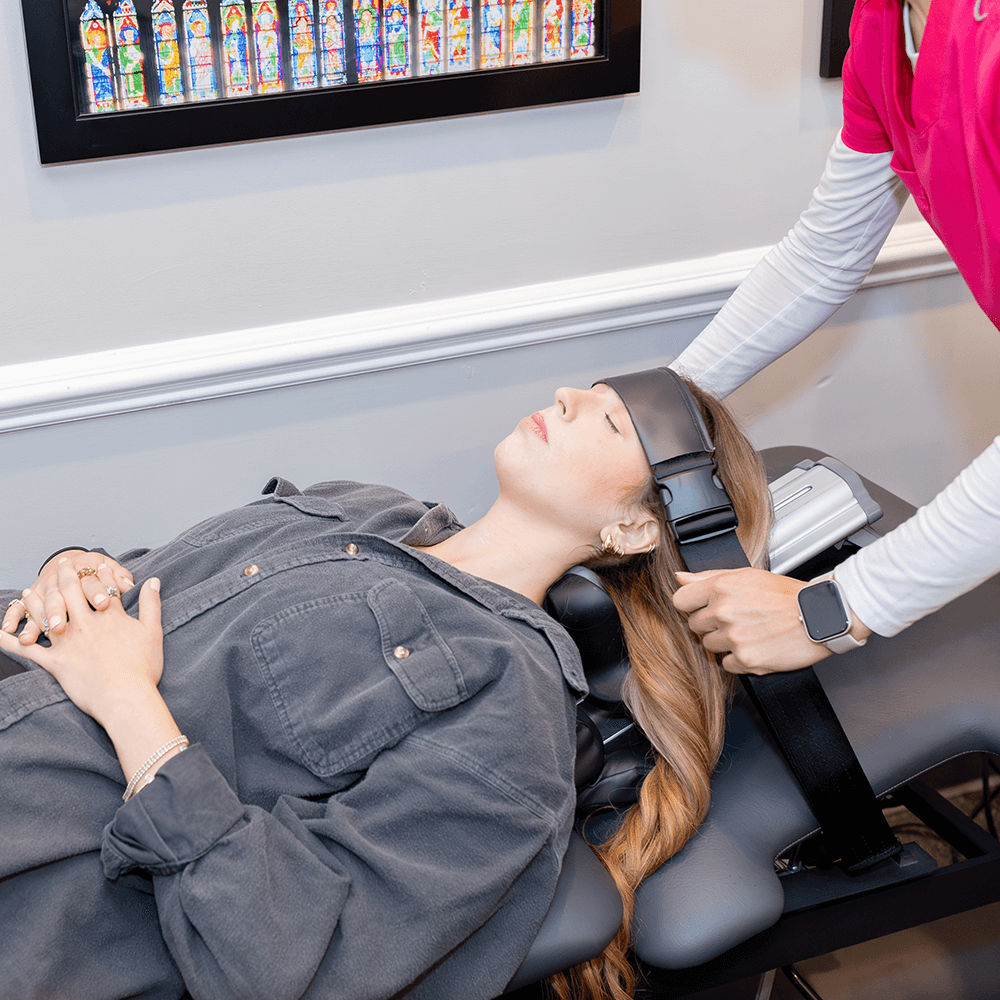

If you’re dealing with lower back pain, know that you’re not alone. Many people experience this discomfort at some point in their lives, and finding relief can seem daunting. Fortunately, there are effective techniques that can help alleviate your pain and enhance your overall well-being. As a local chiropractor, I believe that chiropractic care is one of the best ways to achieve optimal health and find relief from lower back pain.
One of the key components of managing lower back pain is understanding the importance of spinal alignment. Regular chiropractic adjustments can help restore proper alignment, reduce tension in your muscles, and improve your body’s overall function. This approach not only addresses existing pain but also helps prevent future issues by promoting a healthier spine.
In addition to chiropractic care, there are simple lifestyle adjustments you can make to support your back health. Here are some tips to consider:
- Posture Matters: Be mindful of your posture throughout the day, whether you’re sitting at a desk or standing. Keep your back straight, shoulders relaxed, and feet flat on the floor to reduce strain on your lower back.
- Stay Active: Engaging in gentle exercises, such as walking or stretching, can strengthen your back muscles and improve flexibility. Consider incorporating specific exercises recommended by your chiropractor to target areas that may be causing pain.
- Use Proper Lifting Techniques: When lifting objects, bend your knees and keep the item close to your body. This helps protect your lower back and prevents injury.
- Invest in a Good Mattress: A supportive mattress can make a significant difference in your sleep quality and back health. Aim for a mattress that keeps your spine aligned while providing comfort.
- Listen to Your Body: If you experience pain or discomfort, don’t ignore it. Pay attention to your body’s signals and consult with your chiropractor to address any underlying issues.
By exploring these techniques and making small, manageable changes, you can take significant steps toward relieving your lower back pain and improving your quality of life. Remember, chiropractic care is a natural and effective option for promoting wellness and healing. What might work for you? Let’s work together on your journey to a healthier, pain-free life.
Understanding Lower Back Pain
Lower back pain is a common issue that many people experience at some point in their lives. It can arise from various causes, such as muscle strains, ligament sprains, or conditions like herniated discs. You might feel this pain as a dull ache or sharp discomfort, which can sometimes radiate down to your legs. Identifying the source of your pain is crucial for finding effective relief, and chiropractic care can play a significant role in addressing these issues naturally.
Several factors can contribute to lower back pain, including age, physical activity levels, and body mechanics. If you lead a sedentary lifestyle or have a job that involves heavy lifting, your risk of experiencing back pain increases. Additionally, poor sleep positions can also add to your discomfort. By understanding these elements, you can start to recognize patterns in your pain and make informed choices about your health.
Chiropractic care focuses on the alignment of your spine and overall body mechanics, helping to relieve pain and promote healing naturally. Regular adjustments can improve your spinal function, reduce tension in your muscles, and enhance your overall well-being.
Here are some general tips for managing lower back pain:
- Stay Active: Gentle exercises and stretches can help keep your back muscles strong and flexible. Activities like walking, swimming, or yoga can be beneficial.
- Maintain Good Posture: Whether sitting, standing, or lifting, always aim for proper body mechanics to reduce strain on your back.
- Create a Comfortable Sleep Environment: Choose a supportive mattress and pillow that promotes proper spinal alignment while you sleep.
- Listen to Your Body: Pay attention to how your body feels and avoid activities that trigger pain.
- Regular Chiropractic Visits: Consider scheduling regular appointments with a chiropractor to maintain spinal health and address any issues before they become serious.
Importance of Proper Posture
Proper posture is essential for preventing and alleviating lower back pain, and as your local chiropractor, I want to emphasize how vital it’s for your overall health. When you maintain proper alignment while sitting, standing, or walking, you help distribute your body weight evenly. This reduces the strain on your spine and the surrounding muscles, leading to less discomfort.
On the other hand, slouching or leaning forward can create muscle imbalances and put unnecessary pressure on your lower back. Being mindful of your posture throughout the day is crucial. When you sit, make sure your feet are flat on the floor and your back is well-supported.
If you’re standing, evenly distribute your weight between both feet and engage your core muscles for added stability. These simple adjustments can make a big difference in how your body feels. Incorporating ergonomic furniture, such as chairs that support your lower back and adjusting your computer screen to eye level, can also enhance your posture.
Remember, practicing good posture isn’t just about comfort; it’s an effective way to protect your spine and promote your overall well-being. By prioritizing proper posture, you’re taking an important step toward a healthier, pain-free life.
As your chiropractor, I encourage you to consider how chiropractic care can support your journey to optimal health. Regular adjustments can enhance your posture, relieve pain, and improve your body’s function naturally.
Embrace the benefits of chiropractic care to achieve a healthier, more vibrant life.
Stretching and Flexibility Exercises
Incorporating stretching and flexibility exercises into your daily routine can significantly enhance your lower back health, and as a chiropractor, I can’t stress enough how vital this is for overall wellness. These simple yet effective movements not only alleviate tension in your muscles but also promote better blood flow and increase your range of motion.
By focusing on areas like the hip flexors, hamstrings, and lower back, you can find relief and prevent future discomfort. Consider gentle movements such as the cat-cow stretch, child’s pose, or a seated forward bend. Holding each stretch for about 20-30 seconds while focusing on your breath can greatly enhance your relaxation and overall experience.
Always listen to your body; if something doesn’t feel right, it’s crucial to back off and avoid pushing through any pain. Aim to stretch at least three times a week, but daily practice can yield even greater benefits. With time, you may notice improved flexibility and reduced stiffness, making daily activities easier and more enjoyable.
Prioritizing these exercises not only contributes to lasting relief but also complements the benefits of chiropractic care, which focuses on aligning your spine and optimizing your body’s natural healing processes.
Remember, stretching is just one piece of the puzzle for a healthier back. Regular chiropractic adjustments can help maintain proper alignment, reduce pain, and support your overall health journey.
Strengthening Your Core
A strong core is crucial for maintaining a healthy back and preventing discomfort. When your core muscles—including your abdominals, obliques, and lower back—are well-developed, they provide vital stability and support for your spine. This support helps to evenly distribute weight, reducing undue strain on your back and assisting in overall spinal health.
To effectively strengthen your core, consider incorporating exercises such as planks, bridges, and bird-dogs into your routine. Begin with shorter sessions to prioritize proper form over the number of repetitions. As you build strength, you can gradually increase your hold times or repetitions.
Remember, engaging your core during daily activities—like when you’re sitting or lifting—can significantly contribute to your overall strength and spinal support.
As a chiropractor, I encourage you to view core strengthening not just as a workout, but as a vital component of your overall wellness journey. Regular chiropractic care complements your efforts to strengthen your core by ensuring your spine is properly aligned, enhancing your ability to perform these exercises safely and effectively.
By focusing on natural healing methods like chiropractic adjustments, you can achieve optimal health and pain relief without resorting to medications or surgeries.
Consider scheduling regular chiropractic visits to support your core strengthening efforts and maintain a healthy spine. Together, we can work towards a more robust and resilient you.
Heat and Cold Therapy
When it comes to addressing lower back pain, heat and cold therapy can be incredibly beneficial, but it’s essential to understand that these methods work best alongside a holistic approach to health, such as chiropractic care.
Heat can help relax tight muscles and improve blood flow, promoting healing in conjunction with spinal adjustments. Cold therapy, on the other hand, can effectively reduce inflammation and numb sharp pain, aiding in your overall recovery.
For optimal results, consider integrating these therapies with regular chiropractic visits. A chiropractor can help identify the root cause of your back pain and provide tailored adjustments to support your body’s natural healing processes.
It’s often the case that combining heat or cold therapy with chiropractic care offers the best relief possible.
Here are a few tips you can easily incorporate into your daily routine:
- Heat Therapy: Use a warm towel or heating pad on your lower back for 15-20 minutes. This can help ease muscle tension before your chiropractic appointment.
- Cold Therapy: Apply an ice pack wrapped in a towel to the painful area for 10-15 minutes to reduce swelling after any physical activity.
- Stay Active: Engage in gentle exercises, like walking or stretching, to keep your spine flexible and strong.
- Posture Awareness: Maintain good posture when sitting or standing to reduce strain on your back.
Remember, chiropractic care is a powerful ally in your journey toward natural wellness and pain relief.
Benefits of Heat Therapy
Heat therapy can be a valuable tool for managing lower back pain and enhancing your overall wellness. By promoting blood flow and reducing muscle tension, heat can help you feel more comfortable and mobile. When you apply heat—whether it’s through a heating pad, a warm towel, or a relaxing hot bath—you’re encouraging circulation to the affected area.
This increased blood flow not only helps deliver essential nutrients and oxygen but can also speed up the healing process. Additionally, heat works wonders in relaxing tight muscles, alleviating discomfort, and promoting greater flexibility.
Using heat before engaging in activities can prepare your back for movement and reduce the risk of strain, allowing you to stay active and enjoy life to the fullest. After a long day, heat therapy can be a soothing way to unwind.
Just remember to apply heat for about 15-20 minutes at a time, and always check to ensure that it’s at a safe temperature to avoid any burns.
For optimal health and pain relief, consider incorporating chiropractic care into your wellness routine. Chiropractors focus on spinal health and natural healing techniques that can address the root causes of pain, helping you achieve long-lasting relief and improved function.
Advantages of Cold Therapy
While many people are familiar with the benefits of heat therapy for pain relief, it’s important to recognize the significant role that cold therapy can play in managing lower back pain as well. Utilizing cold packs or ice can effectively reduce inflammation and numb sharp pain, providing immediate relief, especially after an acute injury. Cold therapy works by constricting blood vessels, which helps decrease swelling and discomfort.
One of the great advantages of cold therapy is its ability to slow down nerve impulses, which can reduce muscle spasms and ease discomfort. For optimal results, you might find it helpful to apply cold for about 15-20 minutes at a time. Remember to wrap the ice or cold pack in a cloth to protect your skin from frostbite.
Incorporating cold therapy into your routine can be a valuable addition to your pain management strategy, helping you regain mobility and feel more comfortable in your daily activities.
While it’s a beneficial tool, it’s essential to remember that chiropractic care addresses the root causes of pain and promotes overall wellness. Regular chiropractic adjustments can enhance your body’s natural healing processes, complementing the effects of cold therapy and supporting your journey to optimal health.
If you’re looking for natural ways to manage pain and improve your quality of life, consider exploring chiropractic care alongside these simple cold therapy techniques. Together, they can help you achieve better health and a more active lifestyle!
Combining Both Methods
When it comes to managing lower back pain, many people often lean towards either heat or cold therapy. However, as a local chiropractor, I recommend a more comprehensive approach: combining both methods for optimal relief.
Start with cold therapy to tackle inflammation and numb pain. Applying a cold pack for about 15-20 minutes can help your back cool down and alleviate discomfort.
After a couple of days, transition to heat therapy. This method is excellent for relaxing tight muscles and improving blood flow to the affected area. A heating pad or a warm towel can provide soothing relief for another 15-20 minutes.
Alternating between heat and cold can be particularly effective, addressing both acute pain and muscle tension. Listening to your body is essential; if one method feels more beneficial, don’t hesitate to adjust your approach. Consistency is key to achieving lasting results.
In addition to these techniques, consider incorporating regular chiropractic care into your wellness routine. Chiropractic adjustments can help align your spine, promote proper movement, and reduce pain naturally, enhancing the effectiveness of your heat and cold therapy.
Massage Techniques for Relief
Massage techniques can be a helpful tool for relieving lower back pain, but it’s important to remember that chiropractic care is often the best choice for achieving optimal health and wellness. Chiropractic adjustments focus on aligning the spine, which can reduce pain and enhance your overall well-being.
Incorporating massage into your routine can complement chiropractic care by enhancing blood circulation and reducing muscle tension. For example, gentle kneading motions on the lower back can ease tightness and soreness. However, always consult with your chiropractor about the best techniques to use in conjunction with your spinal adjustments.
If you’re feeling tense, applying pressure along your spine can be beneficial. Techniques like circular movements with your palms or fingers can stimulate nerves and encourage relaxation. Just remember, the goal is to support your spine and overall health.
Self-massage is another great option. Using a foam roller or massage ball can help target muscle knots effectively, but be sure to discuss these methods with your chiropractor to ensure they align with your treatment plan.
Consistency is crucial when managing lower back pain. Regular chiropractic visits, combined with massage, can significantly improve your comfort and mobility. This holistic approach not only addresses pain but also promotes a healthier lifestyle.
Mindfulness and Relaxation Methods
Managing lower back pain can often feel overwhelming, but incorporating mindfulness and relaxation methods can be a powerful ally in your journey towards relief. These techniques not only help to reduce stress but also improve your body awareness, which is essential for maintaining a healthy spine.
By practicing mindfulness, you create a mental environment conducive to relaxation, allowing your body to release tension that may be contributing to your back pain.
Here are some effective mindfulness and relaxation methods to consider, all of which can complement your chiropractic care:
- Deep Breathing: Take a moment to focus on slow, deep breaths. This simple practice calms your mind and helps to relax the muscles in your back, reducing tension and discomfort.
- Meditation: Set aside a few minutes each day for meditation. This practice encourages awareness of your body and thoughts, which can help lessen the perception of pain and improve your overall well-being.
- Progressive Muscle Relaxation: This technique involves tensing and then relaxing each muscle group, starting from your toes and working your way up to your head. It’s an excellent way to release built-up tension in your back and promote relaxation throughout your body.
- Gentle Yoga: Incorporate restorative yoga poses into your routine. These gentle stretches not only enhance your flexibility and strength but also foster mindfulness, making it easier for you to connect with your body and its needs.
By embracing these methods alongside your chiropractic care, you can enhance your journey to relief and improve your quality of life.
When to Seek Professional Help
Practicing mindfulness and relaxation methods can significantly enhance your journey toward managing lower back pain, but there are times when seeking professional help from a chiropractor becomes essential. If your pain lingers for more than a few weeks, it’s important to consult with a chiropractic expert. You should also reach out if you’re experiencing severe pain that doesn’t seem to improve with at-home remedies or if your pain is accompanied by sensations like numbness, tingling, or weakness in your legs.
If your discomfort arises from an injury or if you find it challenging to perform daily activities, it’s wise to connect with a chiropractor. Ignoring these signals can lead to more serious complications later on. A chiropractor can provide a thorough assessment, offer a correct diagnosis, and suggest natural treatment options tailored to your specific needs. This approach not only promotes healing but also helps you regain your health and return to your daily life more safely.
Remember, being proactive about your health is always better than waiting for things to get worse. Regular chiropractic care can support your spine’s alignment, enhance your overall well-being, and help you manage pain effectively.
Simple practices like maintaining good posture, staying active, and incorporating stretching into your daily routine can also contribute to better spinal health. Embrace the benefits of chiropractic care as a natural pathway to achieving optimal health and wellness!
Lifestyle Changes for Long-Term Relief
Managing lower back pain can often feel overwhelming, but as a local chiropractor, I want to share that incorporating simple lifestyle changes can lead to long-term relief and overall better health.
By embracing these changes, you can significantly reduce your pain and enhance your quality of life. Plus, chiropractic care can support you every step of the way on your journey to wellness.
- Stay Active: Regular low-impact exercises such as walking or swimming can be incredibly beneficial. These activities help strengthen your back muscles, and when combined with chiropractic adjustments, they can enhance your spinal health.
- Maintain a Healthy Weight: Keeping a balanced diet and managing your weight is crucial. Extra weight can put unnecessary stress on your lower back. By maintaining a healthy weight, you not only reduce pain but also support your overall well-being.
- Practice Good Posture: Being mindful of your posture is essential, whether you’re sitting, standing, or lifting. Good posture minimizes strain on your back and promotes better alignment. Chiropractic care can provide personalized guidance on how to maintain proper posture throughout your daily activities.
- Incorporate Stretching: Daily stretching can greatly improve flexibility and prevent tightness in your back muscles. Simple stretches can be done at home and can complement the adjustments you receive in your chiropractic sessions, enhancing your recovery and overall spinal health.
Remember, chiropractic care is a natural and effective way to support these lifestyle changes.
By working with a chiropractor, you can receive tailored advice and treatments that promote healing and wellness, steering clear of medications or surgeries.
Embrace these tips and start your journey toward a healthier, pain-free life today!
Preventing Future Episodes of Pain
To prevent future episodes of lower back pain, it’s essential to adopt a holistic approach that emphasizes the benefits of chiropractic care. One of the most effective strategies is to strengthen your core muscles, as a strong core supports your spine and promotes overall stability. Incorporating regular chiropractic adjustments can enhance your spinal alignment, which plays a vital role in preventing pain.
Additionally, practicing proper ergonomic techniques at home and in the workplace is crucial. Ensure that your workspace is set up to support your posture—this means using a chair that provides good lumbar support and keeping your computer screen at eye level. Regular visits to your chiropractor can help you fine-tune these adjustments and provide personalized recommendations for your unique needs.
Don’t forget the importance of stretching! Incorporating gentle stretches into your daily routine can help maintain flexibility in your muscles and joints. Stretching, combined with chiropractic care, can help keep your spine healthy and reduce the likelihood of discomfort.
By focusing on these strategies and making chiropractic care a regular part of your wellness routine, you’ll be taking proactive steps to support your back and promote overall health.
Strengthening Core Muscles
Strengthening your core muscles is essential for preventing future episodes of lower back pain. A strong core provides vital support to your spine, allowing it to function optimally and helping you maintain overall wellness.
When you prioritize core strength, you not only enhance your stability but also improve your posture, which can lead to a healthier spine and reduced discomfort.
As a chiropractor, I believe in the power of natural healing and the importance of maintaining a strong core. Here are four effective exercises that can help you build core strength and support your spinal health:
- Planks: Start by holding a plank position for 30 seconds to a minute. Make sure to engage your abdominal muscles and back during the hold. This exercise promotes stability and strengthens your core.
- Bridges: Lie flat on your back with your knees bent. Lift your hips towards the ceiling while squeezing your glutes. Aim for 10-15 repetitions. This exercise not only works your core but also benefits your lower back.
- Bicycle Crunches: While lying on your back, alternate bringing your elbows to touch opposite knees in a pedaling motion. Try to complete 10-15 repetitions. This movement engages multiple core muscles and improves coordination.
- Bird-Dogs: Begin on all fours, then extend one arm forward while extending the opposite leg back. Hold the position for a few seconds and switch sides. This exercise enhances balance and strengthens the core while promoting spinal alignment.
Incorporating these exercises into your routine can significantly strengthen your core and contribute to better spinal health.
Remember, chiropractic care focuses on aligning your spine and optimizing your overall health naturally. By maintaining a strong core and seeking chiropractic adjustments, you can help prevent pain and promote wellness in your daily life.
Always listen to your body and consult with a chiropractor for personalized advice and support on your journey to optimal health.
Proper Ergonomic Practices
Building a strong core is just one part of maintaining a healthy back; however, incorporating proper ergonomic practices is essential for preventing future pain. As a chiropractor, I want to emphasize how important it’s to create a supportive work environment to promote your overall well-being.
Start by ensuring your workstation is set up correctly. Your chair should provide adequate support for your lower back, allowing you to sit comfortably. Make sure your feet can rest flat on the floor, and when seated, keep your knees at or below hip level. This helps maintain proper spinal alignment and reduces stress on your back.
If you find yourself spending long hours at a desk, it’s crucial to take regular breaks. Stand up, stretch, and move around to keep the muscles in your back engaged and to promote circulation. Remember, movement is key to preventing stiffness and discomfort.
When it comes to lifting objects, always bend at your knees rather than your waist. This technique helps protect your back by using the strength of your legs instead of straining your spine. Keep the load close to your body to maintain balance and minimize the risk of injury.
Lastly, adjust your computer screen so that it’s at eye level. This adjustment can significantly reduce neck strain and promote better posture while you work.
By implementing these simple yet effective ergonomic practices, you can greatly improve your back health and enhance your overall quality of life.
Regular Stretching Routines
While regular stretching routines can sometimes be overlooked, they’re vital for maintaining a healthy spine and preventing lower back pain. As a chiropractor, I encourage you to incorporate stretching into your daily life to enhance flexibility, strengthen your muscles, and improve your posture.
Not only does this aid in natural healing, but it also complements the benefits of chiropractic care. Here are four effective stretches you should consider adding to your routine:
- Knee-to-Chest Stretch: Lie on your back and gently pull one knee toward your chest. Hold this position for 20-30 seconds. This stretch helps relieve tension in the lower back and promotes spinal alignment.
- Cat-Cow Stretch: Get on all fours and alternate between arching your back (like a cat) and dropping your belly (like a cow) while breathing in and out. This movement encourages flexibility in your spine and helps reduce stiffness.
- Child’s Pose: Sit back on your heels, extend your arms forward on the ground, and sink into the stretch. This gentle pose is great for relaxing your back and promoting a sense of calm.
- Seated Forward Bend: Sit with your legs extended in front of you, reach toward your toes, and hold for 20-30 seconds. This stretch helps lengthen your spine and can alleviate tension in your lower back.
Incorporating these stretches into your daily routine can keep your back healthy and pain-free.