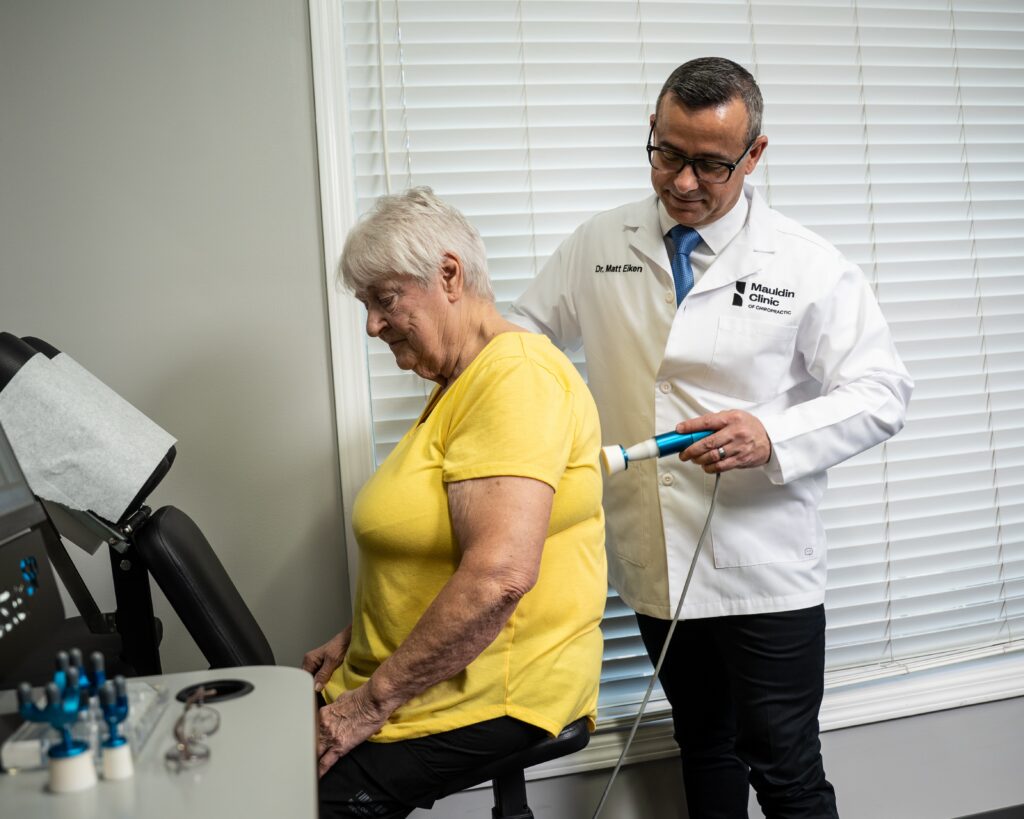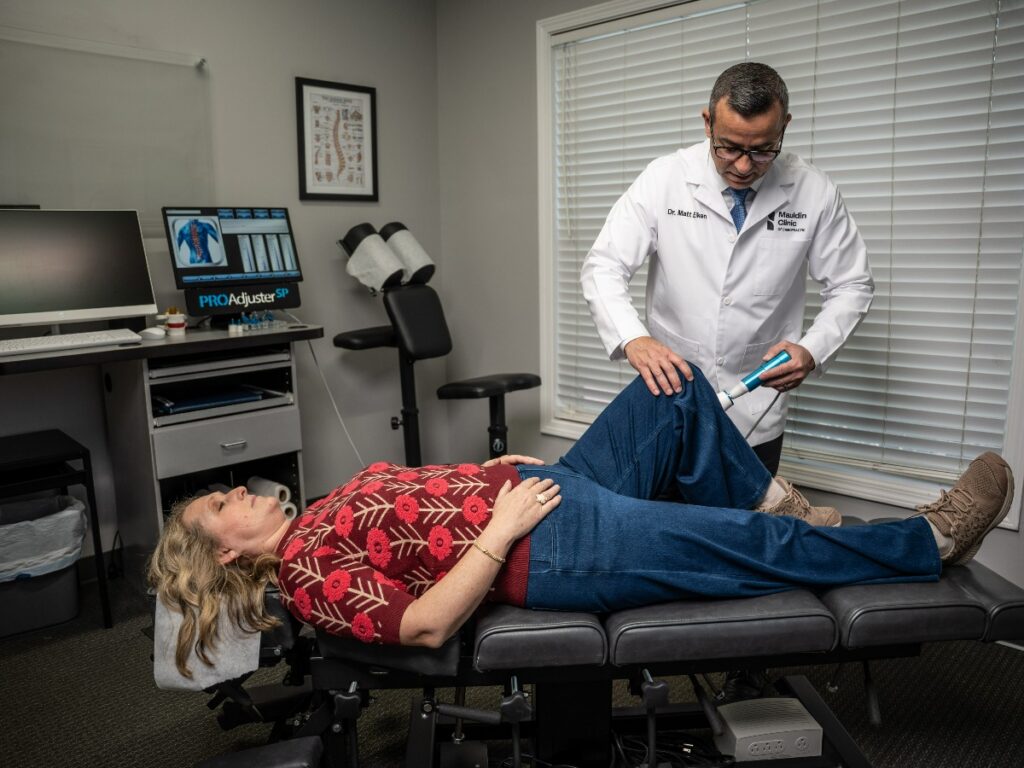

If you’re dealing with lower back pain, you’re certainly not alone. This common issue affects many individuals and finding effective relief can often feel overwhelming. Fortunately, there are natural and holistic treatments that can help ease your discomfort and enhance your overall well-being, with chiropractic care being one of the best options available.
Chiropractic care focuses on the health of your spine and nervous system, aiming to restore proper alignment and function. This approach not only addresses the source of your pain but also promotes healing and optimal health. By visiting a chiropractor, you can receive personalized care that targets your specific needs, helping to relieve pain and prevent future issues.
In addition to chiropractic adjustments, here are some tips and tricks to consider for managing lower back pain:
- Stay Active: Engage in low-impact activities like walking or swimming to keep your spine flexible and strong.
- Practice Good Posture: Be mindful of your posture when sitting, standing, or lifting heavy objects. Proper alignment helps reduce strain on your back.
- Stretch Regularly: Incorporate gentle stretches into your daily routine to improve flexibility and relieve tension in your back muscles.
- Apply Heat or Cold: Use a heating pad to relax tight muscles or ice packs to reduce inflammation and numb pain.
- Focus on Core Strength: Strengthening your core muscles can provide better support for your spine, reducing the risk of injury.
- Stay Hydrated: Drinking plenty of water helps keep your discs hydrated and supports overall spinal health.
- Consider Lifestyle Changes: Maintain a healthy weight, eat a balanced diet, and get enough sleep to support your body’s natural healing processes.
Remember, chiropractic care not only provides immediate pain relief but also fosters long-term wellness. By addressing the root cause of your discomfort, a chiropractor can help you achieve not just relief, but a healthier, more active lifestyle. If you’re struggling with lower back pain, consider reaching out to a local chiropractor to explore how natural healing can enhance your quality of life.
Physical Therapy
When it comes to easing lower back pain, chiropractic care can truly be transformative. A personalized approach focuses on realigning your spine and enhancing your overall body function, which is crucial for maintaining a healthy back. Your chiropractor will guide you through specific adjustments and exercises aimed at relieving discomfort and preventing future issues.
One of the standout benefits of chiropractic care is its customization to fit your individual needs. Instead of a one-size-fits-all approach, your chiropractor will evaluate your unique condition and create a plan that aligns with your lifestyle and wellness goals.
Moreover, techniques such as spinal manipulation can help reduce muscle tension and boost circulation. You’ll also learn about proper body mechanics, which can significantly improve how you move and perform daily activities. By actively engaging in your healing journey, you’re more likely to take charge of your pain and enhance your overall mobility.
Here are a few tips you can incorporate into your daily routine to support your back health:
- Stay Active: Regular physical activity strengthens your core and supports your spine. Even simple activities like walking or stretching can make a big difference.
- Mind Your Posture: Whether sitting at a desk or lifting heavy objects, maintaining good posture can help prevent strain on your back.
- Practice Relaxation Techniques: Stress can lead to muscle tension. Incorporating relaxation exercises, like deep breathing or yoga, can promote better spinal health.
- Stay Hydrated: Drinking plenty of water supports overall health and helps keep your spinal discs hydrated.
- Get Regular Adjustments: Regular visits to your chiropractor can help maintain spinal health and prevent future pain.
Embrace the power of chiropractic care for natural healing and optimal health. By prioritizing your spinal wellness, you can enjoy a more active, pain-free life.
Chiropractic Care
If you’re dealing with lower back pain, chiropractic care could be the ideal solution for you. As a local chiropractor, I believe in the power of spinal manipulation techniques to help realign your spine, providing you with much-needed relief from discomfort.
Chiropractic care focuses on the root cause of pain rather than just masking the symptoms. By addressing misalignments in your spine, we can restore proper function to your nervous system, which plays a crucial role in your overall health and wellness.
What sets chiropractic care apart is our commitment to personalized treatment plans tailored to your unique needs. During your visits, we’ll work together to develop a plan that not only alleviates your pain but also promotes long-term health and vitality.
Here are some simple tips to support your journey to wellness at home:
- Maintain Good Posture: Whether sitting at a desk or standing, be mindful of your posture. Keep your shoulders back and your spine straight to reduce strain on your back.
- Stay Active: Engage in regular physical activity like walking, swimming, or yoga to strengthen your back muscles and improve flexibility.
- Use Proper Lifting Techniques: When lifting heavy objects, bend at your knees and keep the item close to your body to protect your back.
- Stay Hydrated: Drinking plenty of water helps keep your spinal discs hydrated and functioning properly.
Spinal Manipulation Techniques
Spinal manipulation techniques, a cornerstone of chiropractic care, can offer remarkable relief for those suffering from lower back pain. These hands-on therapies involve gently applying controlled force to your spine, which helps align your vertebrae and alleviate discomfort. When you visit my chiropractic office, I’ll carefully assess your condition to determine the most effective approach tailored to your individual needs.
Many patients notice immediate relief after a session, as spinal manipulation works to enhance mobility and reduce muscle tension. In addition, this technique can improve blood flow, which fosters healing in the affected areas. It’s important to communicate openly about any pain or discomfort you may experience during treatment. By voicing your concerns, I can ensure a safe and effective experience that specifically addresses your lower back pain.
As you embark on your journey to wellness, here are some general tips to support your spinal health:
- Stay Active: Regular movement helps keep your spine flexible and strong. Aim for activities like walking, swimming, or gentle stretching.
- Ergonomic Choices: Ensure your workspace is set up to support good posture. Use chairs that provide back support and keep your computer screen at eye level.
- Mind Your Posture: Be conscious of your posture throughout the day, whether you’re sitting, standing, or lifting. Good posture reduces strain on your spine.
- Stay Hydrated: Drinking plenty of water is essential for maintaining the health of your spinal discs and overall body function.
- Rest Well: Prioritize good sleep habits, including a supportive mattress and pillow, to ensure your spine has the rest it needs.
Personalized Treatment Plans
Creating a personalized treatment plan is essential for effectively managing your lower back pain. Every person’s experience with pain is different, so a customized approach is crucial for achieving the best outcomes. As your local chiropractor, I’ll take the time to assess your unique situation, including your medical history, lifestyle, and the severity of your pain.
In our sessions, we may use a combination of spinal manipulation, therapeutic exercises, and lifestyle changes tailored specifically for you. This holistic approach not only targets pain relief but also promotes overall wellness.
Consistency is key! Sticking to your customized plan can significantly alleviate discomfort and enhance your mobility. Regular check-ins with me will provide the opportunity to adjust your treatment based on your progress. If you notice any changes in your symptoms, please share that information. Your feedback is vital for fine-tuning your plan to ensure you’re on the path to recovery.
In addition to following your plan, here are some general tips for managing lower back pain:
- Stay Active: Gentle exercises, like walking or swimming, can help keep your back strong and flexible.
- Mind Your Posture: Pay attention to how you sit, stand, and lift. Good posture can prevent unnecessary strain on your back.
- Use Heat or Cold Therapy: Applying a heating pad or ice pack can provide relief and reduce inflammation.
- Stay Hydrated: Drinking plenty of water supports your overall health and can help maintain the elasticity of your spinal discs.
- Practice Stress Management: Techniques like deep breathing, meditation, or yoga can help reduce tension that might contribute to pain.
With a focused chiropractic plan, you have a better chance of finding lasting relief and enjoying your daily activities without pain. Embrace this journey towards better health and wellness—we’re here to support you every step of the way!
Acupuncture
As a local chiropractor, I want to share valuable insights about natural healing and wellness, specifically focusing on how chiropractic care can be an excellent choice for relieving lower back pain and promoting overall health.
While acupuncture is a traditional practice that involves inserting thin needles into specific points on the body, I believe that chiropractic care offers a more effective approach to achieving optimal health without the need for invasive procedures or medications.
Chiropractic care works by aligning the spine and improving the function of the nervous system, which can help alleviate pain and enhance your body’s natural healing abilities. By addressing the root cause of pain, rather than just the symptoms, chiropractic adjustments can lead to long-lasting relief and improved mobility.
Here are some general tips to enhance your wellness and support a healthy spine:
- Stay Active: Regular physical activity strengthens the muscles that support your spine and reduces the risk of injury. Consider low-impact exercises like walking, swimming, or yoga.
- Maintain Good Posture: Whether sitting at a desk or lifting heavy objects, paying attention to your posture can prevent strain on your back. Keep your back straight and shoulders relaxed.
- Ergonomic Workspace: If you work at a desk, ensure your chair and computer setup support good posture. An ergonomic chair can be a worthwhile investment.
- Stay Hydrated: Drinking plenty of water supports spinal health by keeping the discs in your spine hydrated and functioning well.
- Regular Chiropractic Visits: Routine chiropractic adjustments can help maintain spinal alignment and overall health, preventing pain before it starts.
Remember, your body has an incredible ability to heal itself, and chiropractic care is a natural, effective way to support that process.
If you’re experiencing lower back pain or just want to enhance your well-being, consider visiting your local chiropractor for personalized care tailored to your needs. Together, we can work towards achieving a healthier, pain-free life!
How Acupuncture Works
When it comes to addressing lower back pain, many treatment options are available, but chiropractic care stands out as a holistic and effective choice. Unlike other methods, chiropractic focuses on the spine and its alignment, which plays a crucial role in overall health and wellness.
By ensuring that your spine is properly aligned, we can help your body function optimally and promote natural healing. Chiropractic adjustments involve gentle manipulation of the spine to restore proper alignment and mobility. This can help alleviate pain, improve blood flow, and reduce inflammation in the affected areas.
Many patients find that regular chiropractic visits not only relieve their lower back pain but also enhance their overall sense of well-being.
In addition to spinal adjustments, there are several simple tips you can incorporate into your daily routine to support your back health:
- Practice Good Posture: Whether you’re sitting at a desk or lifting objects, maintaining good posture can prevent strain on your back.
- Stay Active: Regular exercise, including stretches and strengthening exercises, can help keep your back healthy and prevent pain.
- Use Ergonomic Furniture: If you spend long hours sitting, consider using chairs that support your lower back and maintain proper posture.
- Apply Heat or Cold: Using a heating pad or ice pack can provide temporary relief for muscle tension or inflammation.
- Listen to Your Body: If you experience discomfort, don’t push through it. Rest and seek chiropractic care to address the issue early on.
By choosing chiropractic care, you’re taking a proactive step towards achieving optimal health and wellness.
Benefits for Pain Relief
When it comes to finding effective methods for pain relief, chiropractic care truly stands out as a top choice for achieving optimal health and wellness. As a chiropractor, I believe in the body’s amazing ability to heal itself, and chiropractic adjustments play a crucial role in this process. By aligning the spine and improving nervous system function, we can help reduce pain and promote overall well-being.
While some may explore additional methods like acupuncture, it’s essential to understand that chiropractic care directly addresses the root causes of pain, such as misalignments in the spine. This approach not only alleviates discomfort but also helps restore mobility and function. Many of my patients report feeling more energized and in a better mood thanks to the positive effects of regular chiropractic adjustments.
Here are a few tips for enhancing your health and wellness alongside chiropractic care:
- Stay Active: Regular physical activity can help maintain mobility and strengthen muscles that support your spine.
- Practice Good Posture: Pay attention to your posture while sitting, standing, and lifting to prevent unnecessary strain on your back.
- Stay Hydrated: Drinking enough water is essential for overall health and can help keep your spinal discs hydrated.
- Prioritize Rest: Ensure you’re getting enough sleep, as this is crucial for healing and recovery.
- Eat a Balanced Diet: Nutrition plays an important role in your body’s ability to heal and function optimally. Focus on whole foods, including fruits, vegetables, and lean proteins.
Massage Therapy
Chiropractic care is one of the most effective ways to treat lower back pain, promoting natural healing and overall wellness. If you’re experiencing discomfort in your lower back, a qualified chiropractor can assess your spine and alignments, helping to relieve tension and restore proper function.
Unlike other treatments, chiropractic focuses on addressing the root cause of your pain, rather than just masking the symptoms.
One vital technique used in chiropractic care is spinal manipulation, which can improve mobility and reduce discomfort by realigning the spine and supporting the surrounding muscles. This approach not only helps alleviate pain but also enhances your flexibility and range of motion, making daily activities more manageable and enjoyable.
In addition to chiropractic adjustments, regular sessions can help reduce stress levels, which can often worsen pain. Incorporating stretches and exercises recommended by your chiropractor can also support your recovery and strengthen your back over time.
Remember, open communication with your chiropractor about your needs and concerns is key to achieving the best results. By choosing chiropractic care as your primary method for managing lower back pain, you’re opting for a natural, holistic approach to your health and wellness.
For ongoing support, consider implementing daily habits such as maintaining good posture, staying active, and practicing relaxation techniques. These simple changes can greatly contribute to your overall back health and well-being.
Medications
When it comes to managing lower back pain, it’s essential to explore natural and holistic approaches that prioritize your overall wellness. As a local chiropractor, I believe that chiropractic care can play a pivotal role in your journey towards relief and optimal health.
Instead of turning to medications, which can sometimes come with unwanted side effects, consider how chiropractic adjustments can help realign your spine, reduce pain, and promote healing.
In addition to chiropractic care, there are several simple tips and tricks you can incorporate into your daily routine to support your back health. Maintaining good posture, engaging in regular physical activity like walking or stretching, and using ergonomic furniture can all contribute to a healthier spine.
Remember to listen to your body and practice self-care, such as applying heat or ice to sore areas.
Over-the-Counter Options
If you’re dealing with lower back pain, it’s essential to explore natural and holistic approaches to find relief. While many people often turn to over-the-counter (OTC) medications, such as ibuprofen or acetaminophen, these options only mask the symptoms rather than address the root cause of the pain.
As a chiropractor, I believe that chiropractic care is a more effective and sustainable solution for achieving optimal health and wellness. Chiropractic adjustments can help align your spine, relieve pressure on nerves, and promote proper function of your musculoskeletal system. This natural approach not only alleviates pain but also enhances your body’s ability to heal itself. Many patients experience significant improvement in their symptoms after just a few sessions.
In addition to chiropractic care, there are several tips you can incorporate into your daily routine to support your back health:
- Stay Active: Engage in regular low-impact exercises, such as walking, swimming, or yoga. Gentle movements can strengthen your back muscles and improve flexibility.
- Maintain Good Posture: Be mindful of your posture when sitting, standing, or lifting objects. Keeping your spine aligned can prevent unnecessary strain on your back.
- Use Heat or Ice: Applying heat or ice to the affected area can provide temporary relief. Heat can relax tight muscles, while ice can reduce inflammation.
- Practice Stress Management: Stress can contribute to muscle tension and exacerbate pain. Incorporate relaxation techniques, such as deep breathing or meditation, into your daily routine.
- Stay Hydrated: Proper hydration supports disc health in your spine, so make sure you’re drinking enough water throughout the day.
Remember, if your lower back pain persists or worsens, it’s always a good idea to consult with a chiropractor. They can help you understand the underlying causes of your pain and develop a personalized treatment plan to promote long-term wellness.
Prescription Medications
If you’re dealing with persistent lower back pain, it’s important to explore natural and holistic approaches to find relief. Chiropractic care is an excellent option for addressing pain at its source, focusing on spinal alignment and overall wellness. By visiting a chiropractor, you can receive personalized adjustments that help relieve pain, improve mobility, and promote healing without the need for medications or invasive procedures.
In addition to chiropractic adjustments, there are several self-care strategies you can incorporate into your daily routine. Maintaining good posture, engaging in regular low-impact exercise like walking or swimming, and practicing stretching techniques can all support your spine and reduce discomfort.
Heat or cold therapy can also provide temporary relief and help soothe sore muscles.
Remember, a healthy lifestyle plays a crucial role in managing pain. Staying hydrated, eating a balanced diet rich in anti-inflammatory foods, and getting enough sleep can all contribute to better spinal health.
Always consult with your chiropractor to create a comprehensive plan tailored to your needs, as they can guide you on the most effective ways to achieve optimal health and well-being.
Topical Pain Relievers
Topical pain relievers can be a helpful tool for managing lower back pain, but they aren’t a substitute for chiropractic care, which addresses the root cause of pain and promotes overall wellness.
These products, such as creams, gels, and patches, offer quick, localized relief by delivering pain-relieving ingredients directly to the area where you feel discomfort. Options like menthol and capsaicin can numb the pain or help reduce inflammation temporarily.
However, while topical relievers may provide some immediate comfort, they don’t address underlying issues such as spinal misalignments or muscular imbalances. As a chiropractor, I encourage my patients to consider how chiropractic adjustments can help restore proper function to the spine and surrounding muscles, leading to long-term relief and improved health.
If you choose to use topical pain relievers, it’s important to apply them correctly. First, clean the skin where you plan to apply the product, and make sure to wash your hands afterward to prevent irritation.
Remember, these should be used as an adjunct to a comprehensive treatment plan that includes chiropractic adjustments, proper posture, and exercises tailored to your specific needs.
For best results, consider incorporating regular chiropractic visits into your routine. This approach not only helps alleviate pain but also promotes overall wellness, ensuring that your body functions at its best.
Heat and Cold Therapy
When you’re experiencing lower back pain, incorporating heat and cold therapy into your routine can be an excellent way to find relief. As a chiropractor, I believe in the power of natural healing methods, and these therapies can complement your chiropractic care.
Heat therapy is a wonderful tool for easing tight muscles and enhancing blood flow. You can use a warm towel or a heating pad—just remember to apply it for about 15-20 minutes, ensuring it’s at a comfortable temperature to avoid any burns. This warmth can help your body relax, setting the stage for better spinal health.
On the flip side, cold therapy can be very effective in reducing inflammation and numbing sharp pain. You might find that an ice pack or even a bag of frozen vegetables wrapped in a cloth works well. Again, apply it for 15-20 minutes, and allow your skin to return to its normal temperature between sessions. This approach can be a great way to manage acute pain, especially after activities that may strain your back.
For optimal results, you might consider combining both methods. Start with cold therapy to tackle swelling, and then transition to heat therapy for muscle relaxation. This dual approach can be particularly effective in managing discomfort and promoting healing.
Remember, it’s crucial to listen to your body throughout this process. If your pain continues or worsens, seeking the guidance of a chiropractor can provide you with tailored advice and care that focuses on the root cause of your discomfort.
Exercise and Stretching
While heat and cold therapy can offer temporary relief, incorporating exercise and stretching into your routine is vital for long-term lower back pain management. Regular physical activity strengthens the muscles that support your spine, enhancing stability and reducing discomfort. You don’t need to engage in strenuous workouts; gentle activities such as walking, swimming, or cycling can be incredibly beneficial for your back health.
Stretching is equally crucial. It maintains flexibility and alleviates tension in the muscles surrounding your lower back. Focus on stretches that target your hamstrings, hip flexors, and lower back. Hold each stretch for about 15-30 seconds and repeat several times to help keep your muscles limber.
Always pay attention to your body. If any movement causes pain, it’s essential to modify or cease that activity immediately. A visit to a chiropractor can help you develop a personalized exercise plan that fits your needs and addresses your specific concerns.
By staying active and incorporating these practices, you promote natural healing and build resilience, leading to a healthier spine.
Lifestyle Modifications
How can simple changes in your daily routine make a big difference in managing lower back pain? As a chiropractor, I can tell you that paying attention to your posture is crucial. Whether you’re sitting at your desk or waiting in line, keeping your back straight and shoulders relaxed can significantly reduce strain on your spine.
If you work at a desk, take a moment to adjust your chair and monitor height to promote a healthy alignment. This small adjustment can go a long way in supporting your back.
Another important aspect to consider is your sleeping habits. A supportive mattress and the right pillow can help keep your spine aligned while you sleep. It’s best to avoid sleeping on your stomach, as this position can twist your spine and lead to discomfort.
Incorporating regular breaks into your daily routine is essential for preventing stiffness. Set a timer to remind yourself to stand up, stretch, or take a short walk every hour. This practice not only helps your back but also boosts your overall energy and productivity.
Don’t forget the importance of hydration and a balanced diet. Staying well-hydrated and maintaining a healthy weight can alleviate excess pressure on your back. These lifestyle modifications are simple yet effective ways to relieve lower back pain and enhance your overall well-being.
Alternative Therapies
Alternative therapies can provide significant relief for lower back pain, and when combined with chiropractic care, they can enhance your overall wellness. As a chiropractor, I believe that spinal health is essential for your body’s natural healing processes. Chiropractic adjustments focus on aligning your spine, which can improve mobility and decrease discomfort effectively.
Acupuncture is one technique that can complement chiropractic care. By stimulating specific points on your body, it may help reduce pain and promote healing. However, I encourage you to prioritize chiropractic adjustments as your primary method for managing back pain.
Massage therapy is another great option to consider. It can relieve muscle tension and improve circulation, which supports the benefits of chiropractic adjustments. Additionally, incorporating practices like yoga and tai chi can be incredibly helpful. These activities combine gentle stretching with mindfulness, helping you build strength and flexibility while reducing stress on your body.
Don’t overlook the power of natural remedies, such as turmeric and ginger, which may provide anti-inflammatory benefits. Always consult with a healthcare professional, including your chiropractor, before starting any new therapies to ensure they fit seamlessly into your treatment plan.
Here are a few general tips to help manage your lower back pain:
- Maintain good posture, especially when sitting for long periods.
- Incorporate regular physical activity into your routine, focusing on exercises that strengthen your core.
- Apply heat or cold packs to the affected area to relieve discomfort.
- Stay hydrated and eat a balanced diet to support your body’s healing processes.
Surgery
When it comes to managing lower back pain, many people often first consider conservative treatments like chiropractic care. These natural healing methods focus on aligning the spine and improving overall wellness, often providing significant relief without the need for invasive procedures.
Chiropractic adjustments can help relieve nerve compression, address herniated discs, and promote spinal stability, which are common culprits of back pain.
If you’re experiencing discomfort that affects your daily life, it’s important to explore chiropractic care as an effective option. A skilled chiropractor can assess your condition and create a tailored treatment plan that may include adjustments, exercises, and lifestyle advice. The goal is to not only relieve pain but also enhance your body’s natural ability to heal.
In addition to chiropractic adjustments, here are some general tips to help manage and prevent lower back pain:
- Stay Active: Engage in regular physical activity, like walking or swimming, to strengthen your back muscles.
- Practice Good Posture: Be mindful of your posture when sitting or standing to reduce strain on your back.
- Use Proper Lifting Techniques: Bend at your knees and keep your back straight when lifting heavy objects to prevent injury.
- Incorporate Stretching: Gentle stretching can improve flexibility and relieve tension in your back.
- Maintain a Healthy Weight: Carrying excess weight can put added stress on your spine, so aim for a balanced diet and regular exercise.