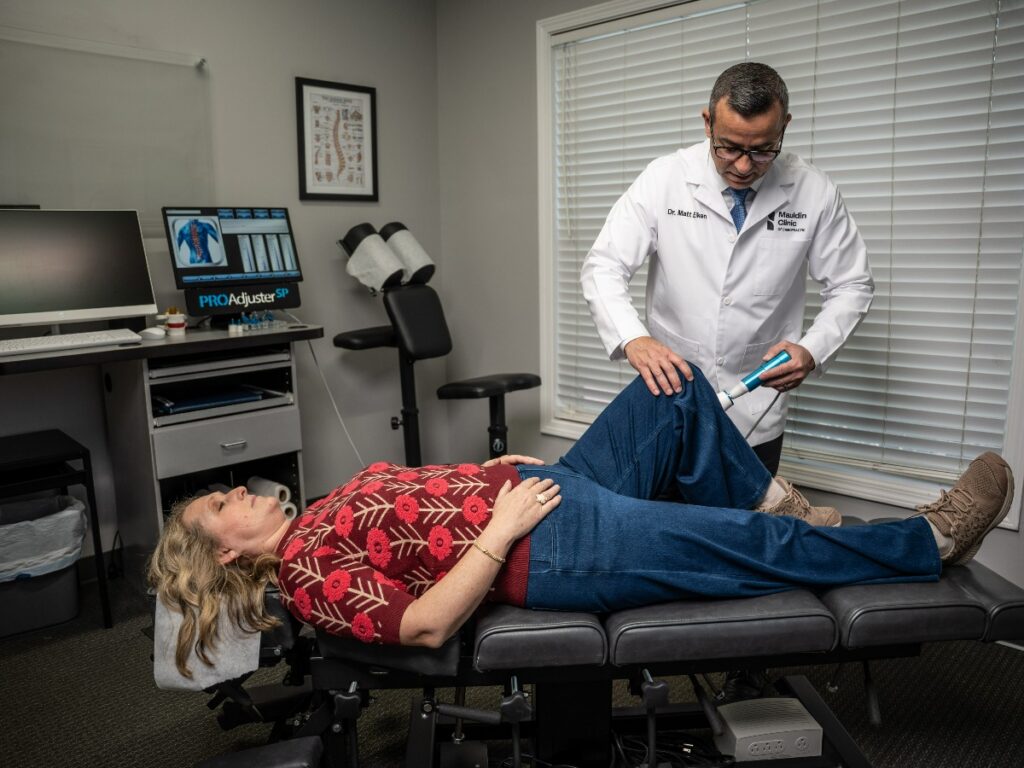

If you’re struggling with chronic back pain, discovering natural solutions may be the key to your relief. As a chiropractor, I believe that holistic approaches can greatly enhance your overall well-being, and chiropractic care is at the forefront of these methods. From spinal adjustments to lifestyle changes, each strategy can play a vital role in easing your discomfort and promoting a healthier life.
Let’s explore some effective options that can help you on your journey to feeling better:
- Chiropractic Adjustments: Regular visits to a chiropractor can help align your spine, relieve pressure on nerves, and reduce pain. A well-aligned spine supports your body’s natural ability to heal itself.
- Exercise and Stretching: Gentle exercises and stretches can strengthen your back muscles and improve flexibility. Simple activities like walking, swimming, or yoga can be beneficial. Always consult with your chiropractor for personalized recommendations.
- Posture Awareness: Maintaining good posture is crucial for spinal health. Whether sitting at a desk or lifting objects, being mindful of your posture can prevent strain on your back.
- Nutrition: A balanced diet rich in anti-inflammatory foods, such as fruits, vegetables, and omega-3 fatty acids, can help reduce inflammation and support overall health.
- Mindfulness and Relaxation Techniques: Practices like meditation, deep breathing, or progressive muscle relaxation can help reduce stress and tension in your body, which may alleviate pain.
- Heat and Cold Therapy: Applying heat pads or ice packs to the affected area can provide immediate relief. Heat helps relax tight muscles, while cold can reduce inflammation.
- Stay Hydrated: Drinking plenty of water supports spinal health by keeping your discs hydrated and maintaining overall body function.
By embracing these natural strategies, you can take control of your back pain and move towards a healthier, more active lifestyle. Remember, chiropractic care offers a safe, non-invasive path to achieving optimal health and wellness. If you’re curious about how chiropractic adjustments can specifically help you, feel free to reach out for a consultation!
Understanding the Causes of Chronic Back Pain
When it comes to chronic back pain, understanding what causes it is crucial for finding relief and achieving optimal health. Many times, this discomfort arises from a mix of factors such as poor posture, muscle strain, and underlying health conditions. You may not realize that everyday habits—like sitting for extended periods or improperly lifting heavy items—can significantly contribute to back pain.
As we age, our bodies undergo changes that can also lead to discomfort, such as degenerative disc disease or arthritis. If you’ve suffered an injury, that trauma can sometimes result in persistent pain, even after the initial healing process.
It’s also important to recognize that mental health factors, like stress and anxiety, can intensify physical symptoms, making it even harder to manage pain.
One of the best ways to address chronic back pain is through chiropractic care. Chiropractors focus on the spine and its alignment, which can help restore proper function and relieve pain naturally.
Here are a few tips you can incorporate into your daily routine to support your back health:
- Practice Good Posture: Be mindful of your posture while sitting, standing, or lifting. Keep your back straight and shoulders back to reduce strain on your spine.
- Stay Active: Engage in regular physical activity to strengthen your back muscles and improve flexibility. Simple exercises, like walking or stretching, can make a big difference.
- Use Proper Lifting Techniques: Always bend at your knees and keep the object close to your body when lifting to avoid unnecessary strain on your back.
- Take Breaks: If you sit for long periods, make it a point to stand up and move around every 30 minutes. This can help alleviate tension in your back.
- Manage Stress: Incorporate relaxation techniques, such as deep breathing or meditation, into your daily routine to help reduce stress and its impact on your body.
The Role of Physical Therapy in Pain Relief
Chiropractic care is a powerful approach to managing chronic back pain, and it stands out as one of the best options for achieving optimal health and wellness. While physical therapy can play a role in recovery, chiropractic care addresses the root cause of pain by focusing on spinal health and alignment.
A chiropractor can evaluate your specific condition and create a tailored treatment plan that aims to restore proper spinal function. By utilizing gentle adjustments and manipulations, chiropractic care helps to relieve pain, improve mobility, and enhance overall wellness. This natural healing method not only alleviates discomfort but also empowers your body to heal itself.
In addition to adjustments, chiropractors often provide valuable education on proper body mechanics and posture, which can significantly reduce the risk of future injuries. Simple tips, like maintaining a straight back while sitting and lifting heavy objects with your legs instead of your back, can make a big difference in preventing strain.
Regular chiropractic sessions can help you regain function and mobility, making it easier to engage in daily activities without pain.
Additionally, incorporating healthy lifestyle choices, such as staying active and maintaining a balanced diet, can further support your journey to wellness.
By choosing chiropractic care, you’re making a proactive decision to achieve long-term relief from back pain and enhance your overall quality of life.
Mindfulness and Meditation Techniques
Mindfulness and meditation can be excellent companions to chiropractic care when it comes to managing back pain. By incorporating mindful breathing and guided visualization into your daily routine, you can’t only calm your mind but also reduce tension in your body—complementing the benefits of chiropractic adjustments.
When you practice mindfulness, you learn to connect more deeply with your physical sensations. This awareness can help you recognize how your spine and muscles feel during different activities, allowing you to make better choices for your health. For instance, when practicing mindful breathing, focus on how your breath moves through your body, noticing any areas of tightness. This can help you become more aware of your posture and alignment, which are crucial for spinal health.
In addition to mindfulness, remember that regular chiropractic care is one of the best ways to achieve optimal health and relieve pain naturally. Your chiropractor can help realign your spine, improve your mobility, and provide tips on maintaining a healthy posture throughout your day.
Here are a few simple tips to enhance your wellness journey:
- Practice Mindful Breathing: Take a few minutes each day to focus on your breath. Inhale deeply through your nose, allowing your abdomen to expand, and exhale slowly through your mouth. This can help relieve stress and tension in your back.
- Stay Active: Incorporate gentle stretching and low-impact exercises into your routine. Activities like walking, swimming, or yoga can help strengthen your back muscles and improve flexibility.
- Maintain Good Posture: Pay attention to your posture while sitting, standing, or moving. Keeping your spine aligned can reduce strain and prevent pain.
- Stay Hydrated: Drinking plenty of water supports overall health and can help keep your spinal discs hydrated.
- Schedule Regular Chiropractic Visits: Regular adjustments can help keep your spine in alignment, reduce pain, and enhance your overall well-being.
Mindful Breathing Practices
Back pain can be a significant challenge, but incorporating mindful breathing practices into your daily routine can offer you real relief. As a chiropractor, I believe that focusing on your breath not only helps reduce tension but also promotes relaxation throughout your body, which is vital for maintaining spinal health.
To get started, find a comfortable position, whether sitting or lying down. Take a deep breath in through your nose, allowing your abdomen to rise fully, and then exhale slowly through your mouth. This rhythmic breathing not only calms your nervous system but also helps to release muscle tightness that can contribute to pain. Aim to practice this for a few minutes each day; as you grow more comfortable, you can gradually increase the duration.
As you breathe, try to let go of any negative thoughts and visualize your body healing. This simple yet powerful practice can empower you to manage pain and improve your overall well-being. Remember, chiropractic care focuses on addressing the root cause of your discomfort, promoting natural healing, and supporting your body’s ability to function at its best.
In addition to mindful breathing, here are some general tips to enhance your spinal health and overall wellness:
- Stay Active: Engage in regular physical activity, as movement is essential for spinal health. Gentle exercises like walking, swimming, or yoga can be very beneficial.
- Maintain Good Posture: Be mindful of your posture throughout the day, especially if you sit for long periods. Use ergonomic furniture and take frequent breaks to stand and stretch.
- Stay Hydrated: Drinking plenty of water supports spinal health by keeping your discs hydrated and functioning properly.
- Practice Stress Management: Incorporate relaxation techniques, such as meditation or gentle stretching, into your routine to help manage stress, which can exacerbate pain.
Guided Visualization Exercises
How can guided visualization exercises enhance your journey toward back pain relief? As a chiropractor, I believe in the power of natural healing techniques, and guided visualization is a wonderful tool to help you on your path to wellness.
These exercises allow you to create a mental image of your body healing, which promotes relaxation and reduces tension. By focusing on calming imagery, you can distract yourself from pain and foster a sense of control over your body, complementing the benefits you receive from chiropractic care.
Here are some tips to incorporate guided visualization into your routine for optimal results:
- Choose a Peaceful Setting: Find a quiet and comfortable space where you can relax and focus without interruptions. This will help you tap into a deeper state of relaxation.
- Visualize Specific Body Parts: Spend time visualizing the areas of your body that are in pain. Imagine them free of discomfort, strong, and healthy. This positive imagery can be a powerful complement to the adjustments you receive in my office.
- Practice Regularly: Consistency is key. Try to incorporate guided visualization into your daily routine for the best results. Just like regular chiropractic adjustments, making this a habit can lead to lasting benefits.
- Use Audio Guides or Apps: There are many resources available that can guide you through visualization exercises. These can help you stay focused and make the practice easier, especially if you’re just starting out.
- Combine Visualization with Deep Breathing: Pairing visualization with deep breathing techniques can enhance relaxation and help you connect more deeply with your body. This combination can further support the healing process.
Remember, while guided visualization can be a helpful tool, it works best alongside regular chiropractic care. Together, these practices can help you achieve optimal health and relief from back pain.
Embrace these techniques as part of your journey toward a healthier, pain-free life!
Dietary Changes for Better Spine Health
To support your spine health, making thoughtful dietary changes can be a game-changer. As a chiropractor, I believe in the power of natural healing and wellness, and what you eat can significantly impact your spine. Start by incorporating anti-inflammatory foods into your meals, such as fatty fish, leafy greens, and nuts. These foods can help reduce inflammation around your spine and alleviate discomfort.
It’s also essential to ensure you’re getting enough calcium and vitamin D, which are vital for maintaining strong bones. Dairy products, fortified plant-based milks, and leafy greens are excellent sources of these nutrients, supporting not just your spine, but your overall health too.
Don’t forget the importance of hydration! Staying well-hydrated can help prevent muscle cramps and stiffness, making it easier to maintain good posture and a healthy spine. Aim for at least eight glasses of water daily.
Additionally, it’s wise to limit processed foods, sugar, and excessive alcohol. These can increase inflammation and lead to weight gain, which puts extra pressure on your spine. By making these dietary adjustments, you create a supportive environment for your spine that complements the benefits of chiropractic care.
Herbal Remedies and Natural Supplements
In addition to making dietary changes, incorporating herbal remedies and natural supplements can significantly contribute to alleviating back pain. Many individuals find that these natural options not only help reduce inflammation but also promote overall wellness.
However, it’s essential to remember that while herbal remedies can complement your journey to wellness, they should be used alongside chiropractic care for the best results. Here are some popular herbal options you might consider discussing with your chiropractor:
- Turmeric: This vibrant yellow spice contains curcumin, which is well-known for its anti-inflammatory properties. It can help reduce swelling and pain, making it a great addition to your wellness routine.
- Ginger: Often used in cooking, ginger is also a natural pain reliever. It may aid in reducing muscle soreness, which can be beneficial after a chiropractic adjustment.
- Willow Bark: Historically referred to as nature’s aspirin, willow bark has been used for centuries for its pain-relieving effects. It can be a natural way to support your body as it heals.
- Devil’s Claw: This herb is known for its potential to reduce pain and enhance mobility. It can work in harmony with the adjustments made during chiropractic care.
- Boswellia: Recognized for its anti-inflammatory benefits, boswellia may help alleviate back pain and improve your overall comfort.
While exploring these natural remedies, always consult with your chiropractor to ensure they fit well with your individualized treatment plan.
Additionally, here are some general tips to support your back health:
- Stay Active: Regular physical activity strengthens your back muscles and improves flexibility, which can aid in preventing pain.
- Maintain Good Posture: Being mindful of your posture while sitting, standing, or lifting can significantly reduce strain on your back.
- Stay Hydrated: Drinking plenty of water helps maintain the elasticity of your spinal discs and overall spinal health.
- Practice Stress Management: Stress can lead to muscle tension. Incorporating stress-reducing techniques such as deep breathing or yoga can be beneficial for your back.
- Get Regular Chiropractic Adjustments: Regular visits to your chiropractor can help maintain spinal alignment, relieve pain, and enhance overall wellness.
By integrating these natural remedies and tips into your lifestyle, you can support your back health and overall well-being alongside the benefits of chiropractic care.
The Benefits of Regular Exercise
As a local chiropractor, I want to share with you the incredible benefits of regular exercise for your back health and overall well-being. You may not realize it, but engaging in physical activity can do wonders for your spine and help you achieve a healthier, pain-free life.
First and foremost, regular exercise strengthens your core muscles, which play a crucial role in supporting your spine. When your core is strong, you’re less likely to suffer from injuries or discomfort.
Plus, as you become more active, you’ll notice improvements in your flexibility and posture. These changes can significantly reduce strain on your back, helping to alleviate pain that many of us experience.
Another fantastic benefit of exercise is that it promotes better blood circulation. This means that your back muscles receive essential nutrients they need to recover and function properly.
You might also experience an increase in endorphins, which are natural mood lifters. These endorphins can help reduce stress and anxiety—both of which can contribute to chronic pain.
I recommend incorporating low-impact activities into your routine, such as swimming or walking. These exercises allow you to stay active while minimizing pressure on your back, making them ideal choices for maintaining mobility and comfort.
As you embrace a more active lifestyle, remember that chiropractic care is an excellent complement to your exercise routine. Regular adjustments can help ensure that your spine remains aligned, which supports your overall health and aids in preventing injuries.
For those looking to enhance your wellness journey, consider setting small, achievable fitness goals and gradually increasing your activity level. Simple changes, like taking the stairs instead of the elevator or going for a short walk during your breaks, can lead to significant improvements over time.
So, make regular exercise a priority in your life. Not only will you enjoy lasting benefits, but you’ll also be taking a proactive step towards achieving optimal health through natural means.
Together with chiropractic care, you can move toward a healthier, pain-free life.
Integrative Approaches: Combining Therapies for Optimal Relief
When it comes to relieving back pain, chiropractic care stands out as one of the most effective methods. By combining chiropractic adjustments with mind-body techniques, you not only enhance your recovery but also promote your overall well-being.
Let’s take a closer look at how these approaches work together for optimal relief. Chiropractic adjustments help realign your spine and improve your posture, which is crucial for alleviating back pain. When your spine is in proper alignment, it can reduce tension in your muscles and nerves, leading to a decrease in pain.
Additionally, integrating relaxation techniques, such as deep breathing or meditation, can further enhance the healing process by reducing stress and promoting a sense of calm.
Here are some practical tips to consider for your back pain relief journey:
- Stay Active: Regular physical activity, such as walking or stretching, can help keep your spine healthy. Aim for gentle exercises that promote flexibility and strength.
- Practice Good Posture: Be mindful of your posture throughout the day, especially if you sit for long periods. Use ergonomic furniture and take breaks to stand and stretch.
- Stay Hydrated: Drinking plenty of water is essential for maintaining the health of your spinal discs and overall bodily functions.
- Incorporate Relaxation Techniques: Consider adding mindfulness practices or yoga to your routine. These can complement your chiropractic care by promoting relaxation and flexibility.
- Schedule Regular Chiropractic Visits: Consistent chiropractic care not only addresses current pain but also helps prevent future issues. Your chiropractor can provide personalized advice and adjustments tailored to your needs.
By making chiropractic care your go-to choice for pain relief and natural wellness, you’re taking a proactive step towards achieving optimal health.
Mind-Body Connection Techniques
Understanding the mind-body connection can significantly enhance your approach to relieving back pain, especially when combined with chiropractic care. By recognizing how your mental state influences physical symptoms, you can adopt techniques that promote healing and overall wellness.
Here are some effective mind-body practices to consider alongside your chiropractic treatments:
- Meditation: Cultivating mindfulness through meditation can help reduce stress, which is often a contributor to back pain. This practice allows you to tune in to your body and become more aware of how your emotions affect your physical state.
- Yoga: Gentle stretches and breathing exercises found in yoga can enhance your flexibility and strength. Many of my chiropractic patients find that incorporating yoga into their routine complements their spinal adjustments and helps them maintain a healthier back.
- Visualization: Guided imagery can be a powerful tool for pain relief. Picture yourself moving freely and without pain, as this positive visualization can reinforce your body’s healing process.
- Biofeedback: This technique teaches you how to control certain physiological functions, such as muscle tension. By becoming aware of how your body responds to stress, you can learn to manage pain more effectively. Many patients find this beneficial alongside their chiropractic sessions.
- Journaling: Writing down your thoughts and feelings can help you identify patterns that may be linked to your discomfort. This self-reflection can provide insights that enhance your recovery when discussed with your chiropractor.
Incorporating these mind-body techniques into your daily life can lead to a more holistic approach to managing your back pain.
Physical Therapy Integration
Integrating chiropractic care with physical therapy can significantly enhance your recovery from back pain by addressing both the structural and functional aspects of your condition.
As a chiropractor, I believe that proper spinal alignment is crucial for overall health and wellness. While physical therapy focuses on exercises to strengthen muscles and improve flexibility, chiropractic care ensures your spine is aligned correctly, allowing your body to heal naturally.
By combining these approaches, you can create a comprehensive treatment plan tailored to your specific needs. You’ll engage in exercises that not only increase strength and stability but also help alleviate pain and prevent future injuries.
Additionally, your chiropractor can guide you through gentle adjustments that promote better movement and reduce discomfort.
Here are some tips to enhance your recovery and maintain a healthy spine:
- Stay Active: Incorporate regular physical activity into your daily routine. Simple activities like walking or stretching can significantly benefit your back health.
- Posture Awareness: Be mindful of your posture, whether sitting at a desk or lifting objects. Maintaining good posture can prevent strain on your spine.
- Hydration: Drink plenty of water to keep your body hydrated and support healthy disc function in your spine.
- Ergonomic Choices: Invest in ergonomic furniture and tools that promote better posture and reduce the risk of injury.
- Listen to Your Body: Pay attention to any discomfort or pain signals. If something doesn’t feel right, consult your chiropractor for guidance.
By focusing on these practices and working closely with your chiropractor, you can achieve a higher quality of life and a natural, drug-free approach to pain relief.
With consistent effort and the right support, you’ll experience significant improvements in your back health and overall well-being.