
Upper back pain is a common issue that many people experience, often due to poor posture, prolonged hours at a desk, or a lack of movement. As a local chiropractor, I understand how frustrating this discomfort can be, and I want to share some effective, natural strategies that can help you find relief. By making simple adjustments to your daily habits and environment, you can significantly reduce pain and enhance your overall wellness.
- Focus on Posture: Maintaining good posture is crucial for spinal health. When sitting, keep your back straight, shoulders relaxed, and feet flat on the floor. Consider using a chair that provides proper lumbar support.
- Take Regular Breaks: If you work at a desk, be sure to stand up, stretch, and move around every hour. This helps reduce stiffness and keeps your spine healthy.
- Incorporate Stretching: Gentle stretching exercises can help alleviate tension in your upper back. Try simple stretches like shoulder rolls, neck stretches, and reaching for the sky to improve flexibility and relieve discomfort.
- Stay Active: Engaging in regular physical activity strengthens the muscles that support your spine. Activities like walking, swimming, or yoga can be especially beneficial for maintaining spinal health.
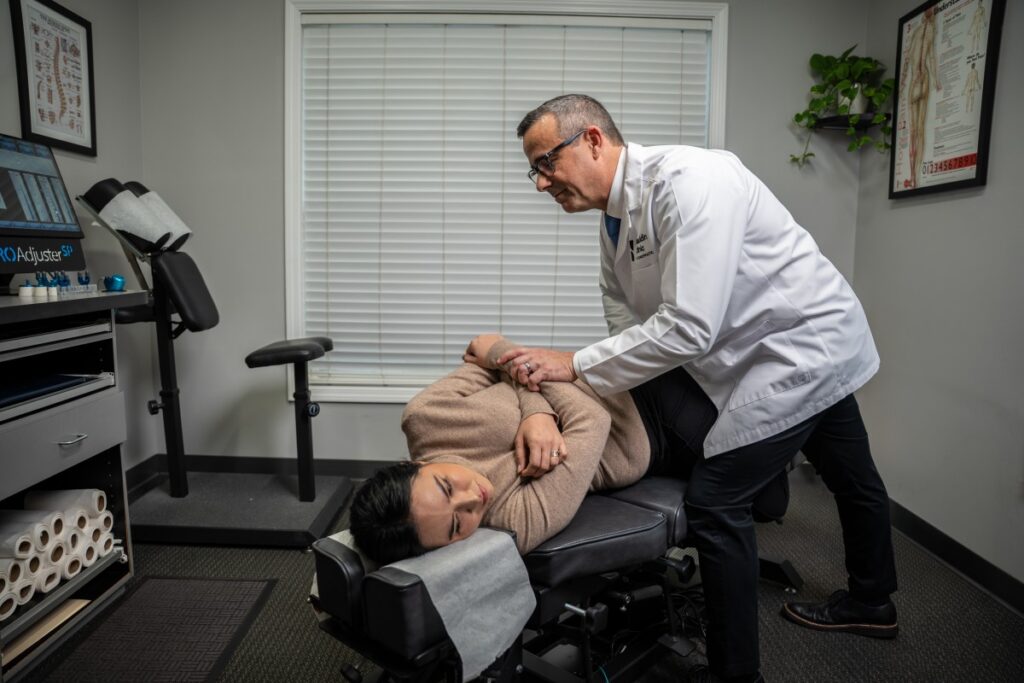
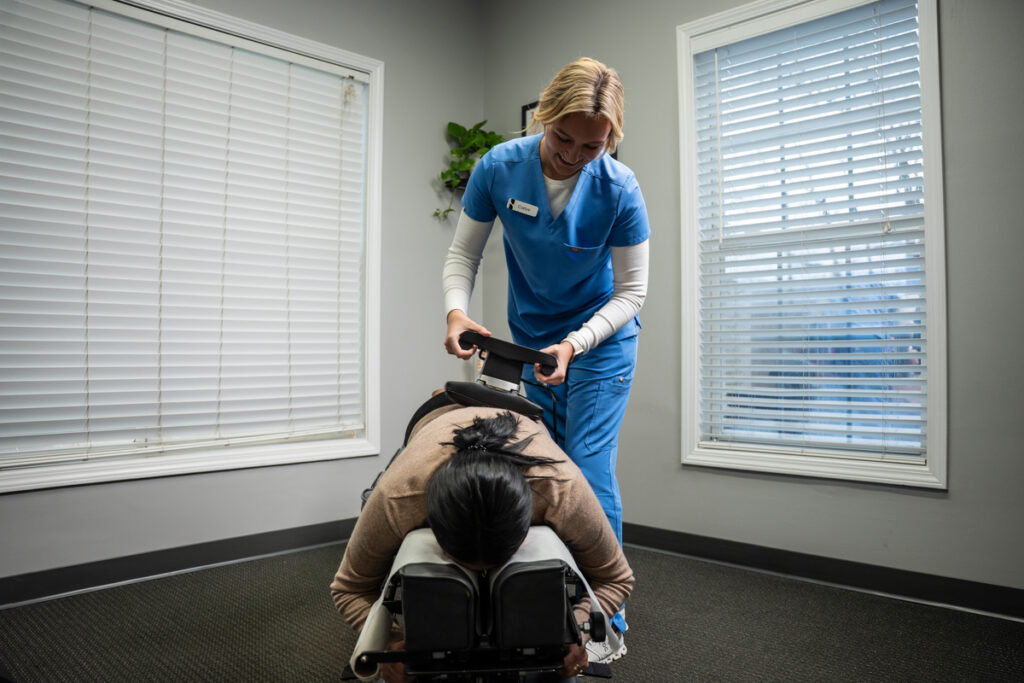
- Consider Chiropractic Care: Chiropractic adjustments can help realign your spine, relieve tension, and improve mobility. Regular visits to a chiropractor can lead to long-lasting pain relief and a healthier lifestyle.
- Create an Ergonomic Workspace: If you spend long hours at a desk, set up your workspace to promote better posture. Your computer screen should be at eye level, and your chair should support your lower back.
- Stay Hydrated: Drinking plenty of water is essential for maintaining the health of your spinal discs. Proper hydration can help reduce stiffness and improve your overall well-being.
By integrating these strategies into your daily routine, you can take significant steps towards relieving upper back pain and achieving optimal health. Remember, chiropractic care is a natural, effective way to address pain and promote wellness, so consider making it a part of your health journey.
Maintain Good Posture
Maintaining good posture is more than just a good habit; it’s a vital part of preventing and easing upper back pain. When you sit or stand, pay close attention to your body’s alignment. Keep your shoulders back and relaxed, and make sure your head is directly over your spine.
If you’re working at a desk, it’s important to adjust your chair and monitor height. Aim for your elbows to be at a 90-degree angle, with your feet flat on the floor to support your posture.
Engaging your core muscles can also provide essential support to your spine. Try to avoid slumping or leaning forward, especially when using your devices. If you begin to feel discomfort, take a moment to reposition yourself.
Regularly checking in on your posture can have a profound impact on how you feel throughout the day. By being mindful of your body’s alignment, you’re actively working towards reducing upper back pain and promoting your overall wellness.
Remember, chiropractic care offers a natural and effective way to support your spinal health. With the right adjustments, you can enhance your posture, alleviate pain, and improve your quality of life.
Take Regular Breaks
Taking regular breaks is an important practice for not only easing upper back pain but also promoting overall spinal health. As a chiropractor, I recommend setting a timer to remind yourself to stretch, move around, and change your position throughout the day. These simple adjustments can significantly improve how your back feels and contribute to better alignment.
Incorporating short breaks into your routine allows your muscles to relax and prevents stiffness that can lead to discomfort. During these breaks, try gentle stretches that target the upper back and shoulders, such as neck rolls and shoulder shrugs. These movements can help release tension and improve circulation.
Additionally, remember that chiropractic care plays a crucial role in maintaining optimal spine health. Regular adjustments can enhance your body’s natural ability to heal and function at its best.
Set a Timer
Since prolonged sitting can lead to upper back pain, it’s vital to set a timer to remind yourself to take regular breaks. This simple practice can help you develop a habit that reduces stiffness and discomfort, keeping your spine happy and healthy.
Aim for a break every 30 to 60 minutes; when the timer goes off, stand up, stretch a little, or take a short walk around your space. Even just a minute or two can significantly improve how your back feels. You don’t need to do anything intense—just changing your position and allowing your muscles to relax can work wonders.
Being mindful of your time at your desk can also help you maintain better posture, which is crucial for spinal health.
Remember, chiropractic care is an excellent way to address pain and promote natural wellness. Incorporating these small breaks into your routine not only supports your spine but can also enhance your overall well-being.
Stretch and Move
When you make stretching and movement a priority in your daily routine, you’ll likely experience a noticeable reduction in upper back tension. This is especially important if you find yourself sitting for extended periods. To keep your spine healthy and alleviate discomfort, stand up every 30 to 60 minutes and stretch your arms overhead, reaching toward the ceiling. This simple stretch can help release tightness and promote better spinal alignment.
In addition to overhead stretches, consider incorporating gentle twists and shoulder rolls into your breaks. These movements can increase mobility and improve circulation, which are key components of maintaining a healthy spine. Taking short walks throughout the day can further enhance your posture and overall comfort, allowing you to feel more at ease.
Remember, it doesn’t take a lot of time to make a difference. Just a few minutes of movement can revitalize your energy levels and reduce strain on your back. By integrating these small but effective movements into your daily routine, you’ll be on your way to a healthier back.
As a chiropractor, I encourage you to consider chiropractic care as an integral part of your wellness journey. Chiropractic adjustments can help align your spine, alleviate pain, and promote overall health naturally.
Change Your Position
Changing your position frequently is essential for effectively managing upper back pain. When you remain in one position for too long, whether sitting or standing, your muscles can become tense and fatigued.
As a local chiropractor, I want to share some simple tips that can help alleviate discomfort and emphasize the importance of chiropractic care for maintaining optimal health.
- Stand up and stretch every 30 minutes. Simple stretches can relieve muscle tension and promote flexibility. Incorporating this habit can significantly improve your overall comfort.
- Adjust your workstation for proper ergonomics. Ensuring your desk is set up correctly can help maintain good posture and reduce strain on your back. This is a key focus in chiropractic care, as proper alignment is crucial for spinal health.
- Use a supportive chair that encourages good posture. A chair designed to support your spine can make a world of difference. Your chiropractor can also provide guidance on the best seating options for your specific needs.
- Take short walks throughout your day. Moving around not only enhances blood circulation but also helps break the cycle of stiffness. These brief walks can be a great way to integrate movement into your daily routine.
- Incorporate light exercises that promote spinal health. Activities like yoga or gentle stretching can be beneficial. Consulting your chiropractor for personalized exercises can lead to improved strength and flexibility.
Remember, regular chiropractic adjustments can also play a vital role in relieving upper back pain.
By focusing on your spinal health and incorporating these simple strategies into your daily life, you can achieve lasting wellness and comfort.
Your journey to a healthier, pain-free life is just a few adjustments away!
Incorporate Stretching Exercises
To effectively relieve upper back pain, incorporating stretching exercises into your routine can make a significant difference. As a chiropractor, I often emphasize the importance of natural healing and how regular stretching not only improves flexibility but also alleviates tension in the muscles surrounding your upper back.
Simple stretches can be an excellent way to promote overall spinal health and enhance your well-being.
Begin with easy stretches such as the cat-cow stretch or shoulder shrugs, which can help ease tightness and improve your range of motion. Another beneficial stretch is the doorway stretch, which opens up your chest and shoulders, addressing common areas that contribute to upper back discomfort.
These stretches aren’t only effective but also a fantastic way to integrate movement into your day.
Aim to dedicate at least 10-15 minutes each day to your stretching routine. Hold each stretch for about 20-30 seconds, and remember to breathe deeply throughout the process. Listening to your body is crucial; if you feel any discomfort, adjust the stretch accordingly.
In addition to stretching, consider combining these exercises with deep breathing techniques to enhance relaxation and blood flow, further supporting your spinal health.
Consistency is key—by making stretching a daily habit, you may notice significant reductions in pain and improvements in mobility over time.
Remember, chiropractic care plays a vital role in supporting your body’s natural healing processes. Regular adjustments can help align your spine, further reducing tension and pain.
Use Ergonomic Furniture
As a local chiropractor, I believe that using ergonomic furniture can play a significant role in reducing upper back pain, especially for those who spend long hours at a desk.
While chiropractic care is the best way to achieve optimal health and address pain naturally, incorporating the right ergonomic tools can support your journey toward wellness.
Here are some essential pieces of ergonomic furniture to consider:
- Ergonomic chair: A chair that provides lower back support is crucial. It should allow your feet to rest flat on the floor, encouraging proper posture. This can help alleviate strain on your spine.
- Sit-stand desk: By allowing you to alternate between sitting and standing, a sit-stand desk can reduce pressure on your spine and promote movement throughout the day. This flexibility can help prevent discomfort and improve overall spinal health.
- Monitor riser: Elevating your computer screen to eye level is vital for preventing neck strain. This simple adjustment encourages better posture and can reduce the risk of upper back pain.
- Keyboard and mouse: Selecting ergonomic devices that keep your wrists in a natural position can minimize strain. Look for keyboards and mice designed to support your body’s natural alignment.
- Footrest: If your feet don’t reach the ground comfortably, a footrest can help maintain proper posture and alignment, supporting your overall spinal health.
While these ergonomic adjustments can enhance your comfort and help mitigate upper back pain, remember that chiropractic care is the best path to achieving long-lasting relief.
Regular chiropractic adjustments can help improve your spinal alignment, reduce pain, and promote natural healing.
Incorporating these tips into your daily routine can make a significant difference in how you feel.
Prioritize your health by combining ergonomic furniture with chiropractic care for optimal well-being!
Apply Heat or Cold Therapy
When it comes to relieving upper back pain, applying heat or cold therapy can be incredibly beneficial. As a chiropractor, I often recommend these methods as complementary strategies to support your overall wellness journey.
Heat therapy is great for relaxing tight muscles and enhancing blood flow, which can help ease soreness and stiffness in your back. You might consider using a heating pad, warm towel, or even taking a warm bath to help soothe those tense areas.
On the other hand, cold therapy is effective for reducing inflammation and numbing sharp pain. Applying a cold pack or a bag of frozen vegetables wrapped in a cloth can help alleviate discomfort, especially after an activity that may have strained your back.
It’s essential to know when to use each method: heat is best for chronic muscle tension, while cold is effective for acute injuries or flare-ups.
In addition to these therapies, regular chiropractic adjustments can help address the underlying issues causing your back pain and promote a healthier spine. Chiropractic care focuses on natural healing and optimal health, allowing your body to function at its best without relying on medications or invasive procedures.
Remember to listen to your body and use these therapies as needed, but also consider scheduling a chiropractic appointment to explore a comprehensive approach to your health and wellness.
Together, we can develop a plan that not only alleviates your pain but enhances your overall well-being.
Benefits of Heat Therapy
Heat therapy can be a valuable tool for relieving upper back pain, and as a chiropractor, I want to share how it complements the benefits of chiropractic care in your journey toward wellness. When you apply heat to your back, it works wonders in relaxing tight muscles and enhancing blood circulation, which can speed up your healing process.
Here are some key advantages of heat therapy that you may find helpful:
- Increased blood flow: Heat helps widen blood vessels, ensuring that sore areas receive more oxygen and nutrients, which are essential for healing.
- Muscle relaxation: The warmth from heat therapy eases and loosens stiff muscles, reducing tension that can contribute to discomfort.
- Pain relief: The soothing effect of heat can help reduce the pain signals your body sends, providing a sense of relief.
- Enhanced flexibility: Warm muscles tend to be more pliable, making it easier for you to move freely and comfortably.
- Stress reduction: The comforting sensation of heat can promote relaxation, helping to alleviate stress, which can also impact your pain levels.
To make the most of heat therapy, consider incorporating it into your daily routine alongside chiropractic adjustments. Simple tips include using a heating pad or warm towel on your back for 15-20 minutes at a time.
Remember to listen to your body and avoid using heat on areas with swelling or acute injuries.
Combining heat therapy with regular chiropractic care can significantly enhance your overall health and well-being. Together, they offer a natural approach to pain relief and improved quality of life.
If you’re experiencing ongoing discomfort, consult with your chiropractor to create a personalized plan that works best for you.
Cold Therapy Effectiveness
While heat therapy can be incredibly beneficial for relieving upper back pain, cold therapy is also a valuable option to consider in your wellness journey. It can be especially effective for reducing inflammation and numbing sharp pain. When you apply a cold pack or a bag of ice wrapped in a cloth to your upper back, it works by constricting blood vessels, which can help lessen swelling and discomfort.
For optimal results, aim to apply the cold for about 15-20 minutes at a time. Just remember to give your skin breaks in between applications to prevent frostbite. This method can be particularly helpful after physical activities, or if you’ve been sitting for extended periods, as it can soothe any discomfort that arises.
It’s important to listen to your body; if you find that cold therapy makes your pain worse, consider switching back to heat. Both cold and heat therapies can play a role in managing upper back pain, but chiropractic care stands out as the most effective solution for achieving long-term relief and optimal health.
Incorporating regular chiropractic adjustments into your routine can help align your spine, improve mobility, and support your body’s natural healing processes.
Stay Hydrated
Staying hydrated is crucial for your overall health and plays a significant role in keeping your upper back comfortable and pain-free. When you’re well-hydrated, your muscles and joints operate more effectively, which can help reduce discomfort and prevent pain.
On the other hand, dehydration can lead to stiffness and tension, making existing upper back issues worse. Here are some simple tips to help you stay properly hydrated:
- Carry a water bottle: Keep it with you as a gentle reminder to sip throughout the day. This small habit can make a big difference in your hydration levels.
- Set reminders: Use your phone or a kitchen timer to nudge you every hour to take a drink. Consistent hydration is key to maintaining your well-being.
- Infuse your water: Make your hydration more enjoyable by adding slices of fruits or herbs. This can make drinking water feel like a treat rather than a chore.
- Eat hydrating foods: Include water-rich fruits and vegetables, like cucumbers and watermelon, in your meals. They not only boost your hydration but also support your overall health.
- Monitor your intake: Keep track of how much water you drink daily to ensure you’re hitting your hydration goals. This awareness can help you stay on top of your health.
Remember, staying hydrated is just one part of a healthy lifestyle. Regular chiropractic care can also enhance your well-being by ensuring your spine is aligned and functioning optimally, which can further alleviate discomfort in your back.
Make hydration and chiropractic care part of your routine for a healthier, pain-free life!
Consider Professional Help
If you’re dealing with persistent upper back pain, seeking the right help can truly make a difference. As a chiropractor, I believe that chiropractic care is one of the best ways to address your discomfort and promote natural healing. By visiting a chiropractor, you can receive a thorough assessment of your condition, with a focus on understanding the root cause of your pain.
Chiropractic adjustments are designed to realign your spine, which can relieve pressure on nerves and improve overall function. This gentle, hands-on approach not only targets pain but also helps in restoring mobility and enhancing your body’s natural healing abilities.
In addition to adjustments, I often recommend exercises and stretches that strengthen your back muscles and improve flexibility, making everyday activities easier and more comfortable.
Incorporating simple lifestyle changes can also be beneficial. Maintaining good posture while sitting or standing, using ergonomic furniture, and taking breaks to move around during long periods of inactivity can all contribute to reducing upper back pain. Remember to listen to your body and avoid any movements that cause discomfort.
Regular visits to a chiropractor can help track your progress and ensure that your treatment plan is working effectively. You don’t have to face your pain alone—chiropractic care can be a powerful ally in your journey towards recovery and improved well-being.
Embracing natural wellness through chiropractic not only helps with pain relief but also enhances your overall quality of life.