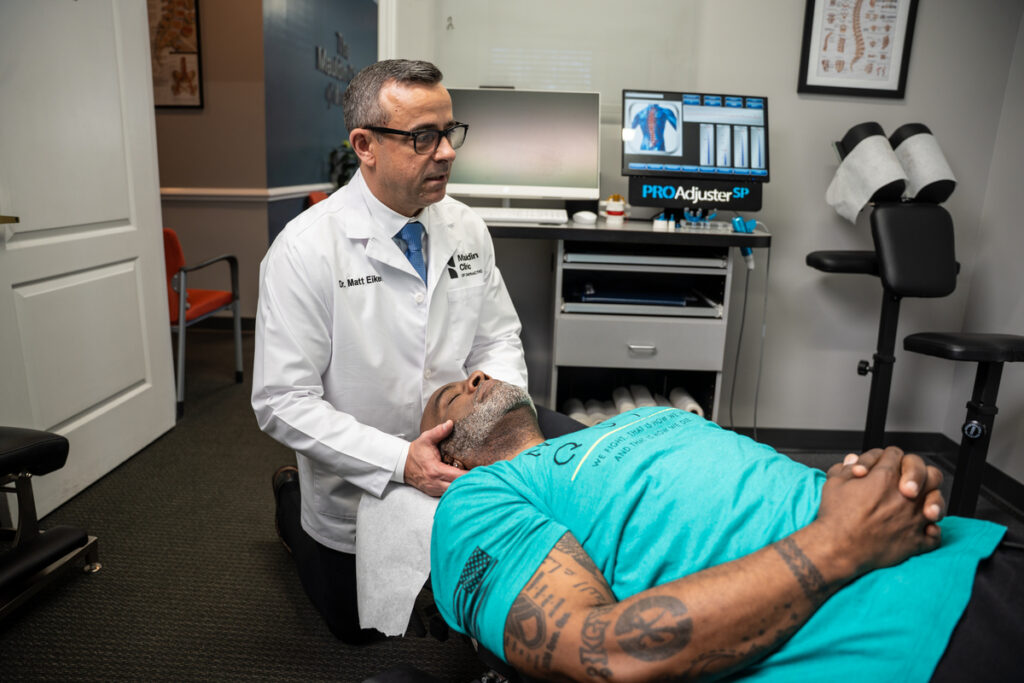

Hip pain has a way of sneaking up on you. One day you’re walking the dog or picking something up off the floor, and the next day you’re limping through your morning routine wondering what went wrong. Many people assume hip pain is just a normal part of getting older — but that’s not the whole story. The truth is, the health of your hips depends heavily on how well your spine, pelvis, and surrounding muscles are functioning together. At The Mauldin Clinic in Mauldin, SC, Dr. Matt Eiken works with patients every week who are not just looking for relief from current hip pain, but who want to understand how to prevent it from coming back in the first place.
Can chiropractic care help prevent future hip pain and injuries? Absolutely — and with good reason. Chiropractic care addresses the root mechanical factors that make the hips vulnerable to strain, imbalance, and injury over time. By improving spinal alignment, pelvic balance, and joint mobility, chiropractic care can play a meaningful role in keeping your hips healthy for the long haul.
Table of Contents
What Actually Causes Hip Pain?
Hip pain is one of the most common musculoskeletal complaints that chiropractors see, and it can stem from a surprising variety of sources. The hip joint itself is a ball-and-socket joint that connects your thighbone (femur) to your pelvis. It’s designed to be both strong and mobile — capable of bearing your full body weight while also allowing you to walk, run, squat, and rotate. But that combination of demands makes it vulnerable when other parts of the body aren’t doing their job properly.
Common causes of hip pain include muscle imbalances, tightness in the hip flexors or glutes, sacroiliac joint dysfunction, bursitis, labral irritation, and osteoarthritis. In many cases, the pain people feel in their hip region isn’t even originating in the hip joint itself. It can be referred pain from the lower back, the sacroiliac joint, or even pinched nerves in the lumbar spine. This is why a thorough evaluation is so important — treating the wrong area rarely leads to lasting results.
Here in Mauldin, SC, Dr. Matt Eiken sees patients whose hip pain developed gradually from years of sitting at a desk, from repetitive athletic movements, or simply from postural habits that quietly put the hips under uneven stress over time. Understanding the true source of your hip pain is the first and most important step toward preventing it from becoming a long-term problem.
The Hip-Spine Connection You Might Not Know About
Most people think of the hips and the spine as two separate systems. But in reality, they are deeply interconnected — biomechanically, neurologically, and structurally. The pelvis sits at the very junction of the spine and the legs, acting as the foundation for nearly every movement your body makes. When the pelvis is tilted, rotated, or misaligned, both the spine above it and the hips beside it are affected.
This relationship is sometimes described in chiropractic and sports medicine circles as the “lumbopelvic-hip complex.” What this means in plain terms is that your lower back, pelvis, and hips all move together as one integrated unit. If one area becomes restricted, tight, or misaligned, the others have to compensate. Over time, those compensations add up — creating uneven loading on the hip joint, muscle imbalances around the pelvis, and a greater risk of injury during everyday activities or exercise.
For example, when someone has a lumbar spine that has lost its normal range of motion on one side, the hip on that same side often has to rotate more to make up the difference. Over months or years, that extra demand on the hip joint can lead to inflammation, premature wear, and pain. This is exactly the kind of pattern that chiropractic care is designed to identify and correct before it becomes a serious problem.
How Chiropractic Care Addresses Hip Health
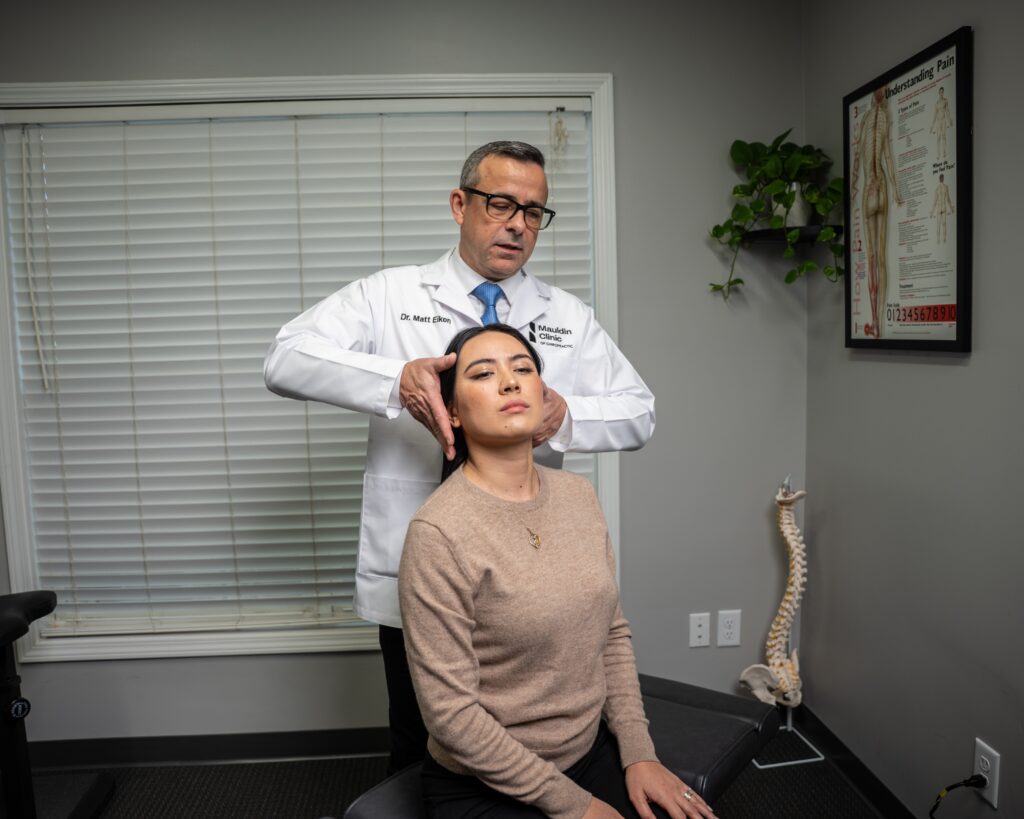
Chiropractic care takes a whole-body approach to musculoskeletal health. Rather than simply treating the area where pain is felt, a chiropractor evaluates your entire movement system — including the spine, pelvis, hips, and surrounding soft tissues — to understand how everything is working together. At The Mauldin Clinic, Dr. Matt Eiken performs a thorough assessment before developing any care plan, making sure that the approach is tailored to each individual patient’s needs.
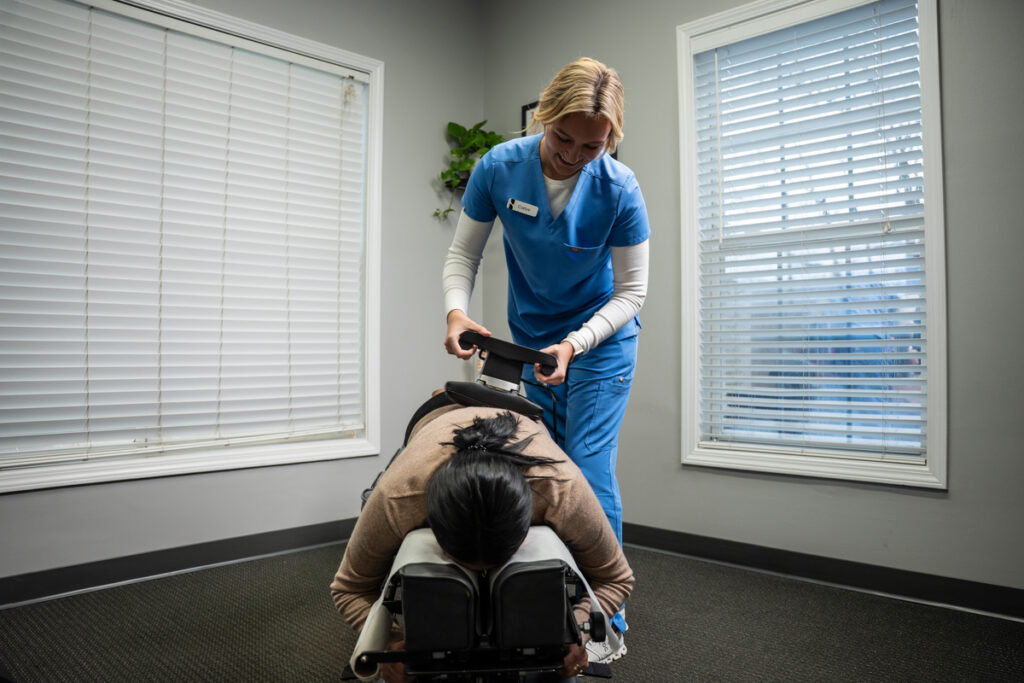
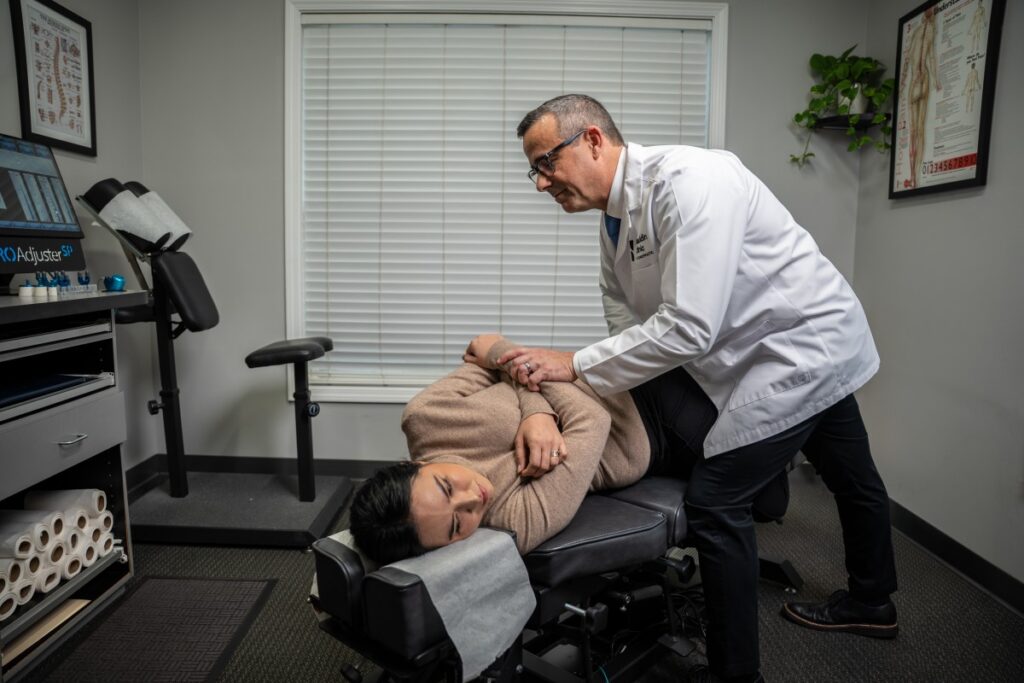
Spinal and pelvic adjustments are a core part of chiropractic care for hip health. When the joints of the lumbar spine or sacroiliac region are restricted or misaligned, chiropractic adjustments work to restore proper motion and alignment. This can relieve the compensatory stress being placed on the hip joint and allow the muscles around the hip to function more efficiently. Research published in journals like the Journal of Manipulative and Physiological Therapeutics suggests that spinal manipulation can help reduce musculoskeletal pain and improve functional outcomes in patients with hip and pelvis-related complaints.
Beyond adjustments, chiropractic care for hip health often involves addressing soft tissue imbalances. Tight hip flexors, weak glutes, and restricted iliotibial (IT) bands are extremely common contributors to hip dysfunction. Dr. Matt Eiken may incorporate targeted therapeutic exercises, myofascial techniques, or movement coaching alongside adjustments to give patients a more complete foundation for long-term hip health. The goal is never just to get you out of pain — it’s to help your body move well enough that it’s less likely to break down in the future.
Prevention, Not Just Treatment: A Different Way to Think About Your Hips
One of the most powerful shifts a patient can make is moving from a “fix it when it hurts” mindset to a “keep it healthy before it hurts” mindset. Chiropractic care is genuinely well-suited for this kind of proactive approach. Unlike medications that mask symptoms, or surgeries that address end-stage damage, regular chiropractic care focuses on maintaining the biomechanical conditions that allow your joints to stay healthy over time.
Think of it like regular maintenance on your car. You don’t wait for the engine to fail before you change the oil. The same logic applies to your body. When your spine and pelvis maintain proper alignment and mobility, the forces transmitted through your hip joints are distributed more evenly. The muscles surrounding your hips can activate properly, the nerves supplying those muscles function without interference, and the joint itself experiences less wear and tear with every step you take.
For athletes in the Mauldin, SC area — from weekend runners to youth sports participants — preventive chiropractic care can be especially valuable. Many hip injuries in active individuals, such as hip flexor strains, IT band syndrome, and labral stress, develop because of underlying movement asymmetries that go unaddressed. Catching and correcting those patterns early, before they cause injury, is one of the most effective things Dr. Matt Eiken and the team at The Mauldin Clinic can offer their patients.
Practical Tips to Support Your Hip Health at Home
Chiropractic care works best when it’s supported by healthy daily habits. There’s a great deal you can do outside of the clinic to protect your hips and reduce your risk of future pain or injury.
Pay attention to how long you sit. Prolonged sitting is one of the most significant contributors to hip flexor tightness and glute inhibition — two of the most common drivers of hip dysfunction. If your work involves a desk or computer, try to stand and move briefly every 30 to 45 minutes. Even a short walk to refill your water or a few gentle hip circles can make a meaningful difference over the course of a day.
Sleep position matters more than most people realize. Sleeping on your side with your knees stacked and a pillow between them can reduce stress on the hip joints overnight. If you’re a stomach sleeper, it’s worth knowing that this position can increase lumbar and pelvic strain, which may contribute to hip discomfort over time.
Footwear is another often-overlooked factor. Worn-out shoes, high heels, or flat shoes without arch support can alter your gait and shift stress into the hips and lower back. Choosing supportive footwear — and replacing shoes before they wear down unevenly — is a simple but meaningful step toward hip health.
Finally, staying consistent with any exercises or stretches recommended by Dr. Matt Eiken between visits is one of the best things you can do to get the most out of your chiropractic care. These aren’t just filler — they’re designed to reinforce the alignment and movement improvements made during your adjustments.
When to See a Chiropractor for Hip Pain
You don’t have to be in severe pain to benefit from a chiropractic evaluation. In fact, many of the best outcomes happen when people come in early — before a minor issue has a chance to become a chronic one. If you’ve noticed recurring stiffness in your hips after sitting, a subtle limp that comes and goes, or discomfort in the outer hip or groin during exercise, those are all good reasons to schedule an evaluation at The Mauldin Clinic.
That said, certain symptoms do warrant a more urgent response. If your hip pain is accompanied by numbness or tingling radiating down the leg, significant swelling, or pain severe enough to prevent weight-bearing, it’s important to seek care promptly — and in some cases, a referral for imaging or additional medical evaluation may be warranted. Dr. Matt Eiken is trained to recognize when a patient’s condition is appropriate for chiropractic care and when a referral to another healthcare provider is the right call. Patient safety always comes first.
As a general guideline, if hip discomfort has been present for more than a week or two, is affecting your ability to perform normal daily activities, or keeps returning after short periods of relief, chiropractic evaluation is a reasonable and often very productive next step.
Hip Pain Causes vs. Contributing Factors
|
Common Hip Pain Causes |
Underlying Contributing Factors |
|---|---|
|
Hip flexor strain |
Prolonged sitting, weak core, pelvic misalignment |
|
IT Band syndrome |
Gait imbalances, weak hip abductors, poor footwear |
|
Trochanteric bursitis |
Repetitive friction, leg length discrepancy, muscle tightness |
|
Sacroiliac joint dysfunction |
Pelvic asymmetry, altered walking patterns, lumbar restriction |
|
Hip osteoarthritis |
Cumulative joint stress, uneven loading, reduced mobility over time |
|
Referred hip pain from the lumbar spine |
Disc irritation, nerve compression, spinal joint restriction |
Myths vs. Facts About Hip Pain and Chiropractic Care
Myth: Hip pain is just a normal part of aging and there’s nothing you can do about it.
Fact: While some degree of joint wear does occur naturally over time, chronic hip pain is not an inevitable part of aging. Many people in their 60s, 70s, and beyond maintain excellent hip function through proactive care, movement, and spinal health maintenance. Chiropractic care can play a meaningful role in slowing degenerative processes by improving how forces are distributed through the hip joint.
Myth: Chiropractors only work on the spine, not the hips.
Fact: Chiropractors are trained in the assessment and care of the entire musculoskeletal system, including peripheral joints like the hip. At The Mauldin Clinic, Dr. Matt Eiken evaluates not just the spine but also the pelvis, sacroiliac joints, and hip joints as part of a comprehensive approach to hip health.
Myth: You should rest and avoid movement when your hip hurts.
Fact: Complete rest is rarely the best approach for musculoskeletal hip pain. Gentle, appropriate movement is generally encouraged to maintain circulation, prevent stiffness, and support healing. Of course, the right type of movement depends on the specific cause of your pain, which is why a professional evaluation is so important before you start any new exercise routine.
Myth: Chiropractic adjustments are dangerous for the hip area.
Fact: When performed by a licensed, trained chiropractor, adjustments to the lumbar spine, pelvis, and hip region are considered safe for the vast majority of patients. Dr. Matt Eiken conducts a thorough assessment before any adjustment to ensure the approach is appropriate and safe for each individual.
Myth: If you’ve already had hip surgery, chiropractic care can’t help you.
Fact: Many patients who have had hip procedures, including hip replacement surgery, continue to benefit from chiropractic care focused on the surrounding spine, pelvis, and soft tissues. Care is always adapted to the individual’s history and current condition, and Dr. Matt Eiken communicates with other healthcare providers when appropriate.
Final Thoughts from The Mauldin Clinic
Hip pain doesn’t have to be something you just live with, and it certainly doesn’t have to be something you wait to address until it becomes serious. Here at The Mauldin Clinic in Mauldin, SC, we believe that understanding your body and taking a proactive approach to your musculoskeletal health is one of the most empowering things you can do for yourself. Whether you’re currently dealing with hip discomfort or simply want to make sure your hips hold up well through the years ahead, chiropractic care offers a safe, non-invasive, and highly individualized path forward.
Dr. Matt Eiken and our team are here to help patients throughout Mauldin and the surrounding communities take meaningful steps toward better movement, less pain, and greater long-term function. If you’ve been wondering whether a chiropractic evaluation might be right for you, we’d encourage you to reach out. You deserve to feel good in your body — not just today, but for years to come.
Frequently Asked Questions
Can a chiropractor actually adjust the hip joint itself?
Yes. Chiropractors are trained to assess and perform adjustments to peripheral joints, including the hip. At The Mauldin Clinic, Dr. Matt Eiken evaluates whether direct hip joint mobilization is appropriate based on each patient’s specific condition and history.
How many chiropractic visits does it typically take to see improvement in hip pain?
The timeline varies depending on how long the issue has been present, its underlying cause, and each individual’s overall health. Many patients begin to notice improvement within the first several visits, while more long-standing or complex cases may require a longer care plan. Dr. Matt Eiken will discuss realistic expectations with you during your initial evaluation.
Is chiropractic care safe for hip pain caused by arthritis?
Chiropractic care can often be safely adapted for patients with hip osteoarthritis, with techniques adjusted to match the individual’s comfort level and degree of joint involvement. The goal in these cases is typically to improve surrounding mobility and reduce stress on the arthritic joint rather than to force range of motion. A thorough evaluation helps determine the most appropriate approach.
Can poor posture really contribute to hip pain?
Yes — significantly. Postural imbalances, especially those involving anterior pelvic tilt (where the pelvis tilts forward) or lateral pelvic shifts, can place chronic uneven stress on the hip joints and surrounding muscles. Addressing posture is a key component of both treating and preventing hip pain through chiropractic care.
What’s the difference between hip pain and lower back pain — and how do I know which one I have?
The two conditions can overlap and even mimic each other, which is why a professional evaluation is so important. Generally speaking, true hip joint pain is felt in the groin, outer hip, or buttock and tends to worsen with weight-bearing activities. Lower back pain typically stays above the waistline, though it can radiate into the hips and legs. Dr. Matt Eiken can help identify the source of your discomfort through a thorough physical and functional assessment.
Should I get imaging (X-rays or MRI) before seeing a chiropractor for hip pain?
Not necessarily — imaging is not always required before a chiropractic evaluation and may not change the initial approach to care for many common hip complaints. However, if your history or examination findings suggest a condition that warrants imaging, Dr. Matt Eiken will recommend the appropriate next steps and coordinate with other providers as needed.
TL;DR Summary
-
Hip pain often has mechanical roots — including spinal misalignment, pelvic imbalance, and muscle dysfunction — that chiropractic care is well-positioned to address.
-
The hips and spine are deeply interconnected; problems in one area frequently affect the other, which is why a whole-body chiropractic approach is so valuable for hip health.
-
Chiropractic care can serve a preventive role by correcting movement asymmetries and biomechanical imbalances before they lead to injury or chronic pain.
-
Simple daily habits — including managing sitting time, choosing supportive footwear, and maintaining recommended exercises — significantly support the results of chiropractic care.
-
At The Mauldin Clinic in Mauldin, SC, Dr. Matt Eiken provides individualized, evidence-informed chiropractic care designed to help patients move better, feel better, and protect their hip health for the long term.