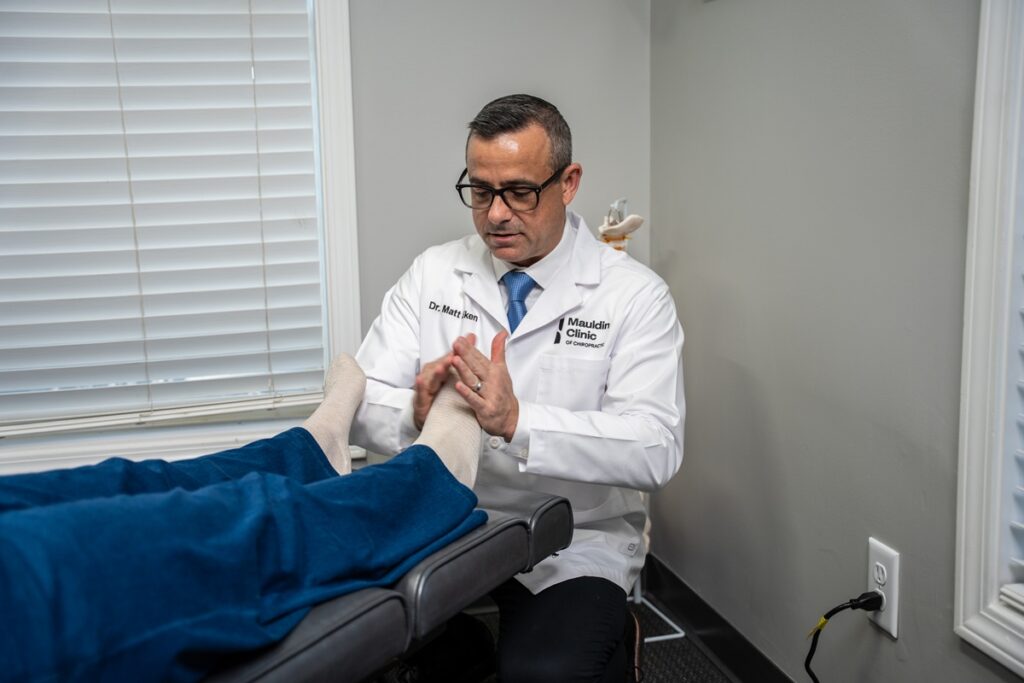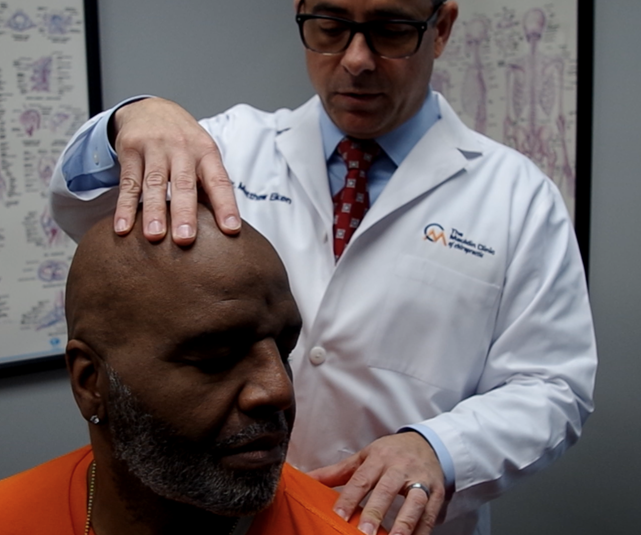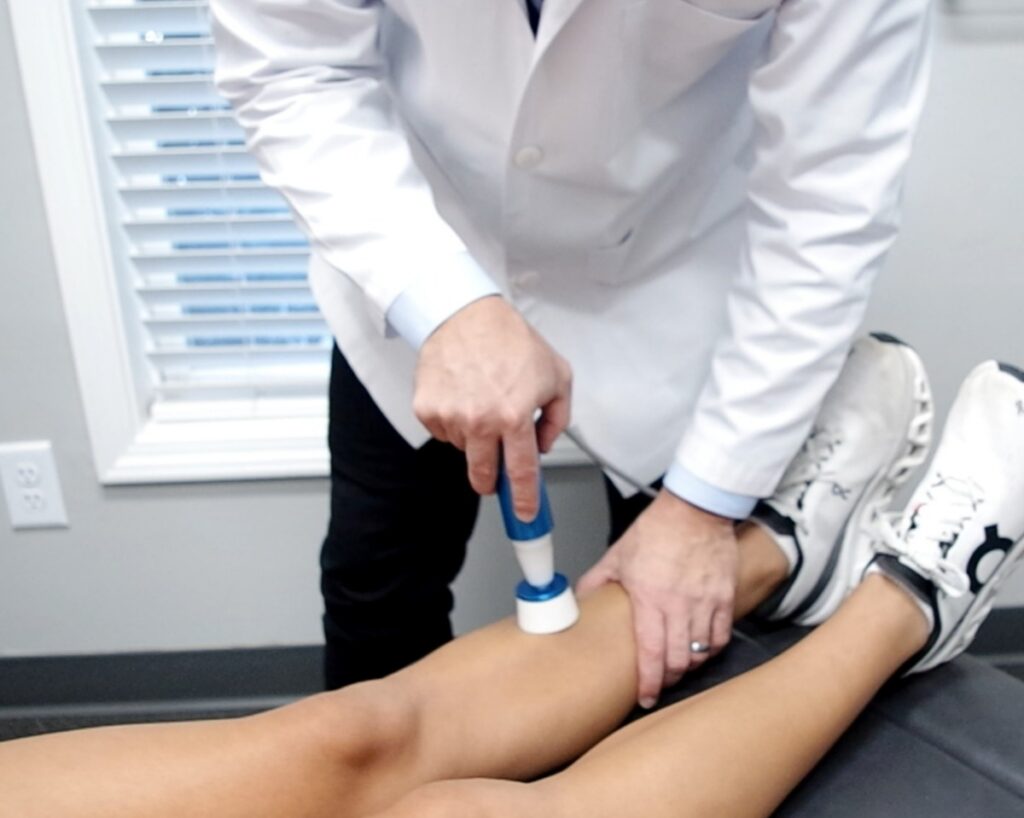

Are you interested in discovering your flexibility level and its impact on your overall health? As a local chiropractor, I encourage you to take our quiz to gain valuable insights into your strengths and areas that may need improvement. Understanding your current flexibility can help you set personalized goals to enhance your stretching routine and support your body’s natural healing process. But this is just the beginning—there are many additional strategies we can explore together to elevate your flexibility journey and improve your well-being. Let’s work together to unlock your body’s potential!
Understanding Flexibility and Its Benefits
As a local chiropractor, I often discuss the importance of flexibility with my patients, especially those who may not be familiar with the benefits of chiropractic care and natural healing.
When you think of flexibility, you might envision a gymnast performing stunning feats of movement. However, flexibility is much more than just impressive displays; it’s a crucial component of your overall health and well-being.
Flexibility refers to the ability of your muscles and joints to move freely through their full range of motion. When your body is flexible, it can enhance your athletic performance, making your movements smoother and more efficient, while also significantly reducing your risk of injury.
In addition to improving athletic performance, increased flexibility can help alleviate muscle tension and enhance your posture. Good posture is essential for proper alignment in daily activities, which can prevent discomfort and pain.
You’ll also discover that improved flexibility promotes relaxation and reduces stress, making it easier to unwind after a busy day.
Whether you’re an athlete or simply seeking to feel more comfortable in your own body, understanding flexibility and its many benefits can inspire you to incorporate stretching and mobility exercises into your daily routine.
As a chiropractor, I encourage you to embrace flexibility as a vital aspect of a healthier, more active lifestyle. By prioritizing flexibility, you’re taking a significant step towards overall wellness and natural healing.
Assessing Your Current Flexibility Level
As your local chiropractor, I want to emphasize the importance of understanding your current flexibility level before embarking on a journey to enhance it.
Assessing your flexibility is a crucial step that can help identify both your strengths and areas that may need improvement. By utilizing some common flexibility tests, we can gain valuable insights into your body’s range of motion.
This assessment allows us to set specific flexibility goals that are tailored to your individual needs, which is essential for promoting overall health and wellness through natural healing methods.
Let’s work together to uncover how we can enhance your flexibility and support your body’s natural function.
Importance of Flexibility Assessment
As your local chiropractor, I want to emphasize the importance of assessing your flexibility level as a fundamental part of your overall health and wellness journey. Understanding your current flexibility is crucial for creating an effective stretching routine that suits your unique needs. Without this awareness, you might overlook certain areas that require attention or set goals that aren’t achievable.
By taking the time to evaluate your flexibility, we can pinpoint tight muscles and imbalances in your body. This insight allows us to focus your stretching efforts where they’re truly needed, promoting better mobility and reducing the risk of injury. Tailoring your stretching exercises based on this assessment ensures that you’re making the most of your efforts and progressing safely.
Moreover, tracking your flexibility over time can be a powerful motivator. As you see tangible improvements, you’ll gain confidence in your body’s abilities and feel encouraged to continue on your path to better health.
Ultimately, knowing your current flexibility level lays the groundwork for your wellness journey, guiding you toward enhanced performance and overall well-being. So, let’s work together to evaluate your flexibility and unlock your full potential!
Common Flexibility Tests
As a local chiropractor dedicated to helping you understand the importance of flexibility in maintaining your overall health, I want to share some common tests that can help you assess your flexibility levels.
These simple tests aren’t only easy to perform but also provide valuable insights into your body’s range of motion, highlighting areas that may need improvement.
Here are four popular flexibility tests that you can try at home:
- Sit and Reach Test: This test measures the flexibility of your lower back and hamstrings, which are crucial for everyday movements and preventing injuries.
- Shoulder Flexibility Test: By evaluating your shoulder joint’s range of motion, this test can help identify any restrictions that might affect your posture and upper body mobility.
- Hip Flexor Test: This assessment focuses on the flexibility of your hip flexors, which play an essential role in your ability to move freely and comfortably.
- Quadriceps Flexibility Test: This test checks for tightness in the front of your thighs, an area that, if restricted, can lead to discomfort and affect your overall mobility.
By understanding your flexibility through these tests, we can work together on tailored strategies to enhance your movement, reduce pain, and promote natural healing.
Identifying Flexibility Goals
As a local chiropractor, I want to emphasize the importance of understanding your current flexibility level as a foundational step toward setting realistic and achievable flexibility goals.
It’s essential to start by assessing how easily you can perform everyday movements, such as bending down to tie your shoes or reaching for items on a high shelf.
You can utilize simple tests, like the sit-and-reach, to measure your range of motion, especially in critical areas like your hamstrings and lower back. By identifying any limitations you may have, you can focus on specific areas that need improvement.
Consider whether your goal is to enhance overall flexibility or if you want to concentrate on particular activities, such as yoga, sports, or even just improving your overall mobility in daily life.
Setting clear, measurable goals based on your self-assessment allows us to create a customized flexibility plan tailored to your unique needs. This approach won’t only help you progress effectively but also support your journey toward better health and well-being through natural healing practices.
The Flexibility Quiz: What to Expect
Are you curious about your flexibility and how it impacts your overall health? As a local chiropractor, I believe understanding your body is vital for maintaining wellness. That’s why I’ve created a flexibility quiz to help you assess your current range of motion and identify areas that could use improvement.
Here’s what you can expect from the quiz:
- A combination of easy multiple-choice questions and self-assessments to gauge your flexibility
- Focus on crucial areas such as your shoulders, hips, back, and legs, which are essential for overall mobility and function
- Clear, straightforward language—no medical jargon to confuse you!
- Instant feedback on your flexibility level, along with personalized tips for enhancement
As you go through the quiz, remember that it’s not about being perfect; it’s about gaining a better understanding of your body and its needs.
You’ll be able to pinpoint both your strengths and areas for improvement, which is the first step toward creating a customized flexibility plan tailored just for you.
Recommended Stretching Exercises for All Levels
As a chiropractor, I want to emphasize the importance of stretching for everyone, regardless of your fitness background or experience with chiropractic care. Incorporating a variety of stretching exercises into your routine can significantly enhance your flexibility and overall well-being.
For those just starting out, I recommend trying the seated hamstring stretch. Simply sit on the floor with your legs extended in front of you, and gently reach toward your toes. This stretch not only helps to loosen your lower back and hamstrings but also promotes better posture, which is crucial for spinal health.
If you’re at an intermediate level, the standing quadriceps stretch can be very beneficial. Stand tall, grab one ankle behind you, and pull it towards your glutes to stretch your thigh muscles. This stretch is essential for maintaining balanced muscle tension around the knee, which can help prevent injuries.
For those of you who are more advanced in your flexibility journey, consider incorporating the pigeon pose into your routine. Start in a plank position, bring one knee forward towards your hands, and extend the other leg straight back. This position deeply stretches your hips and glutes, which is vital for maintaining a healthy lower back and pelvis alignment.
Always remember to hold each stretch for 15-30 seconds and breathe normally throughout the process. Regular stretching not only improves your flexibility but also supports your chiropractic care by enhancing your mobility and making daily activities easier.
As you progress, you’ll likely notice not only improved flexibility but also a greater sense of overall wellness, which is a key component of your fitness journey.
Tips for Incorporating Flexibility Training Into Your Routine
As a local chiropractor, I want to emphasize the importance of flexibility in maintaining overall health and wellness. To enhance your flexibility, I recommend starting with a daily stretching routine that can easily fit into your everyday life. This practice not only helps improve your range of motion but also supports your spine and joints, which is essential for overall bodily function.
In addition to stretching, consider incorporating yoga sessions into your routine. Yoga is a fantastic way to not only boost flexibility but also promote relaxation and mental clarity. These gentle movements can be particularly beneficial for your spine, helping to alleviate tension and improve posture.
By making these small adjustments to your daily routine, you can stay committed to your health journey and experience noticeable improvements in your flexibility over time.
Daily Stretching Routine
As a local chiropractor, I want to emphasize how incorporating a daily stretching routine can significantly improve your flexibility and overall health. Stretching is a fantastic way to support natural healing and enhance your well-being.
Here are some helpful tips to make stretching an enjoyable and effective part of your daily routine:
- Set a specific time: It’s important to choose a time that fits seamlessly into your schedule. Whether it’s in the morning to wake up your body, during lunch to break up your day, or before bed to relax, consistency is key.
- Start small: If you’re new to stretching, I recommend beginning with just five to ten minutes a day. As you become more familiar with the movements and your body starts to adapt, you can gradually increase the duration.
- Focus on major muscle groups: Pay attention to your hamstrings, hips, shoulders, and back. These areas can often hold tension, and by targeting them, you can enhance your flexibility and promote a greater range of motion.
- Mix it up: To keep your stretching routine engaging, consider incorporating a variety of stretches or using a stretching app. This not only makes it more enjoyable but also ensures that you’re addressing different muscle groups effectively.
Remember, a consistent stretching routine can complement your chiropractic care and contribute to a healthier, more flexible body.
If you have any questions or need guidance on specific stretches, feel free to reach out!
Incorporate Yoga Sessions
As a local chiropractor dedicated to promoting natural healing and overall well-being, I want to share the benefits of incorporating yoga sessions into your routine, particularly if you’re already engaging in daily stretching.
Yoga can significantly enhance your flexibility training and overall body awareness. I recommend starting with just 20-30 minutes a few times a week. Look for classes or online videos that emphasize flexibility, such as Hatha or Yin yoga, which are gentle and restorative.
In your practice, focus on poses like Downward Dog, Pigeon, and Butterfly, which help target various muscle groups and promote balance in the body. It’s essential to listen to your body throughout this process; remember, it’s about making progress rather than striving for perfection.
Creating a calming environment—think soft lighting and soothing music—can further enrich your yoga experience.
If you’re new to yoga, consider joining a local class where you can receive guidance and motivation from an instructor. With regular practice, you’ll likely notice improved flexibility, reduced tension, and an overall sense of well-being.
Embracing these practices can complement your chiropractic care and contribute to a healthier, more balanced lifestyle.
Tracking Your Progress and Staying Motivated
Tracking your progress is a crucial aspect of maintaining motivation on your journey towards improved flexibility and overall wellness. As your chiropractor, I want to emphasize how monitoring your improvements can lead to a more fulfilling experience and better health outcomes.
By celebrating small victories, you can stay engaged and make necessary adjustments to your routine. Here are some effective ways I recommend to help you keep track of your progress:
- Keep a Journal: Document your daily flexibility exercises, noting any changes in your range of motion. This practice not only helps you remember your routine but also allows you to see how far you’ve come over time.
- Take Measurements: Regularly measure your stretching capabilities. Whether it’s how far you can reach or the depth of your stretches, documenting these metrics helps you visualize your growth and encourages you to push your limits safely.
- Set Goals: Establish both short-term and long-term flexibility goals. This could include mastering a specific yoga pose or reaching a new level in a stretch. Setting clear objectives gives you something to strive for and keeps you focused.
- Use Apps: Consider utilizing fitness apps designed to log your workouts and track your progress visually. These tools can provide insights into your improvements and help you stay motivated.
By incorporating these methods into your routine, you can enhance your flexibility journey while also supporting your overall health and well-being.
Conclusion
As a local chiropractor, I want to help you understand the importance of flexibility in maintaining overall wellness. By participating in our quiz, you can assess your current flexibility level and identify personalized goals to enhance your daily routine. Incorporating recommended stretching exercises can greatly benefit your body, promoting better mobility and reducing the risk of injuries. As you track your progress, you’ll not only stay motivated but also witness tangible improvements in your flexibility. Don’t hesitate—let’s embark on this journey towards a more flexible and active lifestyle together! Your body will truly appreciate the positive changes.