

Pregnancy is one of the most incredible journeys a woman’s body can undertake — but it’s also one of the most physically demanding. As your body changes week by week to support a growing baby, it’s completely normal to experience discomfort, aches, and new physical challenges along the way. At The Mauldin Clinic in Mauldin, SC, we see many expecting mothers who are searching for safe, natural ways to feel better throughout their pregnancy. Chiropractic care during pregnancy is an approach that more and more women are turning to — and for good reason. Whether you’re dealing with low back pain, hip discomfort, or just wanting to support your body’s incredible work, chiropractic care may have a meaningful role to play in your prenatal wellness.
What is chiropractic care during pregnancy? Chiropractic care during pregnancy refers to the safe, gentle assessment and adjustment of the spine and pelvis to support musculoskeletal health throughout each trimester. It is a non-invasive, drug-free approach to managing pregnancy-related discomfort and maintaining proper alignment as the body changes.
How Pregnancy Changes Your Body
From the very first trimester, your body begins making remarkable adaptations to support the life growing inside you. Hormones shift dramatically — most notably, a hormone called relaxin increases significantly during pregnancy. Relaxin loosens the ligaments throughout the body, particularly in the pelvis, to prepare for childbirth. While this is completely natural and necessary, it also means that the joints in your lower back, hips, and pelvis are less stable than they were before pregnancy.
As your pregnancy progresses into the second and third trimesters, your center of gravity shifts forward as your belly grows. This shift places additional stress on the lumbar spine — the lower portion of your back — and changes the way you walk, stand, and move. Many women naturally begin to compensate by altering their posture, which can lead to increased curvature of the lower back, tightening of the surrounding muscles, and discomfort that radiates into the hips, legs, or even feet.
The pelvis itself plays a central role in a healthy pregnancy. As the baby grows and positions itself for delivery, the alignment of the pelvis matters — not just for your comfort, but for creating the optimal amount of space for the baby. When the pelvis is misaligned, it can contribute to what is known as intrauterine constraint, a condition where the available space for the baby’s movement and positioning is reduced. Chiropractors who work with pregnant patients often prioritize pelvic balance and alignment as a core focus of care.
Understanding these physical changes helps explain why so many women in Mauldin and the surrounding Upstate South Carolina area experience back pain, hip tightness, and postural challenges during pregnancy — and why gentle chiropractic care is increasingly recognized as a valuable part of prenatal support.

Common Discomforts Chiropractic Care Can Address
Low back pain is the most commonly reported musculoskeletal complaint during pregnancy. Research suggests that a significant portion of pregnant women experience some degree of low back or pelvic girdle pain at some point during their pregnancy. This discomfort can range from a dull ache that comes and goes to more persistent pain that affects daily activities like walking, sleeping, or getting in and out of a car.
Sciatica is another frequent concern. The sciatic nerve runs from the lower back through the hips and down each leg, and the postural and structural changes of pregnancy can place pressure on this nerve, resulting in shooting pain, tingling, or numbness that travels down one or both legs. For many expecting mothers, this can be one of the most disruptive symptoms of pregnancy — especially at night when trying to rest.
Round ligament pain, which presents as sharp or aching discomfort in the lower abdomen or groin area, is also common as the uterus expands. While this particular pain is a normal part of the uterus growing, the surrounding musculoskeletal tension in the hips and pelvis that often accompanies it can be addressed through gentle chiropractic techniques.
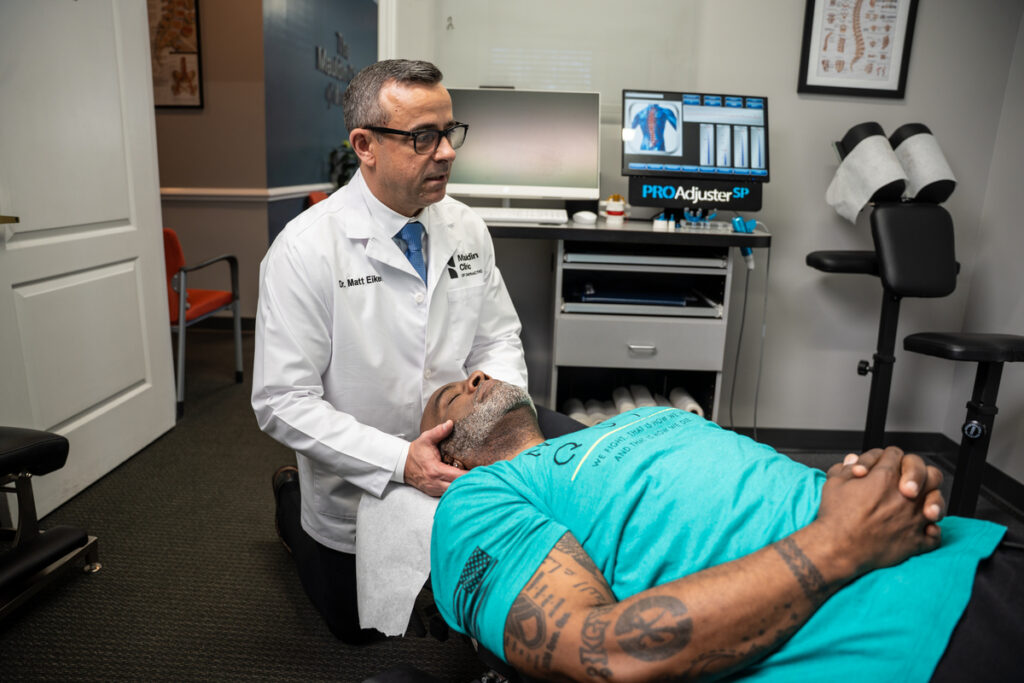
Neck and upper back tension is also something Dr. Matt Eiken sees regularly in pregnant patients at The Mauldin Clinic. As posture shifts and breast tissue increases in weight, the upper back and shoulder region can become overworked and stiff. Gentle adjustments and soft tissue work in this area can bring meaningful relief without any medication or invasive procedures.
How Chiropractic Care Fits Into Prenatal Wellness
Chiropractic care is widely considered a conservative, non-invasive approach to musculoskeletal health. During pregnancy, this is particularly important — many women are understandably cautious about taking medications or undergoing procedures that could affect the baby. Chiropractic care, when provided by a trained professional experienced in prenatal care, offers a drug-free path to managing discomfort and supporting spinal and pelvic health.
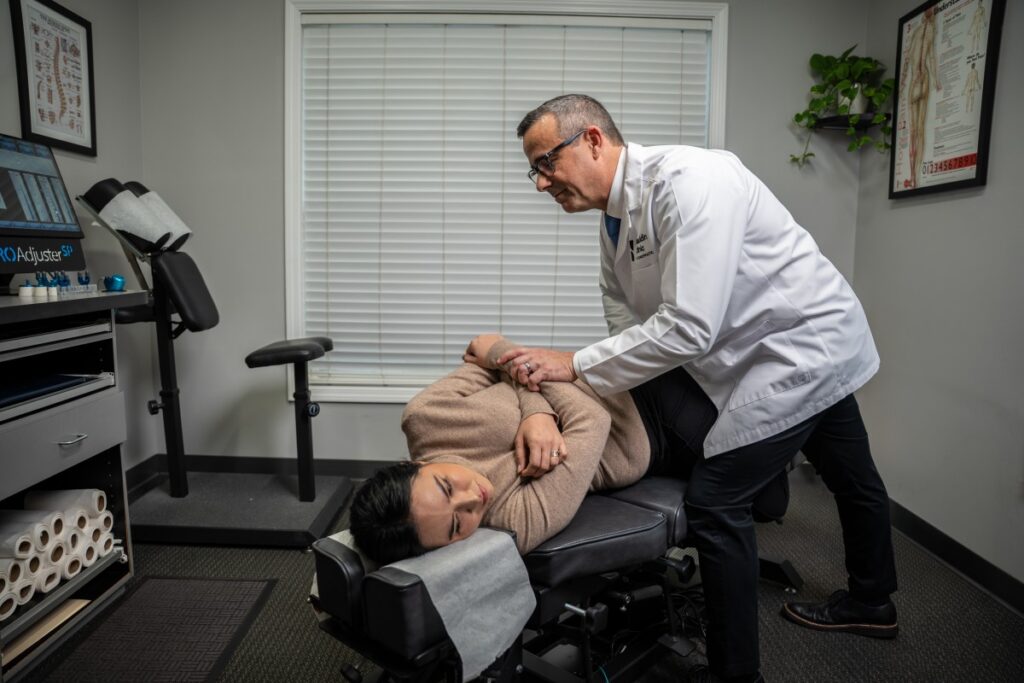
At The Mauldin Clinic, Dr. Matt Eiken approaches prenatal chiropractic care with a deep respect for the changes the body is going through. Adjustments during pregnancy are adapted to be safe and comfortable — techniques used on pregnant patients differ from those used on non-pregnant adults. Expecting mothers are positioned carefully, often with specialized cushioning or in modified positions to ensure the belly is never compressed or placed under stress during care. Gentler, low-force techniques are frequently used, especially as the pregnancy advances.
One technique that has gained recognition in the chiropractic community for use during pregnancy is the Webster Technique. This is a specific chiropractic analysis and adjustment method focused on restoring proper function to the sacrum and pelvis. It is designed to reduce the effects of sacral subluxation and sacroiliac joint dysfunction, which may contribute to pelvic imbalance. The International Chiropractic Pediatric Association (ICPA) has long promoted the Webster Technique as a safe and beneficial approach for pregnant patients, and many OB-GYNs and midwives are familiar with it and supportive of its use alongside standard prenatal care.
Chiropractic care also supports the nervous system, which controls and coordinates virtually every function in the body — including those involved in pregnancy and childbirth. When spinal alignment is optimized, the nervous system can function more freely, which supports the body’s natural ability to adapt to the demands of pregnancy.
It’s important to note that chiropractic care during pregnancy is intended to work alongside — not replace — the care of your OB-GYN, midwife, or other prenatal healthcare providers. Dr. Matt Eiken always encourages open communication between all members of a patient’s healthcare team to ensure the best possible outcome for both mother and baby.
Practical Tips for a Healthier Pregnancy
Beyond regular chiropractic visits, there are several things expecting mothers can do at home to support their musculoskeletal health throughout pregnancy. Staying active — within the guidance of your obstetric provider — is one of the most beneficial things you can do. Gentle walking, prenatal yoga, and swimming are all low-impact activities that help keep the muscles supporting the spine engaged and flexible.
Pay attention to your sleeping position. As your belly grows, sleeping on your back can place pressure on major blood vessels and is generally not recommended in the later stages of pregnancy. Sleeping on your side, particularly the left side, is widely encouraged. Placing a pillow between your knees when lying on your side can help keep the hips and pelvis in a more neutral, comfortable alignment — reducing nighttime low back discomfort.
Be mindful of how you get up from a chair or bed. Rolling to your side first and then pushing up with your arms — rather than sitting straight up from a lying position — places far less strain on your abdominal muscles and lower back. These small movement habits can make a real difference over the course of nine months.
Supportive footwear matters more than many people realize during pregnancy. As the arches of the feet can flatten slightly due to increased body weight and relaxin’s effect on the ligaments, wearing shoes with proper arch support helps maintain good alignment from the ground up. If you’re spending long periods on your feet, consider taking seated breaks and elevating your feet when possible to reduce swelling and tension in the lower legs.
Finally, staying well-hydrated and maintaining a balanced diet rich in anti-inflammatory foods supports the health of spinal discs and connective tissues throughout your pregnancy. While these are general wellness recommendations, they pair beautifully with the structural support that chiropractic care provides.

When to See a Chiropractor During Pregnancy
Many women begin chiropractic care early in their first trimester, especially if they have a history of low back pain or pelvis problems. Others come to The Mauldin Clinic in Mauldin, SC after specific symptoms develop — such as the onset of sciatica, hip pain, or mid-back tension that makes sleeping difficult. There is no one-size-fits-all answer, but the general guidance is that the earlier you establish care, the more proactive support your body receives throughout all three trimesters.
If you are experiencing any of the following, it may be a good time to schedule an evaluation with Dr. Matt Eiken: persistent low back or hip pain, radiating leg pain or numbness, difficulty walking or standing for normal periods of time, pubic bone discomfort, or upper back and neck tension that has developed or worsened since becoming pregnant.
There are also situations where chiropractic care may not be appropriate or where additional medical clearance is needed first. These include pregnancies with complications such as placenta previa, pre-eclampsia, ectopic pregnancy, or certain high-risk classifications. Always inform your chiropractor of your full prenatal health history, and ensure your OB-GYN or midwife is aware of your intention to pursue chiropractic care. In most uncomplicated pregnancies, chiropractic care is considered safe and appropriate — but your full healthcare team should always be informed and aligned.
Pregnancy Discomfort: Common Causes vs. How Chiropractic May Help
|
Discomfort |
Common Cause During Pregnancy |
How Chiropractic Care May Help |
|---|---|---|
|
Low Back Pain |
Shifted center of gravity, increased lumbar curve, weakened core support |
Spinal adjustments to restore alignment and reduce mechanical stress on the lumbar spine |
|
Sciatic Pain / Leg Numbness |
Pressure on the sciatic nerve from pelvic misalignment or piriformis tension |
Pelvic adjustments and soft tissue techniques to reduce nerve irritation |
|
Hip & Pelvic Pain |
Ligament laxity from relaxin, sacroiliac joint dysfunction |
Webster Technique and sacropelvic adjustments to restore balance |
|
Upper Back & Neck Tension |
Postural changes, increased breast weight, forward head posture |
Gentle cervical and thoracic adjustments to relieve tension and improve posture |
|
Pubic Symphysis Discomfort |
Excessive relaxin-driven loosening of the pubic joint |
Gentle pelvic stabilization techniques and postural guidance to minimize joint stress |
Myths vs. Facts About Chiropractic Care During Pregnancy
Myth: Chiropractic adjustments are too forceful to be safe during pregnancy.
Fact: Chiropractic care during pregnancy is specifically adapted to be gentle, low-force, and safe for both mother and baby. Chiropractors trained in prenatal care modify their techniques and use specialized positioning to ensure that no pressure is placed on the abdomen. The adjustments used during pregnancy are among the most gentle approaches in chiropractic practice.
Myth: You should wait until after delivery to see a chiropractor.
Fact: Chiropractic care can be beneficial throughout all three trimesters, not just after birth. In fact, addressing pelvic imbalance and spinal discomfort early in pregnancy — before symptoms become severe — is often the most effective approach. Postpartum care is also valuable, but there is no reason to delay prenatal support if you are experiencing discomfort during your pregnancy.
Myth: Chiropractic care can induce labor or is unsafe late in pregnancy.
Fact: There is no credible evidence that standard chiropractic adjustments induce labor. Prenatal chiropractic care can be continued safely into the third trimester under the guidance of a qualified chiropractor. As always, transparency with your obstetric provider is encouraged, and any high-risk pregnancy factors should be discussed before continuing care.
Myth: Chiropractic care can guarantee the baby will turn into the correct position for birth.
Fact: While pelvic alignment supported through chiropractic care — such as with the Webster Technique — is associated with creating optimal uterine function and space for fetal positioning, chiropractic care does not directly turn babies and cannot guarantee any specific fetal position. It is one tool that may support a healthy pregnancy environment, alongside all other aspects of prenatal care.
Myth: You need a referral from your OB-GYN to see a chiropractor while pregnant.
Fact: In most cases, you do not need a formal referral to see a chiropractor during pregnancy. However, it is always a good idea to keep your entire care team informed. Dr. Matt Eiken at The Mauldin Clinic welcomes the opportunity to collaborate with your OB-GYN or midwife so that your care is coordinated and comprehensive.
Final Thoughts From The Mauldin Clinic
Pregnancy is a time to be celebrated and supported in every way possible. At The Mauldin Clinic in Mauldin, SC, our goal is to help expecting mothers in our community feel comfortable, informed, and empowered throughout their pregnancy journey. Dr. Matt Eiken brings a caring, knowledgeable approach to prenatal chiropractic care — one that honors the remarkable work your body is doing and supports it gently and effectively.
If you’re pregnant and dealing with back pain, hip discomfort, or just looking for a natural way to support your overall wellbeing, we’d love to be a part of your care team. Chiropractic care is not about replacing your OB-GYN or midwife — it’s about complementing the excellent prenatal care you’re already receiving with a focus on spinal and pelvic health that keeps you moving comfortably through every stage of pregnancy.
The families and communities of Mauldin and Upstate South Carolina deserve access to the kind of thoughtful, conservative care that helps people thrive naturally. We’re proud to be a trusted part of this community, and we look forward to supporting you and your growing family.
Frequently Asked Questions
Is chiropractic care safe during the first trimester?
For most uncomplicated pregnancies, chiropractic care is generally considered safe in all trimesters, including the first. It’s always best to inform your chiropractor of your pregnancy as early as possible so that techniques can be appropriately adapted. You should also discuss your intention to pursue chiropractic care with your OB-GYN or midwife.
How often should I see a chiropractor during pregnancy?
The frequency of chiropractic visits during pregnancy varies based on your individual needs, symptoms, and how your body responds to care. Some patients benefit from weekly visits during periods of discomfort, while others may come in monthly for maintenance support. Dr. Matt Eiken will work with you to develop a care plan that makes sense for where you are in your pregnancy.
Will lying face down on the adjustment table be safe for my belly?
Absolutely not — that position is never used with pregnant patients. Chiropractors trained in prenatal care use specialized equipment and modified positions, such as side-lying or seated adjustments, to ensure the belly is fully protected and never compressed during any part of the visit.
Can chiropractic care help with pregnancy-related sciatica?
Yes — chiropractic care is frequently sought by pregnant women experiencing sciatic pain. By addressing pelvic misalignment and reducing tension in the muscles surrounding the sciatic nerve, chiropractic adjustments may help relieve the shooting, burning, or tingling sensation that often accompanies pregnancy-related sciatica. Results vary by individual, but many patients report significant relief.
Is the Webster Technique safe, and how is it different from a regular adjustment?
The Webster Technique is a specialized chiropractic method specifically developed for use during pregnancy, focused on sacral and pelvic alignment. It uses lighter pressure than many standard adjustments and is designed to reduce tension in the uterine ligaments and balance the pelvis. It is widely taught and supported within the chiropractic profession as a safe prenatal technique.
Can I continue chiropractic care after my baby is born?
Yes — postpartum chiropractic care can be very beneficial as your body begins to recover from the physical demands of pregnancy and childbirth. The pelvis and lumbar spine go through significant stress during delivery, and gentle adjustments in the weeks and months following birth can support a smoother recovery. Dr. Matt Eiken at The Mauldin Clinic is happy to continue supporting new mothers during the postpartum phase as well.
TL;DR Summary
-
Pregnancy causes significant physical changes — including hormonal shifts, postural changes, and pelvic instability — that can lead to back pain, sciatica, and hip discomfort.
-
Chiropractic care during pregnancy is a gentle, drug-free, non-invasive approach to managing musculoskeletal discomfort and supporting pelvic and spinal health throughout all three trimesters.
-
Techniques like the Webster Technique are specifically designed for pregnant patients and focus on restoring sacropelvic balance safely.
-
Chiropractic care works best as part of a collaborative care approach alongside your OB-GYN or midwife — not as a replacement for standard prenatal care.
-
Dr. Matt Eiken and the team at The Mauldin Clinic in Mauldin, SC are here to support expecting mothers in our community with compassionate, evidence-informed chiropractic care throughout pregnancy and beyond.