
If you’ve experienced a neck injury, you understand the challenges of regaining full mobility and comfort. It can be frustrating, but incorporating gentle techniques into your recovery can significantly aid your healing journey. As a chiropractor, I believe that these methods, especially when combined with chiropractic care, can help you achieve optimal health without the need for medications or surgeries.
Mindful stretching is one effective technique to consider. Gentle neck stretches can help to improve flexibility and reduce stiffness. Try simple movements like tilting your head side to side or gently rotating it from left to right. Remember to listen to your body and only stretch within a comfortable range.
In addition to stretching, consider incorporating relaxation practices such as deep breathing or meditation. These techniques can help alleviate tension in your neck and shoulders while promoting overall relaxation. A calm mind can be just as important in your recovery as physical treatments.
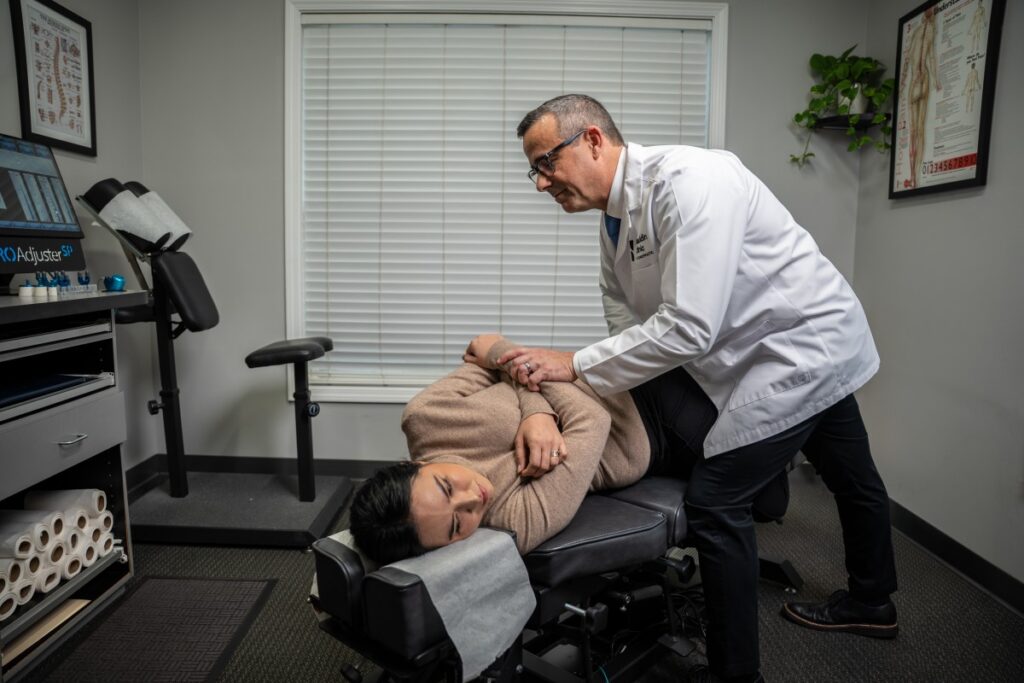
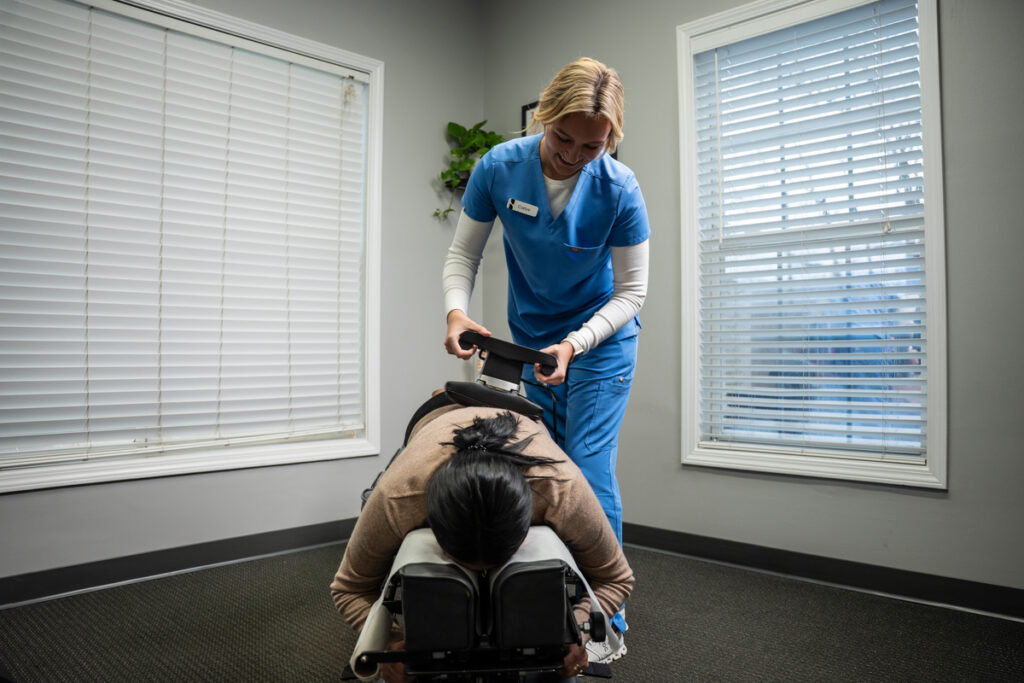
Chiropractic care plays a crucial role in the healing process. A chiropractor can assess your spine and neck alignment, providing adjustments that relieve pressure on nerves and restore proper function. This natural approach helps to promote healing and can lead to long-lasting relief from pain.
Here are some general tips to support your recovery:
- Maintain good posture, especially when sitting or working. Use ergonomic furniture to support your neck and spine.
- Use a supportive pillow while sleeping to maintain proper alignment of your neck.
- Stay hydrated to support tissue health and recovery.
- Apply heat or cold packs to your neck to help with pain relief and inflammation.
- Engage in light activities to keep your body moving but avoid any strenuous exercises that could exacerbate your injury.
By focusing on these gentle techniques and seeking chiropractic care, you can pave the way to a healthier and more comfortable life. Remember, your journey to recovery is unique, and taking the time to care for your neck can lead to significant improvements in your overall well-being.
Understanding Neck Injuries
When it comes to neck injuries, it’s important to understand that they can vary greatly in severity and type. Some injuries might be minor, like muscle strains, while others can be more serious, such as herniated discs or fractures. Understanding the nature of your injury is crucial for effective recovery, and that’s where chiropractic care comes in.
Common symptoms of neck injuries include pain, stiffness, and limited mobility. You may also experience headaches or tingling sensations if nerves are affected. As a chiropractor, I can help assess your condition and determine the best course of action to promote healing and restore function.
Listening to your body is key; if you’re experiencing persistent pain, it’s essential to seek guidance. Ignoring your symptoms can lead to a longer recovery process and potential complications. Chiropractic care focuses on addressing the root cause of your pain and discomfort, helping you achieve natural relief without the need for invasive procedures.
In addition to seeking chiropractic treatment, there are several tips you can incorporate into your daily routine to support your neck health:
- Maintain Good Posture: Whether you’re sitting at a desk or using your phone, keeping your spine aligned can reduce strain on your neck.
- Take Breaks: If you’re working or engaging in activities that require prolonged neck positions, take regular breaks to stretch and move around.
- Stay Hydrated: Proper hydration supports spinal health and can help prevent muscle stiffness.
- Practice Gentle Stretching: Simple neck stretches can relieve tightness and improve mobility. Try gently tilting your head from side to side or looking left and right.
- Sleep Smart: Make sure your pillow supports your neck properly. A good pillow can help maintain spinal alignment while you sleep.
By understanding the complexities of neck injuries and focusing on chiropractic care, you can make informed decisions about your treatment options and work towards a successful recovery.
The Importance of Mindfulness in Recovery
Mindfulness plays a vital role in your recovery journey, particularly when it comes to understanding and responding to your body’s needs. As a chiropractor, I encourage you to practice mindfulness to connect with how your body, especially your spine and neck, feels. By being attuned to any discomfort or tension, you can respond appropriately—whether that’s by resting, adjusting your posture, or incorporating gentle movements that promote spinal health.
Staying focused on the present moment can significantly reduce anxiety and stress, common companions during recovery. It can also bolster your emotional resilience, helping you maintain a positive outlook as you heal. Simple mindfulness practices, such as deep breathing or meditation, can be easily integrated into your daily routine. These techniques not only enhance your overall well-being but also make navigating the ups and downs of recovery smoother.
Remember, healing isn’t just about physical recovery; your mental state is equally important. Embracing mindfulness can contribute greatly to your overall healing process.
Additionally, consider regular chiropractic care as a natural and effective way to alleviate pain, improve your posture, and support your journey toward optimal health. By prioritizing your spinal health through chiropractic adjustments, you can enhance your recovery and maintain a healthier lifestyle.
Gentle Stretching Techniques
Incorporating gentle stretching techniques into your recovery routine can significantly enhance your well-being, particularly when it comes to alleviating tension and improving mobility in your neck. As a chiropractor, I understand how crucial it’s to maintain a healthy spine, and these stretches can help support that goal.
Start with simple neck tilts. Gently lower your ear toward your shoulder, hold for a few seconds, and then switch sides. This movement helps to release tightness and promote flexibility. You can also incorporate neck rotations into your routine. Slowly turn your head to the right, hold for a moment, and then rotate to the left. Remember to breathe deeply throughout each stretch, as this can help relax your body even further.
Another effective technique is the chin tuck. Pull your chin back toward your chest while keeping your back straight. This action not only stretches but also strengthens your neck muscles, helping to support proper alignment. It’s vital to perform these stretches slowly and mindfully, steering clear of any sudden movements that could cause strain.
Aim to incorporate a few repetitions of these stretches into your daily routine. Listen to your body; if something doesn’t feel right, it’s essential not to push through the discomfort. Consistency is key—by regularly practicing these gentle stretches, you can aid in your recovery and enhance your overall neck function.
Remember, chiropractic care is an excellent choice for achieving optimal health and addressing pain naturally. By integrating these stretching techniques with regular chiropractic adjustments, you can further support your neck’s health and contribute to your overall wellness.
Embrace these practices for a healthier, more active lifestyle!
Heat Therapy for Pain Relief
Heat therapy can be a game changer for relieving neck pain, especially when combined with chiropractic care. As a chiropractor, I often see how heat helps relax tight muscles and enhances blood flow, which is essential for healing.
There are various ways to apply heat, such as using heating pads, warm towels, or even a hot shower. Incorporating heat therapy into your routine can complement the adjustments and guidance you receive in my office.
Here are some benefits and techniques to maximize this soothing treatment:
1. Relaxation of Muscles: Heat helps loosen tight muscles, making it easier for your chiropractor to perform adjustments and for you to achieve optimal spinal alignment.
2. Improved Circulation: Applying heat increases blood flow to the area, which can accelerate healing and reduce discomfort. This is particularly beneficial after a chiropractic adjustment, as it helps the body respond better to the treatment.
3. Techniques for Application:
- Heating Pads: These are convenient for targeted heat application. Just be sure to follow the instructions and not use them for too long to avoid burns.
- Warm Towels: Soak a towel in hot water, wring it out, and apply it to your neck for soothing relief.
- Warm Showers: The heat from a shower can relax your muscles and is a great way to prepare for stretching or exercises recommended by your chiropractor.
4. Timing: Use heat therapy for about 15-20 minutes at a time, allowing your muscles to relax and recover.
5. Listen to Your Body: If you feel any discomfort or increased pain while using heat, stop immediately and consult with your chiropractor.
Integrating heat therapy into your wellness routine can enhance your overall health and complement the benefits of chiropractic care.
Benefits of Heat Therapy
When it comes to managing neck pain, heat therapy is a straightforward and effective method that many people can benefit from. As a chiropractor, I often emphasize the importance of natural healing and wellness, and heat therapy is a great addition to your self-care routine. By applying heat to the affected area, you increase blood flow, which helps promote healing and reduce stiffness in your neck muscles.
Using heat can also relieve muscle tension, making it easier for you to move without discomfort. Many patients report that heat therapy not only alleviates pain but also enhances their overall sense of relaxation, allowing them to feel more at ease throughout their day. It’s a non-invasive approach, meaning you can easily incorporate it into your routine alongside chiropractic care.
You have several options for applying heat: a warm towel, heating pad, or even a hot shower can all provide soothing relief.
Here are a few tips to maximize the benefits of heat therapy:
- Timing: Use heat therapy for about 15-20 minutes at a time. This can help to prevent overheating and ensure the best results.
- Frequency: You can apply heat several times a day, especially before engaging in activities that may strain your neck.
- Listen to Your Body: Pay attention to how your body responds. If the heat feels too intense or causes discomfort, it’s important to remove the heat source.
- Combine with Chiropractic Care: Regular visits to your chiropractor can help address the underlying causes of your neck pain, complementing the relief you gain from heat therapy.
Incorporating heat therapy into your pain management routine can pave the way for improved mobility and comfort as you heal.
Application Techniques Explained
Understanding the best application techniques for heat therapy can greatly enhance its effectiveness in relieving neck pain, complementing the benefits of chiropractic care.
Start by using a warm towel or a heating pad set on low. Apply it to your neck for about 15 to 20 minutes, ensuring it’s comfortable and not too hot. If you’re using a hot water bottle, be sure to wrap it in a cloth to prevent burns.
For a more soothing experience, consider taking a warm bath, which allows the heat to envelop your neck and shoulders, promoting relaxation. Always listen to your body; if you feel any discomfort, remove the heat source immediately.
Consistency is key—aim to use heat therapy several times a day for the best results, alongside regular chiropractic adjustments.
These adjustments can help align your spine, relieve tension, and improve overall function. Remember, incorporating natural healing practices like heat therapy and chiropractic care into your routine can lead to optimal health and wellness.
Stay proactive in your journey to a pain-free life!
The Role of Proper Ergonomics
Since poor ergonomics can significantly contribute to neck injuries, it’s essential to create a workspace that promotes proper posture and overall comfort.
To start, adjust your chair and desk height so that your elbows form a 90-degree angle while typing. Position your monitor at eye level, about an arm’s length away, to prevent unnecessary strain on your neck. Ensure your feet are flat on the ground or resting on a footrest to support your back properly.
Investing in an ergonomic chair that provides adequate lumbar support can make a world of difference in your comfort and spinal health.
Don’t forget to take regular breaks; simply standing up and stretching can help relieve tension and promote blood circulation. If you frequently use a phone, consider using a headset to keep your neck in a neutral position, which can further reduce strain.
These adjustments not only help improve your posture but also support your recovery from any discomfort you may be experiencing.
Chiropractic care can be an excellent resource for addressing pain and promoting natural healing, ensuring that your body stays aligned and healthy.
By implementing these simple tips, you’ll be taking proactive steps toward better spinal health and overall well-being.
Using Cold Therapy Effectively
If you’re experiencing neck pain or injury, cold therapy can be a helpful way to reduce inflammation and relieve sharp discomfort. As a chiropractor, I recommend starting with a simple approach: wrap ice or a cold pack in a thin cloth to protect your skin, and apply it to the affected area for about 15-20 minutes.
Be sure to give your skin a break for at least an hour between applications to prevent frostbite. Using cold therapy multiple times a day can be especially beneficial in the first 48 hours after an injury. The sooner you start this method after the injury occurs, the better it can work in conjunction with your body’s natural healing processes.
Remember, while cold therapy can provide relief, it’s just one part of a comprehensive recovery strategy. In addition to cold therapy, consider visiting your chiropractor for a personalized assessment. Chiropractic care focuses on spinal health and can address underlying issues contributing to your neck pain.
Our goal is to help you achieve optimal health through natural methods, without the need for medications or surgeries. Stay consistent with your cold therapy and chiropractic visits, and you might find that your discomfort begins to ease.
If your pain persists or worsens, don’t hesitate to reach out to a healthcare professional who understands the benefits of chiropractic care. Together, we can work towards a healthier, pain-free life!
Incorporating Relaxation Techniques
Managing neck pain can be a challenge, but as a chiropractor, I want to share how incorporating relaxation techniques into your recovery plan can significantly support your healing journey. Simple practices like deep breathing, meditation, and gentle neck stretches not only help reduce muscle tension but also promote overall relaxation, which is essential for your body’s natural healing.
Start each day by dedicating a few minutes to deep breathing exercises. Find a comfortable position, inhale slowly through your nose, hold for a moment, and then exhale gently through your mouth. This technique isn’t only calming for your mind, but it also helps release tension in your neck and shoulders.
In addition to deep breathing, consider adding mindfulness meditation to your daily routine. By focusing on the present moment, you can divert your attention from discomfort and cultivate a sense of calmness. This practice can be particularly beneficial in managing stress, which often exacerbates pain.
Gentle neck stretches are another excellent way to enhance flexibility and relieve tightness. Be sure to listen to your body—only stretch to a point that feels comfortable. Remember, the goal is to ease tension, not to cause more pain.
By prioritizing these relaxation techniques alongside regular chiropractic care, you’ll support your body’s natural healing processes and promote a more balanced recovery.
Chiropractic adjustments can complement these techniques by addressing the root causes of your neck pain, ensuring that you not only feel better but also maintain optimal health in the long run. Embrace these practices for a healthier, pain-free life!
The Benefits of Massage Therapy
When recovering from neck injuries, chiropractic care can be a transformative solution. Unlike other forms of treatment, chiropractic focuses on the spine and overall alignment of your body, which can greatly alleviate pain and improve function. By gently adjusting the vertebrae in your neck, a chiropractor can reduce muscle tension and enhance circulation, promoting a natural healing process.
In addition to relieving discomfort, regular chiropractic adjustments can significantly enhance your flexibility and range of motion. This is particularly helpful if you’ve been dealing with stiffness or limited movement. A chiropractor can identify and target specific areas of tightness, helping to release tension and support better posture, which is essential for daily activities.
Moreover, chiropractic care contributes to your overall well-being. As your body begins to heal and function optimally, you may experience a boost in mood and a reduction in stress levels. This holistic approach not only aids in physical recovery but also fosters emotional healing.
To complement your chiropractic treatment, consider incorporating gentle stretching routines and proper ergonomic practices into your daily life. Staying hydrated and maintaining a balanced diet can also support your recovery process.
Embracing chiropractic care as part of your wellness journey can lead to a healthier, more vibrant you. Remember, optimal health is about more than just treating symptoms; it’s about fostering a lifestyle that promotes natural healing and wellness.
Strengthening Exercises for Neck Support
To strengthen your neck and support your recovery, incorporating targeted exercises into your daily routine can make a world of difference. As a chiropractor, I believe that natural healing through movement is one of the best ways to enhance your overall health.
Start with gentle neck stretches to improve flexibility. Simply tilt your head side to side and forward and backward. These basic movements can help relieve tension and prepare your muscles for more focused exercises.
Once you feel comfortable with those stretches, try isometric exercises. Press your forehead into your hands without moving your head. This helps engage your neck muscles in a safe way, providing a solid foundation for strength without putting extra strain on them.
Shoulder shrugs and rolls are also excellent for relieving tension while strengthening the muscles around your neck. Another effective exercise is the chin tuck. Pull your chin towards your chest while keeping your back straight, holding for a few seconds before releasing. This simple movement can greatly enhance your neck stability.
Aim for short and consistent sessions, gradually increasing the intensity as your strength improves. It’s important to listen to your body; if something doesn’t feel right, take a step back.
Remember, these exercises can promote healing and build a stronger neck, improving your overall stability and comfort.
In addition to these exercises, consider regular chiropractic adjustments. Chiropractic care can help realign your spine, improve your posture, and further alleviate discomfort in your neck.
When to Seek Professional Help
If you’re dealing with ongoing neck pain or find that your neck mobility is limited, it’s crucial to consider reaching out for professional chiropractic care. Ignoring these symptoms can lead to more significant issues down the road and may prolong your recovery.
A chiropractor is specially trained to assess your condition and can provide a personalized care plan focused on natural healing and optimal health. Chiropractic adjustments can help relieve pain, restore mobility, and promote overall wellness without the need for medications or invasive procedures.
By addressing the root cause of your discomfort, chiropractic care empowers your body to heal naturally.
In addition to seeking chiropractic treatment, here are some general tips to support your neck health:
- Practice Good Posture: Be mindful of your posture when sitting, standing, or using electronic devices. Keeping your head aligned over your shoulders can alleviate strain on your neck.
- Take Breaks: If you work at a desk or use a computer for long periods, take regular breaks to stretch and move your neck. This can help prevent stiffness and discomfort.
- Stay Hydrated: Drinking enough water supports spinal health and keeps your discs hydrated, which is vital for proper neck function.
- Incorporate Gentle Stretching: Simple neck stretches can improve flexibility and reduce tension. Try tilting your head from side to side and gently rotating your neck to enhance mobility.
Remember, your neck health is an integral part of your overall well-being. By choosing chiropractic care, you’re taking a proactive step towards achieving optimal health and embracing a naturally healthy lifestyle.
If you’re experiencing any neck discomfort, don’t hesitate to consult with your local chiropractor to explore the best options for your recovery.
Persistent Pain Symptoms
While many neck injuries can improve with time and some self-care, it’s crucial not to overlook persistent pain symptoms. If you find yourself dealing with ongoing discomfort that doesn’t seem to get better after a few weeks, it’s a good idea to seek help from a chiropractor. This is especially true if the pain gets worse, travels down into your arms or hands, or is accompanied by sensations like numbness or tingling. These could be signs that your body needs a little extra care and attention.
Chiropractic care is a natural and effective way to address these issues. A chiropractor can assess your condition, identify the underlying causes of your pain, and create a personalized treatment plan to help you feel better. By focusing on spinal health and proper alignment, chiropractic care not only alleviates pain but also promotes overall wellness, helping you regain mobility and function.
In the meantime, here are some general tips you can try at home to support your neck health:
- Practice Good Posture: Be mindful of your posture, especially when sitting at a desk or using your phone. Keep your shoulders relaxed and your neck aligned with your spine.
- Take Breaks: If you’re in a position for a long time, make sure to take breaks to stretch and move around. This can help reduce tension in your neck and shoulders.
- Use Heat or Cold Therapy: Applying a warm compress or an ice pack to the affected area can help relieve pain and reduce inflammation.
- Stay Active: Gentle exercises like neck stretches and strengthening can improve flexibility and support your spinal health. Your chiropractor can guide you on the best exercises for your needs.
- Maintain a Healthy Lifestyle: Eating a balanced diet, staying hydrated, and getting enough sleep are all important for healing and overall well-being.
Limited Neck Mobility
Limited neck mobility can be quite frustrating, especially when everyday movements become a challenge. If you’re facing this issue, it’s important to understand when it’s time to seek professional help.
As a chiropractor, I encourage you to consider reaching out to a chiropractic professional if you notice:
- Persistent stiffness or pain that doesn’t seem to improve with rest and gentle neck stretches.
- Difficulty turning your head or looking up and down, which may interfere with daily activities like driving or working.
- Sensations like numbness or tingling that radiate into your arms or hands.
These signs can point to an underlying condition that chiropractic care can address effectively. Don’t hesitate to consult a chiropractor. Early intervention through chiropractic adjustments can lead to a more efficient recovery, helping you regain your neck’s full range of motion and enhance your overall quality of life.
In addition to seeking help, here are some general tips you can incorporate into your daily routine to promote better neck health:
- Practice good posture. Make sure your workspace is ergonomically designed to support your neck and spine.
- Take frequent breaks if you’re sitting for long periods. Stand up, stretch, and move to relieve tension.
- Incorporate gentle neck stretches into your daily routine to improve flexibility and reduce stiffness.
- Stay hydrated and maintain a balanced diet to support overall wellness and healing.