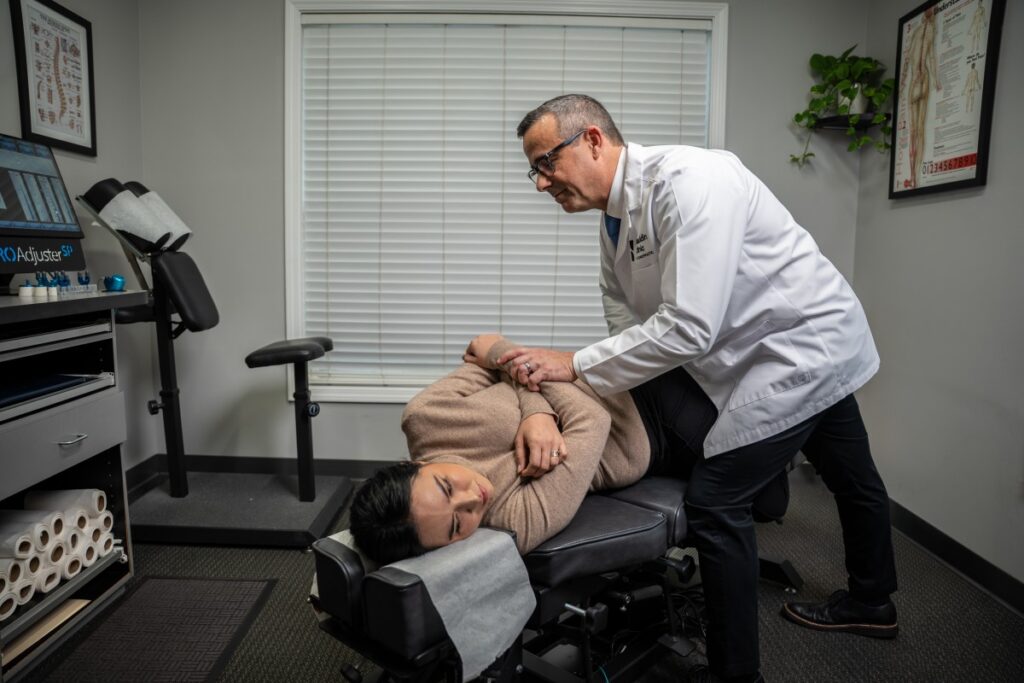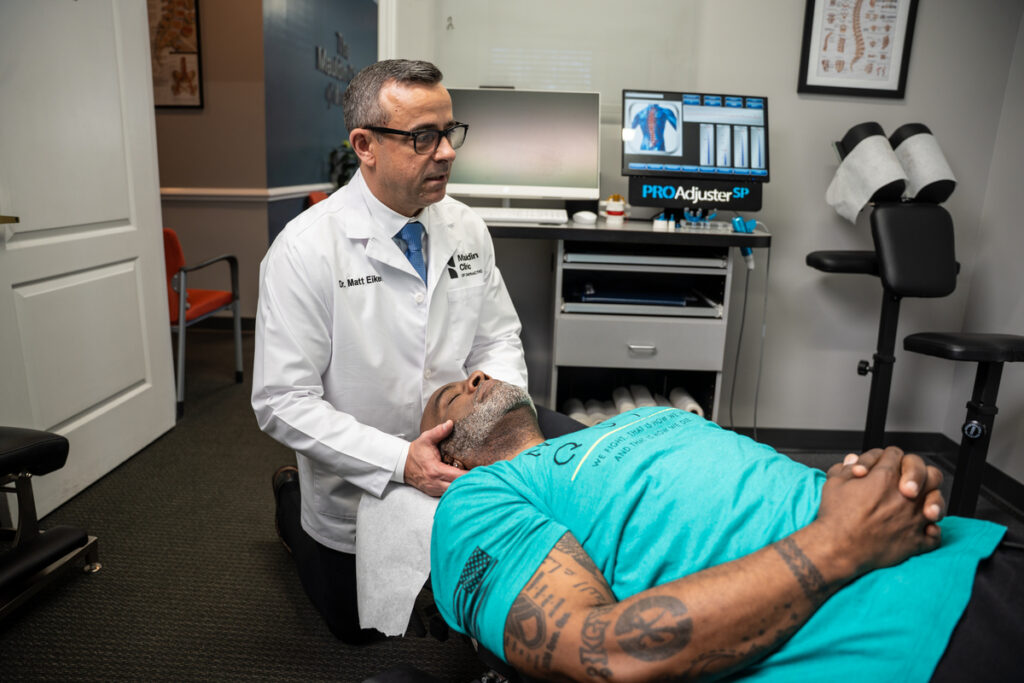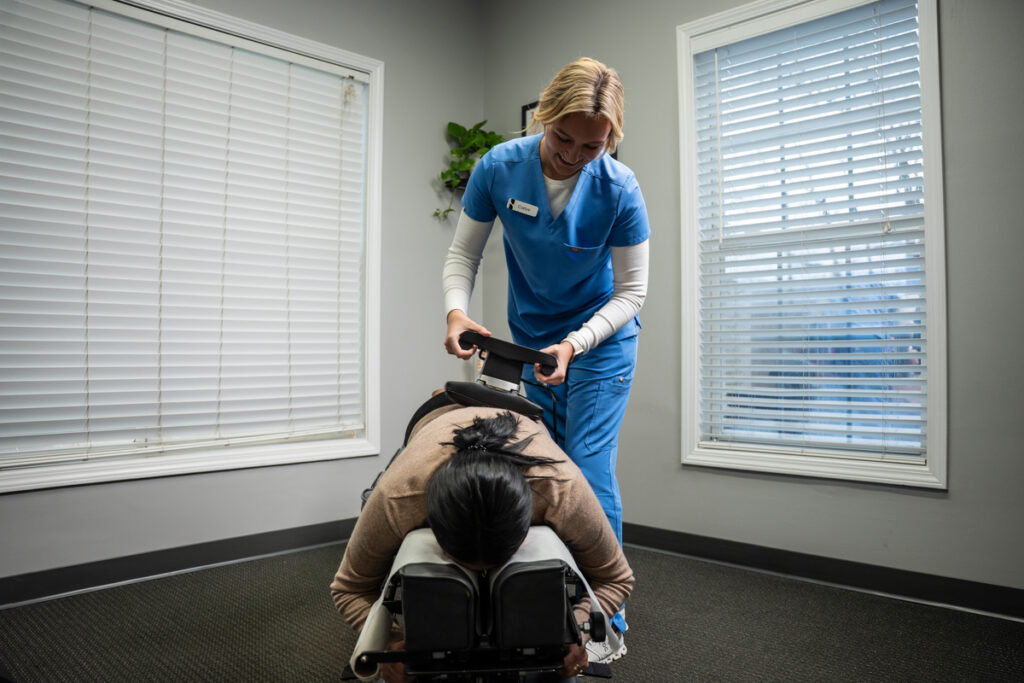

Improving your flexibility is essential for overall physical health and performance, and chiropractic care plays a pivotal role in this journey. Flexibility is influenced by various factors, including your daily activities and any underlying issues, such as misalignments in the spine. By making simple adjustments, such as incorporating specific stretching techniques and regularly seeing your chiropractor, you can enhance your flexibility effectively.
Chiropractors specialize in spinal health and can help identify any issues that may be limiting your range of motion. They can provide personalized recommendations and adjustments that support your body’s natural ability to move freely. Understanding the importance of warm-ups and cool-downs is crucial; these practices prepare your muscles and joints for activity and aid in recovery afterward.
Set clear, achievable goals for your flexibility journey and keep track of your progress. This way, you can see how your body responds to chiropractic care and adjustments. Here are some practical tips to help you optimize your flexibility:
- Stretch Regularly: Incorporate gentle stretching into your daily routine. Focus on major muscle groups and hold each stretch for at least 15-30 seconds.
- Stay Hydrated: Drinking plenty of water helps keep your muscles hydrated and functioning properly.
- Consider Chiropractic Adjustments: Regular visits to your chiropractor can help maintain spinal alignment and improve your overall range of motion.
- Listen to Your Body: Pay attention to how your body feels during stretches and activities. Stop if you feel pain and consult your chiropractor for guidance.
- Practice Mindfulness: Incorporating relaxation techniques, such as deep breathing or meditation, can help reduce tension in your muscles, making it easier to stretch.
By embracing these strategies and prioritizing chiropractic care, you can embark on a successful flexibility journey, enhancing your overall health naturally and effectively. Remember, achieving optimal health is a holistic process, and chiropractic care is a vital part of that journey.
Understanding the Importance of Flexibility
Flexibility isn’t just about how well you can bend your body; it plays a crucial role in your overall health and well-being. As a chiropractor, I often emphasize the importance of maintaining good flexibility for a variety of reasons. When your body can move freely, it enhances your range of motion, making everyday activities easier and more enjoyable. This is key—when your muscles and joints are flexible, you’re less likely to experience injuries.
Incorporating flexibility exercises into your daily routine can significantly improve your posture as well. Good posture reduces strain on your muscles and spine, which can lead to less discomfort and more energy throughout the day. This is especially important if you spend long hours sitting at a desk. Simple stretches can do wonders for your body and help keep your spine aligned, which is where chiropractic care excels.
Moreover, flexibility can boost your athletic performance. Whether you’re running, playing sports, or just staying active, being flexible allows you to move with greater efficiency and power. It’s a natural way to enhance your physical capabilities without the need for medications or surgeries.
But let’s not forget about mental flexibility! Just like your body, your mind needs to adapt to new situations and challenges. This mental adaptability fosters resilience and can improve your overall quality of life.
Prioritizing flexibility is beneficial for both your body and your mind. By focusing on gentle stretching and mobility exercises, you’re investing in your health and well-being, which is what chiropractic care is all about.
Common Factors Affecting Flexibility
Many factors can influence your flexibility, and understanding them is key to making improvements. One major element is your age; as you get older, your muscles and tendons naturally lose some elasticity. This is where chiropractic care can play a significant role. Regular chiropractic adjustments help maintain proper alignment and function of your spine and joints, which can enhance your overall flexibility and mobility.
Genetics also plays a role—some individuals are simply born with more flexible joints and tissues. However, regardless of your genetic predisposition, staying active is essential. If you’re leading a sedentary lifestyle, you may notice a decline in your flexibility. Incorporating gentle stretching and regular chiropractic visits can help you stay limber and prevent stiffness.
Muscle temperature affects flexibility as well; warm muscles tend to be more pliable than cold ones. So, before engaging in any physical activity, consider doing some light warming exercises or even a chiropractic adjustment to prepare your body.
Hydration levels can impact your muscle function, too. Staying well-hydrated helps maintain elasticity, making it easier to move and stretch. Make sure to drink plenty of water throughout the day.
Your overall body composition matters as well; extra weight can limit your range of motion. By focusing on a balanced diet and regular exercise, along with chiropractic care, you can work towards achieving a healthier body composition that supports your flexibility goals.
Lastly, if you’ve experienced any injuries in the past, they can create scar tissue that reduces flexibility. Regular chiropractic adjustments can help alleviate pain and improve mobility, allowing you to recover more effectively.
By recognizing these factors and incorporating chiropractic care into your wellness routine, you can develop a tailored approach to enhance your flexibility and achieve your fitness goals naturally.
The Role of Stretching in Flexibility Improvement
While many people believe that flexibility is purely determined by genetics or age, the truth is that stretching is a powerful tool in improving your range of motion and overall well-being. Regular stretching can significantly enhance your flexibility, making everyday activities feel easier and helping to prevent injuries.
When you take the time to stretch, you’re not only lengthening your muscles but also encouraging blood flow, which can aid in recovery and boost your physical performance.
As a chiropractor, I want to emphasize the importance of incorporating stretching into your daily routine. Here are some key benefits:
- Increases Muscle Elasticity: Stretching helps your muscles become more flexible, which can improve your performance during physical activities and reduce the risk of strains.
- Improves Posture and Alignment: Many people have poor posture due to tight muscles. Regular stretching can help correct misalignments, which is vital for spinal health.
- Reduces Muscle Tension: Stretching can alleviate stiffness and tension in your muscles, leading to a more relaxed body and mind.
- Enhances Athletic Performance: Whether you’re a weekend warrior or a seasoned athlete, improved flexibility can lead to better performance and less risk of injury.
- Boosts Overall Mobility: Greater flexibility can help you move more freely, making daily tasks easier and more enjoyable.
Incorporating simple stretching exercises into your routine doesn’t have to be complicated. Here are a few tips to consider:
- Start Slow: If you’re new to stretching, begin with gentle stretches and gradually increase the intensity as your flexibility improves.
- Stay Consistent: Aim to stretch at least a few times a week to see the best results. Consistency is key to achieving lasting flexibility.
- Listen to Your Body: Pay attention to how your body feels during stretches. It’s important to stretch to the point of mild discomfort but not pain.
- Combine with Chiropractic Care: Regular visits to your chiropractor can enhance the benefits of stretching by ensuring your spine is correctly aligned, which supports overall mobility and flexibility.
Dynamic vs. Static Stretching Techniques
When it comes to stretching, as a chiropractor, I often emphasize the importance of two main techniques: dynamic and static stretching. Dynamic stretching is fantastic for warming up your muscles and improving your range of motion, making it an excellent addition to your routine before any physical activity.
On the other hand, static stretching is beneficial for enhancing flexibility and aiding muscle recovery after your workouts.
Incorporating these stretching techniques into your daily routine can lead to better spinal health and overall wellness. Dynamic stretches, such as arm circles and leg swings, can help you prepare your body for movement, while static stretches, like reaching for your toes or holding a quad stretch, can help relieve tension and promote relaxation.
Understanding the benefits of each type of stretching can empower you to make informed choices that align with your health goals.
Remember, combining these techniques with regular chiropractic care can help optimize your body’s function and promote natural healing.
Benefits of Dynamic Stretching
One effective way to enhance flexibility and support your overall spinal health is through dynamic stretching, which offers unique advantages compared to static stretching techniques.
By incorporating movement into your stretching routine, you not only improve flexibility but also prepare your muscles for activity, which is essential for maintaining a healthy spine.
Here are some benefits you’ll experience with dynamic stretching:
- Increases blood flow and oxygen delivery to muscles: This helps nourish your muscles and supports recovery, promoting better spinal alignment.
- Enhances overall athletic performance: Improved flexibility and mobility can lead to better movement patterns, reducing stress on the spine.
- Reduces risk of injury during workouts: By warming up your muscles effectively, you can help prevent strains and sprains that may lead to discomfort or misalignment.
- Improves range of motion and joint mobility: This is crucial for maintaining a healthy spine and reducing stiffness that can contribute to pain.
- Activates the nervous system, promoting better coordination: Improved coordination can lead to better posture and alignment, which are key components of spinal health.
Including dynamic stretching in your warm-up routine is a simple yet effective way to enhance your performance and support your spine.
Remember, a healthy spine contributes to overall wellness, so prioritize movement and flexibility in your daily routine.
By taking care of your body through practices like dynamic stretching and regular chiropractic care, you can achieve optimal health and well-being.
Give it a try and experience the positive changes in your flexibility and overall movement efficiency!
Advantages of Static Stretching
While dynamic stretching certainly has its place, static stretching is equally crucial for promoting flexibility and maintaining healthy muscles. By integrating static stretches into your daily routine, you can effectively lengthen your muscles and improve your overall range of motion.
Holding each stretch for 15-60 seconds allows your muscles to relax, which enhances blood flow and helps alleviate stiffness. This technique is especially beneficial after a workout, as it supports recovery and reduces the risk of injuries, which is essential for maintaining a healthy spine.
Remember, a well-aligned spine is foundational to overall wellness, and proper stretching can assist in keeping it in optimal condition. Moreover, static stretching can improve your posture, easing tension in tight areas that may contribute to discomfort.
Focusing on these stretches allows you to not only center yourself mentally and physically but also to foster a deeper connection between your body and mind. For a well-rounded approach, consider combining static stretching with dynamic movements to maximize your flexibility training.
As a chiropractor, I encourage you to prioritize your spinal health through regular stretching, which complements chiropractic care perfectly. By doing so, you can achieve better overall wellness and pain relief naturally—without the need for surgeries or medications.
Always listen to your body, and remember that consistency is key in your journey toward a healthier lifestyle!
Incorporating Yoga and Pilates for Enhanced Flexibility
Incorporating yoga and Pilates into your routine can significantly enhance your flexibility, which is vital for maintaining a healthy spine and overall well-being. Both practices offer unique techniques that not only improve your range of motion but also contribute to building strength and balance.
However, it’s essential to remember that your spine plays a crucial role in your overall health, and chiropractic care is the best way to support it.
As you explore yoga and Pilates, consider how these methods can complement your chiropractic treatments. When your spine is aligned and functioning optimally, you’re more likely to experience the benefits of flexibility training.
Here are a few general tips to keep in mind:
- Listen to Your Body: Pay attention to how your body feels during yoga and Pilates. If you experience discomfort, it’s essential to consult with your chiropractor, who can provide guidance tailored to your needs.
- Focus on Alignment: Proper alignment is key in both yoga and Pilates. Ensure that your movements support your spine’s natural curves. This not only enhances your practice but also helps prevent injury.
- Combine Techniques: Using yoga and Pilates together can provide a well-rounded approach to flexibility. Incorporate stretches from yoga to open up tight areas, while using Pilates for core strength, which supports your spine.
- Regular Chiropractic Visits: Maintaining a consistent chiropractic care routine can help keep your spine aligned and healthy, making it easier for you to engage in yoga and Pilates effectively.
By integrating these practices into your life while prioritizing chiropractic care, you can achieve a balanced approach to health and wellness.
Benefits of Yoga
As a local chiropractor, I want to share the incredible benefits of practices like yoga and Pilates, especially when it comes to enhancing your physical well-being and supporting your spinal health.
While these practices are fantastic for increasing flexibility, I want to emphasize how chiropractic care can be your best ally in achieving optimal health and pain relief.
Incorporating chiropractic adjustments into your wellness routine can help you enjoy the benefits of yoga and Pilates even more. Here are some advantages of these practices, alongside the vital role of chiropractic care:
- Increases muscle elasticity: With regular chiropractic adjustments, your muscles and joints function better, allowing for deeper stretches during yoga and Pilates sessions.
- Improves posture: Chiropractic care plays a crucial role in aligning your spine, which can significantly improve your posture and reduce strain on your back.
- Enhances balance and stability: A healthy spine supports better balance, lowering your risk of injury during physical activities.
- Boosts circulation: Chiropractic adjustments enhance blood flow, promoting overall health and aiding in recovery from workouts.
- Reduces stress: Regular chiropractic care can help relieve tension in your body, contributing to a relaxed mind and better stress management.
Embracing the combination of chiropractic care with yoga and Pilates not only helps improve your flexibility but also fosters a deeper connection between your body and mind.
Remember, your spine is the foundation of your health, and caring for it with chiropractic adjustments is essential for achieving long-term wellness.
Consider integrating these practices into your routine, and don’t hesitate to consult with a chiropractor to discuss how you can optimize your health naturally.
Start your journey towards improved flexibility and overall well-being today!
Pilates Techniques Explained
Practicing Pilates techniques can greatly enhance your overall well-being, especially when combined with the flexibility gained from yoga. Both disciplines work together to promote a healthy spine and improve body awareness.
Pilates emphasizes core strength, alignment, and controlled movements, which can support spinal health. By incorporating exercises like the spine stretch and the saw, you not only improve your posture but also increase your range of motion, which is crucial for a healthy back.
These movements engage your abdominal muscles while stretching your back and hamstrings, promoting overall flexibility and reducing the risk of injury. Additionally, the focus on breath in Pilates is similar to that in yoga, allowing you to deepen your stretches and enhance relaxation, which is essential for maintaining a healthy spine.
When you combine Pilates and yoga, you’re not just boosting flexibility; you’re also cultivating a greater awareness of your body, making each movement more intentional and effective. This awareness can lead to better posture and less pain over time.
As a chiropractor, I encourage you to embrace these practices for optimal health and wellness. Remember to listen to your body, progress at your own pace, and consult with your chiropractor to ensure you’re maintaining proper alignment as you practice.
Combining Practices Effectively
While many individuals experience benefits from either Pilates or yoga, combining the two practices can unlock even greater flexibility and strength, which are essential for maintaining a healthy spine.
Integrating the core-strengthening principles of Pilates with the mindful stretching of yoga not only enhances your overall practice but also promotes spinal health. Here are some advantages of this powerful combination that can contribute to your wellness journey:
- Improved Core Stability: A strong core supports your spine and enhances your yoga poses, leading to better alignment and reduced discomfort during movement.
- Increased Muscle Length: The stretching exercises in yoga help lengthen muscles, which supports the controlled movements in Pilates and promotes a healthy spine.
- Mindfulness and Focus: Practicing mindfulness in yoga can help you develop better focus during Pilates workouts, allowing you to listen to your body and avoid strain or injury.
- Enhanced Breath Control: Breathing techniques learned in yoga can improve your Pilates performance, ensuring that you’re using your breath to support spinal alignment and posture.
- Balanced Routine: By combining both practices, you address strength and flexibility, reducing the risk of injury and promoting overall wellness.
In addition to these benefits, incorporating chiropractic care into your routine can further enhance your health.
A chiropractor can help ensure your spine is properly aligned, which supports your body as you practice both Pilates and yoga. This holistic approach to wellness can lead to improved performance in both activities, along with pain relief and natural healing.
Remember to listen to your body, and if you experience discomfort, consult a chiropractor who can provide personalized care and guidance.
Utilizing Foam Rolling and Myofascial Release
If you’re looking to enhance your flexibility and overall well-being, incorporating foam rolling and myofascial release into your routine can be incredibly helpful. These techniques are designed to relieve tension in your muscles and fascia, which can lead to improved range of motion and less soreness.
Foam rolling specifically targets tight spots by applying pressure, helping to break up adhesions and improve blood flow—essential components for maintaining a healthy body.
To get started, dedicate a few minutes to rolling out major muscle groups such as your quads, hamstrings, and back. Pay special attention to areas that feel particularly tight, and roll slowly to give your body the chance to respond positively. This practice can be a great complement to your chiropractic care, as it enhances the adjustments made by your chiropractor and supports your journey toward pain relief and wellness.
Myofascial release is another effective technique, often performed by a trained therapist, where sustained pressure is applied to specific points to relieve tension. While this is a beneficial method, remember that regular chiropractic adjustments can further enhance your body’s ability to heal naturally and maintain optimal function.
It’s essential to listen to your body during these practices; if you feel any pain, ease off and consult your chiropractor for guidance. By incorporating foam rolling and myofascial release into your routine, alongside your chiropractic care, you can expect to see significant improvements in your flexibility, mobility, and overall health.
The Importance of Warm-Up and Cool-Down Routines
Before starting any workout, it’s essential to focus on warm-up and cool-down routines. These practices not only enhance your performance but also play a vital role in preventing injuries and promoting overall wellness. As a chiropractor, I emphasize the importance of preparing your body for physical activity, as well as aiding in recovery afterward.
Here’s why incorporating warm-up and cool-down routines is essential for your health:
- Boosts Blood Flow: Warming up increases blood circulation to your muscles, enhancing flexibility and significantly reducing the risk of strains. This is crucial for maintaining spinal health and preventing discomfort.
- Enhances Mobility: A good warm-up loosens your joints and muscles, allowing for smoother movements. This is particularly important for maintaining spinal alignment and reducing the chances of injury.
- Prepares Your Mind: Taking the time to warm up helps set a focused and motivated tone for your workout, ensuring you get the most out of your exercise routine.
- Reduces Muscle Soreness: Cooling down effectively aids in recovery, minimizing post-workout soreness and stiffness, which is essential for maintaining an active lifestyle.
- Establishes a Routine: Integrating these routines into your exercise regimen creates consistency, leading to better results and a more sustainable fitness journey.
In addition to these benefits, chiropractic care can further enhance your overall wellness and performance. Regular adjustments can help align your spine, improve your range of motion, and reduce pain, making your workouts more effective.
Remember, taking care of your body through proper warm-up and cool-down routines, along with chiropractic care, can lead to a healthier, happier you.
Prioritize these practices in your fitness journey, and you’ll be well on your way to achieving optimal health and wellness.
Setting Realistic Goals for Flexibility Training
After establishing a solid warm-up and cool-down routine, it’s essential to focus on setting realistic goals for your flexibility training. Start by assessing your current flexibility level. Think about where you’re now and what you’d like to achieve. Instead of aiming for an extreme range of motion, set smaller, attainable milestones. For instance, if you can touch your toes, a great goal could be to reach just past them within a month.
Consider the specific areas you want to improve, whether it’s your hips, hamstrings, or shoulders. This targeted approach not only helps you stay motivated but also allows you to measure your progress more easily. It’s important to remember that flexibility improvements take time, so be patient with yourself. Celebrate every achievement, no matter how small, as these wins will keep you engaged in your journey.
In addition to your stretching routine, consider incorporating chiropractic care into your wellness plan. Regular chiropractic adjustments can help improve your overall alignment and mobility, which supports your flexibility training efforts. By maintaining a healthy spine and nervous system, you can enhance your body’s ability to adapt and respond to stretching exercises.
As you set your flexibility goals, remember to listen to your body and avoid pushing too hard, which could lead to injury. By setting realistic goals and complementing your efforts with chiropractic care, you’ll create a sustainable training plan that promotes continual improvement and natural wellness, all while minimizing discomfort.
Monitoring Progress and Making Adjustments
As you work on achieving your flexibility goals, it’s vital to regularly monitor your progress and make necessary adjustments. This not only helps ensure you’re on the right track but also minimizes the risk of injury, which is essential for maintaining overall wellness.
Here are some practical ways to track your advancement and enhance your flexibility journey:
- Keep a Flexibility Journal: Document your stretches, the duration, and any feelings of discomfort. This can help you identify patterns and make informed decisions about your routine.
- Take Progress Photos: Visual comparisons can be incredibly motivating. By capturing your progress over time, you can see the improvements that may not be immediately noticeable.
- Set Regular Check-Ins: Make it a habit to evaluate your flexibility weekly or bi-weekly. This structured approach allows you to assess changes and adjust your methods for better results.
- Use Measurement Tools: Consider utilizing simple tools like a measuring tape to track your reach and flexibility over time. This quantitative data can offer a clearer picture of your progress.
- Listen to Your Body: Your body is a powerful indicator of how well your routine is working. Pay attention to how you feel during stretches, and be ready to adjust your routine if something doesn’t feel right.
Incorporating chiropractic care into your flexibility journey can further support your overall health and wellness. Regular chiropractic adjustments can enhance your body’s natural ability to move freely, reduce pain, and improve your range of motion.