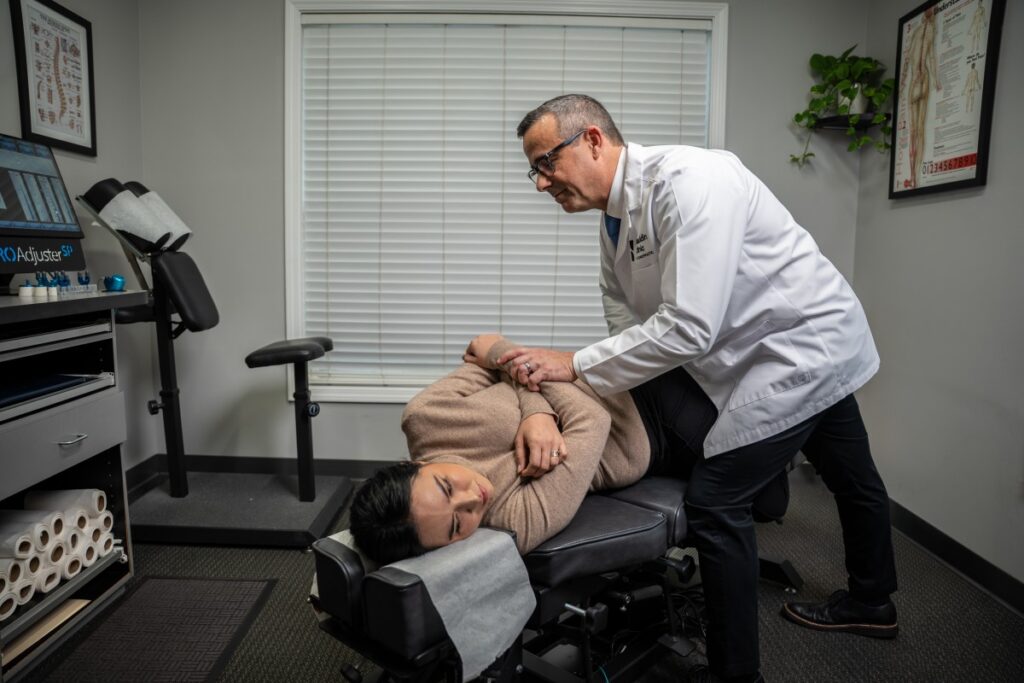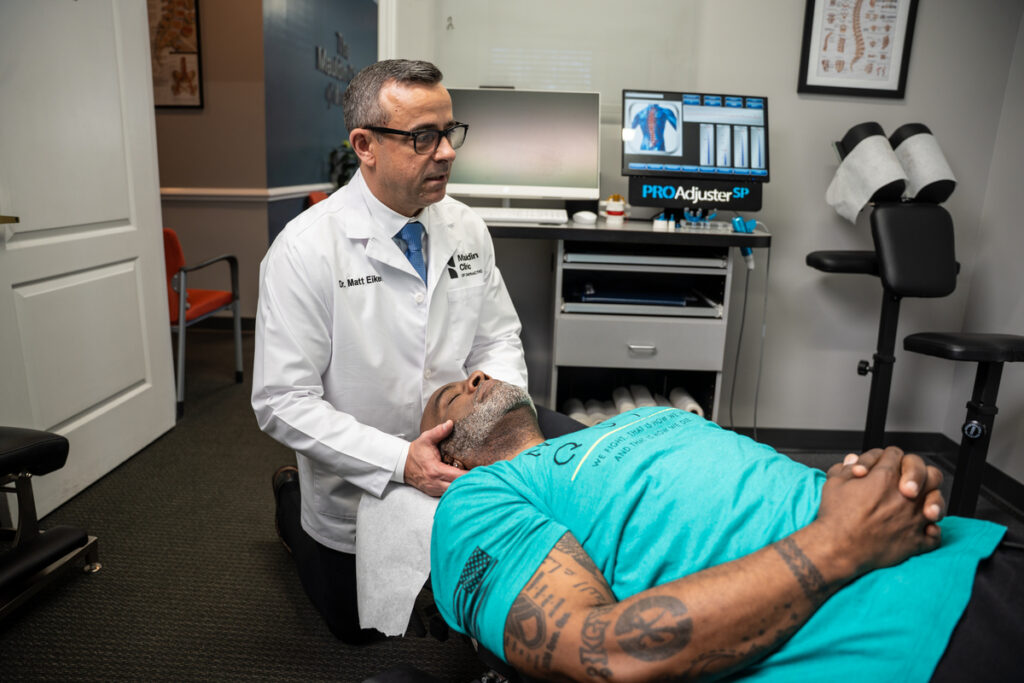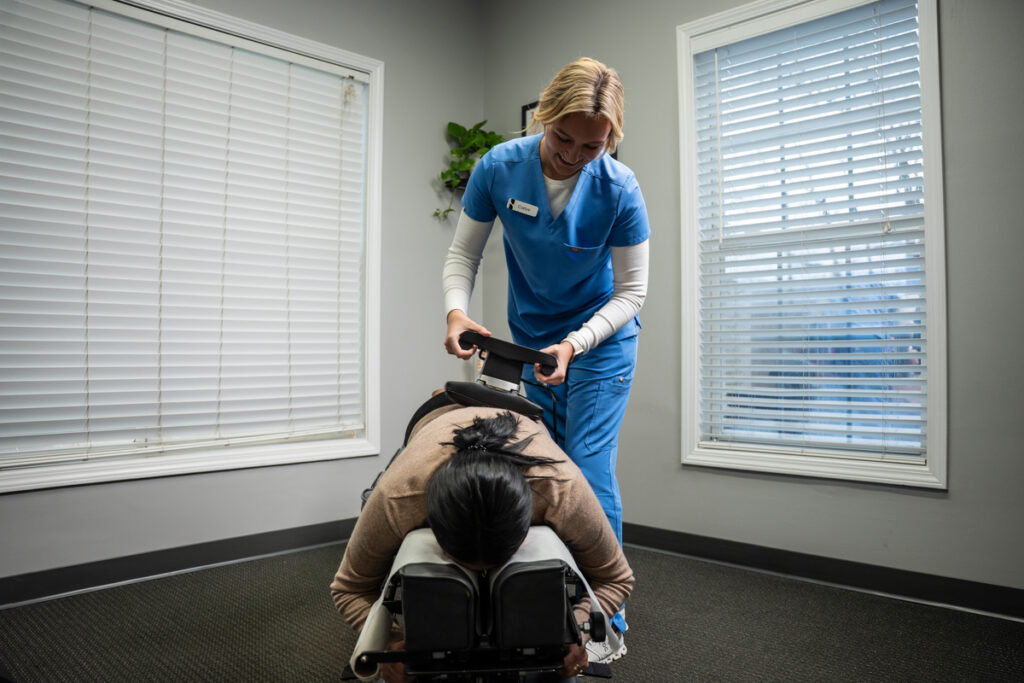

Improving your flexibility is crucial for enhancing your overall physical performance and well-being. As a chiropractor, I believe that flexibility not only supports a healthy spine but also contributes to a pain-free life. By incorporating simple strategies into your daily routine, you can achieve significant improvements in your flexibility and, in turn, your overall health.
One of the most effective ways to enhance flexibility is through dynamic stretching. This type of stretching warms up your muscles and prepares your body for movement, helping to prevent injuries. Pairing this with regular chiropractic adjustments can ensure that your spine is aligned and functioning optimally, allowing for better mobility and flexibility.
Yoga is another excellent practice that can improve your flexibility while promoting relaxation and stress relief. The gentle movements and stretches in yoga work harmoniously with chiropractic care, creating a powerful combination for natural healing and wellness.
To kickstart your flexibility journey, consider these helpful tips:
- Warm-Up Properly: Always begin with a gentle warm-up to get your muscles ready for stretching.
- Stay Consistent: Set aside time each day to work on your flexibility. Even a few minutes can make a difference.
- Listen to Your Body: Pay attention to how your body feels during stretches. Never push through pain; instead, ease into the stretch.
- Incorporate Spinal Health: Regular chiropractic visits can help maintain your spinal alignment, which plays a key role in overall flexibility.
Curious about how to get started? Remember, your path to improved flexibility is not just about stretching; it’s about creating a balance between movement and spinal health. By embracing these practices and prioritizing chiropractic care, you can unlock your body’s full potential and enjoy a healthier, more flexible life.
Understand the Importance of Flexibility
Flexibility isn’t just about being able to touch your toes; it’s a crucial aspect of your overall health and well-being. As a chiropractor, I want to emphasize how important flexibility is in your daily life and how it can significantly enhance your health. By focusing on improving your flexibility, you’re not only expanding your range of motion but also supporting your body’s ability to perform everyday tasks more comfortably.
For instance, being more flexible means you’re less likely to strain your back or pull a muscle when you bend down to tie your shoes or lift groceries.
Moreover, improved flexibility can contribute to better posture and alignment of your spine. Good posture is vital as it reduces unnecessary strain on your muscles and joints, helping to prevent pain and discomfort. When your body is aligned properly, you may also notice a reduction in tension and stress, leading to a more relaxed and centered feeling throughout the day.
Incorporating flexibility training into your routine can be simple and effective. Here are a few tips you can easily add to your day:
- Start with Gentle Stretching: Incorporate a few simple stretches into your morning routine. Focus on areas that may feel tight, such as your back, hips, and legs.
- Listen to Your Body: Pay attention to how your body feels during stretches. If something doesn’t feel right, ease off. It’s essential to stretch within your comfort zone.
- Consistency is Key: Aim to practice flexibility exercises regularly. Even just a few minutes each day can make a significant difference over time.
- Consider Chiropractic Care: Regular visits to a chiropractor can improve your spinal alignment and overall flexibility. Chiropractic adjustments can relieve tension and help your body move more freely.
- Stay Active: Engage in activities that promote flexibility, such as yoga or tai chi. These practices not only enhance flexibility but also encourage relaxation and mindfulness.
By investing time in your flexibility, you’re not just stretching; you’re creating a solid foundation for a healthier, more active lifestyle.
Start With Dynamic Stretching
Start With Dynamic Stretching for Optimal Health
If you’re looking to enhance your flexibility and overall wellness, starting with dynamic stretching can truly make a difference. Unlike static stretches, which hold a position, dynamic stretches involve movement and help warm up your muscles, increasing blood flow and preparing your body for activity. Simple exercises like leg swings, arm circles, or walking lunges not only improve your range of motion but also activate your muscles, making them more responsive.
Before engaging in any physical activity, aim for 5 to 10 minutes of dynamic stretching. It’s important to focus on the muscles you’ll be using. For instance, if you plan to go for a run, incorporating movements like high knees and butt kicks will effectively prime your legs. This not only enhances your performance but also plays a significant role in reducing the risk of injury.
As a chiropractor, I emphasize the importance of a holistic approach to health. Incorporating dynamic stretching into your routine can complement the benefits of chiropractic care by preparing your body for movement and supporting spinal health.
Remember, the goal is to engage and energize your body, making dynamic stretching an essential part of your wellness journey. By incorporating these simple yet effective stretches, you can foster a healthier lifestyle while positioning chiropractic care as your go-to solution for pain relief and natural wellness.
Start your journey to better health today!
Incorporate Static Stretching Into Your Routine
To truly enhance your flexibility and overall well-being, it’s important to incorporate static stretching into your routine. Static stretching involves gently holding a stretch for a longer period, typically between 15 to 60 seconds. This practice not only helps lengthen your muscles but can also improve your flexibility and promote better spinal health.
As a chiropractor, I encourage you to find a comfortable spot and focus on one muscle group at a time. For example, after a workout or even after a long day, sit on the floor and reach for your toes, holding that position steadily. Remember to breathe deeply and allow your muscles to relax while you stretch.
Many of my patients find that incorporating static stretching post-exercise can help reduce muscle soreness and enhance their range of motion, which is crucial for maintaining a healthy spine. Aim to include static stretching at least three times a week, and consider dedicating a few minutes each day to it.
Over time, you’ll likely notice a significant improvement in your flexibility, making it easier to perform daily activities and engage in other exercises. This not only supports your physical health but also complements the benefits of chiropractic care, which focuses on aligning your spine and improving your overall function.
Focus on Major Muscle Groups
Incorporating static stretching is a fantastic way to start improving your flexibility, but when you focus on major muscle groups, you can take your progress even further. Targeting specific areas won’t only enhance your range of motion but also support your overall health and wellness.
Here are four key muscle groups to concentrate on, especially if you’re looking to complement the benefits of chiropractic care:
- Hamstrings: These muscles play a vital role in leg flexibility. Stretching them with seated forward bends or standing stretches can help prevent discomfort in your lower back and legs. This simple practice can enhance your mobility, making everyday activities easier.
- Quadriceps: Keeping your quads flexible is essential for maintaining balance and reducing strain on your spine. You can do this by gently pulling your heel to your glutes while keeping your knees close together. This stretch not only helps your legs but also supports your overall posture.
- Hip Flexors: Tight hip flexors can contribute to lower back pain and limited mobility. A deep lunge stretch can help open up this area, promoting better movement in your legs and hips. Regularly stretching your hip flexors can be a great way to support your chiropractic care and enhance your overall wellness.
- Shoulders: Many of us carry tension in our shoulders, which can affect our upper body mobility. Incorporating arm cross-body stretches can relieve this tension and improve flexibility. This is especially beneficial for those who spend long hours at a desk or in front of screens.
Remember, these stretches can be easily integrated into your daily routine. By focusing on these major muscle groups, you can’t only enhance your flexibility but also support your spinal health and overall well-being.
Chiropractic care can further assist in achieving optimal health by addressing any underlying issues and guiding you towards a healthier lifestyle. Embrace these tips, and feel the positive changes in your body!
Try Yoga for Improved Flexibility
If you’re looking to enhance your flexibility, incorporating yoga into your routine can be a wonderful complement to chiropractic care. Yoga offers numerous benefits, including improved balance and strength, which can help alleviate discomfort and promote overall wellness.
Many yoga poses can aid in relieving tension and support spinal health, making it a great practice to integrate alongside regular chiropractic adjustments.
However, it’s important to remember that consistency is key. Just as with chiropractic care, regular practice will help you achieve the best results. As you explore yoga, listen to your body and consider how each pose affects your alignment and comfort.
Additionally, here are some general tips to enhance your flexibility safely:
- Warm Up: Always start with gentle movements to warm up your muscles and prepare your body for stretching.
- Focus on Breath: Deep, controlled breathing can help you relax into each pose and improve your flexibility.
- Listen to Your Body: Pay attention to how you feel during each pose. If something doesn’t feel right, don’t push through the pain; modify the pose or consult your chiropractor for guidance.
- Combine Practices: Consider scheduling regular chiropractic adjustments alongside your yoga practice to ensure your spine is aligned, which can enhance your overall flexibility and well-being.
By integrating yoga with chiropractic care, you can experience a holistic approach to health that fosters natural healing and supports a healthier, pain-free lifestyle.
Benefits of Yoga
While many people think of yoga mostly as a way to relax, its benefits reach much further, especially when it comes to enhancing flexibility and supporting spinal health. Practicing yoga can help you achieve a more agile body and contribute positively to your overall well-being.
As a chiropractor, I want to highlight how incorporating yoga into your routine can work hand-in-hand with chiropractic care to promote natural healing and wellness. Here are some important benefits you can enjoy:
- Increased Range of Motion: Yoga stretches your muscles and joints, which can help improve your spinal alignment and mobility. This increased flexibility supports your chiropractic adjustments, making them more effective.
- Improved Posture: Regular yoga practice strengthens your core muscles, which are crucial for maintaining proper posture. Good posture not only helps prevent back pain but also enhances your overall body mechanics, reducing stress on your spine.
- Enhanced Balance: Many yoga poses focus on stability, which can improve your balance over time. Better balance can help you avoid falls and injuries, especially as you age, while also complementing your chiropractic care.
- Reduced Risk of Injury: The flexibility gained through yoga can help protect your muscles and joints from strains and sprains during everyday activities. This is particularly beneficial for keeping your spine healthy and functioning well.
Incorporating yoga into your wellness routine, alongside regular chiropractic care, can lead to greater flexibility, improved spinal health, and overall fitness.
Recommended Yoga Poses
Yoga is a fantastic way to enhance flexibility and promote overall wellness, and as a chiropractor, I can attest to the benefits it provides for spinal health. Engaging in specific yoga poses can significantly improve your range of motion, which is essential for maintaining a healthy spine and preventing pain.
To get started, consider incorporating the Downward Dog pose into your routine. This pose stretches your hamstrings, calves, and shoulders while also encouraging proper spinal alignment. The Butterfly Pose is another excellent choice; it opens up your hips, which can alleviate tension in the lower back and pelvis.
The Cobra Pose is particularly beneficial for stretching your spine and chest, helping to counteract the effects of prolonged sitting—a common issue in our daily lives. Don’t overlook the Triangle Pose, which targets your legs, hips, and torso, promoting balance and strength. Lastly, the Pigeon Pose is exceptional for deepening hip flexibility, which can further support your lower back health.
As you practice these poses, remember to breathe deeply and hold each pose for several breaths. This mindfulness not only aids in relaxation but also helps release tension in your muscles and joints. Incorporating these yoga poses into your wellness routine can lead to noticeable improvements in your flexibility and overall spinal health.
Additionally, always listen to your body and modify poses as needed. If you experience any discomfort or pain, consider consulting with a chiropractor to ensure you’re maintaining proper alignment and function.
Chiropractic care is a natural and effective way to achieve optimal health and pain relief, supporting your journey toward a more flexible and balanced lifestyle.
Consistency Is Key
To improve your flexibility effectively and support your overall health, it’s important to practice consistently. While yoga is a wonderful way to enhance flexibility, incorporating chiropractic care can also play a significant role in your journey toward a more flexible and healthier body.
Here are some practical tips to help you stay consistent in your routine:
- Set a Schedule: Designate specific days and times for your yoga practice or chiropractic visits. Consistency is key in achieving long-lasting results.
- Start Small: If you’re new to yoga or chiropractic adjustments, begin with short sessions of 10-15 minutes daily. This helps build a habit without overwhelming yourself.
- Track Your Progress: Keep a simple journal to note your improvements in flexibility and overall well-being. This can motivate you to stay on track and appreciate the benefits of chiropractic care.
- Consider Chiropractic Care: Regular chiropractic adjustments can enhance your flexibility by ensuring your spine is properly aligned. This encourages better movement and reduces tension in your muscles.
- Join a Class or Support Group: Being part of a community, whether it’s a yoga class or a wellness group that focuses on chiropractic care, can boost your commitment and provide support.
Make Use of Foam Rollers
If you’re on a journey to enhance your flexibility and overall wellness, incorporating foam rollers into your routine can be a game changer. Foam rolling is a fantastic way to relieve tension in your muscles and improve blood circulation, both of which are vital for maintaining flexibility and mobility. By applying gentle pressure to tight areas, you can break up adhesions and knots, making it easier to move freely.
To begin, focus on major muscle groups, such as your quads, hamstrings, and calves. Spend about 30 seconds on each area, taking your time to locate those tight spots. Remember, this is about listening to your body—breathe deeply and allow yourself to relax as you roll.
For even better results, consider combining foam rolling with your stretching routine, as this can enhance the benefits and promote greater flexibility. Regular use of foam rollers can leave you feeling looser and more limber, which makes stretching more effective.
It’s a natural, non-invasive way to support your body’s health and wellness. As a chiropractor, I always encourage my patients to explore methods like foam rolling to complement their chiropractic care. Together, these practices can lead to optimal health and well-being.
Stay Consistent With Your Practice
To truly enhance your flexibility and overall well-being, it’s essential to stay consistent with your practice. Establishing a regular schedule for your stretching and flexibility exercises can help create a beneficial routine.
Additionally, tracking your progress can serve as a great motivator, showing you just how far you’ve come.
Remember, flexibility isn’t just about bending and stretching; it’s also about maintaining a healthy spine. Regular chiropractic care can play a significant role in achieving and maintaining optimal flexibility.
By addressing spinal alignment, you can improve your body’s range of motion and reduce discomfort.
Incorporate simple stretches into your daily routine, focusing on areas that may feel tight. Pair these with regular chiropractic adjustments to ensure your spine is in top shape, supporting your flexibility goals.
Set a Schedule
While improving your flexibility can take time, establishing a consistent practice schedule is essential for your overall health and wellness. By setting aside dedicated times for your stretching exercises, you’ll be more likely to stick with it and experience positive changes in your body.
Here’s how you can create an effective schedule that complements your chiropractic care:
- Choose a Time: Think about when you feel most energized—whether it’s in the morning, during your lunch break, or in the evening. This will help you stay committed to your routine.
- Set Frequency: Try to engage in stretching sessions at least 3-4 times a week. Regular practice keeps your muscles flexible and supports spinal alignment, which is key to maintaining a healthy back.
- Duration: Aim for 15-30 minutes per session. This timeframe allows you to focus on quality stretches without feeling rushed, enhancing the benefits for your musculoskeletal health.
- Stay Flexible: Life can be unpredictable, and that’s okay! If something disrupts your schedule, simply reschedule your session. Consistency is important, but adaptability is also part of a healthy lifestyle.
Incorporating stretching into your routine not only helps with flexibility but also complements the benefits of chiropractic care.
Track Your Progress
Tracking your progress is an essential aspect of enhancing your flexibility, which is vital for overall health and wellness. Regularly monitoring your flexibility gains allows you to see the improvements you’ve made and identify areas that may require more attention.
I recommend keeping a journal or using a simple app to record your stretches, the duration of your sessions, and any milestones you achieve. This practice not only keeps you accountable but also motivates you to remain consistent with your flexibility routine.
As you track your progress, you may notice improvements such as being able to touch your toes more easily or increasing your range of motion in various activities, including yoga poses. Celebrate these small victories, as they’re important steps towards greater flexibility and overall well-being.
Remember, consistency is vital, and tracking your journey can help you maintain that commitment.
Incorporating chiropractic care into your wellness routine can also support your flexibility goals. Chiropractic adjustments can improve spinal alignment, enhance mobility, and reduce tension in your muscles, all of which contribute to better flexibility.
Warm Up Properly Before Stretching
Before you start your stretching routine, it’s essential to warm up your muscles properly. This practice not only helps prevent injuries but also enhances your overall flexibility, making it easier to maintain a healthy spine and body.
Warming up increases blood flow and prepares your body for deeper, more effective stretches. Here’s a quick guide to help you get started:
- Light Cardio: Begin with 5-10 minutes of light activities, such as jogging in place or doing jumping jacks. This will elevate your heart rate and warm up your muscles, creating a solid foundation for your stretching.
- Dynamic Movements: Incorporate movements like arm circles, leg swings, or torso twists. These dynamic exercises mimic the stretches you’ll perform and help to loosen your joints, which is vital for maintaining proper spinal alignment.
- Gradual Range of Motion: As you warm up, slowly increase the intensity of your movements. This gradual approach helps your muscles adjust and significantly lowers the risk of strain, which can lead to discomfort and hinder your daily activities.
- Focus on Breathing: Remember to inhale deeply as you perform these exercises. Proper breathing not only relaxes your muscles but also prepares your mind for flexibility training. This connection between breath and movement is essential in promoting a healthier spine.
By incorporating these warm-up steps into your routine, you’re not only setting a solid foundation for your stretching but also taking proactive measures toward achieving optimal health.
Regular stretching, combined with chiropractic care, can greatly enhance your flexibility and overall wellness. Remember, caring for your spine is a crucial aspect of living a pain-free and healthy life.
Listen to Your Body and Avoid Overstretching
Listening to your body is crucial when it comes to stretching, as pushing yourself too far can lead to injury and setbacks that might require chiropractic care to address. Recognizing your limits is key; it’s vital to distinguish between discomfort and pain. If you experience sharp pain or intense discomfort while stretching, ease off immediately.
Remember, stretching should feel good and enhance your flexibility, not create undue stress on your muscles and joints.
As a chiropractor, I encourage you to take your time with each stretch. Hold each position gently, avoiding any bouncing or forcing your body into a posture it’s not ready for. Incorporate deep breathing techniques to help you relax and better understand how your body responds to each stretch.
This mindful approach not only helps in improving flexibility but also supports your spinal health.
If you ever find that stretching isn’t providing the relief you need, consider seeking chiropractic care. Chiropractors can help address underlying issues that may be contributing to discomfort, allowing you to achieve optimal health naturally.
Stay Hydrated and Maintain a Balanced Diet
Staying hydrated and maintaining a balanced diet are essential for overall health and wellness, especially when it comes to improving flexibility and supporting your spinal health. Proper hydration and nutrition provide your body with the fuel it needs to function effectively and recover from daily activities.
When you’re well-hydrated and nourished, your muscles can stretch and recover more efficiently, which is crucial for maintaining a healthy spine and preventing pain. Here are some simple tips to help you stay on track:
- Drink Water: Aim for at least 8 glasses a day to keep your muscles and joints lubricated. Proper hydration is vital for spinal health, as it helps maintain the elasticity of discs and reduces the risk of injury.
- Eat Colorfully: Fill your plate with a variety of fruits and vegetables. These colorful foods are packed with essential vitamins and minerals that support overall health, including your spine. They can help reduce inflammation and promote healing.
- Include Protein: Incorporate lean proteins like chicken, fish, or beans into your meals. These foods support muscle repair and growth, which is important for maintaining a strong and flexible body.
- Healthy Fats: Don’t forget to add sources of healthy fats, such as avocados or nuts, to your diet. These fats help reduce inflammation and promote joint health, contributing to better overall mobility.
Chiropractic care complements your efforts in staying hydrated and eating well by helping to align your spine, ensuring that your nervous system functions optimally.
This natural approach to health can enhance your flexibility and overall wellness, making it easier for you to enjoy life without pain. Make sure to consider how your lifestyle choices, like hydration and nutrition, work hand-in-hand with chiropractic care to support your journey to optimal health.