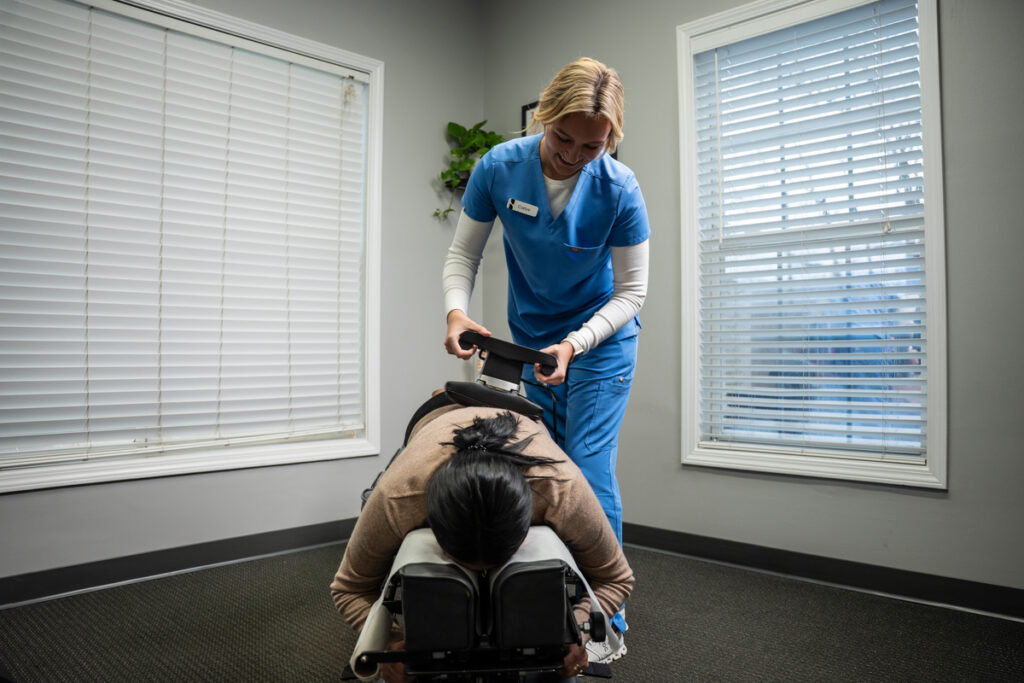

If you find yourself spending long hours at a desk, you’re likely familiar with the discomfort that can stem from poor posture. Misalignment of the spine can lead to not only temporary discomfort but also chronic pain over time. As a chiropractor, I want to share some effective strategies to improve your posture and enhance your overall well-being without the need for medications or surgeries. By focusing on natural healing and healthier living, we can make significant improvements to your workspace experience. Here are my top seven approaches that can help you achieve optimal health through better posture:
- Ergonomic Furniture: Invest in a good quality ergonomic chair and desk. These are designed to support your spine’s natural curvature, helping you maintain proper alignment while you work.
- Adjust Your Screen Height: Your computer screen should be at eye level. This adjustment helps you keep your neck in a neutral position, reducing strain.
- Practice Regular Movement: Set a timer to remind you to stand up and stretch or walk around every 30 minutes. Simple movements can help prevent stiffness and improve circulation.
- Stretching and Strengthening Exercises: Incorporate stretches focused on your neck, shoulders, and back into your daily routine. Strengthening your core muscles can also support better posture.
- Mind Your Feet: Keep your feet flat on the floor or on a footrest. This position helps maintain a stable base and supports proper spinal alignment.
- Be Mindful of Your Posture: Regularly check in with your posture throughout the day. Keep your shoulders relaxed, your back straight, and your head aligned with your spine.
- Chiropractic Care: Regular visits to a chiropractor can help address any misalignments and provide tailored advice on maintaining a healthy posture. Chiropractic care focuses on natural healing and can be a vital part of your wellness journey.
By incorporating these simple tips into your daily routine, you can significantly improve your posture and overall health. Remember, taking care of your spine is crucial for your long-term well-being, and chiropractic care is an excellent way to achieve this. Let’s work together towards a healthier, pain-free life!
Adjust Your Chair for Optimal Support
Adjusting Your Chair for Optimal Support
While it may seem like a small detail, adjusting your chair for optimal support can make a significant difference in your comfort and productivity, and ultimately contribute to your overall spinal health. When sitting in your chair, ensure that your feet rest flat on the floor, with your knees bent at a 90-degree angle. If your chair is too high, using a footrest can help maintain this proper posture.
The backrest of your chair should fully support your back, promoting good spinal alignment and reducing the risk of discomfort during long hours of sitting. It’s important to adjust the backrest to fit the natural curve of your spine. This simple adjustment can help prevent strain and discomfort, which are often signs that your body needs better support.
Remember, a well-aligned spine is crucial for optimal nervous system function, and chiropractic care can enhance this alignment further. Additionally, ensure that the armrests are positioned at a height that allows your shoulders to relax. If the armrests are too high or too low, it can lead to unnecessary tension in your neck and shoulders, which may cause pain over time.
Don’t forget to incorporate regular breaks into your day. Standing up, stretching, and moving around can help alleviate tension and keep your body functioning at its best. These practices not only enhance your comfort but also contribute to a healthier lifestyle.
By making mindful adjustments to your chair and incorporating these tips into your daily routine, you can greatly improve your work experience. If you find yourself dealing with persistent discomfort, consider consulting with a chiropractor, who can provide personalized guidance and treatments to support your journey toward optimal health and wellness.
Position Your Monitor at Eye Level
Positioning your monitor at eye level is a vital step in promoting good posture while you work, and it plays a significant role in maintaining your spinal health. When your screen is positioned too low or too high, it can lead to unnecessary strain on your neck and shoulders, which can result in discomfort and pain over time.
Ideally, the top of your monitor should be at or just below eye level. This positioning allows you to look straight ahead at the screen without having to tilt your head, which helps keep your spine aligned.
To set your monitor to the right height, you might want to adjust your monitor stand or use everyday items like a stack of books or a dedicated monitor riser. It’s also important to keep the screen about an arm’s length away from your eyes to minimize eye strain. If you wear glasses, be mindful of how this affects your screen positioning as well.
Taking just a few moments to adjust your monitor can have a significant impact on your comfort and productivity. By ensuring that you have a well-aligned workspace, you can focus on your tasks without the distraction of pain.
Remember, maintaining a proper ergonomic setup is just one of the many ways to support your overall health. Regular chiropractic care can further enhance your well-being by addressing any underlying issues and ensuring your spine remains healthy and aligned.
Prioritizing these small adjustments in your daily routine can help you stay pain-free and promote a healthier lifestyle.
Use a Keyboard and Mouse That Promote Comfort
To enhance your comfort at your desk and support your overall spinal health, it’s crucial to choose the right keyboard and mouse. Ergonomic designs can significantly reduce strain on your hands, wrists, and neck, which can help prevent discomfort and pain that may lead to more serious health issues.
By opting for adjustable setups, you create a personalized fit that promotes better posture and alignment, which is essential for maintaining a healthy spine.
As a chiropractor, I want to emphasize the importance of being mindful of your workspace. Here are some simple tips to help you create a more comfortable and health-conscious environment:
- Choose Ergonomic Tools: Look for keyboards and mice that are designed with your body’s natural posture in mind. This can help minimize strain on your muscles and joints, reducing the risk of developing pain.
- Adjust Your Setup: Make sure your keyboard and mouse are at the right height to keep your elbows at a 90-degree angle. This can help prevent unnecessary tension in your wrist and shoulders.
- Take Breaks: Regularly step away from your desk to stretch and move around. This encourages circulation and helps maintain flexibility, which is vital for spinal health.
- Practice Good Posture: Sit back in your chair with your feet flat on the floor and your back supported. Good posture not only helps prevent discomfort but also promotes overall well-being.
- Listen to Your Body: If you start to feel any discomfort in your hands, wrists, or back, it’s important to take it seriously. Consult with a chiropractor who can provide natural healing options and personalized care to address any issues.
By making these simple adjustments and prioritizing your comfort, you can create a healthier workspace that supports your spinal health and overall wellness.
Ergonomic Keyboard Options
When you spend hours typing away at your desk, the right keyboard and mouse can significantly impact your comfort and overall health. Ergonomic keyboards are designed to alleviate strain on your wrists and fingers, which can help prevent discomfort and pain.
Look for options with a split design that allows your hands to rest in a more natural position, promoting better alignment of your spine. Keyboards with adjustable angles can further enhance your posture, encouraging a more comfortable wrist position that supports your overall spinal health.
Consider using a keyboard with cushioned wrist support to minimize discomfort during long typing sessions. This added support can help maintain proper alignment and reduce tension in the muscles surrounding your spine.
Additionally, mechanical keyboards provide tactile feedback, which can’t only enhance your typing efficiency but also help prevent repetitive strain injuries that can lead to chronic pain.
Remember, while making these ergonomic choices is vital, regular chiropractic care can play a crucial role in maintaining your overall wellness. A chiropractor can help address any misalignments caused by poor posture or repetitive strain, ensuring your spine remains healthy and functioning optimally.
Mouse Design Considerations
Selecting the right mouse can significantly impact your comfort while working at your desk and contribute to your overall spinal health. A well-designed mouse encourages proper wrist positioning, reducing strain and preventing discomfort that can affect your posture.
Look for ergonomic shapes that conform to the natural contours of your hand, allowing for a relaxed grip and minimizing tension in your wrist and forearm. Consider using a vertical mouse, as it helps keep your wrist in a more neutral position, which can be beneficial for maintaining spinal alignment.
It’s also crucial to choose a mouse that fits your hand size; one that’s too small or too large can lead to awkward angles and unnecessary strain on your musculoskeletal system. Adjustable DPI settings can enhance your experience by allowing you to find the perfect sensitivity without having to overextend your hand.
Additionally, selecting a mouse with a comfortable surface texture is key to ensuring a secure grip during extended periods of use. Remember, investing in a quality mouse is an essential step toward preserving your spinal health and comfort throughout your workday.
Adjustable Setup Benefits
Creating a comfortable workspace goes beyond just finding the right mouse; it’s about ensuring that your entire setup supports your health and well-being. One effective way to achieve this is by using an adjustable setup that allows you to customize the positions of your keyboard and mouse to meet your individual needs. This is crucial for maintaining a neutral wrist position, which can significantly reduce strain and help prevent discomfort, especially during those long hours of work that can lead to spinal misalignments.
An adjustable keyboard tray is particularly beneficial, as it helps keep your elbows at a 90-degree angle, promoting better posture. Good posture is vital not only for your spine but for your overall health. Similarly, choosing a mouse that allows for different hand positions can alleviate tension in your wrists and forearms, further supporting your musculoskeletal health.
Investing in these adjustable tools can enhance your comfort and significantly boost your productivity, but remember that maintaining proper ergonomics is just one piece of the puzzle. Regular chiropractic care is essential for optimal health and can help keep your spine aligned, reducing the risk of pain and discomfort associated with poor posture and repetitive strain.
As a chiropractor, I recommend making simple adjustments to your workspace and incorporating regular chiropractic visits into your wellness routine. These steps can make a significant difference in your overall well-being while working at your desk.
Take Regular Breaks to Move and Stretch
Taking regular breaks to move and stretch is vital for your physical and mental well-being, especially during those long hours spent at a desk.
Sitting for extended periods can lead to muscle tension and discomfort, which can negatively impact your productivity and overall health. As a chiropractor, I encourage you to prioritize your body’s needs, and here are three simple and effective ways to incorporate breaks into your workday:
1. Set a Timer: Use your phone or computer to remind you to take a break every hour.
When the timer goes off, stand up and walk around to get your blood flowing. This movement can help alleviate tension in your spine and muscles, preventing discomfort and promoting better posture.
2. Incorporate Mini-Workouts: Dedicate just five minutes to do light exercises, such as gentle leg lifts or shoulder rolls.
These simple movements can increase circulation and ease stiffness, particularly in your back and neck, which are often affected by prolonged sitting. Remember, a healthy spine is key to overall wellness!
3. Practice Deep Breathing: Take a moment to focus on your breath.
Deep breathing exercises can significantly reduce stress and improve your mental clarity. This not only helps you feel more centered but also prepares your body for a more productive return to your tasks.
Remember, caring for your spine through movement and proper posture is essential for achieving optimal health.
Incorporating these habits into your daily routine can lead to a healthier, more vibrant life. And if you’re experiencing persistent discomfort, consider visiting a chiropractor to explore how natural, hands-on care can support your wellness journey.
Incorporate an Active Sitting Solution
As a local chiropractor, I want to emphasize how crucial your chair choice can be for your posture and comfort while working at your desk. One effective way to support your spine and overall well-being is by incorporating an active sitting solution. This approach not only helps you stay engaged but also promotes better posture throughout your day.
Consider alternatives like a stability ball, ergonomic stool, or a balance board. These options encourage movement and engage your core muscles, which can significantly reduce strain on your back and neck. Unlike traditional chairs that may encourage slouching, these active sitting solutions keep your body active, helping to prevent stiffness and discomfort.
Moreover, I encourage you to alternate between sitting and standing during your work hours. Using a chair that allows for dynamic movement can be a game-changer for your spinal health. As you make these changes, pay attention to how your body responds; it may take some time to adjust, but your posture will improve, and you’ll likely feel more energized and focused.
Remember that chiropractic care is an excellent resource for maintaining optimal spinal health. If you experience any discomfort or pain, don’t hesitate to reach out for a chiropractic evaluation.
Maintain Proper Desk Height
One essential aspect of maintaining good posture at your desk is ensuring that your desk height is set correctly. Proper desk height not only keeps your body aligned but also helps reduce strain on your back and neck, promoting overall wellness.
Here are three tips to help you achieve the right desk height for optimal health:
- Elbow Position: When typing, aim for your elbows to form a 90-degree angle. Adjust your desk so that your forearms are parallel to the ground. This alignment helps alleviate tension in your shoulders and promotes a more relaxed posture.
- Monitor Level: Position the top of your monitor at or just below eye level. This encourages your neck to remain in a neutral position, reducing the risk of discomfort and strain. A well-placed monitor can help you maintain proper spinal alignment, which is crucial for overall health.
- Chair Height: Ensure your feet rest flat on the floor or on a footrest. This simple adjustment can provide better support for your lower back, enhancing your comfort while you work. A stable base helps maintain your spine’s natural curves, which is vital for preventing pain and promoting well-being.
By implementing these tips, you not only create a more ergonomic workspace but also support your body’s natural alignment, helping to prevent pain and discomfort.
Practice Good Posture Awareness
Practicing good posture awareness is crucial for your comfort and overall health, especially if you have a desk job. As a chiropractor, I want to emphasize that maintaining proper posture can significantly reduce the risk of pain and discomfort that many experience from prolonged sitting.
One effective way to stay mindful of your posture is to set daily reminders. You can use your phone or sticky notes around your workspace to remind you to check in on your posture throughout the day. Additionally, consider using posture apps that can provide alerts and tips to help you stay aligned.
Incorporating mindfulness techniques, such as taking deep breaths or doing stretches during breaks, can also be beneficial. Simple practices like rolling your shoulders back, keeping your feet flat on the ground, and ensuring your computer screen is at eye level can make a big difference.
Remember, chiropractic care is an excellent way to support your posture and overall well-being. Regular chiropractic adjustments can help realign your spine, relieve tension, and improve your body’s natural function.
Daily Posture Reminders
To maintain good posture throughout your workday, it’s crucial to remain aware of how your body is positioned. As a chiropractor, I understand the impact that proper alignment has on your overall health and well-being.
Here are three effective strategies to help you keep your posture in check and promote a healthier spine:
- Set Hourly Alerts: Use your phone or computer to remind you to check your posture every hour. Taking a moment to pause and realign can prevent strain and discomfort. This simple practice can go a long way in supporting your spinal health.
- Post Sticky Notes: Place motivational notes on your monitor or desk with reminders like “Sit up straight” or “Roll your shoulders back.” These visual cues serve as gentle prompts to encourage good habits and can help reinforce your commitment to maintaining a healthy posture.
- Take Movement Breaks: Stand up, stretch, or take a short walk every so often. Not only does this reset your posture, but it also revitalizes your mind and body. Movement is key to preventing stiffness and discomfort, and it complements the benefits of chiropractic care.
By being proactive about your posture, you’re taking an important step towards optimal health.
Chiropractic care is designed to support proper alignment and relieve pain naturally, allowing you to live your life to the fullest. Remember, your body deserves the best care, and making these small changes can lead to significant improvements in your overall wellness!
Use Posture Apps
Incorporating technology into your posture routines can significantly boost your awareness of spinal health and help you maintain good alignment throughout the day. As a chiropractor, I often emphasize the importance of proper posture for overall well-being, and posture apps can be excellent tools to support this.
These apps can send you gentle reminders to check your posture while working at your desk, encouraging you to adjust and realign when necessary. By staying mindful of your alignment, you can help alleviate tension in your back and neck, which are common sources of discomfort for many people.
Many posture apps also offer visual guides and exercises designed to strengthen the muscles that support your spine. This proactive approach not only helps improve your posture but also promotes long-term spinal health. Remember, good posture reduces stress on your spine and can lead to less pain and better overall function.
As you incorporate these apps into your routine, consider scheduling regular breaks to stand, stretch, and move around. Simple exercises like shoulder rolls or neck stretches can make a significant difference.
And don’t forget the importance of chiropractic care in this journey—regular adjustments can help keep your spine aligned and functioning optimally, further enhancing your posture efforts.
Mindfulness Techniques Practice
While many individuals think about physical exercises for improving posture, incorporating mindfulness techniques can significantly boost your awareness of body alignment throughout your workday. As a chiropractor, I believe that being mindful of your posture not only helps alleviate discomfort but also promotes overall spinal health.
Here are three effective techniques you can try to enhance your well-being:
- Breathing Exercises: Take a moment to focus on your breath. Inhale deeply through your nose, allowing your abdomen to expand, and then exhale slowly through your mouth. This practice not only calms your mind but also aligns your body, encouraging a more relaxed and upright posture. By fostering a connection between your breath and body, you can better support your spine.
- Body Scanning: Throughout your day, take short breaks to check in with your body. Close your eyes and mentally scan for any areas of tension. Are your shoulders hunched? Is your back rounding? By identifying these habits, you can consciously relax those areas, making it easier to maintain proper alignment and reduce the risk of pain.
- Mindful Reminders: Setting reminders to check your posture can be incredibly helpful. Use sticky notes on your computer or set phone alerts to prompt you to sit tall and align your body. Regular reminders can help you develop a habit of maintaining good posture, supporting your spine’s natural curvature and improving your overall health.
Incorporating these mindfulness techniques into your daily routine not only helps with posture but also complements the benefits of chiropractic care. Regular adjustments can keep your spine healthy, while mindfulness practices can empower you to take an active role in your well-being.