
When it comes to spinal alignment, making small adjustments in your daily routine can lead to significant improvements in your overall health and well-being. It’s easy to overlook how your posture or workspace setup can impact your spine, but these factors play a crucial role in your spinal health. As a chiropractor, I encourage you to focus on effective stretches, strengthening exercises, and ergonomic changes that can help improve your alignment naturally.
So, what specific techniques can you implement to achieve better spinal health? Here are some trusted methods that I recommend:
- Mind Your Posture: Whether you’re sitting at a desk or standing, maintaining good posture is essential. Keep your shoulders back, align your head over your spine, and distribute your weight evenly on both feet when standing.
- Ergonomic Workspace: Ensure your workstation is set up to support your spine. Your chair should provide good lumbar support, and your computer screen should be at eye level to prevent neck strain.
- Regular Stretching: Incorporate gentle stretches into your daily routine to keep your spine flexible and reduce tension. Focus on stretches that target your back, hips, and shoulders.
- Strengthening Exercises: Engage in exercises that strengthen your core muscles, as a strong core supports your spine. Simple activities like planks or bridges can be very effective.
- Stay Active: Regular physical activity promotes overall spinal health. Aim for a mix of cardiovascular exercises, strength training, and flexibility workouts to keep your body in balance.
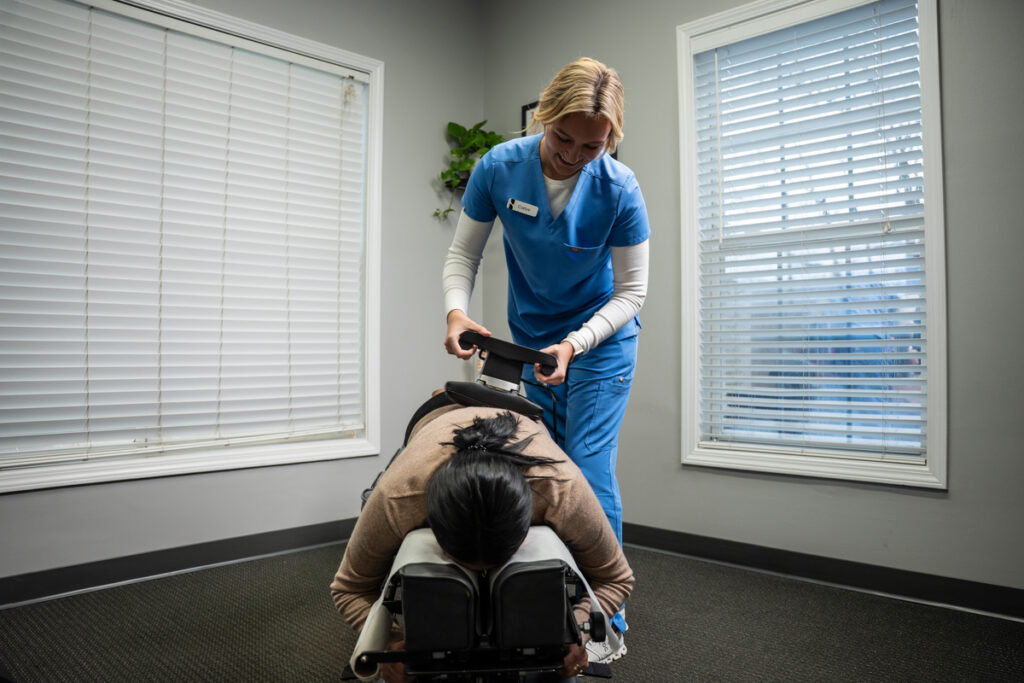
- Chiropractic Care: Regular visits to your chiropractor can help maintain spinal alignment and address any issues before they become more serious. Chiropractic adjustments are a natural, non-invasive way to relieve pain and promote wellness.
By adopting these practices, you can take proactive steps toward better spinal alignment and overall health. Remember, your spine is the foundation of your body—taking care of it is key to living a healthier, pain-free life!
Understanding Spinal Alignment and Its Importance
Spinal alignment is crucial for your overall health and well-being. When your spine is in proper alignment, it not only supports your posture but also nurtures your nervous system, allowing your body to function at its best. Misalignment can lead to discomfort, pain, and even long-term health problems. Many people don’t realize that simple everyday habits—like how you sit, stand, or sleep—can significantly impact your spinal health.
By maintaining good spinal alignment, you can reduce strain on your muscles and ligaments, which in turn improves your mobility and performance in daily activities. Think of your spine as the foundation of your body; an aligned spine promotes better circulation, enhances digestion, and boosts your energy levels. Remember, proper posture isn’t just about looking good; it’s vital for your physical health.
As a chiropractor, I encourage you to consider chiropractic care as a natural and effective way to achieve optimal spinal alignment. Regular chiropractic adjustments can help correct misalignments and keep your spine healthy.
Here are a few tips you can incorporate into your daily routine to support your spinal health:
- Practice Good Posture: Whether you’re sitting at a desk or standing, keep your shoulders back and your spine straight. Avoid slouching to reduce stress on your back.
- Ergonomic Setup: If you spend long hours at a desk, ensure your workspace is ergonomically friendly. Your chair should support your lower back, and your computer screen should be at eye level.
- Sleep Smart: Choose a mattress and pillow that support proper spinal alignment. Sleeping on your back or side can help maintain a neutral spine position.
- Stay Active: Incorporate regular physical activity into your day. Exercises that strengthen your core can provide additional support to your spine.
- Mind Your Movements: Be mindful of how you lift heavy objects. Always bend at the knees and keep the object close to your body to prevent strain on your back.
Effective Stretches for Improved Flexibility
How can you enhance your flexibility and support your spinal health? By incorporating effective stretches into your daily routine, you can make a significant difference in how your body feels and functions. Improved flexibility is essential not only for preventing injuries but also for promoting better spinal alignment, which is crucial for overall wellness.
Here are some simple stretches you can try to support your flexibility and spinal health:
- Cat-Cow Stretch: This gentle movement helps to warm up your spine and improve its mobility. It encourages healthy movement patterns and can be especially beneficial if you spend long hours sitting.
- Child’s Pose: A relaxing stretch that eases tension in your back and hips. This pose encourages deep breathing and relaxation, which can help release stress and promote overall flexibility.
- Seated Forward Bend: This stretch helps to lengthen your spine and hamstrings, relieving tension in your lower back. It’s an excellent way to unwind after a long day.
- Torso Twist: This simple stretch enhances spinal rotation and can relieve stiffness in your back. It’s a great way to keep your spine healthy and mobile.
- Pigeon Pose: While this pose is great for opening up your hips, it also indirectly supports better spinal alignment. By improving hip flexibility, you can create a more stable base for your spine.
Incorporating these stretches into your daily routine can help you feel more limber and promote better spinal health. Remember to listen to your body and ease into each stretch for maximum benefits.
As a chiropractor, I encourage you to consider regular chiropractic care as a fundamental part of your journey toward optimal health. Chiropractic adjustments can ensure that your spine is aligned properly, providing the foundation for improved flexibility and overall wellness.
Strengthening Exercises to Support Your Spine
While flexibility is crucial for a healthy spine, strengthening the muscles that support your back is just as important. As a chiropractor, I want to emphasize that incorporating targeted exercises into your routine can significantly enhance your spinal stability and improve your overall posture.
Start with planks, which engage your core and back muscles—hold for about 30 seconds and gradually work your way up to longer durations. Incorporate bridges into your routine as well; simply lie on your back, lift your hips towards the ceiling, and hold for a few seconds to strengthen your lower back and glutes.
Another great exercise is the bird-dog. From a tabletop position on your hands and knees, extend one arm forward while simultaneously extending the opposite leg back—alternate sides to improve your balance and coordination.
Don’t forget about rows with resistance bands! These are excellent for strengthening your upper back, which helps promote better alignment. Aim for 2-3 sets of 10-15 repetitions for each exercise.
Remember, consistency is key. By strengthening your back muscles, you not only support your spine but also help prevent future injuries.
Regular chiropractic care can complement these exercises, offering additional support for your spine and enhancing your overall wellness. Together, they pave the way for a healthier, pain-free life.
Ergonomic Adjustments for a Healthier Workspace
Creating an ergonomic workspace is crucial for maintaining a healthy spine, particularly if you spend long hours sitting at a desk. As a chiropractor, I want to share some simple adjustments that can significantly enhance your comfort and posture throughout the day, ultimately promoting better spinal health.
Here are some invaluable tips to help you create a more supportive workspace:
- Chair Height: Ensure your chair is adjusted so that your feet rest flat on the floor, and your knees form a 90-degree angle. This position helps distribute your weight evenly and reduces strain on your back.
- Monitor Position: Set your monitor at eye level to prevent unnecessary neck strain. The top of the screen should be at or slightly below eye level, allowing you to maintain a neutral neck position while working.
- Keyboard and Mouse: Keep your keyboard and mouse close enough so that you don’t have to reach for them. Your arms should remain relaxed at your sides, forming an L-shape at the elbows. This positioning helps reduce tension in your shoulders and upper back.
- Lumbar Support: Choose a chair that offers good lumbar support, or consider adding a cushion to support the natural curve of your lower back. Proper lumbar support is vital in maintaining spinal alignment and preventing discomfort.
- Regular Breaks: Remember to stand up and stretch every hour. Taking these short breaks keeps your spine flexible and helps avoid stiffness, which can lead to discomfort over time.
Incorporating these ergonomic adjustments can significantly enhance your daily comfort and contribute to your overall health.
Additionally, consider regular chiropractic care as an effective way to ensure your spine remains healthy and properly aligned. Chiropractic adjustments can help alleviate pain, improve posture, and promote natural healing, guiding you toward optimal health and wellness.
Daily Habits to Maintain Spinal Health
In addition to making ergonomic adjustments in your workspace, developing daily habits is crucial for maintaining a healthy spine. As a chiropractor, I want to share some simple yet effective strategies that can help you achieve optimal spinal health naturally.
Start by incorporating regular stretching into your routine. Even basic stretches can do wonders for relieving tension and improving your flexibility. Remember to stand up and move around every hour—this breaks the cycle of prolonged sitting, which can contribute to discomfort and stiffness.
Be mindful of your posture throughout the day, whether you’re sitting, standing, or walking. Keep your shoulders back and align your head over your spine. This simple adjustment can help reduce strain on your back.
Strengthening your core muscles is also essential; exercises like planks and bridges will provide the support your back needs. These activities help promote a strong core, which is vital for maintaining good posture and spinal alignment.
When it comes to sleep, prioritize quality by choosing a supportive mattress and pillow that encourages proper spinal alignment. A good night’s sleep can positively impact your overall well-being and spine health.
Additionally, staying hydrated and maintaining a balanced diet can contribute to your musculoskeletal health and overall vitality.
By committing to these daily habits, you’ll create a solid foundation for a healthier spine and a more active life. And remember, regular chiropractic care can further enhance your journey to wellness. It’s a natural and effective way to relieve pain and support your spine’s health.
If you have any questions or need support, don’t hesitate to reach out to your local chiropractor for guidance on your path to better health.