
If you’re spending long hours at a desk, you might not realize how your posture can impact your overall health and wellness. Poor posture, like slouching or leaning, doesn’t just cause discomfort; it can lead to fatigue and even chronic pain. Ignoring these issues can hinder your productivity and focus over time.
That’s why it’s crucial to pay attention to your posture and make adjustments that can create a more supportive work environment. Simple changes can make a big difference. For instance, ensure your chair supports your lower back, and keep your feet flat on the floor. Taking regular breaks to stretch and move can also relieve tension and improve circulation.
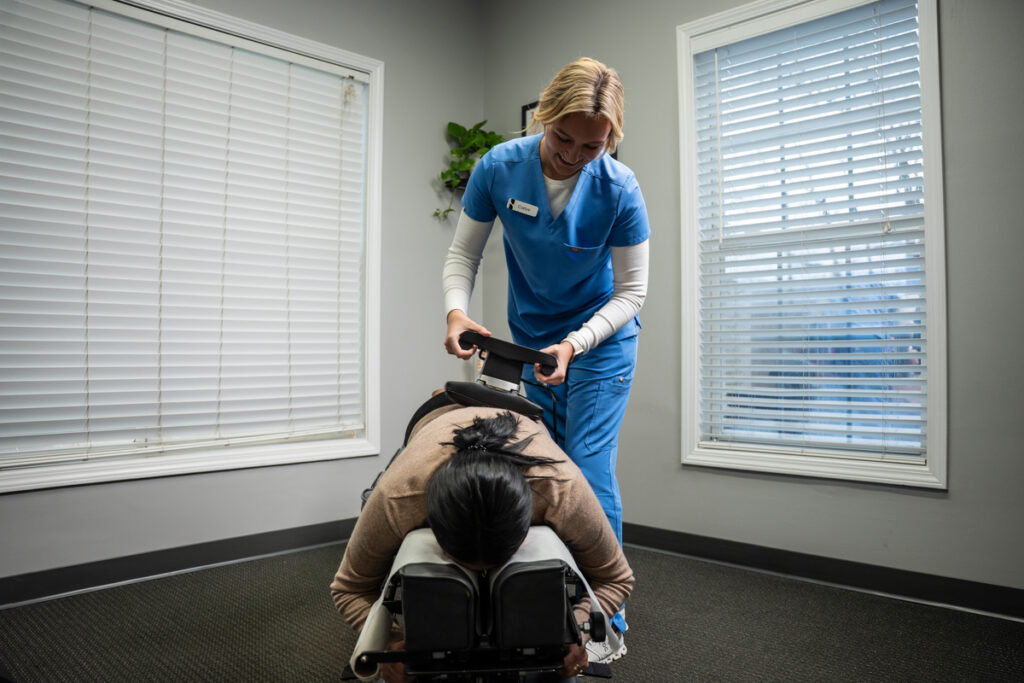
But if you’re already feeling the effects of poor posture, chiropractic care can be a natural and effective solution. Chiropractors specialize in aligning the spine and improving posture, which can alleviate pain and enhance your overall well-being. Regular adjustments can help correct posture-related issues and facilitate your body’s natural healing process.
Remember, prioritizing good posture at your desk isn’t just about comfort—it’s about investing in your health. By making these small changes and considering chiropractic care, you can take significant steps toward a healthier and more productive work life.
Understanding the Impact of Poor Posture
As a chiropractor, I want to highlight how poor posture can significantly affect your health and overall productivity. You may not realize it, but when you slouch or hunch over your desk, it places undue strain on your muscles and joints. This strain can lead to discomfort, fatigue, and chronic pain if left unaddressed.
It can also make it more difficult for you to concentrate and stay focused, as your body struggles to maintain a comfortable position. Moreover, poor posture can restrict your breathing and limit the oxygen flow to your brain, which can leave you feeling drained and mentally foggy. You may even experience tension headaches that can further interfere with your work.
By becoming aware of how your posture affects your health, you can take proactive steps to improve it and enhance your overall well-being. Chiropractic care is an excellent choice for addressing posture-related issues. Regular adjustments can help realign your spine, relieve tension, and improve your body’s ability to function optimally.
Here are some simple tips you can implement right away to support better posture:
- Use an Ergonomic Chair: Invest in a chair that supports your lower back and promotes a neutral spine position.
- Set Reminders: Use alarms or sticky notes to remind yourself to check your posture throughout the day.
- Take Breaks: Stand up, stretch, and walk around every hour to relieve tension and reset your posture.
- Practice Good Alignment: When sitting, ensure your feet are flat on the floor, and your knees are at a right angle.
- Strengthen Your Core: Engage in exercises that strengthen your core muscles, as a strong core supports better posture.
By prioritizing good posture and incorporating chiropractic care into your wellness routine, you can enjoy a healthier, more productive life. Remember, maintaining proper alignment is essential for thriving, especially if you spend long hours at a desk.
Take charge of your health and make posture a priority today!
Common Posture-Related Issues in Desk Jobs
If you find yourself spending extensive hours at your desk, you may start to experience common issues such as neck and shoulder pain or lower back discomfort.
These problems can creep up on you, often stemming from poor posture and insufficient support. Being aware of these signs is the first step towards finding relief and enhancing your workspace setup.
Chiropractic care is a natural and effective way to address these discomforts and achieve optimal health.
By focusing on spinal alignment and overall wellness, chiropractic adjustments can help alleviate pain and improve your posture, allowing your body to heal itself without the need for medications or invasive procedures.
Here are some general tips to help you improve your workspace and promote better posture:
- Adjust Your Chair: Ensure your chair supports your lower back. It should allow your feet to rest flat on the floor, with your knees at a 90-degree angle.
- Screen Height: Your computer screen should be at eye level to prevent straining your neck. Use a monitor stand if necessary.
- Keyboard Position: Keep your keyboard and mouse close, so your elbows are at a comfortable angle and your wrists are straight.
- Take Breaks: Incorporate short breaks every hour to stand up, stretch, and move around. This can help relieve tension and improve circulation.
- Stay Hydrated: Drinking plenty of water can help reduce muscle stiffness and keep your body functioning optimally.
If you’re dealing with persistent pain or discomfort, consider consulting with a chiropractor.
We specialize in helping you achieve a pain-free life through natural healing methods, focusing on your spinal health and overall wellness.
Neck and Shoulder Pain
When you spend long hours at a desk, it’s common to experience neck and shoulder pain, often caused by poor posture. Slouching or leaning forward can put strain on the muscles in these areas, leading to discomfort and tension. You might find yourself frequently adjusting your position or trying to massage your neck, but these quick fixes often don’t address the underlying issues.
A great way to start alleviating this strain is by ensuring your monitor is at eye level and your chair provides proper lumbar support. This helps maintain a neutral spine, reducing the risk of discomfort. Additionally, taking regular breaks to stretch and reposition yourself can greatly improve your overall comfort throughout the day.
While many people may ignore these signs of discomfort, doing so can lead to chronic pain that affects your productivity and quality of life. Instead of relying on temporary solutions, consider chiropractic care as a natural approach to help relieve neck and shoulder discomfort. A chiropractor can provide personalized strategies to improve your posture and promote spinal health.
Incorporating simple habits, such as stretching your neck and shoulders regularly and practicing mindful posture, can also make a big difference.
Lower Back Discomfort
Lower back discomfort is a prevalent issue for many individuals, especially those working desk jobs. This discomfort often arises from poor posture during prolonged sitting. If you find yourself slouching or leaning forward, the added strain on your lower back can lead to pain and discomfort, which may worsen as the day progresses. This can make it challenging to focus on your tasks at hand.
To combat lower back issues, consider making simple adjustments to your workspace. Ensuring your chair is at the right height so that your feet rest flat on the floor can make a significant difference. Additionally, using a lumbar support cushion can help maintain the natural curve of your spine, alleviating pressure on your lower back.
Incorporating regular breaks into your routine is also essential. Stand up, stretch, and move around periodically to relieve tension and promote better circulation. These small changes can go a long way in improving your overall spinal health.
If you’re experiencing persistent discomfort, I encourage you to explore chiropractic care. Chiropractors specialize in spinal health and can provide natural, effective treatments to help relieve pain and restore function.
The Connection Between Posture and Productivity
Your posture at your desk isn’t just about how you look; it significantly influences your physical comfort and ability to focus throughout the day. When your spine is aligned properly, you can experience greater energy levels and improved efficiency in your tasks. This is where chiropractic care becomes invaluable.
Chiropractors specialize in spinal health and can help you achieve and maintain proper alignment. This alignment not only alleviates discomfort but also enhances your overall well-being. When your spine is in its optimal position, your body functions better, allowing you to concentrate on what truly matters—your work and productivity.
Here are some simple tips you can implement to improve your posture and, in turn, your productivity:
- Ergonomic Setup: Ensure your chair and desk are at the right height. Your feet should be flat on the floor, and your knees should be at a 90-degree angle. A chiropractor can guide you on the best ergonomic practices tailored to your body.
- Take Breaks: Regularly stand up and stretch. This helps to relieve tension in your back and neck, which can become strained from prolonged sitting.
- Mind Your Screen Height: Your computer screen should be at eye level. This helps prevent you from slouching or craning your neck forward.
- Strengthen Your Core: Engaging in exercises that strengthen your core can provide better support for your spine, which is crucial for maintaining good posture.
- Stay Hydrated: Drinking enough water keeps your discs hydrated, which is essential for maintaining spinal health.
Remember, the way you sit, stand, and move affects your spine. Regular chiropractic adjustments can help ensure that your spine stays aligned, which can lead to less pain and more productivity in your daily life.
Prioritize your spinal health, and you’ll likely see a positive impact on your work performance!
Physical Comfort and Focus
As a local chiropractor, I want to emphasize that the way you sit at your desk can significantly affect your overall health and productivity. When your body is aligned and comfortable, it’s much easier to focus on your work and maintain a steady workflow.
Here are four ways good posture can enhance your work experience and promote natural wellness:
- Reduces Discomfort: Maintaining proper posture helps prevent those nagging aches and pains that often come with long hours at a desk. By aligning your spine correctly, you can sit comfortably for longer periods, allowing you to focus on your tasks without distractions.
- Improves Circulation: When you sit up straight, you promote better blood flow throughout your body. Good circulation is vital for keeping your mind sharp and energized, helping you stay productive throughout the day.
- Enhances Breathing: Sitting with good posture opens up your chest and allows for deeper, more effective breathing. This can help you feel more alert and focused, as proper oxygen flow is essential for brain function.
- Boosts Confidence: Sitting upright not only enhances your physical health but can also improve your mental state. Good posture can help you feel more confident and ready to tackle challenges with a positive mindset.
For those looking to improve their posture and overall wellness, consider incorporating regular chiropractic care into your routine. A chiropractor can help you understand your body’s needs, provide personalized adjustments, and teach you exercises to support your spine.
Energy Levels and Efficiency
When you sit with proper posture, you not only enhance your physical comfort but also significantly boost your energy levels and efficiency. Good posture plays a vital role in maintaining optimal blood flow and oxygen supply to your brain, which can lead to sharper focus and quicker decision-making.
If you’re slouched over, you might experience fatigue and a decrease in motivation to tackle your tasks. A well-aligned spine is crucial for reducing strain on your muscles, helping you work longer without discomfort.
When you maintain an upright position, it fosters a sense of alertness, making it easier to stay engaged with your work. As a chiropractor, I recommend paying attention to your posture throughout the day.
Here are some tips to help you maintain good posture and support your overall wellness:
- Set Up Your Workspace: Ensure that your chair and desk are at the right height. Your feet should rest flat on the floor, and your elbows should be at a 90-degree angle while typing.
- Take Breaks: Regularly stand up, stretch, and walk around. This helps reduce muscle tension and promotes circulation.
- Strengthen Your Core: Engage in exercises that strengthen your core muscles, as they provide support for your spine.
- Use Ergonomic Equipment: Consider using ergonomic chairs or standing desks that promote good posture and reduce strain on your body.
- Be Mindful: Pay attention to how you sit, stand, and move throughout your day. Simple adjustments can make a big difference.
Ultimately, improving your posture is about more than just looking good; it has a direct impact on your productivity and overall performance.
Signs That Indicate You Need Professional Help
How can you tell if your desk job is affecting your body? It’s important to pay attention to certain signs that may indicate it’s time to seek professional help. Ignoring these symptoms can lead to bigger issues in the future.
Here are four key indicators that you may benefit from chiropractic care:
- Chronic Pain: Are you experiencing persistent pain in your neck, back, or shoulders? This is a clear sign that your body may be out of alignment, and chiropractic adjustments can help restore balance and relieve discomfort.
- Frequent Headaches: If you find yourself suffering from regular tension headaches, this could be linked to poor posture or eye strain. A chiropractor can help identify the root cause and provide natural solutions to alleviate your headaches.
- Fatigue: Feeling unusually tired even after a good night’s sleep? Poor posture can impact your energy levels. Chiropractic care can improve your alignment, leading to better overall energy and vitality.
- Limited Mobility: If you’re struggling to move freely or notice stiffness in your joints, this may indicate an issue with your body’s alignment. Chiropractic adjustments can enhance your mobility and help you feel more agile in your daily activities.
Don’t wait for these signs to become more severe—addressing them early with chiropractic care can make a significant difference in your overall health and well-being.
Benefits of Seeking Help for Posture Issues
Seeking help for posture issues can lead to significant improvements in your overall well-being, and chiropractic care is one of the best ways to address these concerns naturally. When you visit a chiropractor, you receive personalized assessments and tailored advice that cater to your specific posture needs. This individualized approach can help alleviate discomfort, reduce fatigue, and boost your productivity at work.
Chiropractors specialize in understanding the mechanics of the spine and how it relates to your overall health. By working with a professional, you can uncover the root causes of your posture problems and effectively address them. Many patients report increased energy levels and enhanced focus after chiropractic adjustments, which can truly transform your daily work experience.
Moreover, chiropractic care can help prevent potential long-term health issues, saving you from future pain and medical expenses. By investing in your posture today, you’re not just dealing with immediate concerns; you’re laying the groundwork for a healthier lifestyle. Regular chiropractic adjustments can help keep your spine aligned and functioning optimally.
Here are a few tips you can incorporate into your daily routine to complement your chiropractic care:
- Mind Your Posture: Be aware of your posture throughout the day, whether sitting or standing. Keep your shoulders back, and your head aligned over your spine.
- Take Breaks: If you work at a desk, make it a habit to take short breaks every hour. Stand up, stretch, and walk around to keep your body engaged.
- Strengthen Your Core: A strong core supports good posture. Consider incorporating exercises like planks and bridges into your routine.
- Invest in Good Ergonomics: Adjust your workspace to support better posture. Use a chair that supports your lower back and keep your computer screen at eye level.
Embracing chiropractic care and these simple habits can lead to a more comfortable and fulfilling work life. Remember, your spine is the foundation of your well-being, so taking care of it is key to achieving optimal health.
Exercises to Improve Desk Job Posture
If you find yourself spending long hours at your desk, it’s crucial to incorporate exercises that can enhance your posture and overall well-being.
As a chiropractor, I want to emphasize that maintaining a healthy spine is essential for optimal health. Simple stretching techniques can provide immediate relief from tension, while strengthening your core muscles can offer better support for your spine throughout the day.
Here are some easy exercises you can do right at your desk:
- Neck Stretches: Gently tilt your head to one side, bringing your ear toward your shoulder. Hold for 15-30 seconds and switch sides. This helps alleviate neck stiffness.
- Shoulder Rolls: Sit up straight and roll your shoulders back and down in a circular motion. Repeat this 10 times to release tension in your upper back.
- Seated Torso Twist: While seated, place your right hand on the back of your chair and gently twist your torso to the right. Hold for 15-30 seconds and then switch to the left side. This promotes spinal flexibility.
- Desk Push-ups: Stand a few feet away from your desk, place your hands on the edge, and perform push-ups. This strengthens your arms and chest while keeping your core engaged.
In addition to these exercises, practicing good ergonomic habits at your workstation can significantly improve your posture.
Ensure your computer screen is at eye level, your chair supports your lower back, and your feet are flat on the ground.
Remember, regular chiropractic care can also be a vital part of your wellness routine. A chiropractor can help align your spine, alleviate pain, and provide personalized recommendations tailored to your lifestyle.
Stretching Techniques for Relief
As a chiropractor, I understand the importance of incorporating simple stretching techniques into your daily routine, especially if you spend long hours at a desk.
These stretches not only help alleviate discomfort but also promote better spinal health and overall wellness. Here are four effective stretches to integrate into your day:
- Neck Stretch: Gently tilt your head to one side, allowing your ear to approach your shoulder, and hold for 15-30 seconds. This can help relieve tension in your neck and improve mobility. Don’t forget to switch sides!
- Shoulder Shrugs: Raise your shoulders towards your ears, hold for a brief moment, and then release. Repeat this motion 10 times. This stretch helps to alleviate tension in your shoulders, which often gets tight from prolonged sitting.
- Upper Back Stretch: Interlace your fingers and stretch your arms forward while rounding your upper back. Hold this position for 15-30 seconds. This stretch opens up your upper back and can counteract the forward hunch that often occurs during desk work.
- Wrist and Finger Stretch: Extend one arm in front of you with your palm facing up, and gently pull back on your fingers with the other hand. Hold for 15-30 seconds on each side. This stretch is particularly beneficial for those who use a keyboard frequently, helping to relieve tension in the wrists and fingers.
Incorporating these stretches into your daily routine can significantly reduce tension and enhance your comfort throughout the day.
Remember, maintaining proper spinal health is essential for overall well-being, and regular chiropractic care can further support your journey toward optimal health.
By focusing on natural healing methods, you can achieve the relief you need without the reliance on medications or invasive procedures.
Prioritize your health and consider making chiropractic care a part of your wellness routine!
Strengthening Core Muscles
Strengthening your core muscles is crucial for enhancing your posture, especially if you spend long hours at a desk. A strong core not only provides stability and support for your spine but also plays a significant role in your overall health and wellness.
By integrating core-strengthening exercises such as planks, bridges, and bird-dogs into your routine, you can cultivate the strength needed to maintain good posture throughout your workday. These exercises effectively engage your abdominal muscles and lower back, which can help alleviate strain on your spine.
It’s recommended to include core workouts at least two to three times a week. Even short sessions can yield remarkable benefits. Remember, maintaining proper form during these exercises is essential to prevent injury. As you build a stronger core, you’ll likely find it easier to sit up straight and reduce discomfort associated with prolonged sitting.
In addition to strengthening your core, consider visiting a chiropractor for personalized care. Chiropractic adjustments can enhance spinal alignment, which further supports your posture and overall well-being. By addressing any misalignments or tension in your spine, chiropractic care can be a natural and effective way to achieve optimal health and pain relief.
Here are a few additional tips to help you improve your posture and core strength while working at a desk:
- Take Frequent Breaks: Stand up, stretch, and move around every hour to keep your muscles engaged.
- Use an Ergonomic Chair: Invest in a chair that provides proper support for your lower back.
- Practice Deep Breathing: This can help relax your muscles and improve your posture by encouraging you to sit upright.
- Stay Hydrated: Drinking water keeps your body functioning optimally, which is essential for maintaining energy and focus.
Incorporating these practices into your daily routine, along with regular chiropractic care, can pave the way to better posture, reduced discomfort, and enhanced overall health.
Ergonomic Exercise Recommendations
To maintain good posture during long hours at your desk, incorporating ergonomic exercises into your routine can make a significant difference in your overall health and well-being.
These simple movements not only help counteract the negative effects of prolonged sitting but also strengthen your body, supporting your spine and promoting natural healing.
Here are four chiropractic-friendly exercises to get you started on your journey to better health:
- Neck Stretches: Gently tilt your head side to side, holding each position for a few seconds. This can help relieve tension in the neck and improve mobility, which is essential for maintaining good posture.
- Shoulder Rolls: Roll your shoulders forward and backward in a circular motion. This exercise loosens tight muscles and promotes better blood flow, helping to alleviate discomfort from sitting for extended periods.
- Seated Torso Twist: While sitting, slowly twist your torso to the left and then to the right. This simple twist can enhance spinal flexibility and may help ease tension in your back, contributing to a healthier spine.
- Wrist and Finger Stretches: Extend your arms in front of you and flex your wrists back and forth. This combats stiffness from typing and helps maintain good mobility in your hands, making it easier to perform daily tasks.
By integrating these exercises into your work routine, you can enhance your comfort and productivity while supporting your spine and overall health.
Remember, chiropractic care is an excellent choice for pain relief and promoting natural wellness. If you experience discomfort or have concerns about your posture, consider consulting with a chiropractor to receive personalized advice and care tailored to your needs.
Your spine will thank you!
Ergonomic Solutions for a Healthier Workspace
Creating an ergonomic workspace is essential for reducing discomfort and enhancing productivity, while also supporting your spinal health. As a chiropractor, I encourage you to pay attention to your chair first; it should provide proper support for your lower back and allow your feet to rest flat on the floor. Adjust the height so your knees are at a 90-degree angle—this will help maintain proper alignment and reduce strain on your spine.
Next, ensure your desk is at an appropriate height. Your elbows should stay close to your body and form another 90-degree angle while typing. This position not only promotes better posture but also helps to prevent tension in your neck and shoulders.
When it comes to your computer monitor, position it at eye level, about an arm’s length away. This reduces neck strain and encourages a more natural posture. Use a keyboard and mouse that fit comfortably in your hands, and consider adding wrist support to further protect against strain.
Lighting is another important factor; make sure it’s bright enough to prevent eye fatigue, which can lead to poor posture as you lean in closer to see.
Lastly, remember the importance of regular breaks. Stand up, stretch, and change positions to keep your spine healthy and avoid stiffness.
These ergonomic solutions not only improve your workspace but also promote overall well-being. By prioritizing your spinal health through these adjustments, you’re taking a step toward a healthier lifestyle.
And remember, chiropractic care is an excellent option for maintaining optimal health and finding relief from pain. Embrace these tips to create a workspace that supports both your productivity and your well-being!
The Role of Physical Therapy in Posture Correction
Understanding the importance of good posture is essential for overall health, and chiropractic care can play a vital role in correcting posture issues. As a chiropractor, I can assess your posture and identify specific areas that may need improvement.
Here are a few ways chiropractic care can help you achieve better posture and overall wellness:
- Comprehensive Evaluation: You’ll receive a thorough examination to identify your unique posture challenges and understand how they affect your spine and nervous system.
- Customized Adjustments: Through gentle spinal adjustments, I can help correct misalignments that contribute to poor posture, allowing your body to function optimally.
- Education on Body Mechanics: I’ll teach you about proper body mechanics, helping you understand how to move and sit correctly to reduce strain during your daily activities.
- Strengthening and Stretching Techniques: I can guide you on exercises that strengthen weak muscles and stretch tight ones, promoting balanced muscle function and better alignment.
- Ongoing Guidance: Regular chiropractic sessions provide consistent support and allow for ongoing adjustments to your care plan, ensuring you stay on track towards achieving your posture goals.
In addition to chiropractic care, here are some general tips to improve your posture:
- Mind Your Sitting Position: Keep your feet flat on the ground, your knees at a right angle, and your back supported by your chair.
- Take Breaks: If you sit for long periods, take short breaks to stand, stretch, and walk around to alleviate tension.
- Strengthen Your Core: Engage in exercises that strengthen your core muscles, as a strong core supports better posture.
- Stay Aware: Regularly check in with your posture throughout the day. A simple reminder can help you adjust and align your body correctly.
Chiropractic care is a holistic approach to achieving optimal health and wellness, focusing on natural healing methods. By prioritizing your spinal health, you can improve your posture and overall well-being.
Long-Term Consequences of Ignoring Posture
Ignoring your posture can lead to a variety of long-term health issues that many people may not realize are connected. When you have poor posture, it can contribute to chronic back pain, neck strain, and even headaches. Over time, these discomforts can escalate, affecting your daily activities and overall quality of life.
You might notice a decrease in flexibility and mobility, making it challenging to participate in the physical activities you once enjoyed.
But it’s not just your physical health that can be impacted—your mental well-being can suffer too. Research shows that slouching can lead to feelings of depression and low self-esteem, which can affect your performance at work and in social settings. Additionally, neglecting your posture may lead to repetitive strain injuries that could require extensive treatment.
This is where chiropractic care can make a significant difference. By focusing on your spinal alignment, a chiropractor can help relieve pain and improve your posture, which in turn can prevent long-term consequences.
Here are some tips to help you maintain good posture and overall health:
- Stay Aware: Pay attention to your posture throughout the day, whether you’re sitting, standing, or walking. Make a conscious effort to keep your back straight and shoulders relaxed.
- Use Ergonomic Furniture: Invest in ergonomic chairs and desks to support your spine while you work or relax at home.
- Take Breaks: If you sit for long periods, make it a habit to stand up, stretch, and walk around every 30 to 60 minutes.
- Strengthen Your Core: Engage in exercises that strengthen your core muscles, as a strong core supports your spine and improves posture.
- Schedule Regular Chiropractic Visits: Regular check-ups with your chiropractor can help keep your spine aligned, relieve pain, and promote overall wellness.
Tips for Maintaining Good Posture Throughout the Day
To maintain good posture throughout the day, it’s important to adopt mindful habits that promote spinal health and overall well-being. Here are some practical tips to help you stay aligned and comfortable, while also highlighting the benefits of chiropractic care for achieving optimal health:
- Adjust Your Workspace: Ensure that your chair and desk are at the right height to support your body. Aim for a 90-degree angle at your elbows and knees, with your feet resting flat on the floor. This setup not only helps your posture but also reduces strain on your spine, making it a great complement to chiropractic adjustments.
- Take Regular Breaks: Set a timer to remind yourself to stand up, stretch, and move around every 30 to 60 minutes. These breaks relieve tension, reset your posture, and can enhance the effectiveness of your chiropractic care by keeping your muscles relaxed and your spine aligned.
- Strengthen Your Core: Engaging in exercises that focus on your core muscles is vital. A strong core supports your spine and encourages better posture. Incorporating core-strengthening exercises into your routine can complement the care you receive from your chiropractor, leading to improved stability and strength.
- Mind Your Head Position: Keep your head aligned over your shoulders to avoid leaning forward towards your screen. This position minimizes strain on your neck and back. If you find yourself working for long periods, consider regular chiropractic check-ups to ensure that any misalignments are addressed promptly.
By consistently practicing these tips, you not only maintain good posture but also prevent discomfort.