
If you’re struggling with persistent back pain, I want to introduce you to the benefits of adjustment techniques that we use in chiropractic care. These methods are designed to realign your spine, which can significantly alleviate nerve pressure and lessen muscle tension. It’s important to understand how these adjustments work and the advantages they can bring to your overall well-being.
However, managing back pain effectively involves more than just adjustments. There are various complementary strategies and lifestyle changes that can further support your journey towards a pain-free life. Let’s take a closer look at these options and how they can enhance your recovery process.
Understanding Back Pain: Causes and Symptoms
As a local chiropractor, I’m here to help you understand back pain, a common issue that affects many people at some point in their lives. Back pain can arise from various sources, including muscle strains, poor posture, or injuries. Often, it results from overexertion or sitting for extended periods without proper support. Identifying the root cause of your pain is crucial for effective relief.
The symptoms of back pain can differ significantly from person to person. You might feel a dull ache, or you could experience sharp, shooting pain. Stiffness or discomfort that restricts your movement is also common. In some cases, the pain may radiate into your legs or buttocks, which may indicate nerve involvement.
Recognizing these symptoms is important for determining when it’s time to seek professional help. I encourage you to listen to your body and not dismiss persistent pain. Early intervention can lead to improved treatment outcomes and help prevent future issues.
The Role of Chiropractic Adjustments
As a local chiropractor, I want to take a moment to highlight the importance of chiropractic adjustments in managing back pain and enhancing your overall well-being. Many people are unfamiliar with how these adjustments work, so let me break it down for you.
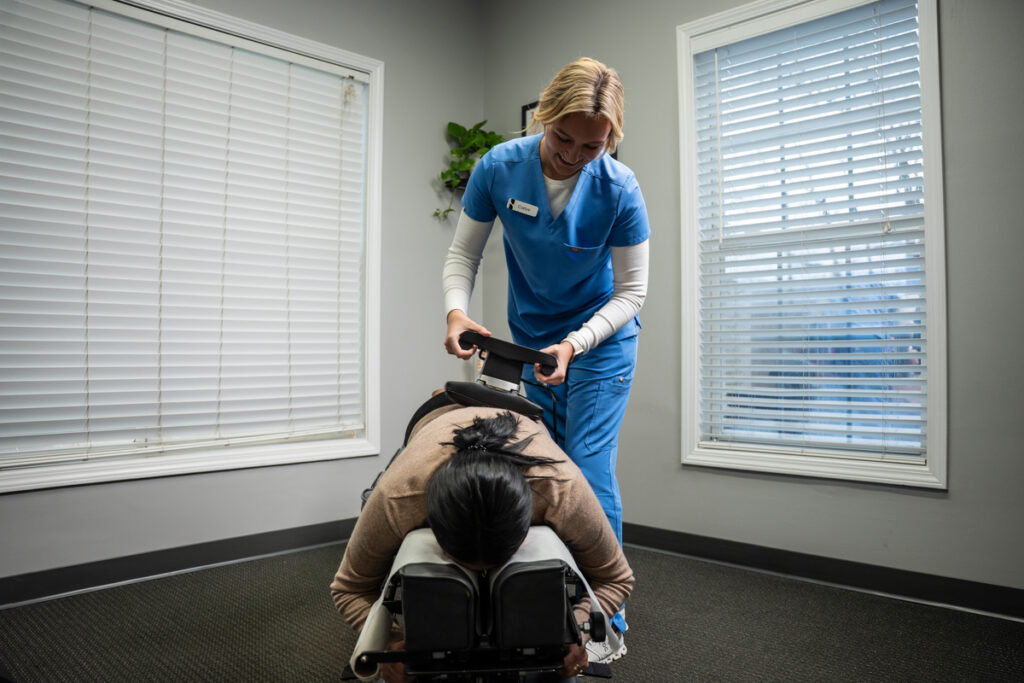
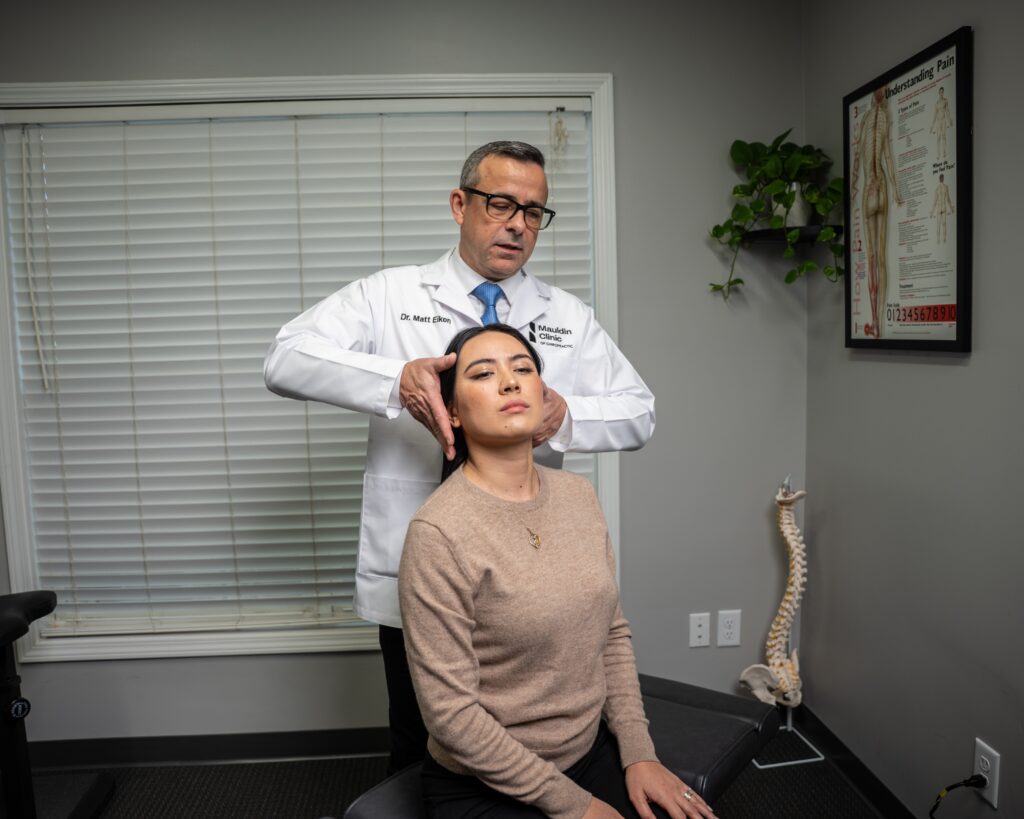
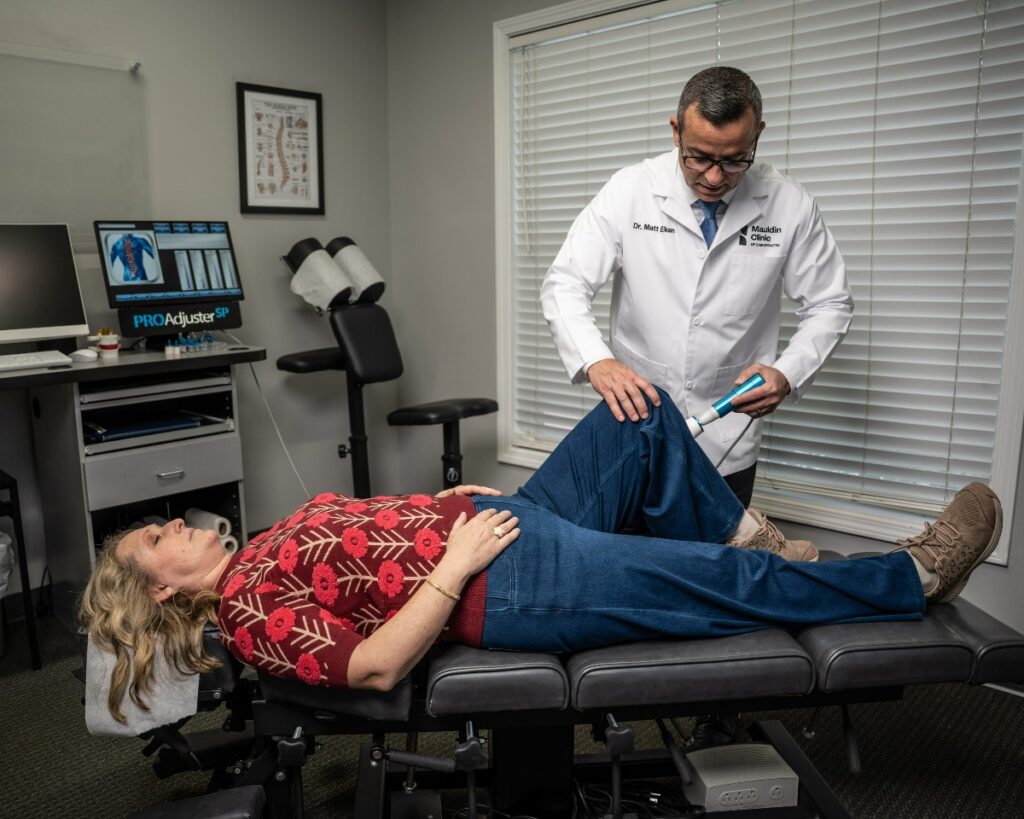
Chiropractic adjustments are designed to realign your spine and improve your body’s function. During your visit, I’ll apply controlled pressure to specific joints, which helps restore proper alignment. This process not only alleviates tension in your muscles but also reduces inflammation, leading to a noticeable decrease in pain.
By correcting misalignments, chiropractic care supports your body’s natural healing abilities. You might find that your mobility improves, making daily activities easier and more enjoyable. Additionally, adjustments can relieve nerve compression, a common source of discomfort that many people experience.
I recommend regular chiropractic visits not just for pain relief but also as a preventive measure. By maintaining proper spinal alignment, we can work together to prevent future issues, enhancing your overall health in the process. This proactive approach promotes better posture and reduces stress on your back.
If you’re currently struggling with back pain or simply want to improve your quality of life, I encourage you to consider chiropractic adjustments. They could be a valuable part of your recovery journey and may just hold the key to a pain-free life.
Let’s work together to help you achieve your health goals!
Benefits of Physical Therapy for Back Pain
When it comes to managing persistent back pain, seeking the expertise of a chiropractor can be transformative for your healing process. Chiropractic care takes a holistic approach to address your unique back concerns.
As a chiropractor, I conduct a thorough assessment of your condition and develop a customized treatment plan aimed at enhancing your mobility and strength. This focused care not only helps alleviate pain but also improves your overall function.
One of the key advantages of chiropractic care is the emphasis on proper body mechanics. By understanding how to move safely during everyday activities, you can significantly reduce the risk of future injuries.
In addition to adjustments, I often utilize manual therapy techniques which can provide immediate relief and help restore proper alignment and function.
With consistent visits, you may experience noticeable improvements in flexibility and stamina. The welcoming environment of our practice fosters motivation and accountability, making it easier for you to stay committed to your recovery.
Targeted Exercises for Strengthening the Back
As a local chiropractor dedicated to your well-being, I want to emphasize the importance of strengthening your back through targeted exercises. Not only can these movements help alleviate pain, but they also play a crucial role in enhancing your overall function and mobility.
By adding specific exercises to your routine, you can improve muscle support and flexibility, which may significantly reduce discomfort. Here are three effective exercises I recommend for you to get started on your journey to better back health:
- Bridges: Begin by lying on your back with your knees bent and feet flat on the floor. Gently lift your hips off the ground, engaging your glutes and lower back muscles. Hold this position for a few seconds before slowly lowering your hips back down. This exercise is excellent for building strength in your lower back.
- Supermans: Lie face down on a comfortable surface with your arms extended in front of you. At the same time, lift your arms and legs off the ground, creating a gentle arch in your back. Hold this position for a few seconds before relaxing. This movement is particularly effective for strengthening the muscles of your lower back.
- Cat-Cow Stretch: Start in a tabletop position on all fours. As you inhale, arch your back and lift your head and tailbone toward the ceiling (this is the “cow” position). Then, as you exhale, round your spine and tuck your chin towards your chest (the “cat” position). This stretch helps to enhance spinal flexibility and relieve tension.
I encourage you to incorporate these exercises into your routine a few times a week. Many of my patients find that consistent practice leads to noticeable improvements in their back health.
Importance of Posture in Managing Back Pain
As a local chiropractor, I want to emphasize how crucial your posture is when it comes to managing back pain, particularly if you find yourself sitting for long periods.
By maintaining a proper sitting position and setting up an ergonomic workspace, you can significantly alleviate the strain on your back.
It’s also beneficial to incorporate daily stretching exercises into your routine, as they not only improve your posture but also foster better spinal health overall.
Correct Sitting Position
As a local chiropractor, I want to emphasize the importance of proper sitting posture for your overall health and well-being. Many people underestimate how much their sitting habits can affect their spine and lead to discomfort or pain.
When you sit correctly, you provide essential support to your spine, helping to prevent unnecessary strain and the risk of injury. Here are some practical tips to help you maintain a healthy sitting posture:
- Ensure your feet are flat on the floor or on a footrest to promote stability.
- Keep your knees aligned at or slightly below hip level, and try to avoid crossing your legs, as this can misalign your hips and spine.
- Sit back in your chair so that your back is supported by the backrest. If your chair lacks proper support, consider using a cushion to help maintain the natural curve of your spine.
Making these simple adjustments can greatly enhance your comfort and reduce the likelihood of back pain throughout your day.
Remember, maintaining a correct sitting position not only alleviates discomfort but also contributes to increased productivity and focus.
Pay attention to your posture; your back will thank you for the support it needs! If you’re interested in learning more about how chiropractic care can help with posture and overall health, don’t hesitate to reach out.
Ergonomic Workspaces
As a local chiropractor, I want to share how creating an ergonomic workspace can significantly improve your posture and help alleviate back pain. One of the first steps you can take is to adjust your chair height so that your feet rest flat on the floor, keeping your knees at a comfortable 90-degree angle. This simple adjustment helps maintain proper alignment in your spine.
Your computer screen should be positioned at eye level to allow your neck to remain aligned and relaxed, reducing strain. It’s important to use a chair that provides adequate support for your lower back, as this promotes a natural curve in your spine, which is crucial for long-term health.
Also, consider the placement of your keyboard and mouse. They should be close enough so that you can use them without having to reach, which can put unnecessary strain on your shoulders and upper back. Keep frequently used items within arm’s reach to avoid twisting your body, which can lead to discomfort and injury.
If you find that your chair is too high, adding a footrest can make a world of difference in your overall comfort.
These small changes can have a significant impact on your posture and back health, helping you feel better and function more effectively throughout your day.
Daily Stretching Exercises
As a local chiropractor, I want to emphasize the importance of daily stretching exercises in managing back pain. Many people may not realize that these simple movements, when paired with good posture, can significantly improve your overall spinal health.
Here are three compelling reasons to incorporate stretching into your daily routine:
- Increased flexibility: By regularly engaging in stretches, you can lengthen tight muscles, which allows for easier and more comfortable movement throughout the day. This is essential for maintaining an active lifestyle without discomfort.
- Improved posture: Stretching not only feels good but also strengthens the muscles that support your spine. This reinforcement helps you to maintain proper alignment, reducing the risk of pain associated with poor posture.
- Reduced tension: Many of us carry stress in our backs and surrounding muscles. Stretching can help alleviate this built-up tension, leading to decreased pain and overall discomfort.
By integrating stretching into your daily routine, you can experience a more relaxed and pain-free back.
I encourage you to consider these benefits and explore how daily stretching can enhance your well-being and complement your chiropractic care.
Ergonomic Solutions for Everyday Comfort
As a local chiropractor, I want to share how prioritizing ergonomic solutions in your daily routine can significantly alleviate back pain and enhance your overall comfort.
One of the first steps is to assess your workspace. Make sure your chair provides adequate support for your lower back, and ensure your feet are flat on the floor. Position your computer screen at eye level to avoid unnecessary neck strain.
Consider investing in a supportive pillow for your chair or using a lumbar roll to help maintain proper posture throughout the day. When lifting objects, remember to bend your knees and keep the load close to your body to prevent straining your back.
At home, look into ergonomic tools such as kitchen gadgets designed to minimize wrist strain or an adjustable bed that promotes better spinal alignment during sleep.
Even when you’re driving, it’s essential to adjust your seat for optimal back support and to maintain a neutral spine.
By making these simple adjustments, you can create a more comfortable environment that encourages better posture and contributes to easing back pain over time.
Complementary Therapies: Acupuncture and Massage
As a local chiropractor, I often see patients seeking relief from back pain through traditional medical treatments. However, I want to introduce you to the benefits of complementary therapies like acupuncture and massage, which can be an excellent addition to your healing journey.
These holistic approaches can work alongside your chiropractic care to promote overall wellness. Here’s how they can assist you:
- Acupuncture: This time-honored technique involves the insertion of fine needles into specific points on your body. By stimulating these points, acupuncture can enhance energy flow and alleviate pain. Many of my patients find that it helps reduce tension and improves their mobility, making it a valuable tool for managing back pain.
- Massage Therapy: Therapeutic massage focuses on relieving muscle tightness and improving circulation, which can significantly reduce discomfort in your back. Regular massage sessions not only help with physical relief but also address stress, a common contributor to pain. Incorporating massage into your routine can enhance the effectiveness of your chiropractic adjustments.
- Mind-Body Connection: Both acupuncture and massage promote relaxation and mindfulness, which can positively impact your overall well-being. By fostering a greater connection between your mind and body, you may find increased resilience against pain and an improved quality of life.
I encourage you to consider integrating these complementary therapies into your wellness plan. Together with chiropractic care, they could be the key to achieving the lasting relief you’re looking for.
Don’t hesitate to reach out if you’d like more information on how these therapies can support your healing process!
Lifestyle Changes to Support Back Health
As a local chiropractor, I want to emphasize the importance of supporting your back health through simple yet effective lifestyle changes. One of the key components is improving your posture.
Whether you’re sitting at a desk, standing, or moving about your day, small adjustments can make a significant difference.
Incorporating regular exercise routines tailored to strengthen your back muscles is also crucial. You don’t need to be an athlete to get started—begin with gentle stretches and gradually build your strength.
By being mindful of your body mechanics and making these adjustments, you can’t only alleviate discomfort but also promote long-term health for your spine.
Posture Improvement Strategies
As a local chiropractor, I want to emphasize the importance of good posture for maintaining a healthy back. Proper posture not only helps distribute your body weight evenly, but it also minimizes strain on your spine, which can prevent discomfort and long-term issues.
Here are some strategies that I recommend to my patients for improving posture and supporting back health:
- Optimize your workstation: Ensure that your chair, desk, and computer monitor are set up at the appropriate heights. This alignment helps maintain a neutral spine position while you work, reducing unnecessary tension on your back.
- Be mindful of your sitting posture: When seated, make sure to sit back in your chair with your feet flat on the ground. Avoid crossing your legs for long periods, as this can lead to imbalances and strain on your spine.
- Cultivate posture awareness: Throughout your day, take moments to check in on your posture, especially when standing or walking. Being mindful of your body alignment can make a significant difference in how you feel.
By incorporating these simple yet effective strategies into your daily routine, you can enhance your posture and promote a stronger, healthier back.
Regular Exercise Routines
As a local chiropractor, I want to emphasize the importance of incorporating regular exercise into your daily routine to maintain a healthy back. Engaging in activities like walking, swimming, or yoga not only helps to strengthen your core muscles but also improves your flexibility and enhances your posture—key components in supporting your spine.
I recommend aiming for at least 30 minutes of moderate exercise most days of the week. It’s essential to focus on low-impact exercises that won’t put unnecessary strain on your back, such as cycling or tai chi. Before starting your workouts, always remember to warm up, and don’t forget to cool down afterward to help prevent injuries.
In addition to aerobic activities, consider integrating strength training into your routine. This will help build muscle support around your spine, providing stability and reducing the risk of pain. Pay attention to your body; if you experience any discomfort, it’s important to modify the exercise or reach out for professional guidance.
When to Seek Professional Help
As a local chiropractor, I want to help you understand when it might be time to seek professional help for your back pain.
It’s crucial to pay attention to what your body is telling you. If your discomfort continues despite trying self-care methods, don’t hesitate to reach out for professional guidance.
Here are some important signs that suggest you should consider chiropractic care:
- Severe Pain: If your back pain is so intense that it hinders your ability to perform everyday tasks, it’s time to seek help.
- Numbness or Weakness: If you’re experiencing tingling, numbness, or weakness in your legs or feet, this could be a sign that nerves are being affected and require attention.
- Persistent Symptoms: When back pain lasts more than a few weeks or if it seems to be worsening, it’s essential to get an evaluation from a healthcare professional.
Addressing back pain early is key to preventing further complications.
As a chiropractor, I can provide a thorough assessment, offer a proper diagnosis, and recommend effective, natural treatment options tailored to your specific needs.
Don’t wait until your discomfort becomes unbearable; your health and well-being are important!
Conclusion
As a local chiropractor, I want to emphasize how incorporating adjustment techniques into your back pain management routine can greatly enhance your comfort and mobility. Understanding the underlying causes of your pain is crucial, and I’m here to help guide you through the benefits of chiropractic care, physical therapy, and specific exercises tailored to your needs.
Chiropractic adjustments can realign your spine and alleviate pressure on nerves, which can lead to significant pain relief. Additionally, I encourage you to explore physical therapy options that can strengthen the muscles supporting your spine, as well as targeted exercises that can improve your overall function.
It’s also essential to maintain good posture throughout your daily activities and make ergonomic choices—this can significantly impact your well-being. If you ever feel overwhelmed or unsure about how to proceed, don’t hesitate to reach out for professional help. Your back deserves the best care possible, and I’m here to support you on your journey to better health and pain relief.