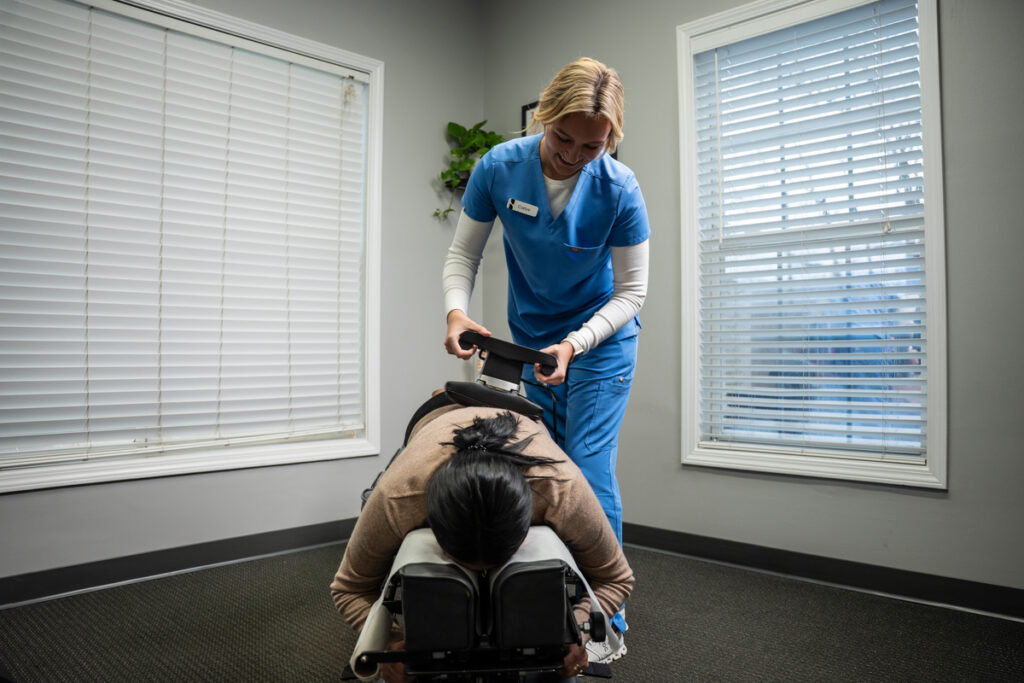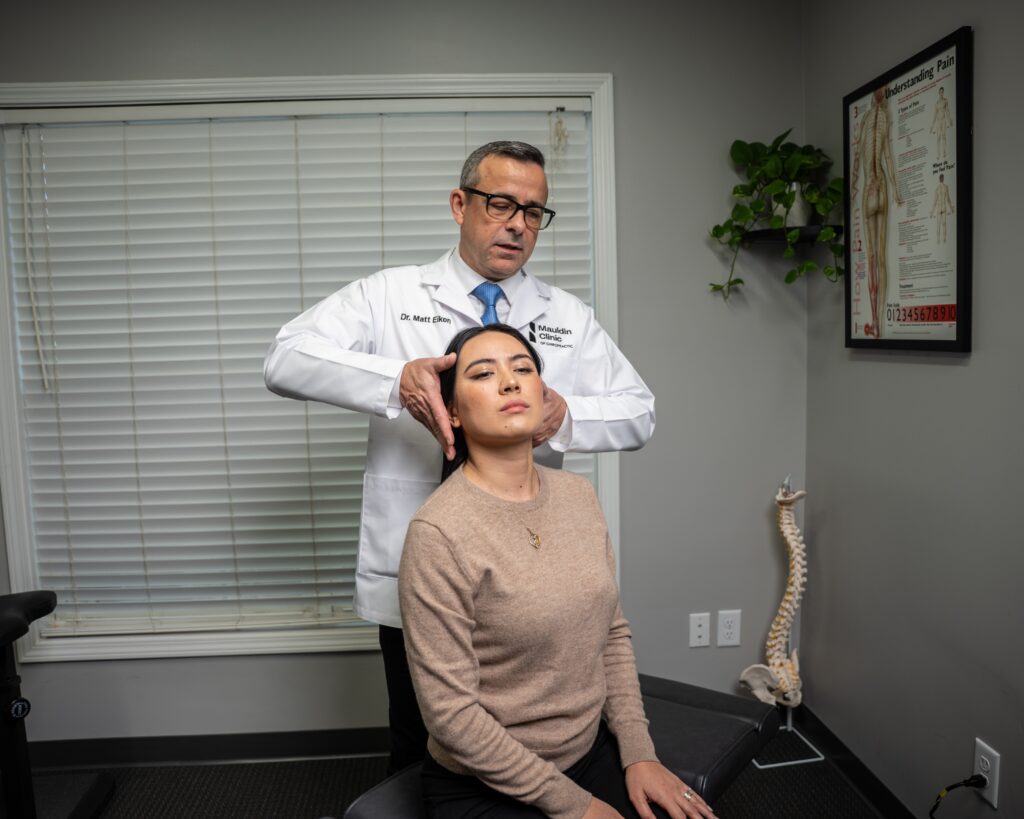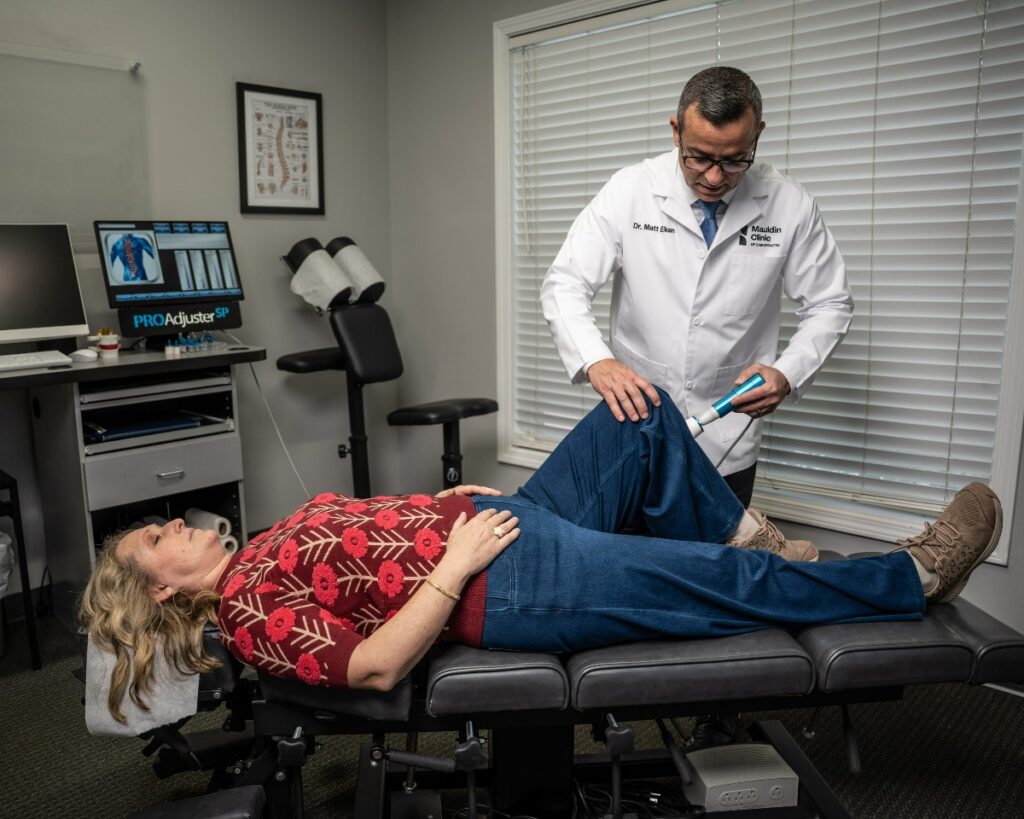

As a local chiropractor, I want to emphasize the importance of flexibility and mobility in your everyday life and athletic performance. Many people are unaware of how simple strategies can significantly improve these aspects of their physical health. It all starts with understanding the difference between dynamic and static stretching, which are essential for preparing your body for movement and recovery.
Imagine being able to unlock your body’s full potential through targeted exercises and proper nutrition. These components work hand-in-hand to enhance your movement capabilities, allowing you to engage in daily activities with greater ease and confidence. By integrating chiropractic care into your wellness routine, you can further support your flexibility and mobility goals. Let’s explore how these practices can work together to help you feel your best and achieve optimal performance.
Understanding Flexibility and Mobility
As a local chiropractor, I want to emphasize the significance of flexibility and mobility in maintaining your overall physical health.
Flexibility refers to the ability of your muscles to stretch and lengthen, while mobility pertains to the range of motion within your joints. Both are vital for performing everyday activities—whether it’s bending down to tie your shoes or reaching up to grab something from a high shelf.
Having good flexibility can enhance your performance in various physical activities and significantly reduce the risk of injuries. On the other hand, mobility ensures that your joints can move freely, which is essential for maintaining proper posture and alignment.
When these aspects are overlooked, you may begin to find even the simplest tasks more challenging and uncomfortable.
To improve your flexibility and mobility, I encourage you to incorporate stretching routines and dynamic movements into your daily life.
These practices not only help you feel more comfortable in your body but also lay the groundwork for a more active and fulfilling lifestyle.
Benefits of Improved Flexibility and Mobility
As a local chiropractor dedicated to your well-being, I want to share the significant benefits of improving your flexibility and mobility. Enhancing these aspects of your physical health can truly transform your everyday life. You’ll experience an increased range of motion, which makes daily activities feel much easier and more comfortable. Simple tasks like bending down to pick something up or reaching for items on a high shelf become safer and more manageable.
One of the key advantages of better flexibility is the reduction in your risk of injury. When your muscles and joints are more adaptable, they can effectively handle the stress that comes with physical activities. This adaptability translates into fewer strains and sprains, allowing you to stay active and maintain a healthy lifestyle.
Moreover, improved flexibility can significantly enhance your posture. When your body is properly aligned, you’ll not only feel more comfortable throughout the day but also experience reduced tension in your back and neck. This alignment is crucial for overall health and can help alleviate discomfort that many people face in their daily routines.
Lastly, I want to emphasize that enhanced flexibility and mobility can positively impact your athletic performance. Whether you enjoy running, swimming, or practicing yoga, these improvements can give you a competitive edge in your favorite activities.
As your chiropractor, I’m here to support you on this journey to better health through natural healing methods that focus on your body’s innate ability to thrive. Let’s work together to unlock your full potential!
Common Factors Affecting Flexibility
As a local chiropractor dedicated to your well-being, I want to help you understand the various factors that can influence your flexibility, which is essential for maintaining an active and pain-free lifestyle.
One of the most significant aspects to consider is your age; as we age, our muscles and tendons naturally tend to lose elasticity, making it more challenging to maintain a full range of motion.
Genetics also plays a crucial role in your flexibility. Some individuals are fortunate to have a naturally greater range of motion due to their genetic makeup.
However, regardless of your starting point, your daily activity level is incredibly important. If you lead a sedentary lifestyle, your muscles may become tight and stiff, impacting your flexibility. Conversely, engaging in regular stretching and mobility exercises can greatly enhance your flexibility over time.
Don’t forget the importance of diet and hydration. Proper nutrition and maintaining adequate hydration levels are vital for supporting muscle function and overall health.
Moreover, any previous injuries can significantly restrict your movement, making it more difficult to achieve optimal flexibility.
By understanding these factors, you can take proactive steps to improve your flexibility. I encourage you to focus on what you can control—commit to consistent practice and consider incorporating chiropractic care into your routine.
Together, we can work towards enhancing your mobility and overall well-being on your journey to better health.
Dynamic vs. Static Stretching: What You Need to Know
As a local chiropractor dedicated to educating my patients about natural healing and overall wellness, I want to share some important insights on the differences between dynamic and static stretching.
Understanding these methods can significantly enhance your flexibility and improve your overall performance in daily activities and exercise.
1. Dynamic Stretching: This type of stretching involves controlled movements that actively engage your muscles and improve your range of motion.
Examples include leg swings and arm circles. It’s particularly beneficial to incorporate dynamic stretching before your workouts, as it warms up your body and prepares your muscles for physical activity, reducing the risk of injury.
2. Static Stretching: In contrast, static stretching involves holding a stretch for an extended period, usually between 15 to 60 seconds.
This practice is effective for increasing flexibility and is best suited for after your workout when your muscles are warm. It helps in relieving tension and promoting relaxation, which is essential for recovery.
3. Timing Matters: As your chiropractor, I recommend utilizing dynamic stretching to enhance your performance and prevent injuries before any physical activity.
Save static stretching for after your workout; this approach aids in recovery and helps your muscles to relax properly.
By integrating these stretching techniques into your routine, you can support your body’s natural healing processes and improve your overall well-being.
If you have any questions about how to properly incorporate these stretches or how they relate to your chiropractic care, feel free to reach out!
Essential Exercises for Enhancing Flexibility
As a chiropractor dedicated to your overall wellness, I want to emphasize that flexibility goes beyond simple stretching. By incorporating specific exercises into your routine, you can significantly enhance your range of motion, which is crucial for overall health and injury prevention.
Start with dynamic lunges; these are excellent for stretching your hip flexors while simultaneously strengthening your legs. Adding inchworms to your regimen is also beneficial, as they promote flexibility and core stability, which are essential in maintaining proper posture and balance.
Yoga poses, such as downward dog and pigeon pose, are fantastic for lengthening various muscle groups. They not only improve your flexibility but also enhance your balance, which is vital for daily activities.
Additionally, don’t overlook your shoulders—performing wall angels can greatly enhance upper body flexibility, helping to alleviate tension and improve your posture.
Furthermore, resistance band stretches are a valuable tool for targeting specific muscle groups. They allow you to control the intensity of your stretches, making them a safe option for everyone. By integrating these exercises into your routine, you’ll likely experience significant improvements in your flexibility and overall mobility.
Remember, consistency is essential. I recommend aiming for a few sessions each week to truly reap the benefits.
As you embark on this journey toward better flexibility, consider how these exercises can complement your chiropractic care, promoting a holistic approach to your health and well-being.
Incorporating Mobility Work Into Your Routine
As a local chiropractor dedicated to promoting natural healing and overall wellness, I want to emphasize the importance of incorporating mobility work into your daily routine. Enhancing your flexibility not only improves your physical performance but also significantly increases your comfort levels.
Mobility exercises, which focus on the movement of joints, play a crucial role in preventing injuries and expanding your range of motion. Here are three effective strategies to integrate mobility work into your weekly schedule:
- Dynamic Warm-Ups: Always begin your workouts with dynamic stretches, such as leg swings and arm circles. These movements prepare your body for activity and help increase blood flow to the muscles, setting a strong foundation for your exercise session.
- Mobility Drills: During your workouts, consider adding specific mobility drills, such as hip openers or thoracic spine rotations. These exercises can be seamlessly incorporated during breaks or as part of your cool-down routine, enhancing joint function and flexibility.
- Restorative Sessions: I recommend dedicating one day each week to focused mobility work. Utilize methods like foam rolling or yoga to improve your flexibility and aid in recovery. This practice not only promotes relaxation but also supports the body’s natural healing processes.
By integrating these mobility practices into your routine, you can experience improved physical health and well-being.
If you have any questions or need guidance on how to get started, feel free to reach out during your next visit!
Tips for Staying Consistent With Your Flexibility Training
As your local chiropractor, I want to emphasize the importance of consistency in your flexibility training for overall well-being.
Begin by establishing clear goals that resonate with your personal health journey—this will help keep you motivated. It’s essential to schedule regular flexibility sessions, making it a key part of your routine.
Tracking your progress is another vital step; it allows you to see the improvements over time and reinforces your commitment to natural healing and chiropractic care.
By following these strategies, not only will you enhance your flexibility, but you’ll also support your body’s natural alignment and function.
Let’s work together to make flexibility a priority in your health journey!
Set Clear Goals
As a local chiropractor, I want to emphasize the importance of setting clear goals for your flexibility training. This practice not only aids in your overall wellness but also helps you stay committed to your journey toward better health.
Having specific targets can make a significant difference in your motivation and progress tracking. Here are three tips to guide you in setting effective goals:
- Be Specific: Instead of a vague desire to “be more flexible,” try setting a concrete goal like, “I want to touch my toes within six weeks.” This clarity can enhance your focus during your sessions.
- Make It Measurable: Establish a timeframe for your goals to keep you accountable. For instance, if you aim to improve your split by two inches over the next month, you’ll have a clear marker to assess your progress.
- Stay Realistic: It’s crucial to ensure that your goals align with your current flexibility level. Setting achievable targets helps maintain your motivation and reduces the risk of frustration, allowing you to appreciate the improvements you make along the way.
By integrating these goal-setting strategies into your routine, you can enhance not only your flexibility but also your overall well-being.
Schedule Regular Sessions
Achieving your flexibility goals is an important aspect of overall health, and as your chiropractor, I want to emphasize the significance of scheduling regular sessions dedicated to this endeavor.
To maintain consistency in your flexibility training, it’s beneficial to set aside specific times each week for stretching exercises. Consider these sessions as vital appointments for your well-being—make it a priority not to skip them!
Instead of opting for infrequent, lengthy workouts, aim for shorter, more frequent sessions. This approach keeps your muscles engaged and helps prevent stiffness, which is crucial for maintaining a healthy range of motion.
Whether you find morning stretches invigorating or prefer to wind down with evening routines, discover what suits you best and commit to it.
Additionally, think about integrating flexibility sessions into your existing workout routine to foster a well-rounded approach to your health.
Remember, it’s essential to listen to your body; if you feel you need extra recovery time, don’t hesitate to adjust your schedule.
Consistency is vital in achieving the flexibility and overall wellness you desire, and I’m here to support you on that journey!
Track Your Progress
Tracking your progress in flexibility is an essential part of your healing journey, and it can significantly enhance your motivation. As your local chiropractor, I want to emphasize how monitoring your progress can help you understand which techniques are most effective for your body.
By keeping a detailed record, you’ll not only notice improvements but also remain dedicated to your wellness goals. Here are three effective ways to track your flexibility progress:
- Take Measurements: Regularly assess your range of motion in key areas such as your hamstrings and shoulders. By documenting these measurements, you’ll be able to visualize your improvements and better understand your body’s capabilities.
- Maintain a Training Journal: Keep a log of your routines, including the specific stretches and the durations you perform them. This practice allows you to identify patterns in your flexibility training and make necessary adjustments to optimize your results.
- Use Photos or Videos: Consider capturing your flexibility poses over time. Comparing these visual records can serve as a powerful motivator, showing you just how much progress you’ve made on your journey to better health.
The Role of Nutrition in Flexibility and Mobility
As a local chiropractor, I want to emphasize the vital role that nutrition plays in enhancing your flexibility and mobility. Many people are unaware that the foods we consume directly impact our muscle function and overall movement.
By focusing on key nutrients and ensuring proper hydration, you can significantly improve your body’s performance and resilience.
Incorporating anti-inflammatory foods into your diet is particularly important. These foods can help reduce discomfort, allowing you to move more freely and with less pain.
By understanding how nutrition supports your body, you can take proactive steps towards better health and improved range of motion.
Key Nutrients for Mobility
As a local chiropractor, I want to share some valuable insights on how certain nutrients can significantly enhance your flexibility and mobility.
These nutrients play a vital role in supporting muscle function, joint health, and overall body performance, which are crucial for maintaining an active lifestyle. Here are three key nutrients you should consider incorporating into your diet:
1. Omega-3 Fatty Acids: These beneficial fats, found in foods like fish, flaxseeds, and walnuts, are known for their anti-inflammatory properties.
By reducing inflammation, omega-3s can help improve joint mobility, making it easier for you to move freely.
2. Vitamin D: This essential vitamin is crucial for calcium absorption and plays a significant role in maintaining strong bones.
You can boost your vitamin D levels through sunlight exposure, fortified foods, and fatty fish. Adequate vitamin D is vital for preventing musculoskeletal issues that can affect your mobility.
3. Magnesium: This important mineral aids in muscle relaxation and flexibility.
By including sources such as leafy greens, nuts, and whole grains in your diet, you’ll support your body’s ability to stay limber and responsive.
By focusing on these key nutrients, you can enhance your flexibility and mobility, contributing to your overall health and well-being.
As a chiropractor, I encourage you to think about how your diet can complement your chiropractic care and natural healing journey.
Hydration and Muscle Function
As a local chiropractor, I want to emphasize the importance of hydration for your overall muscle function and flexibility. While you may often hear about vitamins and minerals, it’s crucial to understand that staying hydrated plays a vital role in how your muscles perform.
When your muscles are properly hydrated, they can contract and relax more efficiently, which leads to smoother movements and improved flexibility.
On the flip side, dehydration can lead to muscle cramps and stiffness, making it more difficult for you to move freely. It’s essential to drink water consistently throughout the day, particularly before and after your workouts.
Additionally, if you find yourself sweating a lot, consider incorporating electrolyte-rich beverages. These drinks help maintain the balance of electrolytes in your body, which is important for effective muscle contractions.
Remember, proper hydration not only enhances your performance but also supports recovery, allowing your muscles to recuperate more quickly.
By prioritizing your hydration, you can significantly improve your flexibility and mobility in every movement you make, which is a key aspect of maintaining overall health and wellness.
Anti-Inflammatory Foods Benefits
As a local chiropractor, I want to share how incorporating anti-inflammatory foods into your diet can significantly benefit your flexibility and mobility.
These foods not only help to reduce inflammation in your body but also support muscle recovery and promote joint health, which is essential for maintaining an active lifestyle.
By choosing the right nutrients, you may experience improved performance during workouts and daily activities.
Here are three key anti-inflammatory foods you should consider adding to your meals:
- Fatty Fish: These are an excellent source of omega-3 fatty acids, which have been shown to lower inflammation and support healthy joints. Incorporating fatty fish like salmon or mackerel into your diet can be very beneficial.
- Berries: Berries aren’t just delicious; they’re packed with antioxidants that combat oxidative stress in your body. This can help alleviate muscle soreness and promote quicker recovery after physical activity.
- Leafy Greens: Vegetables such as spinach and kale are rich in vitamins and minerals that contribute to your overall health. These nutrient-dense foods can also aid in recovery, making them a vital part of any diet focused on wellness.
Utilizing Foam Rolling and Massage Techniques
As a local chiropractor, I want to share with you the importance of foam rolling and massage techniques in enhancing your flexibility and mobility, particularly after those challenging workouts.
Foam rolling is a fantastic tool that allows you to target tight muscles and release built-up tension. By using a foam roller, you can promote better blood flow and facilitate recovery, which is essential for your overall health.
When you begin foam rolling, I recommend starting with slow, controlled movements. Focus on any sore areas for about 30 seconds to really help release tightness. This practice can make a significant difference in how your body feels and functions.
In addition to foam rolling, incorporating massage techniques—whether you’re self-massaging or seeking professional massage therapy—can greatly enhance your flexibility. Use your hands or a massage ball to apply pressure to specific trigger points, which can help break up muscle knots and improve elasticity.
Remember to breathe deeply during your sessions; this not only helps relax your muscles but also maximizes the benefits of the techniques you’re using.
I suggest aiming to foam roll and massage at least twice a week, or after intense workouts, to keep your muscles supple and prepared for movement.
By integrating these practices into your routine, you can significantly improve your flexibility and mobility, which are vital components of your overall wellness.
As your chiropractor, I encourage you to explore these natural healing methods to support your body’s health and function.
Tracking Progress and Setting Goals for Improvement
As a local chiropractor dedicated to your health and well-being, I want to emphasize the importance of tracking your progress and setting clear goals to enhance your flexibility and mobility.
By monitoring your advancements, you can better understand what methods work for you and where adjustments may be beneficial. Establishing specific and achievable goals will keep you inspired and focused on your healing journey.
Here are three steps to assist you in effectively tracking your progress:
- Assess Your Range of Motion: Regularly evaluate your flexibility by measuring your progress in various stretches or mobility exercises. Keeping a record of these measurements will help you visualize the improvements you’re making.
- Maintain a Health Journal: Document your workouts, stretches, and any observations regarding how your body feels. This practice will enable you to identify patterns and recognize areas that may require more focus.
- Set SMART Goals: Formulate goals that are Specific, Measurable, Achievable, Relevant, and Time-bound. For example, you might aim to touch your toes within three months or improve your hip mobility by a certain percentage.
Conclusion
As a local chiropractor, I want to emphasize the importance of improving your flexibility and mobility for your overall health and well-being. Incorporating both dynamic and static stretching, along with targeted exercises, can significantly enhance your physical performance while also reducing the risk of injuries. It’s essential to practice these techniques consistently, making them a regular part of your routine.
In addition to stretching and exercises, I recommend incorporating foam rolling and massage techniques to aid in recovery and muscle relaxation. Setting specific flexibility and mobility goals can help you stay motivated, and tracking your progress will allow you to see the improvements over time. Remember, with dedication and the right approach, you can achieve a more mobile and flexible body, leading to a healthier lifestyle. If you have any questions about how chiropractic care can support your journey, I’m here to help!