
When it comes to enhancing your athletic recovery, chiropractic care can make a significant difference. You might not realize how much a tailored recovery plan, especially one that includes spinal health, can impact your overall performance. From proper nutrition to gentle adjustments, every aspect plays a vital role in your recovery journey.
Chiropractic care focuses on keeping your spine aligned, which is essential for optimal function. A well-aligned spine helps your body communicate effectively, reduces pain, and promotes natural healing. Regular adjustments can help alleviate tension, improve circulation, and enhance your body’s ability to recover after physical activity.
So, what specific strategies should you consider for ideal results? Here are some tips to harness expert chiropractic advice effectively:
- Schedule Regular Adjustments: Consistent chiropractic care can help maintain spinal alignment and prevent injuries, keeping you on track during your training.
- Incorporate Stretching and Mobility Exercises: Work with your chiropractor to develop a routine that includes gentle stretches and exercises tailored to your needs.
- Focus on Nutrition: A well-balanced diet supports recovery. Discuss nutritional strategies with your chiropractor, as they can provide insights into how specific foods can enhance your healing process.
- Stay Hydrated: Drinking plenty of water is crucial for recovery. It helps flush out toxins and keeps your muscles functioning optimally.
- Listen to Your Body: Pay attention to how your body feels during recovery. If something doesn’t feel right, consult your chiropractor for guidance.
By integrating these strategies into your routine, you can elevate your performance and recovery. Remember, chiropractic care is a natural, effective way to achieve optimal health and wellness, ensuring that your body is functioning at its best.
Understanding the Importance of Recovery in Athletic Performance
When you push your body to its limits during training or competition, recovery isn’t just a luxury; it’s essential for achieving optimal health and peak performance. Neglecting recovery can lead to fatigue, injury, and burnout, ultimately hindering your progress.
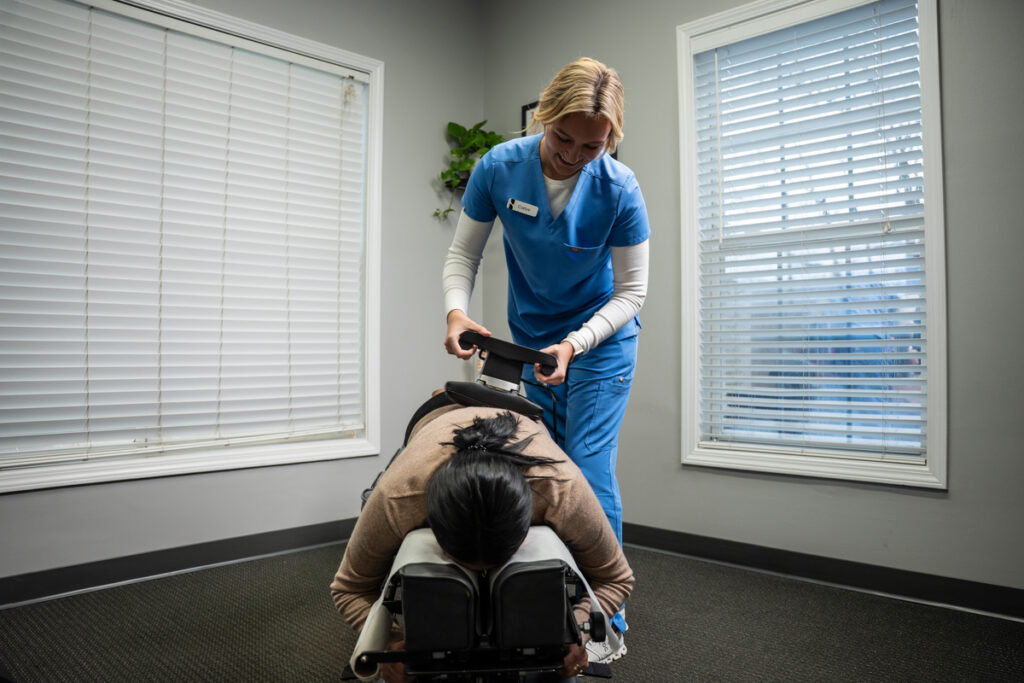
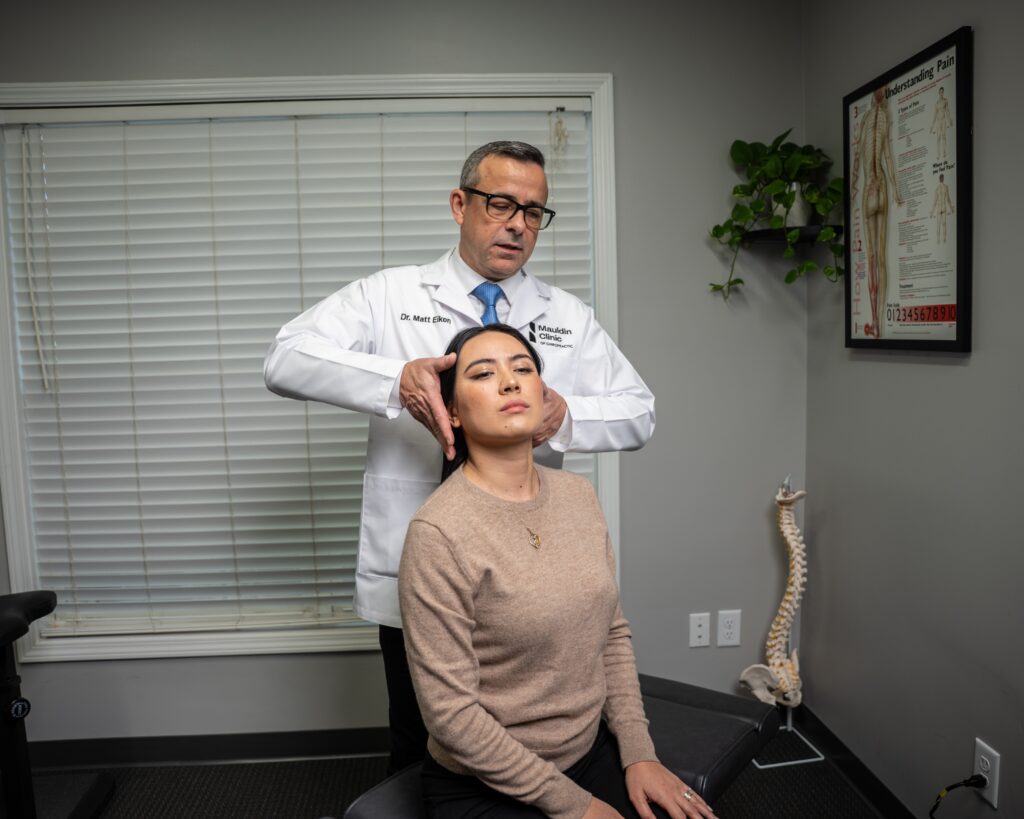
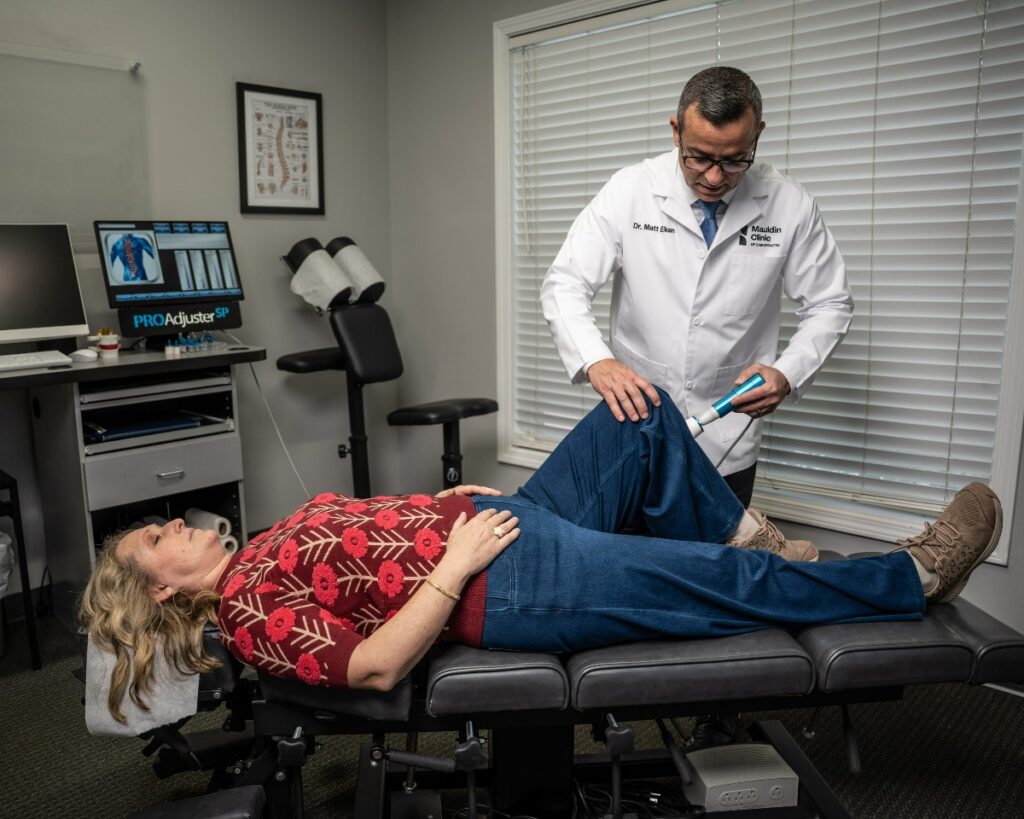
It’s important to give your muscles time to repair and rebuild, allowing you to come back stronger and more resilient. One of the best ways to support your recovery is through chiropractic care. Regular chiropractic adjustments can help align your spine, improve your posture, and enhance your overall mobility.
This not only reduces stiffness and discomfort but also promotes better blood flow, which is crucial for muscle recovery. Incorporating light exercise and stretching into your routine can also be beneficial. Gentle movements can help stimulate circulation and ease tension in your muscles.
Additionally, make sure to schedule rest days; your body needs time to rejuvenate. Don’t forget about mental recovery, as it plays a key role in maintaining focus and motivation. Taking time to relax and unwind can improve your overall mindset, making you more effective during training and competition.
Remember, recovery isn’t just about resting; it’s a vital part of your athletic journey that can greatly enhance your performance and longevity in your sport. By prioritizing chiropractic care, you’re choosing a natural and effective way to support your recovery and overall well-being.
Keep these tips in mind to help you stay on track and feel your best!
The Role of Nutrition in Enhancing Recovery
When it comes to recovery, nutrition is a crucial element that shouldn’t be overlooked, especially for those who are seeking to enhance their overall wellness and alleviate pain. As a chiropractor, I understand that the path to optimal health involves multiple facets, and nutrition is one of them. By timing your nutrient intake, staying well-hydrated, and balancing your macronutrients, you can significantly improve your recovery process and overall health.
First, let’s talk about timing. Consuming the right nutrients after physical activity can help your body repair itself more effectively. This means eating a balanced meal or snack that includes protein and carbohydrates within a couple of hours post-exercise. This won’t only aid in muscle recovery but also support your spinal health, as strong muscles help stabilize your spine.
Hydration is another key factor. Staying hydrated allows your body to function optimally, helping to flush out toxins and reduce inflammation. Aim to drink plenty of water throughout the day, and consider adding electrolytes if you’ve been sweating a lot. This simple habit can make a big difference in how your body feels and functions.
Balancing your macronutrients—proteins, fats, and carbohydrates—is essential for recovery as well. Each macronutrient plays a role in healing and energy. For example, protein is vital for muscle repair, while healthy fats can reduce inflammation. Incorporating a variety of whole foods like fruits, vegetables, lean meats, and whole grains will ensure that you’re getting the nutrients your body needs for recovery.
Remember, chiropractic care also plays a significant role in your recovery journey. By addressing spinal misalignments and ensuring that your nervous system is functioning optimally, chiropractic adjustments can enhance your body’s ability to heal naturally. This holistic approach to health complements your nutrition efforts and can lead to better outcomes.
In summary, optimizing your diet is a powerful tool in your recovery arsenal. Pairing good nutrition with chiropractic care can help you achieve a healthier, pain-free life.
Essential Nutrient Timing
To optimize recovery after intense workouts, understanding essential nutrient timing is crucial—not just for your muscles, but for your overall health and wellness. It’s not only about what you eat but also when you eat it that can make a significant difference in how you feel and perform.
Aim to consume a balanced mix of carbohydrates and protein within 30 to 60 minutes after exercising. This critical window helps replenish your body’s energy stores and aids in muscle repair. Carbohydrates are essential for restoring energy levels, while protein provides the building blocks your muscles need to recover properly.
Additionally, spacing out your meals throughout the day ensures that your body receives a steady supply of nutrients, which supports ongoing recovery and can also contribute to better spinal health. Remember, your spine is vital for overall body function, and taking care of it through proper nutrition and chiropractic care can lead to improved performance and well-being.
Don’t overlook the importance of pre-workout nutrition! Properly fueling your body before exercise can enhance your performance and lay the groundwork for a more effective recovery afterward.
Staying mindful of your nutrient timing, along with regular chiropractic adjustments, can significantly impact your overall recovery process and keep your body functioning optimally.
As you focus on your nutrition and incorporate chiropractic care into your routine, you’re taking proactive steps toward achieving and maintaining your health. With the right approach, you can experience natural pain relief and enhance your overall wellness.
Hydration’s Impact on Recovery
While many people think of solid foods when it comes to recovery after a workout, it’s crucial to remember that hydration is just as important for your body’s healing process. Staying well-hydrated helps regulate your body temperature, supports muscle function, and aids in transporting nutrients throughout your system.
When you exercise, you lose fluids through sweat, and if you don’t replenish those lost fluids, it can lead to fatigue, cramping, and delayed recovery. Drinking water or electrolyte-rich beverages after your workouts can help restore those essential fluids and minerals, allowing you to recover more effectively.
To optimize your recovery, make it a habit to hydrate before, during, and after your exercise sessions. Even a little dehydration can affect your performance and recovery, so pay attention to your body’s signals. Keeping a water bottle handy can serve as a reminder to stay hydrated.
Moreover, incorporating chiropractic care into your wellness routine can further enhance your recovery. Regular chiropractic adjustments not only help alleviate pain and discomfort but also improve your body’s overall function, ensuring that your muscles and joints are aligned and working harmoniously.
Macronutrient Balance Importance
While staying hydrated is crucial for your overall health, we should also consider the important role that macronutrients play in your recovery process. When it comes to bouncing back after a workout, it’s all about finding the right balance of carbohydrates, proteins, and fats.
Carbohydrates help replenish your energy stores, which is essential for feeling energized and ready for your next activity. Proteins are key for repairing muscle tissue and supporting growth, while healthy fats contribute to cellular function and can help reduce inflammation.
For a tasty and nutritious recovery meal, consider options that combine these macronutrients. For example, a protein shake with a banana or a chicken salad with avocado can do wonders for your body. Timing is also important; try to enjoy this meal within 30 to 60 minutes after exercising to maximize its benefits.
Remember, prioritizing a balanced intake of these macronutrients can enhance your recovery, minimize soreness, and prepare you for better performance in future workouts.
Additionally, coupling good nutrition with regular chiropractic care can further support your body’s healing processes and overall wellness. Chiropractic adjustments can help ensure that your spine is aligned, allowing your nervous system to function optimally as you recover.
This holistic approach not only aids in pain relief but also promotes a healthier lifestyle, so you can feel your best every day.
Tailored Recovery Plans: What to Consider
Creating a tailored recovery plan is essential for achieving optimal health, and as a chiropractor, I believe it’s important to consider your unique needs and goals.
Start by assessing your individual situation, which includes evaluating your nutrition and hydration strategies. Proper nutrition and hydration are vital in supporting your body’s natural healing processes.
In addition to nutrition, consider incorporating recovery tools that resonate with you. For example, gentle stretches and exercises can help maintain spinal health and improve flexibility, which is crucial for recovery. Chiropractic care is also an excellent way to facilitate healing by ensuring your spine is properly aligned, allowing your body to function at its best.
Remember, recovery is a personal journey. Focus on incorporating practices that promote relaxation and stress relief, such as mindfulness or gentle yoga, which can complement the benefits of chiropractic adjustments.
By prioritizing these key areas, you can enhance your recovery process naturally and effectively.
Ultimately, chiropractic care stands out as a holistic approach to pain relief and wellness. If you’re looking to support your body’s recovery in the most natural way, consider scheduling a visit to your local chiropractor who can guide you on the path to optimal health.
Individualized Assessment Techniques
To create an effective recovery plan, it’s crucial to consider your individual needs and circumstances, particularly when it comes to your spinal health.
Start by evaluating your physical condition, noting any injuries or chronic issues related to your spine. Think about how often and intensely you train, as these factors can directly affect your recovery time.
Don’t overlook the importance of sleep patterns and stress levels, as both significantly impact your overall recovery and well-being. Your age, gender, and fitness level also play a role in how your body heals. Gathering this information is key to developing a personalized recovery plan that addresses your unique situation.
Chiropractic care can be a vital component of this plan. Regular adjustments can help alleviate pain, improve mobility, and support your body’s natural healing processes. Incorporating chiropractic care into your recovery strategy can ensure you’re on the right path to optimal health.
Here are some general tips to enhance your recovery:
- Stay hydrated: Water helps your body function properly and aids in the healing process.
- Practice good posture: This can relieve strain on your spine and help prevent injuries.
- Incorporate gentle stretching: This promotes flexibility and reduces muscle tension.
- Get adequate sleep: Quality rest is essential for recovery and overall health.
Don’t hesitate to consult with a chiropractor who can guide you in this evaluation, ensuring you implement the most effective strategies for recovery tailored just for you.
Nutrition and Hydration Strategies
Nutrition plays a crucial role in your recovery process, greatly influencing how quickly and effectively your body heals. To support your recovery, focus on incorporating nutrient-dense foods that aid in muscle repair and replenish your energy. Lean proteins, complex carbohydrates, and healthy fats should be staples in your meals.
Staying hydrated is equally important; drinking enough water helps transport nutrients throughout your body and can also reduce feelings of fatigue. Remember to consider the timing of your nutrition as well—aim to consume a balanced meal or snack within 30 minutes after exercising to boost your recovery process.
As a chiropractor, I believe in the power of natural healing. It’s essential to listen to your body’s unique needs based on the intensity of your workouts and your personal dietary preferences. By tailoring your nutrition and hydration strategies, you can lay a strong foundation for recovery and overall wellness.
Additionally, chiropractic care can play a vital role in your journey to optimal health. Regular chiropractic adjustments help align your spine, improve your body’s function, and alleviate pain.
This holistic approach complements your nutrition efforts and contributes to a healthier lifestyle. By focusing on both your nutrition and spinal health, you can enhance your recovery and overall athletic performance naturally.
Recovery Modalities and Tools
As a local chiropractor, I understand that every athlete’s recovery needs are unique, and that’s why it’s important to incorporate a variety of recovery modalities and tools to tailor a plan that best fits your individual requirements.
Start by evaluating your specific sport, training intensity, and personal goals to identify what’ll work best for you.
One of the most effective ways to alleviate muscle tension and promote recovery is through chiropractic care. Regular chiropractic adjustments can help realign your spine, improve your range of motion, and reduce pain, ensuring your body is functioning optimally.
In addition to chiropractic care, consider adding modalities like foam rolling and dynamic stretching to your routine. These techniques can help release muscle tightness and improve flexibility, which is crucial for performance.
Using tools such as compression garments can also support recovery by enhancing blood circulation and reducing swelling. While ice baths and infrared saunas may offer benefits, remember that chiropractic care addresses the root of the problem by focusing on spinal health and overall wellness.
Don’t overlook the importance of mental recovery techniques, such as meditation and deep breathing exercises, to help reduce stress and promote a sense of calm. Stress management is an essential part of any recovery plan, and chiropractic adjustments can also help alleviate stress by restoring balance within the nervous system.
As you monitor your progress, be sure to adapt your recovery plan based on what works best for you.
By incorporating chiropractic care into your recovery strategy alongside these other elements, you’ll pave the way for optimal performance and health, allowing you to reach your goals more effectively.
The Benefits of Professional Physical Therapy
When athletes push their bodies to the limit, chiropractic care can be a vital part of their recovery and overall wellness. By collaborating with a skilled chiropractor, you can enjoy numerous benefits that enhance your performance and health.
Here are three key advantages of choosing chiropractic care:
- Injury Prevention: Chiropractors assess your spinal alignment and movement patterns, which can help identify potential issues before they lead to injuries. By correcting misalignments and improving your posture, you can reduce the risk of injury and keep performing at your best.
- Personalized Recovery Plans: If you do experience discomfort or an injury, a chiropractor will develop a tailored treatment plan designed specifically for your needs. This plan may include spinal adjustments, exercises, and lifestyle advice to support faster healing and restore your body’s natural function.
- Improved Mobility and Performance: Chiropractic care focuses on enhancing your flexibility and strength through spinal adjustments and targeted exercises. This not only helps in regaining full range of motion but also boosts your athletic performance, allowing you to excel in your sport.
In addition to these benefits, here are some general tips for maintaining your health and wellness:
- Stay Active: Regular physical activity keeps your muscles strong and supports spinal health.
- Practice Good Posture: Whether you’re sitting, standing, or exercising, maintaining proper posture can prevent strain on your spine.
- Listen to Your Body: If you feel discomfort or pain, don’t ignore it. Seek chiropractic care to address the issue before it worsens.
Incorporating Active Recovery Techniques
Active recovery techniques can be a game-changer for athletes and anyone looking to improve their overall wellness. These methods not only help reduce muscle soreness but also support your body’s natural healing processes, which is essential for optimal health.
Incorporating gentle activities such as light jogging, swimming, or cycling into your routine can stimulate blood flow without putting excessive strain on your body.
Listening to your body is key; if you find yourself feeling fatigued, consider gentle movements like yoga or stretching. These activities not only promote relaxation but also help maintain spinal alignment and flexibility, which are crucial components of chiropractic care.
Additionally, integrating foam rolling or dynamic stretching after your workouts can further release tension in your muscles and enhance your flexibility, supporting your spine’s health. Aim for 20 to 30 minutes of active recovery a few times a week, particularly after intense training sessions. The goal is to aid your recovery, not wear yourself out further.
By incorporating these active recovery techniques into your routine, you’ll not only bounce back quicker but also enhance your overall performance in your next workout or competition.
The Impact of Sleep on Recovery
The Importance of Sleep in Recovery and Overall Wellness
As a chiropractor, I want to emphasize that recovery isn’t solely about the exercises you perform; sleep plays a crucial role in how your body heals and rebuilds itself after physical activity. Insufficient sleep can hinder your recovery process, which may impact your performance, mood, and overall well-being.
Let’s explore how sleep can support your recovery and why it’s vital for your health.
- Muscle Repair: When you enter deep sleep, your body releases growth hormone, which is essential for repairing and building muscle tissue. This natural process helps you bounce back stronger after workouts.
- Inflammation Reduction: Quality sleep reduces inflammation in your body. Lower inflammation levels enable your body to recover more effectively from the strains of intense training, helping to alleviate discomfort and soreness.
- Mental Recovery: A good night’s sleep boosts your cognitive function and mood. When you’re well-rested, you’re better able to maintain focus and motivation, making it easier to stick to your wellness routine.
Prioritizing sleep isn’t just a luxury; it’s a vital component of your overall health and wellness journey. Aim for 7-9 hours of restorative sleep each night to enhance your recovery and performance.
Remember, your body needs that downtime to rejuvenate and come back stronger.
In addition to focusing on sleep, consider incorporating chiropractic care into your wellness routine. Chiropractic adjustments can help align your spine, reduce pain, and improve your body’s natural healing abilities. By addressing any misalignments, you can enhance your overall recovery process and support your body’s needs.
Here are some simple tips to improve your sleep quality and recovery:
- Establish a regular sleep schedule by going to bed and waking up at the same time each day.
- Create a relaxing bedtime routine to signal your body that it’s time to wind down.
- Keep your sleeping environment dark, quiet, and cool to promote restful sleep.
- Limit screen time before bed to reduce exposure to blue light, which can interfere with your sleep cycle.
Utilizing Recovery Technology and Tools
As you work towards optimizing your recovery, it’s essential to remember that chiropractic care can play a pivotal role in your overall health and wellness. By focusing on spinal health and proper alignment, chiropractic adjustments can enhance your body’s natural ability to heal. Incorporating recovery tools and techniques, alongside regular chiropractic visits, can significantly support your recovery journey.
While wearable devices, like fitness trackers, can help you monitor your heart rate and activity levels, understanding how to align your spine properly can further improve your body’s performance and recovery. Simple practices like maintaining good posture, stretching, and staying hydrated are key to preventing injuries and promoting healing.
You might also find benefits from using specialized recovery tools, such as foam rollers and massage guns. These can help relieve muscle tension and improve circulation, but remember that they work best when your spine is properly aligned. Compression garments can also support your recovery by promoting blood flow, which is crucial for healing.
Consider incorporating gentle movements and stretches into your routine, guided by a chiropractic professional, who can tailor these to your specific needs. Cold therapy, such as ice packs, can help reduce inflammation after physical activity, but always consult with your chiropractor to ensure you’re using the right methods for your body.
The Importance of Hydration in Recovery
Staying hydrated is crucial for your recovery process, as it impacts everything from muscle repair to energy levels.
As a chiropractor, I often emphasize that maintaining proper hydration can significantly support your overall wellness and enhance your body’s natural healing abilities.
It’s important to listen to your body and drink water consistently throughout the day, especially after physical activity.
Remember, hydration isn’t just about water; electrolytes also play a vital role in rehydration. Including foods like bananas, spinach, and avocados in your diet can help maintain that essential balance.
By ensuring you’re well-hydrated, you support your body’s natural healing processes, which can complement the benefits of chiropractic care.
This holistic approach not only helps with pain relief but also promotes overall health.
Hydration’s Role in Recovery
Hydration is a vital part of your recovery process, especially for those who lead an active lifestyle. As a chiropractor, I want to emphasize how staying well-hydrated can enhance your body’s ability to heal naturally and maintain optimal health.
When you engage in physical activity, your body loses water and important electrolytes through sweat. These electrolytes are crucial for muscle function and overall well-being.
Here are three important ways hydration supports your recovery:
- Reduces Muscle Discomfort: Drinking enough fluids helps to flush out toxins and decrease inflammation in your muscles. This means you can experience less soreness after a workout, allowing you to get back to your activities more comfortably.
- Supports Nutrient Delivery: Water plays a key role in delivering essential nutrients to your muscles, which is crucial for effective recovery. The better hydrated you are, the more efficiently your body can repair itself.
- Promotes Joint Health: Keeping your body hydrated ensures that your joints are well-lubricated. This can help reduce the risk of injuries and enhance your mobility, which is especially important for those who are active or recovering from an injury.
Incorporating proper hydration into your daily routine is an easy way to support your recovery and overall health.
Here are some simple tips to help you stay hydrated:
- Carry a Water Bottle: Keep a reusable water bottle with you throughout the day to remind yourself to drink.
- Infuse Your Water: If plain water doesn’t excite you, try adding slices of fruits or herbs for a refreshing twist.
- Set Reminders: Use your phone or watch to set reminders to drink water regularly, especially during workouts.
Remember, staying hydrated is just one part of a holistic approach to health. Regular chiropractic care can also play a significant role in your recovery journey by aligning your spine and enhancing your body’s natural healing abilities.
Prioritize hydration and consider chiropractic adjustments to achieve the best possible outcomes for your health and wellness.
Optimal Fluid Intake Timing
Hydration is a key component of recovery, and understanding when to drink fluids can significantly enhance your wellness journey, especially when combined with chiropractic care. After a workout, your body craves hydration to replenish the fluids lost through sweat. It’s best to aim for a glass of water within 30 minutes of finishing your activity. This initial drink helps jumpstart your body’s natural recovery processes, allowing your muscles to heal and function optimally.
Don’t wait until you feel thirsty to hydrate, as this can be a sign of dehydration. Instead, make it a habit to sip water regularly throughout the day. Incorporate hydration into your routine by drinking water after meals and during breaks.
If you’ve had a particularly intense workout, try to space your fluid intake over several hours. By timing your hydration wisely, you’re not only supporting your muscles but also complementing the benefits of chiropractic care.
Proper hydration can help your body maintain better spinal health and overall function, which is vital for living pain-free. Remember, consistent hydration, along with regular chiropractic adjustments, can lead to a healthier, more vibrant life.
Stay mindful of your fluid intake, and you’ll feel the difference in your recovery and everyday performance!
Electrolytes and Performance Recovery
When you push your body during exercise, it’s not just water that you lose; essential electrolytes are also depleted. These minerals are crucial for your overall performance and recovery, as they help regulate muscle contractions, nerve function, and fluid balance.
As a chiropractor, I believe in natural approaches to health and wellness, so let’s discuss how you can support your recovery through hydration and electrolyte balance.
- Sodium: This mineral is vital for retaining water and maintaining proper fluid balance in your body. Ensuring you have enough sodium can help you feel more energized and prevent excessive fatigue.
- Potassium: Essential for proper muscle function, potassium can help prevent cramps during and after intense workouts. Incorporating potassium-rich foods like bananas and sweet potatoes into your diet can be beneficial.
- Magnesium: This mineral not only aids in muscle relaxation but also helps reduce fatigue during recovery. Foods like spinach, nuts, and whole grains are great sources of magnesium that can support your healing process.
In addition to focusing on your electrolyte intake, consider incorporating chiropractic care into your routine. Regular adjustments can enhance your overall physical performance, improve your body’s ability to recover, and help maintain balance within your nervous system.
Mental Recovery: Strategies for a Holistic Approach
While physical recovery is often emphasized in athletic training, mental recovery is just as crucial for achieving peak performance. As a chiropractor, I understand that a holistic approach to health includes both body and mind. To support your mental recovery, consider incorporating mindfulness techniques such as meditation or deep breathing into your daily routine. These practices help clear your mind and reduce stress, allowing you to maintain focus and enhance your overall well-being.
Quality sleep is vital for mental clarity. Aim for 7-9 hours of restful sleep each night to ensure your mind is sharp and ready for the challenges ahead. Keeping a journal can also be beneficial; it’s a great way to express your thoughts and emotions, helping you process experiences and ease anxiety.
Engaging in light, enjoyable activities—like reading, listening to music, or spending time with friends—can recharge your mental batteries and contribute to overall emotional health. Additionally, I encourage you to visualize your goals and the journey ahead; this practice can help keep you motivated and foster a positive mindset.
Remember that chiropractic care can play a significant role in your overall wellness journey. By addressing any spinal misalignments, you can improve your body’s ability to heal naturally and enhance your mental clarity.
When to Seek Professional Help for Optimal Recovery
How can you determine if it’s the right time to seek professional help for your recovery? Recognizing the signs can significantly enhance your athletic performance and overall well-being. If you’re grappling with persistent pain, emotional stress, or ongoing fatigue, it might be the perfect moment to consult a chiropractor. Here are three key indicators to consider:
- Injury Symptoms: If you’re experiencing pain that lingers for more than a few days or seems to worsen, don’t wait to reach out to a chiropractor. They can assess your spine and overall alignment, helping to alleviate pain naturally without the need for medications or surgeries.
- Mental Health Struggles: Feelings of anxiety, depression, or burnout can impede your recovery journey. Chiropractic care not only addresses physical issues but can also promote relaxation and reduce stress through spinal adjustments, helping you feel your best both physically and mentally.
- Stagnant Progress: If your athletic performance has plateaued despite consistent training, a chiropractor can help identify any underlying spinal misalignments or muscular imbalances that might be holding you back. They can create a tailored recovery plan that enhances your performance and promotes overall wellness.
Listening to your body and seeking the guidance of a chiropractor when necessary can lead to optimal recovery and improved performance.