
If you’ve ever woken up unable to lift your arm to reach for your coffee mug, or felt a deep, nagging ache in your shoulder that seems to get worse no matter what you try, you may be dealing with frozen shoulder. It’s one of those conditions that sounds simple but can genuinely take over your daily life, making it hard to dress yourself, sleep comfortably, or even drive. Here at The Mauldin Clinic in Mauldin, SC, Dr. Matt Eiken works with patients who are frustrated, confused, and ready for answers. The good news is that frozen shoulder is very manageable, and understanding what’s happening in your body is the first step toward feeling better.
What Is Frozen Shoulder?
Frozen shoulder — clinically called adhesive capsulitis — is a condition where the connective tissue surrounding the shoulder joint becomes inflamed, thickened, and tight. This leads to significant stiffness and pain that worsens over time if left unaddressed. The shoulder essentially “freezes up,” limiting your range of motion in all directions. It affects roughly one in twenty people at some point in their lives and is especially common in adults between the ages of 40 and 60.
What Causes Frozen Shoulder?
Frozen shoulder doesn’t always have one obvious cause, and that’s part of what makes it so puzzling for patients. In many cases, it develops after a period of shoulder immobility, perhaps following surgery, an injury, or even just a prolonged period of reduced activity. When the shoulder isn’t being moved through its full range, the joint capsule can start to tighten and develop fibrous adhesions.
There are also certain health conditions that appear to increase the risk. People living with diabetes, thyroid disorders, or cardiovascular disease tend to develop frozen shoulder at higher rates than the general population. The connection isn’t fully understood, but research suggests that systemic inflammation and changes in tissue quality may play a role.
In some cases, frozen shoulder develops without any clear trigger at all. This is called idiopathic adhesive capsulitis, meaning it simply starts on its own. For patients here in Mauldin, SC, Dr. Matt Eiken often hears this exact story: “I didn’t do anything to injure it. It just started hurting one day.” That experience is completely valid and more common than most people realize.
Posture can also be a contributing factor. People who spend long hours sitting at a desk with rounded shoulders and a forward head posture may place ongoing stress on the shoulder girdle and surrounding soft tissues. Over time, this can set the stage for dysfunction and restriction in the joint.
The Three Stages of Frozen Shoulder
Understanding the progression of frozen shoulder can help you feel less alarmed and more prepared. Clinically, frozen shoulder is recognized as moving through three distinct stages, each with its own characteristics.
The first stage is called the Freezing Stage. During this phase, pain begins to develop, often gradually. The shoulder becomes increasingly sore, especially with movement or when lying on that side at night. This stage can last anywhere from a few weeks to several months. Unfortunately, many people try to push through the pain during this phase, which can delay proper care.
The second stage is the Frozen Stage. Pain may actually begin to decrease slightly, but stiffness becomes the dominant problem. Reaching overhead, rotating the arm outward, or placing the arm behind the back becomes very difficult or impossible. Daily activities are noticeably affected. This stage can also last several months.
The third and final stage is the Thawing Stage. This is when the shoulder gradually begins to regain its mobility. Recovery during this phase can be slow, but most people do see meaningful improvement with consistent, appropriate care. The entire process — from freezing to thawing — can take anywhere from one to three years if left unmanaged. Conservative care, including chiropractic treatment, may help shorten this timeline and improve function along the way.
How Chiropractic Care Fits Into Frozen Shoulder Recovery
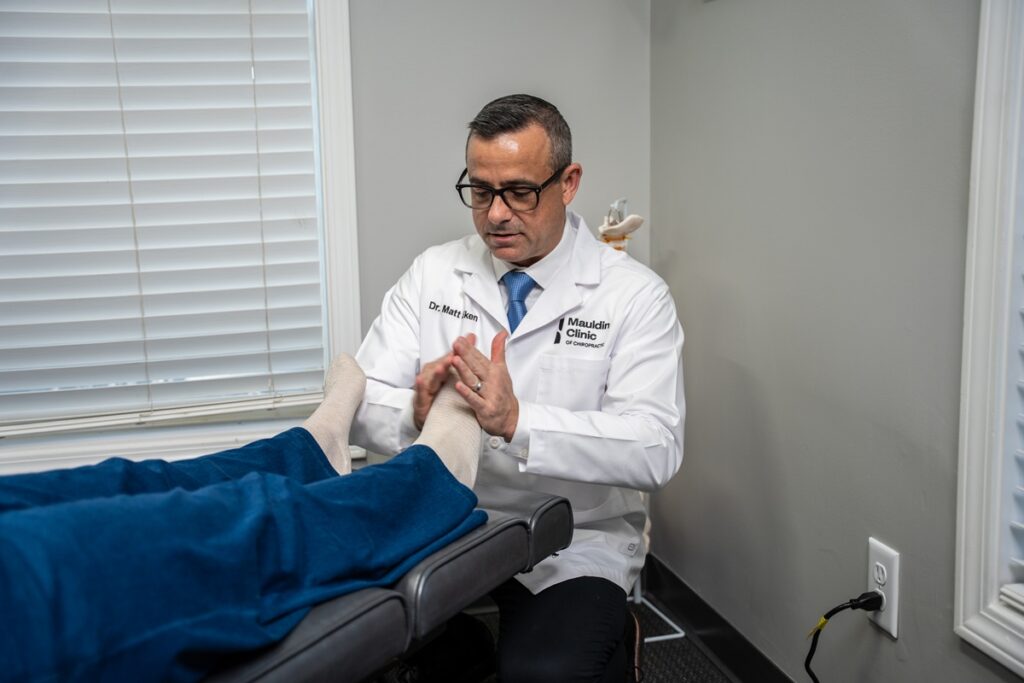
Chiropractic care offers a non-invasive, drug-free approach to managing frozen shoulder that many patients find genuinely helpful. At The Mauldin Clinic, Dr. Matt Eiken takes a thorough, individualized approach to each patient’s shoulder complaint because no two cases of frozen shoulder look exactly alike.
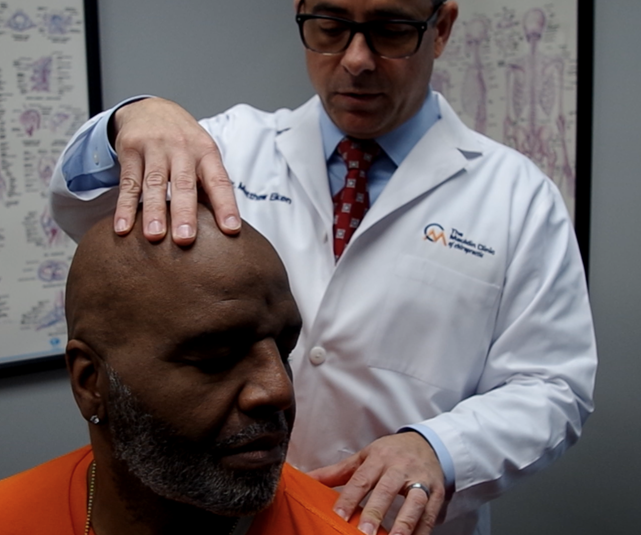
One of the primary ways chiropractic care can help is by addressing joint mechanics. The shoulder is a complex system involving the glenohumeral joint, the acromioclavicular joint, the sternoclavicular joint, and the scapulothoracic articulation. When one area becomes restricted, other areas compensate, and that compensation can lead to further dysfunction. Chiropractic adjustments to the shoulder and surrounding areas, including the cervical and thoracic spine, can help restore proper mechanics and reduce abnormal stress on the joint capsule.
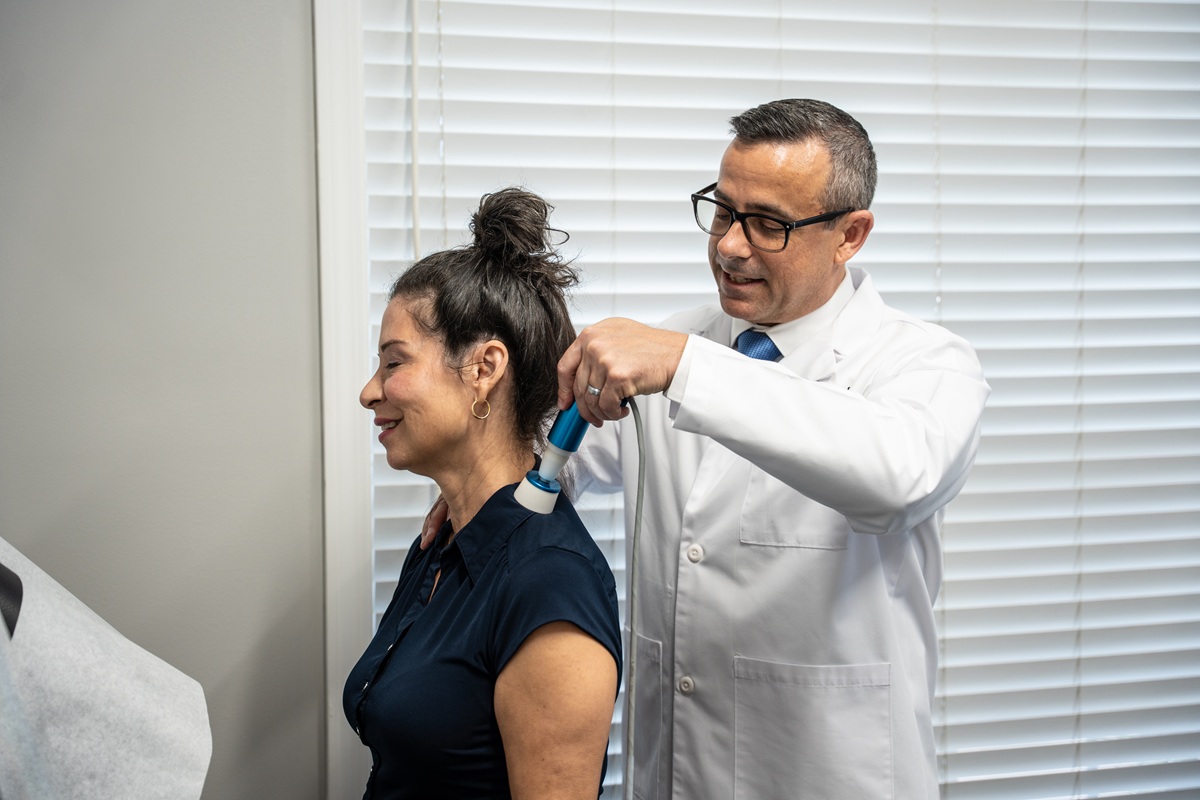
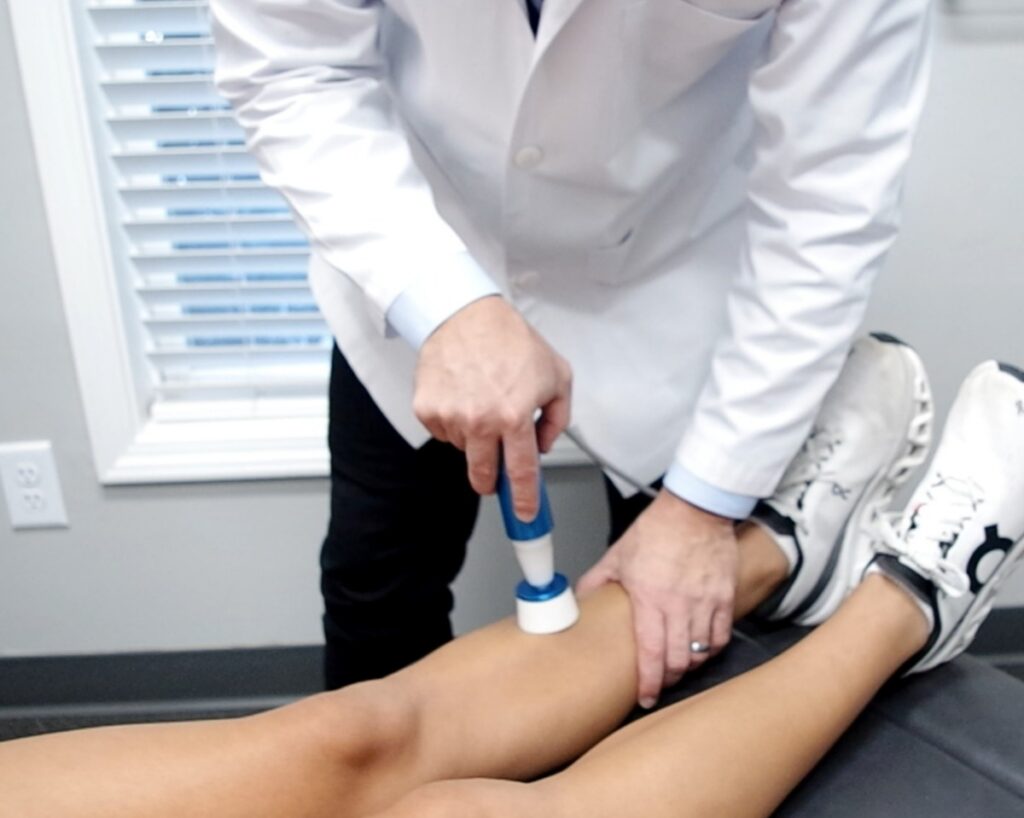
Soft tissue therapies are also a key component. Techniques such as myofascial release and trigger point therapy can help address the muscular tension and fascial restrictions that often accompany frozen shoulder. When muscles around the shoulder blade, chest, and neck are tight and guarded, they contribute to the overall pattern of restriction. Working through these tissues can improve blood flow, reduce pain signals, and encourage more normal movement patterns.
Evidence indicates that conservative manual therapy, when applied appropriately, can support improved range of motion and reduced pain in people with adhesive capsulitis. Organizations like the National Institutes of Health and the American Chiropractic Association recognize conservative care as a reasonable first-line approach for musculoskeletal shoulder conditions. While chiropractic care is not a cure, it can be a valuable part of a coordinated recovery plan, especially when combined with guided therapeutic exercise and patient education.
Dr. Matt Eiken also focuses on educating patients at The Mauldin Clinic about what’s happening in their body. When you understand your condition, you become a more active and empowered participant in your own recovery. That understanding alone can reduce anxiety and help patients make better daily choices that support healing.
Practical Tips for Managing Frozen Shoulder at Home
While professional care is important, what you do between appointments matters just as much. There are several safe, practical habits that can support your shoulder health during recovery.
First, try to maintain gentle movement. Staying still might feel safer when you’re in pain, but prolonged immobility is one of the main drivers of frozen shoulder getting worse. Gentle, pain-tolerated range-of-motion movements — like slow pendulum exercises where you let the arm hang and swing in small circles — can help maintain circulation and prevent further stiffening. Always consult with Dr. Matt Eiken or your care team before beginning any new exercises.
Heat can be helpful for loosening up stiff tissue before gentle movement. Applying a warm compress or heating pad to the shoulder for 10 to 15 minutes before activity may make movement feel easier. Cold packs, on the other hand, can help after activity if there is acute soreness or inflammation. Alternating between the two is a common and well-tolerated strategy.
Pay close attention to your sleeping position. Many frozen shoulder patients find that sleeping on the affected side significantly worsens their pain. Try sleeping on your back with a pillow supporting the arm at a comfortable angle. Small positional changes at night can make a surprisingly large difference in how you feel the next morning.
Finally, think about your posture throughout the day. Rounding the shoulders forward, hunching over a keyboard, or cradling a phone between your ear and shoulder all add stress to the tissues around the joint. Keeping your chest open, your shoulder blades gently drawn back, and your ears aligned over your shoulders takes pressure off the shoulder complex and supports healthier mechanics overall.
When to See a Chiropractor for Shoulder Pain
If your shoulder pain has lasted more than a week or two without improvement, it’s time to have it properly evaluated. Frozen shoulder that is caught and addressed in the earlier stages tends to respond more favorably to conservative care. Waiting too long and hoping it will simply go away often mean entering the frozen stage with greater stiffness and more limited function.
You should seek care promptly if you notice that your pain is waking you from sleep regularly, that you’ve lost noticeable range of motion in multiple directions, or that everyday tasks like reaching into a cabinet or buckling a seatbelt have become difficult. These are signs that the joint is becoming progressively restricted.
There are also red flags that warrant immediate medical attention rather than chiropractic care alone. Sudden, severe shoulder pain following trauma, visible deformity of the shoulder, significant swelling or bruising, numbness or tingling radiating down the arm, or fever alongside shoulder pain should all prompt a visit to an urgent care facility or emergency room. Dr. Matt Eiken and the team at The Mauldin Clinic take a responsible, whole-patient approach, which means they will always refer out when a situation calls for it.
Frozen Shoulder at a Glance
Stage |
Primary Symptom |
Duration (Approximate) |
How Chiropractic May Help |
|---|---|---|---|
|
Freezing Stage |
Increasing pain with movement |
6 weeks – 9 months |
Pain management, gentle mobilization, posture guidance |
|
Frozen Stage |
Significant stiffness, reduced range of motion |
4 – 6 months |
Joint mobilization, soft tissue therapy, movement restoration |
|
Thawing Stage |
Gradual return of mobility |
6 months – 2 years |
Progressive rehabilitation support, spinal alignment, patient education |
Myths vs. Facts About Frozen Shoulder
Myth: Frozen shoulder will go away on its own if you just rest enough.
Fact: While frozen shoulder does have a natural progression that may eventually resolve, simply resting and waiting is not the most effective strategy. Without appropriate movement and care, the stiffness often deepens before it improves. Conservative treatment, including chiropractic care and guided exercise, can meaningfully support recovery and may shorten the overall timeline.
Myth: You must have had an injury for frozen shoulder to develop.
Fact: Many cases of frozen shoulder, including idiopathic adhesive capsulitis, develop with no clear injury or trauma. Systemic health factors, prolonged inactivity, poor posture habits, and even stress can all contribute to its onset. You don’t need to have “done something wrong” for this condition to appear.
Myth: Chiropractic care isn’t appropriate for shoulder conditions.
Fact: Chiropractic care involves far more than spinal adjustments. Chiropractors are trained in musculoskeletal conditions throughout the entire body, including the shoulder complex. Manual therapy, soft tissue techniques, and therapeutic exercise guidance are all within the scope of chiropractic practice and are commonly used to address frozen shoulder.
Myth: Surgery is the only real solution for frozen shoulder.
Fact: Surgery is typically considered a last resort after conservative measures have been exhausted. Evidence supports conservative, non-surgical approaches, including physical therapy and manual care, as effective first-line options for the majority of frozen shoulder cases. Most patients improve meaningfully without surgical intervention.
Myth: If your shoulder is frozen, you should avoid moving it entirely.
Fact: Avoiding all movement can actually worsen the condition by accelerating the formation of adhesions and deepening stiffness. Gentle, guided movement within a tolerable pain range is generally recommended as part of a healthy recovery approach. Your care provider can help you understand what’s safe and appropriate for your specific stage of the condition.
Final Thoughts from The Mauldin Clinic
Living with frozen shoulder is genuinely hard. It affects your sleep, your work, your ability to do things you love, and it can feel like it’s never going to get better. But here’s what we want you to know: it can get better, and you don’t have to figure it out alone.
At The Mauldin Clinic in Mauldin, SC, Dr. Matt Eiken is committed to helping members of this community get real answers and real relief. Whether you’re in the early stages of shoulder pain or deep into a frozen shoulder that’s been limiting your life for months, there are conservative, caring options available to you. Our approach is always individualized — built around who you are, where you are in your condition, and what your recovery goals look like.
If you’re in the Mauldin area and you’ve been putting off getting your shoulder evaluated, consider this your encouragement to take that step. Understanding what’s going on in your body is powerful, and having a knowledgeable care team in your corner makes the journey a lot less daunting. We’re here for you.
Frequently Asked Questions
How long does frozen shoulder typically last?
Frozen shoulder can last anywhere from one to three years when unmanaged, progressing through the freezing, frozen, and thawing stages. With appropriate conservative care, many patients experience meaningful improvement in function and pain levels well before the condition fully resolves on its own.
Can a chiropractor actually help with frozen shoulder?
Yes — chiropractic care can be a helpful part of a frozen shoulder recovery plan. Techniques such as joint mobilization, soft tissue therapy, and corrective exercise guidance can help restore range of motion and manage pain. Results vary from person to person, and chiropractic care is best approached as part of an overall conservative care strategy.
Is frozen shoulder the same as a rotator cuff tear?
No — these are distinct conditions. A rotator cuff tear involves damage to the muscles or tendons that stabilize the shoulder, while frozen shoulder involves thickening and tightening of the joint capsule itself. Both can cause shoulder pain and limited motion, but their causes, progression, and treatments differ. A proper evaluation is the best way to distinguish between the two.
What makes frozen shoulder worse?
Prolonged immobility, sleeping on the affected shoulder, poor posture, and delaying care can all contribute to frozen shoulder worsening over time. Certain health conditions such as diabetes and thyroid disorders are also associated with more persistent or severe cases.
Should I apply heat or ice to a frozen shoulder?
Both can be useful depending on the situation. Heat is generally helpful before movement to loosen stiff tissue, while cold can help manage soreness after activity. Always check with your chiropractor before starting any home care routine to make sure it’s appropriate for your specific condition and stage of recovery.
Do I need a referral to see Dr. Matt Eiken at The Mauldin Clinic?
In most cases, you can contact The Mauldin Clinic in Mauldin, SC directly to schedule an evaluation without needing a referral from another provider. Dr. Matt Eiken will conduct a thorough assessment and discuss the most appropriate care options based on your individual situation.
TL;DR — Key Takeaways
-
Frozen shoulder (adhesive capsulitis) is a progressive condition involving inflammation and tightening of the shoulder joint capsule, causing pain and significant stiffness.
-
It progresses through three stages — freezing, frozen, and thawing — and can last one to three years without proper management.
-
Chiropractic care, including joint mobilization and soft tissue therapy, can support pain relief and improved range of motion as part of a conservative care approach.
-
Dr. Matt Eiken at The Mauldin Clinic in Mauldin, SC offers individualized, non-invasive care for patients dealing with frozen shoulder and other musculoskeletal conditions.
-
Early intervention, gentle movement, good posture habits, and consistent professional care are your best tools for a smoother recovery.