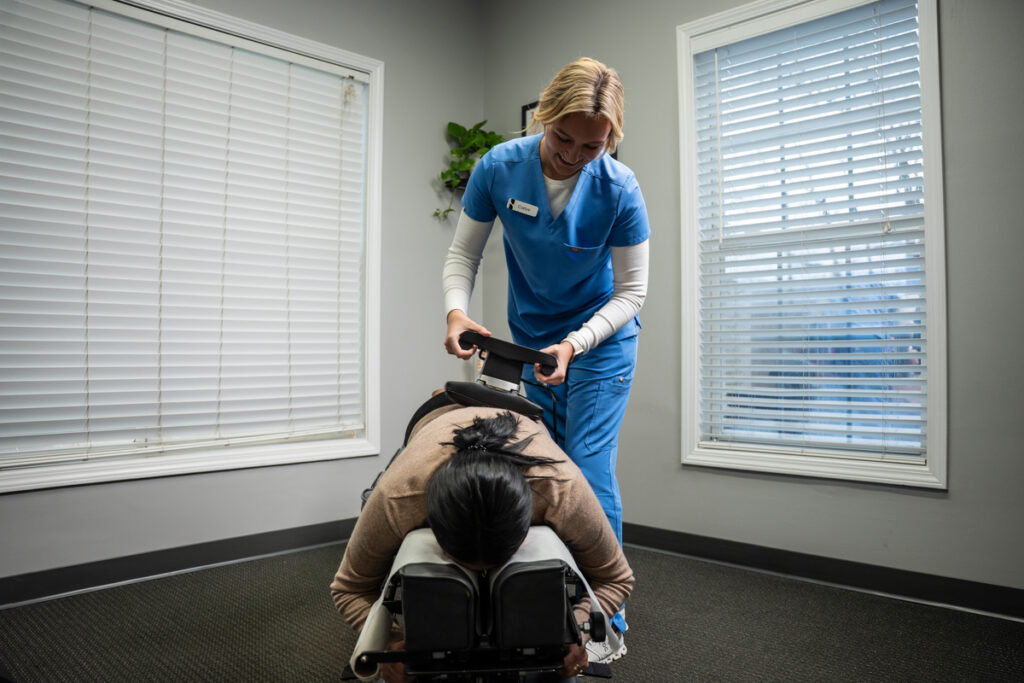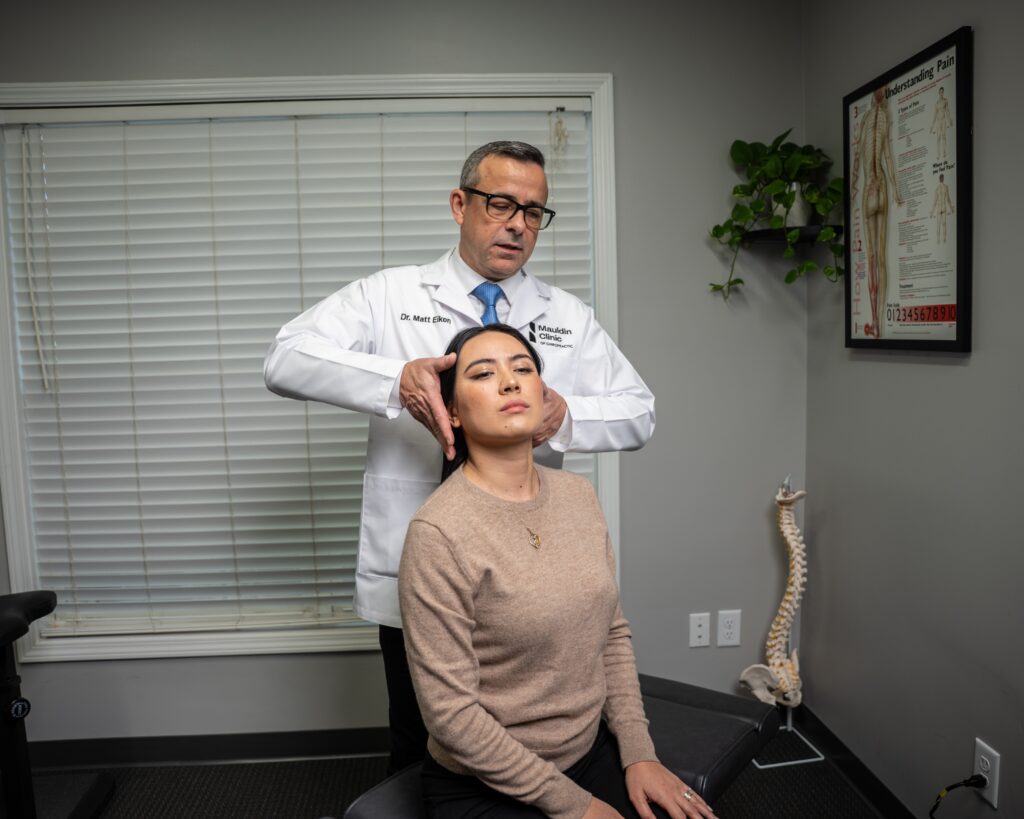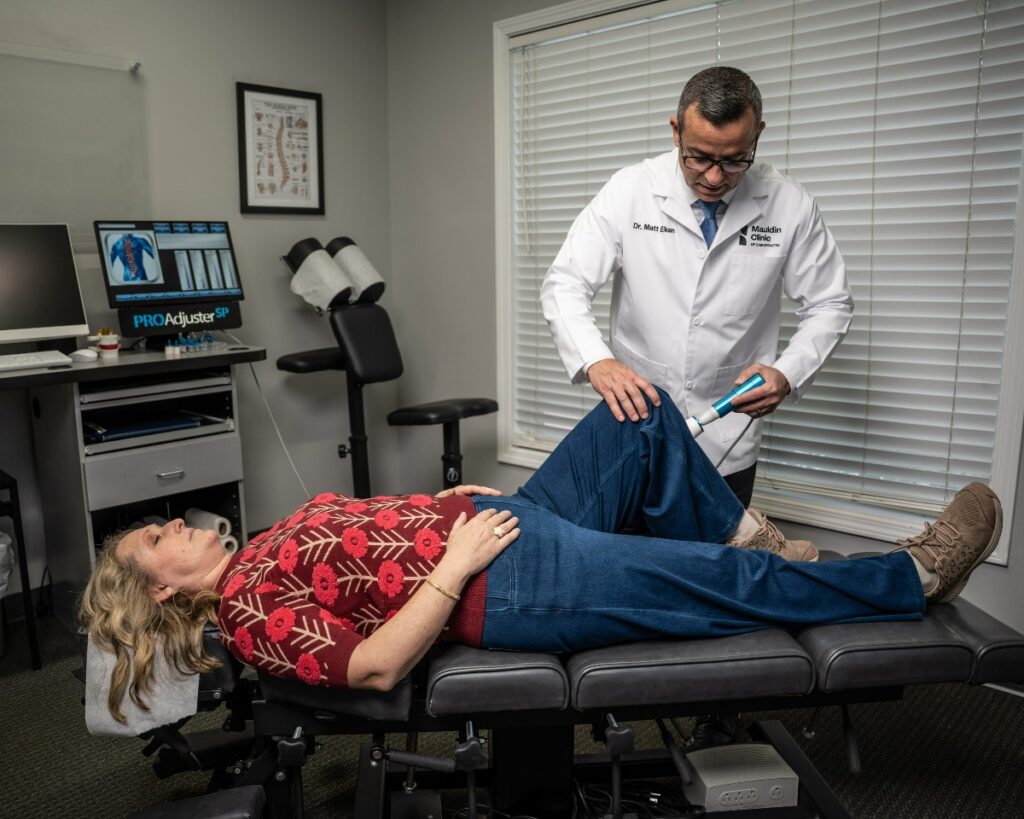

Facing a sports injury can be daunting, but with the right approach, recovery is entirely achievable. Chiropractic care is key in this journey, providing gentle adjustments that promote better mobility and significantly reduce pain. These adjustments are designed to realign your spine, which is vital for your overall health and well-being.
However, effective rehabilitation goes beyond just chiropractic adjustments. Incorporating physical therapy exercises can help strengthen the injured area and improve flexibility. Don’t forget the importance of nutrition! Eating a balanced diet rich in anti-inflammatory foods can support your healing process. Foods like leafy greens, fatty fish, and nuts are excellent choices to include in your meals.
Mental resilience also plays a crucial role in recovery. Stay positive and set small, achievable goals for yourself. This mindset can transform your recovery process, allowing you to emerge stronger than before.
Remember, you don’t have to navigate this journey alone. Regular visits to your chiropractor can provide ongoing support and guidance tailored specifically to your needs. Through chiropractic care, you’ll not only find relief from pain but also a pathway to optimal health and wellness. Take charge of your recovery today and embrace a healthier, more vibrant you!
Understanding the Healing Process
When you face a sports injury, understanding the healing process can greatly enhance your recovery journey. The healing typically unfolds in three main stages: inflammation, repair, and remodeling.
Initially, your body reacts to the injury with inflammation, which may bring pain and swelling. This stage is crucial because it signals your body to kickstart the healing process.
Following inflammation, the repair phase begins. During this time, your body works to form new tissue, and you may start seeing improvements in your movement. It’s vital to give yourself adequate time during this phase; rushing back into activities can lead to setbacks and prolong your recovery.
Consider incorporating gentle chiropractic adjustments to promote healing and mobility without pushing your body too hard.
The final stage is remodeling, where your new tissue gains strength and becomes more resilient. Chiropractic care can play a significant role in this phase by ensuring that your spine and joints are aligned, promoting better function and overall well-being.
Throughout these stages, it’s important to listen to your body and exercise patience. Recovery isn’t solely about rest; it also involves finding a balance between activity and care.
Gentle stretches, hydration, and proper nutrition can support your healing process. By understanding these phases and embracing chiropractic care, you can set realistic expectations and enhance your chances of a successful return to sports, all while prioritizing your natural wellness.
Innovative Therapies for Faster Recovery
Recovering from a sports injury can be a challenging journey, but incorporating innovative therapies alongside chiropractic care can significantly enhance your healing process. As a local chiropractor, I want to share how techniques like cryotherapy and electrical stimulation can complement your recovery while emphasizing the importance of spinal health and wellness.
Cryotherapy, which involves exposing the body to cold temperatures, can provide effective pain relief and reduce inflammation. This treatment can help alleviate soreness in your muscles and joints, allowing for a more comfortable recovery.
However, it’s essential to remember that chiropractic care addresses the root cause of your pain by realigning your spine and improving overall mobility.
Electrical stimulation, on the other hand, can aid in muscle recovery and stimulate healing by promoting blood flow to the affected area. This method can enhance your healing process, but it’s most effective when combined with regular chiropractic adjustments.
By ensuring your spine is properly aligned, you can maximize the benefits of these therapies.
Here are a few general tips to support your recovery journey:
- Stay Hydrated: Drinking plenty of water helps flush out toxins and supports overall health, making it easier for your body to heal.
- Rest and Recover: Give your body the time it needs to heal. Balancing activity with rest is crucial.
- Incorporate Gentle Movement: Engage in light stretches or movements that promote flexibility and circulation without straining your injury.
- Prioritize Chiropractic Care: Regular adjustments not only help relieve pain but also improve your body’s natural healing abilities.
By focusing on chiropractic care as your primary method for pain relief and recovery, you’re choosing a natural, holistic approach to wellness.
Let’s work together to achieve optimal health and a faster recovery from your sports injury!
Cryotherapy for Pain Relief
As you navigate your recovery from sports injuries, it’s crucial to explore effective and natural methods for pain relief. One innovative approach that many athletes find beneficial is cryotherapy, which involves exposing your body to extremely cold temperatures. This technique can help reduce inflammation and numb pain, allowing for a quicker return to your favorite activities.
While cryotherapy can be an intriguing option, I want to emphasize the importance of chiropractic care in your recovery journey. As a chiropractor, I believe that addressing the root cause of pain and discomfort is essential for achieving optimal health. Chiropractic adjustments can help restore proper alignment to your spine, enhance mobility, and promote natural healing within your body.
If you choose to explore cryotherapy, you may experience it in a cryo chamber or through localized treatments that focus on specific areas of discomfort. These sessions are typically brief, lasting just a few minutes, which can fit nicely into your busy schedule. However, don’t forget that regular chiropractic care can complement this treatment by ensuring that your spine and nervous system are functioning at their best.
Here are a few general tips to enhance your recovery process:
- Stay Hydrated: Proper hydration supports your body’s healing processes and helps reduce inflammation.
- Rest and Recovery: Allow your body time to heal. Listen to your body and don’t rush back into strenuous activities too soon.
- Incorporate Gentle Movement: Light stretching and movement can help maintain flexibility and prevent stiffness without overexerting yourself.
- Nutrition Matters: Eating a balanced diet rich in anti-inflammatory foods, such as fruits, vegetables, and omega-3 fatty acids, can support recovery.
Electrical Stimulation Techniques
In addition to cryotherapy and chiropractic care, electrical stimulation techniques are becoming increasingly recognized for their ability to enhance recovery from sports injuries.
These innovative therapies utilize gentle electrical impulses to support the body’s natural healing processes and alleviate discomfort. Here are some benefits you might find especially useful:
- Pain Relief: Electrical stimulation can help ease muscle soreness and promote relaxation, allowing you to feel more comfortable as you heal.
- Muscle Strengthening: By stimulating muscle contractions, these techniques can assist in rebuilding strength, particularly after an injury.
- Improved Blood Flow: Enhanced circulation helps deliver essential nutrients to the injured areas, which is crucial for recovery.
- Reduced Swelling: This technique can aid in decreasing inflammation, leading to a faster healing process.
While electrical stimulation can be a valuable addition to your recovery plan, it’s essential to remember that chiropractic care remains one of the best choices for achieving optimal health and wellness.
As a chiropractor, I advocate for a holistic approach that emphasizes the body’s innate ability to heal itself.
Consider incorporating regular chiropractic adjustments into your routine, as they can enhance your overall well-being and support your recovery.
Here are a few simple tips for maintaining your health:
- Stay Active: Engage in light physical activity to keep your body moving and promote circulation.
- Hydrate: Drink plenty of water to support your body’s healing processes.
- Rest: Ensure you get enough rest to allow your body to recover effectively.
- Nutrition: Eat a balanced diet rich in fruits, vegetables, lean proteins, and whole grains to nourish your body.
Consulting with a chiropractor can help you determine the best recovery strategies tailored to your individual needs.
Embrace these natural techniques for a quicker return to your favorite activities and a healthier, more vibrant life!
The Role of Nutrition in Injury Rehabilitation
Nutrition plays a vital role in your recovery from sports injuries, complementing the benefits of chiropractic care. The right nutrients can significantly enhance healing, making it easier for your body to recover.
When you’re injured, your body requires extra protein to repair tissues, so it’s important to include sources like lean meats, fish, eggs, and plant-based options in your meals.
Carbohydrates are also crucial, as they provide the energy needed for recovery. Make whole grains, fruits, and vegetables the foundation of your diet to stay energized and support your healing process.
Don’t overlook healthy fats! Foods like avocados and nuts can help reduce inflammation, making them a great addition to your recovery plan. Staying well-hydrated is equally important because water supports all bodily functions, including the healing process.
Micronutrients are key players in recovery as well. Vitamins C and D, along with zinc, are essential for tissue repair and immune support. A well-balanced diet rich in these nutrients can significantly speed up your recovery, helping you return to your favorite activities sooner.
By prioritizing nutrition alongside chiropractic care, you’re taking a holistic approach to your health. Remember that chiropractic adjustments can help alleviate pain and improve mobility, allowing your body to heal more efficiently.
Focus on nourishing your body with healthy foods, stay hydrated, and consider regular chiropractic visits to support your journey to optimal health and wellness. Your body will thank you!
Effective Rehabilitation Techniques
When you’re recovering from a sports injury, embracing effective rehabilitation techniques is crucial for getting back to your active lifestyle. One of the best ways to support your recovery is through chiropractic care. Chiropractic adjustments can help restore proper function to your spine, which is essential for overall health and well-being.
Incorporating tailored exercises recommended by your chiropractor can’t only expedite your recovery but also play a significant role in preventing future injuries. These exercises focus on strengthening your muscles and enhancing your stability, making them an integral part of your rehabilitation journey.
Here are some general tips to keep in mind during your recovery:
- Stay Active: Engage in low-impact activities that don’t strain your injury, such as walking or gentle stretching. This promotes blood flow and aids healing.
- Listen to Your Body: Pay attention to any discomfort. If something doesn’t feel right, consult your chiropractor for guidance.
- Maintain Good Posture: Proper alignment can relieve stress on your body and support your recovery. Your chiropractor can provide tips on maintaining good posture throughout your daily activities.
- Hydrate: Drinking plenty of water is important for overall health and can aid in recovery by keeping your tissues hydrated.
- Rest and Recover: Ensure you give your body enough time to heal. Balance activity with rest to avoid overexertion.
By prioritizing chiropractic care and following these tips, you can achieve optimal health and get back on your feet more effectively and naturally.
Physical Therapy Benefits
Recovering from a sports injury can be a challenging journey, but incorporating chiropractic care into your rehabilitation can significantly enhance your recovery process. Chiropractors offer customized treatment plans that focus on your unique needs, helping you regain strength, mobility, and overall wellness.
Here are some key benefits you’ll experience with chiropractic care:
- Natural Pain Relief: Chiropractors utilize hands-on techniques to alleviate pain without relying on medications or invasive procedures, promoting a more natural healing process.
- Enhanced Mobility: Through specific adjustments and exercises, you’ll work on improving your range of motion and flexibility, which are crucial for getting back to your activities.
- Injury Prevention: Chiropractic care provides education on proper body mechanics and posture, equipping you with the knowledge to avoid future injuries.
- Tailored Approach: Your chiropractor will modify your treatment plan based on your progress and feedback, ensuring that you receive the most effective care.
In addition to chiropractic adjustments, here are some general tips to support your recovery:
- Stay Active: Engage in gentle exercises and stretches that promote mobility without putting too much strain on your injury.
- Maintain Good Posture: Being mindful of your posture can help reduce stress on your spine and prevent further injuries.
- Listen to Your Body: Pay attention to how you feel during activities; rest when needed and communicate any concerns with your chiropractor.
- Stay Hydrated and Eat Well: Proper nutrition and hydration support overall healing and recovery.
Strengthening Exercises Importance
Strengthening exercises are vital for your recovery after a sports injury, and they can significantly enhance your healing journey. By focusing on rebuilding muscle strength and improving stability, these exercises not only support the injured area but also help you regain your overall performance.
When you engage in tailored strengthening activities, you bolster the muscles surrounding your injury, providing better support and minimizing the risk of re-injury.
As a chiropractor, I encourage you to start slowly and gradually increase the intensity of your workouts. This approach is crucial to avoid overexerting yourself, which can lead to setbacks. Incorporating a blend of resistance training and functional movements can also promote healthy biomechanics, ensuring you move correctly as you get back to your sport.
Remember, the power of these exercises can’t be underestimated. They can significantly accelerate your healing process and rebuild your confidence in your body’s capabilities. Stay committed to your recovery, and you’ll find yourself back in action sooner than you think!
Additionally, consider regular chiropractic adjustments as part of your recovery plan. Chiropractic care focuses on aligning your spine and supporting your overall health, which can complement your strengthening exercises and enhance your healing.
Mental Strategies for Overcoming Setbacks
Overcoming setbacks during sports injury recovery can be as challenging for your mind as it’s for your body. It’s common to experience feelings of frustration, discouragement, or even hopelessness at times. To help you navigate these tough moments and support your recovery process, consider incorporating some mental strategies alongside the benefits of chiropractic care.
Here are a few tips to keep your spirits high and your focus sharp:
- Set realistic goals: Break your recovery into manageable milestones. Celebrate each small achievement as a step towards your overall health and wellness. Chiropractic adjustments can help optimize your physical function, making it easier to reach these goals.
- Stay positive: Surround yourself with supportive friends and family who uplift you. Their encouragement can make a difference in your recovery journey. Additionally, chiropractic care can help improve your overall mood and well-being, which can be beneficial during tough times.
- Visualize success: Take some time to imagine yourself back in action, performing at your best. Visualization can reinforce your commitment to recovery, and chiropractic adjustments can enhance your physical readiness to return to your activities.
- Practice mindfulness: Engage in meditation or deep-breathing exercises to reduce anxiety and help you stay present. Mindfulness can complement the relaxation and pain relief that chiropractic care provides, allowing you to approach your recovery with a clearer mindset.
By integrating these mental strategies with the natural healing benefits of chiropractic care, you can create a powerful approach to overcoming setbacks and achieving optimal health.
Preventing Future Injuries: Tips for Athletes
After navigating the mental hurdles of recovery, it’s essential to shift your focus toward preventing future injuries, and chiropractic care can play a vital role in this process. First and foremost, listen to your body; it often knows when something feels off. Regular chiropractic adjustments can help ensure that your spine and nervous system function optimally, allowing you to better recognize these signals.
Before every practice or game, don’t skip a proper warm-up routine. This prepares your muscles and joints for activity, and incorporating specific spinal mobility exercises can enhance your range of motion.
Strength training is also crucial; it helps support your movements and reduce strain on your body. A chiropractor can guide you on the best exercises to build strength in key areas while protecting your spine.
Flexibility is another important aspect of injury prevention. Stretch regularly, especially focusing on areas that support your spine, to maintain a good range of motion.
Cross-training can be beneficial too; it helps balance muscle development and reduces repetitive stress on the same body parts. Plus, getting regular chiropractic care can address any imbalances that may develop from your training.
Wearing appropriate gear tailored to your sport is vital for providing essential support and minimizing injury risk.
Additionally, embrace a healthy diet and stay hydrated. Proper nutrition fuels your body and aids in recovery, and a chiropractor can recommend dietary strategies that support spinal health.
By following these tips and incorporating chiropractic care into your routine, you’ll not only enhance your athletic performance but also significantly reduce your chances of future injuries.