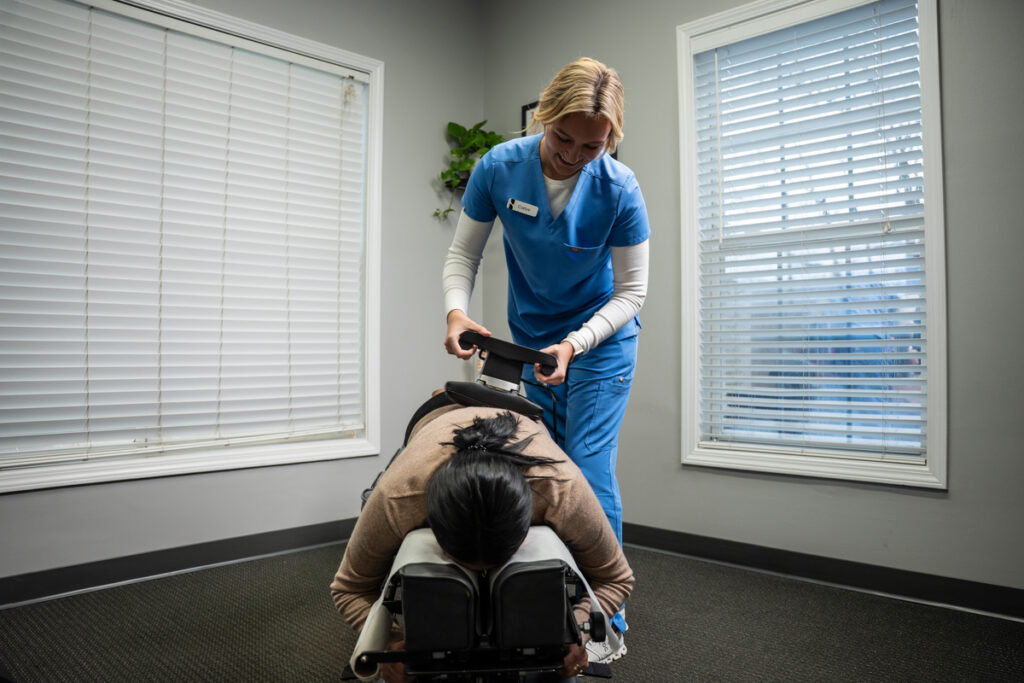

As a local chiropractor, I understand how challenging it can be to manage chronic migraines. Finding effective relief strategies can truly make a difference in your quality of life. Many patients have found that a holistic approach, which includes lifestyle changes, dietary adjustments, and stress management techniques, can yield the best results.
It’s essential to identify your specific triggers and prioritize self-care, as this can lead to significant improvements in your condition. In addition to these strategies, chiropractic care can play a vital role in alleviating migraine symptoms. By addressing spinal misalignments and improving overall nervous system function, we can help reduce the frequency and intensity of your headaches.
I encourage you to explore various approaches to managing your migraines, including chiropractic adjustments, which may offer you relief you haven’t experienced before. Let’s work together to find the best strategies for your individual needs.
Understanding Chronic Migraines
Chronic migraines can be incredibly challenging, especially when they interfere with your everyday activities. Many of my patients describe the pain as intense and throbbing, often accompanied by nausea and sensitivity to light and sound.
These debilitating headaches can last for hours or even days, making it difficult to work, socialize, or enjoy your favorite hobbies. It’s important to recognize that chronic migraines aren’t just severe headaches; they’re a neurological condition influenced by a variety of factors, including stress, hormonal changes, and certain dietary choices.
As a chiropractor, I believe understanding your specific triggers is crucial in managing your migraines. One effective approach is to maintain a headache diary, where you can track when your migraines occur and what you were eating or doing at those times.
Keep in mind that chronic migraines can vary in intensity and frequency, which is why open communication with your healthcare provider is vital. By gaining a deeper understanding of your migraines, you can take proactive steps toward finding relief and reducing their impact on your life.
Chiropractic care can play a significant role in managing migraines. Through gentle adjustments and holistic techniques, we can help alleviate tension in the spine and improve overall nervous system function, which may help reduce the frequency and severity of your migraines.
Together, we can explore natural healing methods that support your well-being and empower you to take control of your health.
Lifestyle Changes for Migraine Management
As a local chiropractor, I want to share how making certain lifestyle changes can significantly enhance your migraine management.
By prioritizing dietary modifications, enhancing your sleep hygiene, and integrating stress reduction techniques into your daily routine, you can foster a healthier lifestyle.
These adjustments not only alleviate migraine symptoms but also contribute to your overall well-being.
Embracing these natural healing strategies can empower you to take charge of your health and find relief from migraines in a holistic way.
Dietary Modifications
As a local chiropractor, I want to share how dietary modifications can significantly aid in managing migraines, a concern for many of my patients.
By being mindful of your nutritional choices, you can potentially decrease the frequency and intensity of migraine episodes. Here are some dietary adjustments I recommend you consider:
- Stay Hydrated: It’s crucial to drink plenty of water throughout the day. Dehydration is a common trigger for migraines, and staying hydrated can help prevent them.
- Identify Triggers: Keeping a food diary can be beneficial. Tracking your meals can help you pinpoint specific foods that may trigger your migraines, such as aged cheeses, processed meats, or other common culprits.
- Eat Regularly: Skipping meals can lead to headaches, including migraines. Aim to have regular, balanced meals to maintain stable blood sugar levels, which can help mitigate migraine occurrences.
- Limit Caffeine: While moderate caffeine intake can provide relief for some, excessive caffeine can lead to withdrawal headaches. It’s all about finding the right balance for your body.
- Incorporate Omega-3s: Adding foods rich in omega-3 fatty acids, like salmon and walnuts, to your diet may help reduce inflammation, which is often a contributing factor to migraines.
Implementing these dietary changes can lead to significant relief and support your overall wellness.
Sleep Hygiene Practices
As a local chiropractor, it’s important to educate you about the significant role sleep plays in managing not just your overall health, but specifically the frequency and intensity of migraines.
One of the first steps to improving your sleep hygiene is to establish a consistent sleep schedule. Aim to go to bed and wake up at the same time every day, including weekends, to help regulate your body’s internal clock.
Incorporating a relaxing bedtime routine can also make a big difference. Activities like reading or gentle stretching can signal to your body that it’s time to unwind.
Additionally, creating a sleep environment that’s cool, dark, and quiet can enhance your quality of rest.
I recommend limiting screen time at least an hour before bed, as the blue light emitted by devices can interfere with your sleep cycle.
It’s also wise to avoid caffeine and heavy meals close to bedtime, as these can disrupt your ability to fall and stay asleep.
By implementing these changes, not only can you improve your sleep quality, but you may also experience a reduction in migraine occurrences.
Stress Reduction Techniques
As a chiropractor, I often see patients struggling with chronic migraines, and I want to share how incorporating stress reduction techniques can significantly improve your quality of life.
It’s important to understand that stress is a common trigger for migraines, so learning to calm your mind and body is crucial in managing your symptoms effectively. Here are some natural strategies that I recommend:
- Deep Breathing Exercises: By taking deep, intentional breaths and exhaling slowly, you can help alleviate tension in your body. This simple practice can be done anywhere, anytime.
- Meditation: Dedicating just a few minutes each day to focus on your breath or follow guided meditations can foster a sense of calm and clarity.
- Yoga: Gentle yoga isn’t just about flexibility; it also helps stretch your muscles and promote overall relaxation. It’s a fantastic way to connect your mind and body.
- Progressive Muscle Relaxation: This technique involves systematically tensing and then relaxing different muscle groups, which can help release built-up stress and tension.
- Mindfulness Practices: By focusing on the present moment, you can effectively reduce anxiety and stress levels, which may contribute to fewer migraine episodes.
As you explore these techniques, remember that chiropractic care can also play a vital role in your overall wellness journey.
Together, we can work towards a holistic approach to managing your migraines and enhancing your well-being.
Dietary Adjustments to Reduce Triggers
As a local chiropractor dedicated to helping you manage chronic migraines, it’s important to understand how your diet can play a significant role in your overall wellness.
One of the first steps in this journey is identifying potential food triggers that may be contributing to your discomfort. By keeping a food diary, you can track what you eat and discover which items might be causing your migraines.
Once you’ve identified these triggers, I encourage you to explore nutrient-rich alternatives that not only support your health but can also help in reducing the frequency of your migraines.
Embracing a diet that aligns with your body’s needs is a powerful way to complement chiropractic care and enhance your healing process.
Together, we can work towards a holistic approach to your wellness that encompasses both your diet and spinal health.
Identifying Food Triggers
As your local chiropractor, I want to emphasize the importance of identifying food triggers for effectively managing chronic migraines. Many individuals may not be aware that specific foods can contribute to these debilitating headaches.
By being mindful of your dietary choices, you can uncover your personal triggers and make healthier decisions that support your overall well-being.
Here are some common food culprits to consider:
- Aged cheeses
- Processed meats
- Caffeinated beverages
- Alcohol, especially red wine
- Foods containing MSG
I recommend keeping a food diary to monitor what you eat alongside your symptoms. This practice can help you identify patterns and recognize which specific foods may be provoking your migraines.
With this valuable insight, you can start to eliminate or reduce these triggers from your diet. By doing so, you’ll not only alleviate migraine symptoms but also embrace a more natural approach to healing that aligns with chiropractic care principles.
Together, we can work towards a more manageable and healthier migraine experience.
Nutrient-Rich Alternatives
As a local chiropractor, I want to share some effective strategies for managing chronic migraines through natural healing and dietary adjustments. While it’s important to identify and eliminate specific food triggers from your diet, incorporating nutrient-rich alternatives can significantly enhance your overall well-being and support your migraine management.
Focus on whole foods that are rich in essential vitamins and minerals, such as leafy greens, nuts, seeds, and fatty fish. These foods are known to help reduce inflammation and promote better brain health.
Additionally, consider adding magnesium-rich options like avocados and bananas to your meals, as magnesium deficiency has been associated with an increased risk of migraines.
Hydration is also crucial in this journey. Drinking plenty of water and herbal teas can help maintain your body’s balance, while avoiding excessive caffeine and sugary beverages is wise, as these can act as migraine triggers.
Instead, try incorporating nutrient-dense smoothies or healthy snacks into your diet to keep your energy levels stable.
By making these dietary modifications, you can create a supportive environment for your body and potentially reduce the frequency and intensity of your migraines.
As we explore these natural healing approaches together, remember that chiropractic care can also play a vital role in managing migraines and enhancing your overall health.
Medication Options for Chronic Migraines
When chronic migraines interfere with your daily activities, it’s important to explore all available options for relief, including chiropractic care and natural healing methods.
While medication can be an effective solution for some, there are alternative approaches that can help manage your symptoms. Here are a few options worth considering:
- Chiropractic Adjustments: Regular spinal adjustments can help alleviate tension and improve nervous system function, which may reduce the frequency and intensity of migraines.
- Lifestyle Modifications: Incorporating stress management techniques, such as yoga or meditation, can significantly impact headache frequency and severity.
- Nutritional Support: A balanced diet rich in magnesium, riboflavin, and omega-3 fatty acids can support overall brain health and may help in preventing migraines.
- Herbal Remedies: Certain herbs, such as butterbur and feverfew, have been studied for their potential to reduce migraine occurrences.
- Hydration and Sleep: Ensuring proper hydration and maintaining a regular sleep schedule are crucial for overall wellness and can help mitigate migraine triggers.
As your local chiropractor, I encourage you to discuss these natural options with me.
Together, we can create a personalized plan that addresses your specific needs and promotes a healthier, more balanced lifestyle.
Exploring these approaches can significantly enhance your quality of life and provide relief from chronic migraines.
Alternative Therapies for Pain Relief
As a local chiropractor dedicated to helping patients discover the benefits of natural healing, I want to share how exploring alternative therapies for pain relief can enhance your overall well-being. Many individuals have found significant relief through chiropractic adjustments, which focus on aligning the spine and improving nervous system function. This can be particularly effective for managing pain, including chronic migraines.
In addition to chiropractic care, I encourage considering practices like acupuncture. This method targets specific points on the body to alleviate discomfort and promote healing.
Yoga and meditation are also excellent options to incorporate into your routine; they can help reduce stress and tension, often key contributors to migraines.
Herbal supplements, such as butterbur and feverfew, have shown promise in some studies for preventing migraines. I recommend discussing these with your healthcare provider to ensure they fit your needs.
Furthermore, biofeedback techniques can empower you to manage physiological functions, potentially leading to decreased migraine frequency and intensity.
Physical therapy is another avenue worth exploring, as it can help alleviate muscle tension and improve posture—two common issues that contribute to headaches.
Lastly, aromatherapy, utilizing specific essential oils, may assist in easing pain and fostering relaxation.
Creating a Supportive Environment
As a local chiropractor dedicated to helping patients manage chronic migraines, I understand the importance of creating a supportive environment for your healing journey. The right surroundings can significantly enhance your comfort and overall well-being.
Here are some strategies to consider for cultivating an atmosphere that promotes natural healing:
- Control lighting: Opt for soft, natural light whenever possible. Utilizing blackout curtains can help reduce glare and harsh lighting that may trigger migraine symptoms.
- Reduce noise: Noise can be a major disruptor for those suffering from migraines. Consider investing in noise-canceling headphones or soundproofing your space to create a quieter environment that allows for relaxation.
- Maintain a comfortable temperature: Keeping your room at a cool, consistent temperature can help prevent the discomfort that comes from overheating or chills, which can exacerbate migraine symptoms.
- Organize your space: A cluttered environment may contribute to stress and anxiety. Take the time to declutter and organize your space, creating a calming area that promotes peace of mind.
- Incorporate soothing elements: Consider adding calming scents, such as lavender, or comfortable seating to your environment. These elements can help create a relaxing ambiance that supports your healing process.
Conclusion
As a chiropractor dedicated to helping you find relief from chronic migraines, I want to emphasize the importance of a holistic approach tailored specifically to your needs. Managing migraines goes beyond just treating the symptoms; it involves making thoughtful lifestyle changes, adjusting your diet, and exploring various natural therapies that can complement chiropractic care.
Our practice focuses on enhancing your overall well-being, which can significantly impact the frequency and intensity of your migraines. It’s crucial to maintain open communication with me as your healthcare provider so we can collaboratively develop an effective treatment plan. Together, we will work on identifying and tracking your specific triggers, which can make a substantial difference in managing your condition.
Additionally, I encourage you to incorporate relaxation techniques and stress management strategies into your routine. These practices, combined with regular chiropractic adjustments, can help alleviate tension and promote overall balance in your body. Remember, with patience and persistence, we can work together to reduce the severity of your migraines and help you regain control of your life through natural healing methods.