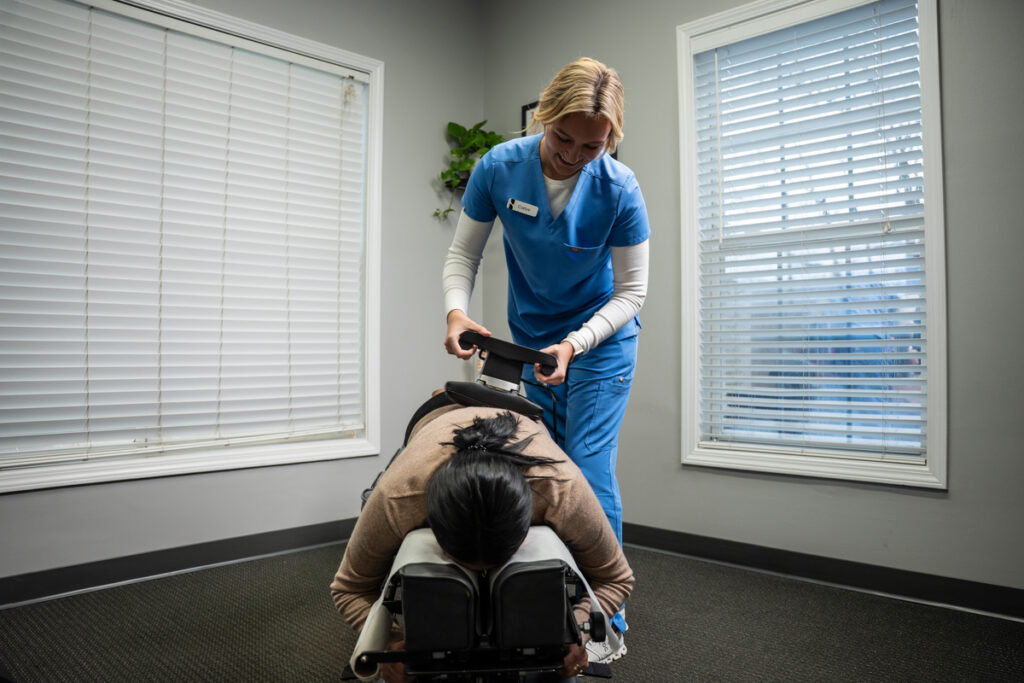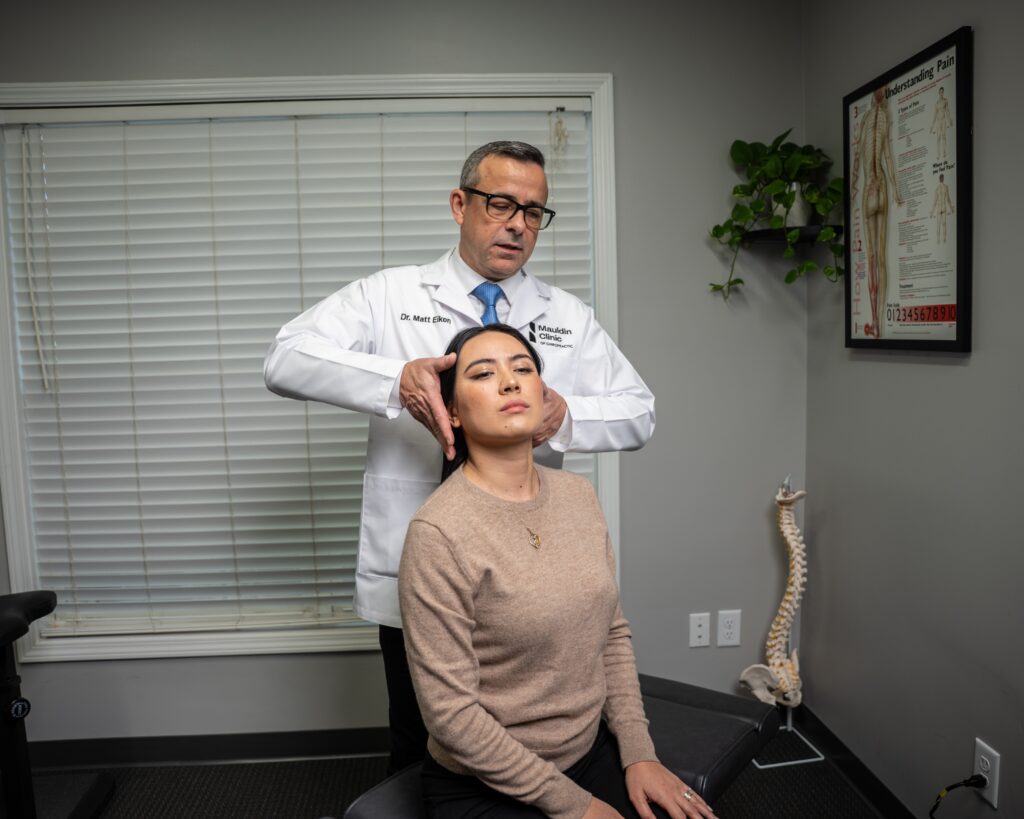

If you’ve ever experienced neck pain, you know how debilitating it can be. Fortunately, there are effective techniques to help relieve that discomfort, and chiropractic care stands out as one of the best options available. Through gentle adjustments and holistic approaches, chiropractic care can support your body’s natural healing processes and promote overall wellness.
In addition to chiropractic adjustments, there are several soothing techniques you can incorporate into your daily routine to alleviate neck pain. Let’s explore these methods and how they can complement your recovery journey:
- Gentle Stretching: Regularly incorporating gentle neck stretches can help improve flexibility and reduce tension in the muscles. Just a few minutes of stretching each day can make a significant difference.
- Targeted Massage: While chiropractic care provides structural alignment, adding targeted massage can enhance relaxation and blood flow. Focus on the areas around your neck and shoulders for the best results.
- Heat Therapy: Applying a warm compress or heating pad can soothe tight muscles and improve circulation. This can be a great complement to your chiropractic treatments.
- Posture Awareness: Being mindful of your posture, especially while sitting or using electronic devices, can prevent further strain on your neck. Consider ergonomic adjustments to your workspace to support your spine’s natural alignment.
- Hydration: Keeping your body well-hydrated is crucial for maintaining the health of your spinal discs. Aim to drink plenty of water throughout the day.
- Rest and Recovery: Giving your body time to heal is essential. Ensure you’re getting enough rest and consider incorporating relaxation techniques, such as deep breathing or meditation, into your routine.
- Chiropractic Care: Most importantly, regular visits to your chiropractor can significantly enhance your recovery. Chiropractors use specific techniques to realign the spine, relieve pressure on nerves, and promote healing without the need for invasive procedures or medications.
Remember, it’s essential to find what works best for your individual situation. By integrating these soothing techniques alongside chiropractic care, you can support your body’s healing process and move towards a healthier, pain-free life. Embrace the journey to wellness, and know that you’re taking proactive steps to achieve optimal health!
Gentle Stretching Exercises
When you’re experiencing discomfort from a neck injury, integrating gentle stretching exercises into your daily routine can significantly enhance your recovery. These movements not only improve flexibility but also help to reduce stiffness and increase blood flow to the affected area.
Begin by gently tilting your head to one side, holding that position for 15-30 seconds before switching to the other side. This simple stretch can relieve tension and promote better mobility. Additionally, consider slowly rotating your neck in a circular motion. This technique can help alleviate built-up tension and is an excellent way to encourage movement in your neck.
Incorporating shoulder rolls into your regimen can also be beneficial. By lifting your shoulders towards your ears and then rolling them back and down, you’re not only stretching your neck but also relieving tightness in your upper back. This holistic approach can enhance your overall comfort.
Always listen to your body; if any movement causes pain, it’s important to stop immediately and reassess. Regular practice of these stretches, several times a day, can be incredibly helpful. By making gentle stretching a part of your routine, you’re likely to experience relief and regain your mobility more swiftly.
Remember, while these exercises are beneficial, chiropractic care is the most effective way to address the root cause of your neck pain and promote optimal health. A chiropractor can provide personalized adjustments and guidance tailored to your specific needs, supporting your journey toward natural healing and wellness.
Embrace these gentle stretches and consider chiropractic care as a powerful ally on your path to recovery.
Hot and Cold Therapy
When you’re dealing with a neck injury, incorporating hot and cold therapy can be a game-changer for your recovery. As a chiropractor, I want to emphasize that these methods can complement your chiropractic care, helping you achieve optimal health naturally.
Heat therapy is fantastic for relaxing tight muscles and improving blood flow. When you apply heat to your neck, it can soothe discomfort and promote healing by increasing circulation. You can use a warm towel, heating pad, or even take a warm shower to enjoy the benefits of heat therapy.
On the other hand, cold therapy is effective for reducing inflammation and numbing pain. Applying a cold pack or ice wrapped in a cloth can help minimize swelling and provide immediate relief from acute pain. Just remember to use cold therapy for about 15-20 minutes at a time to avoid skin damage.
By alternating between hot and cold therapy, you can maximize your healing process. Start with cold therapy to address inflammation, then switch to heat to relax those tense muscles. This approach works well alongside chiropractic adjustments, which align your spine and support your body’s natural healing abilities.
Always listen to your body—if something doesn’t feel right, it’s essential to consult with your chiropractor. Together, we can create a tailored plan that suits your specific needs and promotes a healthier, pain-free life.
Benefits of Heat Application
Heat application can be a wonderful tool for relieving neck injuries, and as your local chiropractor, I want to share how it can help you on your journey to optimal health. When you apply heat, it increases blood flow to the area, which promotes healing and reduces stiffness.
Here are some of the key benefits of using heat for neck discomfort:
- Relaxation of tense muscles: Applying heat helps to soothe tight muscles, making it easier for you to move your neck without pain.
- Increased flexibility: The warmth from heat therapy can make your neck more pliable, which is essential for recovery and maintaining healthy movement.
- Pain relief: Heat can effectively dull pain signals, providing you with temporary relief while your body heals naturally.
- Improved circulation: Enhanced blood flow brings essential nutrients to the injured area, supporting your body’s natural healing process.
- Soothing comfort: The comforting sensation of warmth can help ease your discomfort, making you feel more relaxed overall.
In addition to heat therapy, consider incorporating regular chiropractic adjustments into your routine. Chiropractic care focuses on addressing the root causes of pain and promoting overall wellness.
By aligning your spine and ensuring proper function, you can enhance your body’s ability to heal itself naturally.
To maximize the benefits of heat therapy, here are a few tips:
- Use a warm towel or heating pad for 15-20 minutes at a time.
- Make sure the heat is comfortable; it should feel soothing, not burning.
- Combine heat therapy with gentle stretches to improve flexibility.
- Stay hydrated to support your body’s healing processes.
Remember, a holistic approach to health that includes chiropractic care, heat therapy, and mindful movement can lead to lasting relief and improved well-being.
If you have any questions about how chiropractic care can benefit you, don’t hesitate to reach out!
Cold Therapy Advantages
While heat therapy is well-known for its benefits in relieving neck injuries, don’t overlook the powerful advantages of cold therapy. As a chiropractor, I emphasize the importance of a holistic approach to healing, and cold therapy can play a significant role in your recovery journey.
Cold therapy is especially effective in reducing inflammation and swelling after a neck injury. When you apply a cold pack or ice to the affected area, it constricts blood vessels, which helps limit fluid buildup and can lead to a faster recovery.
Moreover, cold therapy numbs the area, offering immediate pain relief that can help you feel more comfortable and regain your mobility.
It’s important to remember to use cold therapy right after an injury or during flare-ups for the best results. For effective application, use a cold pack for 15-20 minutes at a time, and always place a cloth or towel between the ice and your skin to avoid frostbite.
Incorporating cold therapy into your recovery plan, alongside chiropractic care, can enhance your overall healing process. Chiropractic adjustments can help realign your spine and improve function, allowing your body to heal more naturally and efficiently.
Together, these methods can provide a comprehensive approach to pain relief and wellness. Always consult with your chiropractor for personalized advice on managing your neck injury and optimizing your recovery.
Massage Techniques
When it comes to relieving neck injuries, chiropractic care offers exceptional benefits for pain relief and overall wellness. While self-massage techniques can provide immediate comfort, seeking out a chiropractor can lead to deeper healing and long-lasting results. Chiropractors are skilled in assessing your spine and nervous system, ensuring that any underlying issues contributing to your neck pain are addressed effectively.
One effective approach is trigger point therapy, which can be part of your chiropractic care. This technique targets specific areas of tension in the muscles surrounding the neck, helping to alleviate discomfort and improve mobility.
Additionally, regular chiropractic adjustments can help realign the spine, reducing strain on the neck and promoting better posture.
For at-home relief, consider gentle neck stretches and maintaining proper ergonomics while sitting or working. Keeping your spine aligned and ensuring your workspace is set up to support good posture can go a long way in preventing further injury.
Remember, chiropractic care is a natural approach to healing that focuses on your body’s ability to restore itself. By prioritizing spinal health, you can achieve optimal wellness and enjoy a pain-free life.
If you’re experiencing neck pain, don’t hesitate to consult with your chiropractor for a personalized plan to help you feel your best.
Self-Massage Techniques
Self-massage techniques can be a valuable addition to your wellness routine, particularly for relieving neck pain and tension.
While chiropractic care is the optimal choice for addressing spinal health and achieving lasting relief, incorporating self-massage can complement your overall wellness strategy.
Here are some effective self-massage techniques that can help ease discomfort and improve flexibility:
- Gentle Finger Pressure: Use your fingertips to apply gentle pressure to any tight knots you feel in your neck. This can help to release tension and promote relaxation.
- Tennis Ball Roll: Find a tennis ball and place it between your neck and a wall. Gently roll the ball to target specific areas of discomfort. This method can provide focused relief and help to loosen tight muscles.
- Neck Stretching: Gently tilt your head from side to side to stretch your neck. This simple movement can help increase mobility and alleviate stiffness.
- Warm Compress: Applying heat with a warm towel before massaging can enhance relaxation and prepare your muscles for deeper relief.
- Foam Roller Use: If you have a foam roller, utilize it to release tension along your upper back. This can help to improve posture and alleviate neck strain.
Remember, while these self-massage techniques can offer immediate relief, regular chiropractic care is essential for addressing the root causes of neck pain and ensuring your spine remains healthy.
By making these practices part of your routine, you can support your overall well-being and enjoy a more comfortable, mobile lifestyle.
Always consult with your chiropractor for personalized advice tailored to your specific needs.
Professional Massage Benefits
Incorporating professional massage into your wellness routine can be a beneficial complement to chiropractic care. While professional massage can help alleviate tension and pain, it’s important to remember that chiropractic adjustments are specifically designed to address spinal alignment and overall health. A skilled chiropractor can identify and correct misalignments in your spine that may be contributing to your discomfort.
Massage therapy can certainly provide relief by targeting specific areas of tension and promoting relaxation, but it works best in conjunction with regular chiropractic visits. Together, these therapies can improve circulation, reduce muscle stiffness, and enhance flexibility—key factors in recovering from neck injuries and maintaining good spinal health.
In addition to seeking chiropractic care, here are some general tips to support your wellness journey:
- Stay Active: Regular exercise strengthens your muscles and supports spinal alignment. Simple stretches and low-impact activities can be very effective.
- Practice Good Posture: Be mindful of your posture while sitting and standing. Proper alignment can prevent tension from building up in your neck and back.
- Hydrate: Drinking plenty of water helps keep your muscles and joints lubricated, which is essential for recovery and overall health.
- Listen to Your Body: If you feel discomfort or tension, don’t ignore it. Addressing issues early through chiropractic care can prevent them from becoming more serious.
- Maintain a Healthy Diet: A balanced diet rich in vitamins and minerals supports healing and overall wellness.
By prioritizing chiropractic care and incorporating these healthy habits, you can achieve optimal health and well-being, ensuring lasting relief and comfort for your neck and spine.
Trigger Point Therapy
Trigger point therapy is a specialized technique that focuses on specific tight areas within your muscles that can lead to pain and discomfort elsewhere in your body. By applying targeted pressure to these trigger points, you can help release tension, alleviate pain, and enhance your overall mobility. This therapy is particularly beneficial for neck injuries, as it addresses the underlying issues causing discomfort.
As a chiropractor, I want to highlight the many benefits of trigger point therapy and how it can complement your journey to optimal health:
- Reduces Referred Pain: Trigger point therapy can help alleviate pain that may be radiating to surrounding areas, allowing for a more comfortable day-to-day experience.
- Increases Blood Flow: Improved circulation to the affected muscles means faster healing and recovery, which is essential for restoring your neck’s functionality.
- Enhances Flexibility and Range of Motion: Regularly addressing tight muscles can lead to greater flexibility, making it easier for you to move without discomfort.
- Promotes Relaxation: The release of muscle tension not only helps with physical pain but also promotes stress relief, contributing to your overall well-being.
- Aids in Faster Recovery: Incorporating trigger point therapy into your recovery routine can be a key component in bouncing back from injuries more quickly.
For those looking to improve their health and wellness naturally, consider incorporating trigger point therapy alongside regular chiropractic care. This combination can provide significant relief and support your body’s ability to heal itself.
Here are some general tips you can apply to enhance your wellness journey:
- Stay Hydrated: Drinking plenty of water supports muscle function and recovery.
- Practice Good Posture: Maintaining proper posture can help reduce the strain on your neck and back.
- Regular Stretching: Incorporating daily stretches can keep your muscles flexible and reduce the likelihood of trigger points developing.
- Listen to Your Body: If you notice areas of tightness or discomfort, address them early on to prevent bigger issues down the line.
By choosing chiropractic care as your primary approach to pain relief and overall wellness, you’re taking a proactive step towards a healthier, pain-free life.
Proper Ergonomics
As a local chiropractor, I want to share how proper ergonomics can significantly help you prevent and relieve neck injuries. It’s essential to create a workspace that promotes good posture and spinal health. Start by positioning your computer screen at eye level to avoid tilting your head up or down. This simple adjustment can make a big difference in reducing strain on your neck.
Your chair is another critical component. Choose one that provides support for your lower back, which encourages good posture and helps maintain the natural curve of your spine. Keep your feet flat on the floor or use a footrest to ensure stability while you work.
If you find yourself sitting for long periods, remember to take regular breaks. Stand up, stretch, and move around to keep your body engaged and reduce tension in your neck and back.
Additionally, adjust your keyboard and mouse so that your wrists remain straight and your arms are close to your body, which will help maintain a relaxed position.
When it comes to using mobile devices, try to hold them at eye level instead of bending your neck down. This will significantly reduce the strain on your neck muscles and help you feel more comfortable.
By creating an ergonomic environment, you can lower your risk of neck pain and enhance your overall comfort. This not only allows you to work more effectively but also contributes to your overall wellness.
Mindfulness and Relaxation Techniques
Creating an ergonomic workspace is an essential step in reducing neck strain, but it’s also crucial to address the mind-body connection for comprehensive relief. As a chiropractor, I believe that incorporating mindfulness and relaxation techniques can significantly enhance your journey toward pain relief and optimal wellness.
These practices help manage stress and tension, which can worsen neck pain. Here are some effective methods you can easily integrate into your daily routine:
- Deep Breathing: Take a moment to focus on your breath. Inhale deeply through your nose, allowing your abdomen to rise, and exhale slowly through your mouth. This simple technique calms your mind and helps reduce tension in your body.
- Progressive Muscle Relaxation: This technique involves tensing and then relaxing different muscle groups, starting from your feet and working your way up to your neck. It helps you become more aware of areas where you may be holding tension.
- Meditation: Spend a few minutes each day in silence, focusing on your thoughts and feelings without judgment. This practice can help you cultivate a sense of peace and reduce anxiety, contributing to overall wellness.
- Gentle Yoga: Engaging in gentle yoga can promote flexibility and strength in your neck and shoulders. Simple stretches can help alleviate tightness and improve your range of motion.
- Visualization: Picture yourself in a peaceful environment, like a quiet beach or a tranquil forest. This mental imagery can help ease anxiety and physical discomfort, guiding your mind toward relaxation.
Remember, while these techniques are beneficial, they work best when combined with regular chiropractic care. Chiropractic adjustments can help realign your spine, relieve pressure on nerves, and enhance your overall well-being.
Over-the-Counter Pain Relief
When neck pain strikes, it can be frustrating and uncomfortable. While over-the-counter (OTC) pain relief medications like ibuprofen or acetaminophen may provide temporary relief, it’s important to understand that these are just quick fixes.
Chiropractic care offers a more holistic approach to managing neck pain and promoting overall wellness. Chiropractic adjustments can help realign the spine and relieve tension in the neck, addressing the root cause of the pain rather than just masking the symptoms. Regular visits to a chiropractor can’t only alleviate discomfort but also enhance your body’s natural ability to heal itself.
In addition to chiropractic adjustments, there are several natural strategies you can incorporate into your daily routine. Here are a few tips to help manage neck pain effectively:
- Stay Active: Engage in gentle exercises and stretches that focus on the neck and upper back. Simple neck rolls and shoulder shrugs can help relieve tightness.
- Practice Good Posture: Be mindful of your posture, especially when sitting at a desk or looking at your phone. Keeping your head aligned with your spine can prevent strain on your neck.
- Use Heat or Cold Therapy: Applying a warm compress or ice pack can help reduce inflammation and soothe sore muscles.
- Stay Hydrated: Drinking plenty of water supports overall health and helps maintain the elasticity of spinal discs.
- Mindfulness and Relaxation Techniques: Stress can contribute to muscle tension. Incorporating relaxation practices like deep breathing, meditation, or yoga can help reduce stress and promote relaxation.
Remember, while OTC medications may offer temporary relief, they don’t address the underlying issues that may be causing your neck pain. Chiropractic care is a natural, effective solution that not only helps with pain relief but also fosters long-term wellness.
If your neck pain persists, don’t hesitate to reach out to a chiropractor who can provide personalized care and support on your journey to optimal health.
Professional Treatment Options
If over-the-counter pain relief and natural strategies aren’t quite cutting it for your neck pain, it may be time to explore professional treatment options that prioritize natural healing and wellness.
As a local chiropractor, I want to share some effective methods that can help you find relief and promote optimal health.
- Chiropractic Care: This is the cornerstone of natural healing for neck pain. Through gentle adjustments, we can realign your spine, relieve tension, and restore proper function to your neck. Chiropractic care not only alleviates pain but also helps improve your overall health by enhancing your body’s ability to heal itself.
- Physical Therapy: While chiropractic care is often the best first step, physical therapy can complement your treatment. Specific exercises and stretches designed by professionals can help improve mobility and strengthen your neck muscles.
- Massage Therapy: Incorporating therapeutic massage can be a wonderful addition to your chiropractic care. It helps relax tight muscles, improve circulation, and enhance the effectiveness of spinal adjustments.
- Acupuncture: For those interested in holistic approaches, acupuncture can be beneficial. This technique uses fine needles to stimulate healing and reduce pain, working well alongside chiropractic care.
Here are some general tips to help manage neck pain at home:
- Maintain Good Posture: Be mindful of your posture, especially when sitting at a desk or using your phone. Keeping your head aligned with your spine can reduce strain on your neck.
- Stay Active: Gentle movements and stretches can keep your neck flexible and prevent stiffness. Consider incorporating neck stretches into your daily routine.
- Apply Heat or Cold: Using a warm compress or ice pack can provide temporary relief and reduce inflammation.
Remember, chiropractic care is a powerful and natural way to treat neck pain effectively. Don’t hesitate to reach out to your chiropractor to discuss the best plan tailored specifically for you.
Your journey to optimal health starts with understanding and caring for your spine!