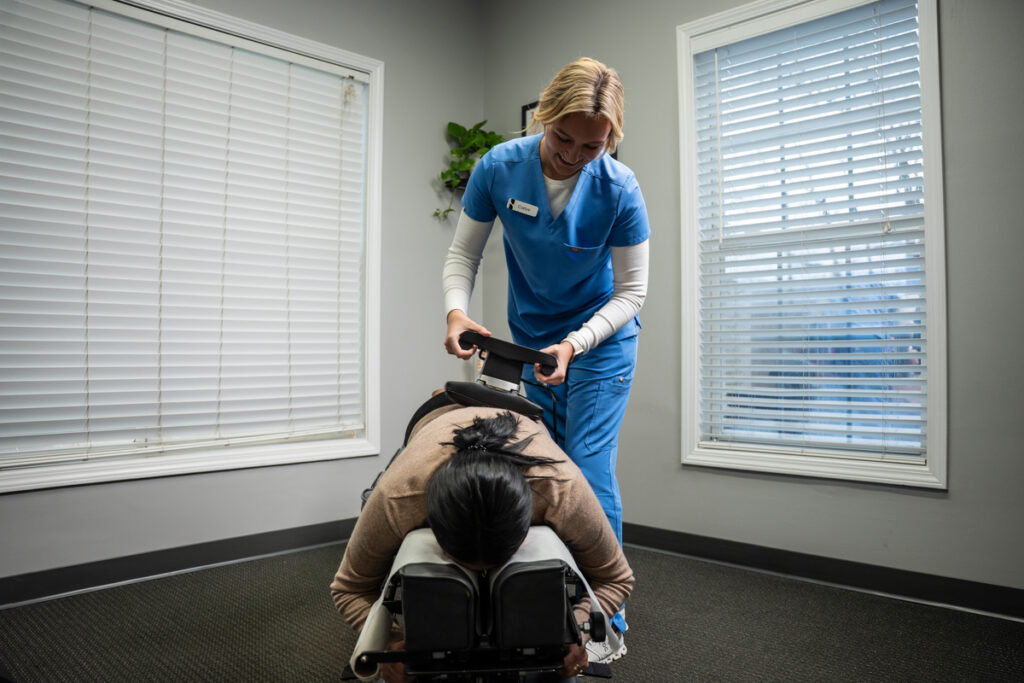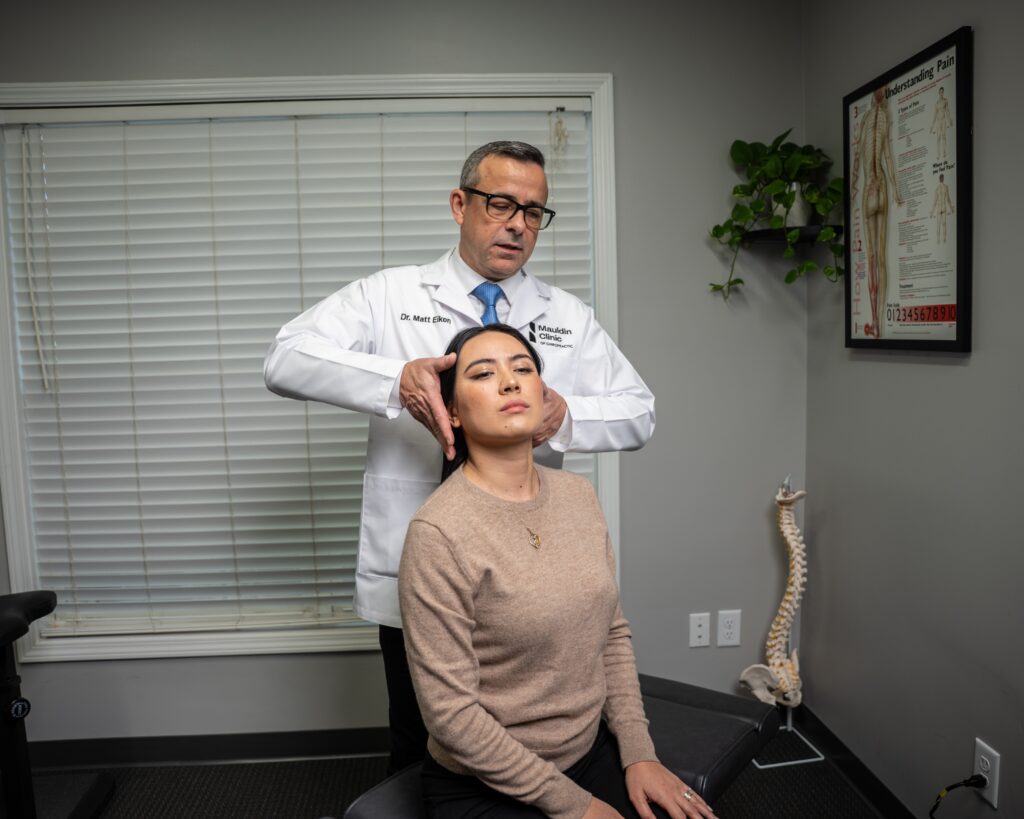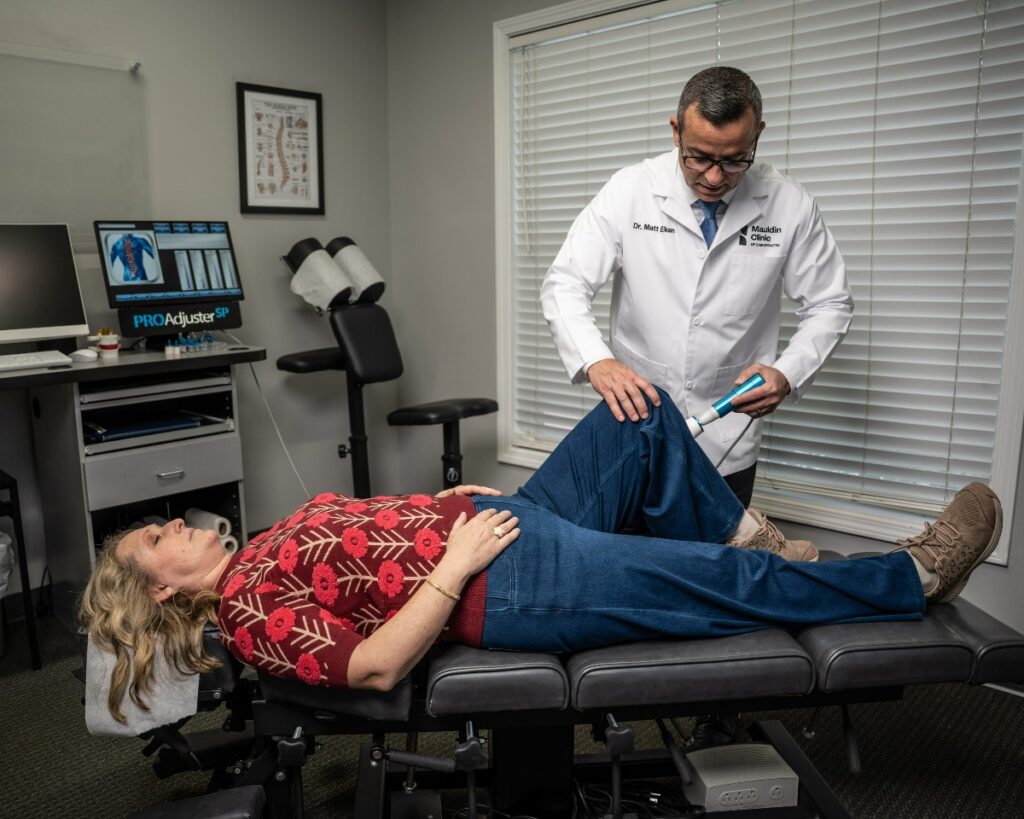

If you’ve ever felt restricted in your movements, chiropractic adjustments may be just what you need. These gentle, precise adjustments are key to enhancing your flexibility and overall range of motion. By correcting spinal misalignments, chiropractic care promotes better posture, which lays the groundwork for improved mobility.
But that’s only the beginning! There are many other methods you can incorporate alongside chiropractic adjustments to further enhance your flexibility. Here, we’ll explore how these adjustments can complement your wellness journey and provide you with practical tips for achieving optimal health.
- Regular Adjustments: Consistent chiropractic visits help maintain spinal alignment and support your body’s natural healing processes.
- Stretching: Pairing chiropractic care with regular stretching routines can significantly improve your flexibility. Focus on gentle stretches that target tight areas.
- Hydration: Staying well-hydrated is vital for your overall health. It helps keep your muscles and joints lubricated, enhancing your ability to move freely.
- Strengthening Exercises: Incorporating strength training can support your spine and improve your posture, which in turn helps with flexibility.
- Mindfulness and Relaxation Techniques: Practices such as yoga or meditation can reduce tension in your body, allowing for greater ease of movement.
- Proper Footwear: Wearing supportive shoes can reduce strain on your spine and joints, contributing to better posture and flexibility.
- Warm Up Before Activity: Always take time to warm up your muscles before engaging in physical activity to prevent injuries and improve your flexibility.
- Listen to Your Body: Pay attention to how your body feels. If you notice tightness or discomfort, it might be time to schedule a chiropractic adjustment.
- Balanced Diet: Eating a nutritious diet supports your overall health and helps your body function at its best, including maintaining flexibility.
- Maintain a Healthy Weight: Keeping a healthy weight reduces unnecessary strain on your spine and joints, contributing to better mobility and flexibility.
By integrating chiropractic adjustments into your wellness routine and following these simple tips, you can take significant steps towards achieving better flexibility and overall health. Remember, chiropractic care is a natural and effective way to enhance your well-being without the need for medications or surgery. Let’s work together to help you feel your best!
Chiropractic Adjustments for Improved Range of Motion
When it comes to enhancing your flexibility, chiropractic adjustments can be a game-changer for improving your range of motion. These adjustments focus on correcting misalignments in your spine and joints, which helps relieve tension and restore proper function. By addressing these issues, you may find yourself experiencing less stiffness and greater mobility, allowing you to move more freely in your daily life.
Chiropractors use gentle techniques to align the spine and other joints effectively, promoting ideal posture and reducing discomfort. As your body responds to these adjustments, you might notice an increase in flexibility within your muscles and connective tissues. This newfound range of motion can significantly enhance your performance in physical activities, whether you’re playing sports or simply engaging in everyday tasks.
In addition to improving flexibility, regular chiropractic care can also help prevent future injuries by keeping your body in proper alignment. Incorporating chiropractic adjustments into your wellness routine is a proactive way to achieve and maintain optimal health.
Here are some simple tips to complement your chiropractic care and support your flexibility journey:
- Stay Active: Regular physical activity, such as walking, swimming, or yoga, can help maintain your flexibility.
- Stretch Daily: Incorporate gentle stretching into your routine to enhance your muscle elasticity and joint mobility.
- Stay Hydrated: Drinking plenty of water can help keep your muscles and joints lubricated, promoting better movement.
- Listen to Your Body: Pay attention to any signs of discomfort or stiffness, and don’t hesitate to reach out to your chiropractor for guidance.
Embrace the journey toward a more flexible and healthier you! Remember, chiropractic care is one of the best natural paths to achieving pain relief and overall wellness.
The Role of Yoga in Enhancing Flexibility
Yoga is a fantastic tool for enhancing flexibility, and it works hand-in-hand with chiropractic care to support your overall health and wellness. By combining physical postures with breath control and mindfulness, yoga helps to improve your range of motion and muscle elasticity. As a chiropractor, I often see the benefits of yoga reflected in my patients’ spinal health and overall physical performance.
When you engage in regular yoga practice, you’ll notice that your joints move more freely and your muscles become more pliable. The various poses target different muscle groups, allowing you to stretch deeply and safely. This is where chiropractic care can complement your yoga practice, as it helps to align your spine and improve your posture, making your stretches more effective.
Focusing on your breath during yoga not only helps you relax but also allows you to deepen each stretch. This mindful approach can prevent injuries and promote greater flexibility over time. Listening to your body and making adjustments as needed is crucial, and chiropractic care can provide you with the guidance and support to do just that.
To enhance your flexibility and health, consider incorporating these tips into your routine:
- Stay Consistent: Regular practice is key to improving flexibility. Aim for short daily sessions rather than sporadic long ones.
- Warm Up: Always warm up your body before stretching, as this prepares your muscles and reduces the risk of injury.
- Listen to Your Body: Pay attention to how your body feels during each pose. If something doesn’t feel right, take a step back or consult with your chiropractor.
- Pair Yoga with Chiropractic Adjustments: Regular chiropractic care can help maintain proper spinal alignment and enhance the benefits of your yoga practice.
Stretching Techniques to Increase Flexibility
How can you effectively increase your flexibility and support your overall health? One of the most beneficial methods is through various stretching techniques. As a chiropractor, I emphasize the importance of flexibility for maintaining a healthy spine and preventing injuries.
Dynamic stretching, which involves moving your body parts through their full range of motion, is an excellent practice to incorporate into your warm-up routine before any physical activity. Simple exercises like arm circles and leg swings can get your muscles ready for action.
After your workout, static stretching becomes essential. Hold each stretch for 15-30 seconds, focusing on key areas such as your hamstrings, quadriceps, and back muscles. This helps to alleviate tension and promote relaxation.
For even greater benefits, consider incorporating PNF (Proprioceptive Neuromuscular Facilitation) stretching. This technique involves contracting a muscle before stretching it, which can enhance your flexibility and improve your overall movement. Additionally, active stretching—where you hold a position without any assistance—can boost both your strength and flexibility.
Consistency is crucial! Aim to engage in stretching at least three times a week. As you commit to this practice, you’ll likely notice improvements in your flexibility, which can lead to better performance in a variety of physical activities.
Remember, a flexible body supports a healthy spine, and chiropractic care can play a vital role in this journey. Regular chiropractic adjustments can help align your spine, improve your range of motion, and enhance your overall well-being.
The Benefits of Regular Massage Therapy
While many people view massage therapy as a luxury, it actually provides numerous benefits for both your physical and mental health, especially when combined with chiropractic care. Regular massages can help ease muscle tension, improve circulation, and enhance your flexibility, which is crucial for maintaining a healthy spine and overall well-being.
When your circulation improves, it allows essential nutrients to reach your muscles more effectively, aiding in recovery and reducing soreness after physical activity.
Moreover, massage therapy plays a vital role in reducing stress and anxiety. By helping to lower cortisol levels and boost serotonin, it creates a sense of calm and relaxation that complements the adjustments you receive from chiropractic care. This combination can lead to improved sleep quality, which is essential not only for your daily energy but also for optimal recovery and health.
Incorporating regular massage into your wellness routine, alongside chiropractic adjustments, can enhance your body’s function and nurture your mind. Whether you’re an athlete striving for peak performance or simply someone aiming to feel better in your everyday life, the benefits of massage therapy, paired with chiropractic care, are undeniable.
Here are a few tips to maximize the benefits of both massage therapy and chiropractic care:
- Schedule Regular Appointments: Consistency is key. Regular visits to your chiropractor and massage therapist can help maintain your body’s balance and health.
- Communicate with Your Providers: Share your goals and concerns with both your chiropractor and massage therapist. This way, they can tailor their approaches to your specific needs.
- Stay Hydrated: Drinking plenty of water before and after your sessions can help flush out toxins and keep your muscles hydrated, aiding in recovery.
- Practice Good Posture: Maintaining proper posture throughout your day can reduce strain on your spine and muscles, helping to extend the benefits of your treatments.
- Incorporate Gentle Stretching: Gentle stretching can enhance your flexibility, further supporting the adjustments made during chiropractic care and the benefits gained from massage therapy.
Embracing both massage therapy and chiropractic care is a powerful way to achieve optimal health naturally. Together, they can provide a comprehensive approach to pain relief and wellness, helping you to live your best life.
Foam Rolling for Muscle Recovery and Flexibility
Foam rolling can be a fantastic addition to your routine for muscle recovery and flexibility, especially when paired with chiropractic care. This simple yet effective technique helps release tension in your muscles and improve blood flow, making it easier to stay limber and free from pain.
As a chiropractor, I often emphasize the importance of maintaining a healthy spine and overall body wellness, and foam rolling can complement your chiropractic adjustments beautifully.
Here are some effective foam rolling techniques that you can incorporate into your wellness routine:
- Target Major Muscle Groups: Focus on areas that commonly hold tension, such as your back, thighs, and calves. Rolling over these muscles can help reduce tightness and improve your range of motion.
- Use Your Body Weight: Apply gentle pressure while rolling slowly over the foam roller. The goal is to find tight spots and spend a little extra time on those areas to release the tension.
- Breathe Deeply: As you roll, remember to breathe deeply. This helps relax your muscles more effectively and enhances the release of tension.
- Stay Consistent: Incorporate foam rolling into your routine at least a few times a week. Consistency is key for maintaining flexibility and preventing pain.
- Combine with Chiropractic Care: Regular chiropractic adjustments can enhance the benefits of foam rolling by ensuring your spine is aligned and functioning optimally. This combination promotes overall wellness and can significantly reduce recovery time after physical activity.
Remember, foam rolling is a self-care practice that should enhance your chiropractic treatment, not replace it.
If you experience persistent pain or discomfort, consult with your chiropractor for personalized advice and care tailored to your specific needs. Together, we can help you achieve optimal health and a pain-free lifestyle!
Benefits of Foam Rolling
When you’re looking to enhance your muscle recovery and flexibility, incorporating foam rolling into your routine can be remarkably beneficial, especially when paired with chiropractic care.
Foam rolling helps release muscle tightness and soreness, making it easier for you to move freely. By applying pressure to specific areas, you stimulate blood flow, which promotes healing and reduces recovery time—an essential aspect of maintaining a healthy spine and overall well-being.
Additionally, foam rolling can improve your overall flexibility by breaking up adhesions in the fascia, allowing your muscles to stretch more effectively. This increased flexibility can be particularly helpful for maintaining proper alignment and balance in your body, which is something we focus on in chiropractic care.
You’ll also find that foam rolling can assist with injury prevention by maintaining muscle elasticity, which is vital for a healthy, active lifestyle.
So, whether you’re coming off a tough workout or just aiming for better mobility, foam rolling is a simple yet powerful tool to include in your wellness regimen, alongside regular chiropractic visits.
Remember, combining foam rolling with chiropractic care can lead to optimal results in pain relief and overall health.
As always, listen to your body and consult with your chiropractor to create a personalized plan that works best for you.
Prioritize your health and consider these practices as part of your journey toward a healthier, more active life.
Techniques for Effective Rolling
To maximize the benefits of foam rolling for muscle recovery and flexibility, it’s essential to use effective techniques that support your overall spinal health.
Start by selecting the right foam roller; a firmer one can help target deeper tissues, promoting better alignment and reducing discomfort. When rolling, maintain a slow and controlled pace to allow your muscles to relax and release tension.
Focus on tight spots, spending extra time on areas that feel sore or tense, as this can help relieve pressure that may affect your spine. Utilize your body weight to apply pressure while being mindful to avoid rolling directly over joints or bony areas, as this can lead to discomfort.
Incorporating deep breathing while rolling can further ease tension and promote relaxation, making it a great addition to your wellness routine. Aim for 1-2 minutes per muscle group, and don’t forget to hydrate afterward to support muscle recovery.
By integrating these techniques into your self-care routine, you’ll enhance your flexibility and promote faster recovery, all while taking care of your spine.
Dynamic Warm-Ups to Prepare Your Body
Dynamic warm-ups are a vital component in preparing your body for physical activity, especially when it comes to maintaining a healthy spine and avoiding injury. These movements not only enhance flexibility but also boost blood flow to your muscles, setting the stage for a successful workout and promoting overall wellness.
Unlike static stretching, dynamic warm-ups involve active movements that help loosen your joints and activate the muscles you’ll be using, which is crucial for spinal health.
Begin your warm-up with simple exercises like leg swings, arm circles, or torso twists. These movements engage your core and limbs while mimicking the activities you’ll perform during your workout. Gradually increasing the intensity of these exercises not only warms up your body but also improves your range of motion, which can help alleviate discomfort and reduce the risk of injury.
Aim to spend about 5 to 10 minutes on your dynamic warm-ups, paying special attention to areas related to your workout. Keep your movements smooth and controlled; this will prepare your body and spine for the physical demands ahead.
With a proper warm-up, you’ll feel more agile and ready to tackle your workout, leading to better performance and flexibility gains.
Remember, caring for your body through dynamic warm-ups is part of a holistic approach to health. By incorporating these practices, you not only enhance your physical performance but also support your overall wellness.
For those experiencing pain or discomfort, consider chiropractic care as a natural and effective way to achieve optimal health and well-being. Your spine will thank you!
Incorporating Resistance Training for Flexibility Gains
When you think about improving flexibility, you mightn’t initially consider resistance training, but it can play a crucial role in your overall health and wellness. As a chiropractor, I want to highlight how incorporating resistance training into your routine can’t only enhance flexibility but also build strength, which is essential for maintaining a healthy spine and preventing injuries.
Resistance training helps to strengthen the muscles that support your spine, improving your posture and reducing the risk of pain. When your muscles are strong and balanced, they can better support your body’s movements, allowing you to move freely and with greater flexibility. This is particularly important for maintaining spinal health, as a strong foundation can help alleviate pressure on the vertebrae and nerves.
Here are a few key exercises you can incorporate into your routine to improve flexibility while also building strength:
- Bodyweight Squats: These not only strengthen your legs but also improve hip flexibility. Make sure to keep your back straight and knees aligned with your toes.
- Lunges: Lunges engage multiple muscle groups and help stretch the hip flexors. Aim for a deep lunge to maximize the stretch.
- Resistance Band Stretches: Using a resistance band can enhance your flexibility. For example, lying on your back and using a band to pull your leg towards you can stretch your hamstrings effectively.
- Planks: While primarily a strength exercise, planks also engage your core and promote spinal alignment, which is essential for overall flexibility.
In addition to these exercises, consider visiting your chiropractor for personalized advice and adjustments that can enhance your resistance training and flexibility efforts. Chiropractic care focuses on aligning your spine and improving your overall body function, which can aid in achieving better flexibility and strength.
Remember, achieving optimal health is a journey, and integrating resistance training into your routine is a fantastic step towards a stronger, more flexible you.
With consistent effort and the right guidance, you can enhance your wellness naturally, without the need for medications or invasive procedures.
Benefits of Resistance Training
While many people think of resistance training primarily as a way to build strength, it also offers valuable benefits for flexibility—something that can greatly enhance your overall health and wellness.
When you add resistance exercises to your routine, you promote muscle elasticity and improve joint mobility. This leads to a better range of motion, which is crucial for everyday activities and overall physical performance.
By engaging your muscles against resistance, you encourage them to lengthen and adapt, which can help alleviate tension and discomfort in your body. This is especially important for maintaining a healthy spine, as balanced muscles support proper alignment.
Additionally, resistance training can help correct muscle imbalances, allowing your body to move more efficiently and reducing the risk of injury.
To maximize your flexibility, consider combining resistance training with regular stretching. This combination not only enhances your flexibility but also promotes a more resilient body that can handle daily tasks with ease.
If you experience any discomfort or pain during these exercises, it’s important to consult with a chiropractor. They can offer guidance on proper techniques and help you create a personalized plan that supports your unique body needs.
Ultimately, incorporating resistance exercises into your routine isn’t just about building strength; it’s about fostering a healthier, more flexible body.
Remember, by prioritizing natural methods like chiropractic care and resistance training, you’re taking a proactive approach to your health and well-being.
Take small steps each day towards a stronger, more flexible you!
Key Exercises to Try
Incorporating resistance training into your fitness routine can significantly enhance your flexibility, which is vital for overall health and wellness. These exercises not only build strength but also promote a greater range of motion, helping to alleviate tension and discomfort in your body.
As a chiropractor, I encourage you to consider these key exercises that can complement your spinal health and improve your flexibility:
- Resistance Band Stretching: Using resistance bands can deepen your stretches, targeting major muscle groups. This can help relieve tension in your back and improve your spinal alignment.
- Weighted Lunges: When you add weights to lunges, it intensifies the stretch in your hip flexors and quads. This not only strengthens these areas but also supports better posture and spinal stability.
- Deadlifts: When performed with proper form, deadlifts can enhance flexibility in the hamstrings and lower back. This is essential for maintaining a healthy spine and preventing injuries.
- Shoulder Press: This exercise builds shoulder strength and improves upper body flexibility. A flexible upper body can lead to better spinal health and reduce the risk of shoulder and neck pain.
Remember, when incorporating these exercises, it’s essential to focus on your form and listen to your body. If you experience any discomfort or pain, it’s best to consult with your chiropractor.
Regular chiropractic care can also help ensure that your spine is in alignment, which supports your overall flexibility and well-being. By integrating these exercises into your routine while maintaining chiropractic care, you can achieve optimal health and a pain-free lifestyle.
The Impact of Hydration on Muscle Elasticity
Hydration is crucial for maintaining muscle elasticity, which is important for your overall health and wellness. When your body is well-hydrated, your muscles can stretch and contract efficiently, helping you move better and feel more comfortable. Conversely, when you’re dehydrated, your muscles can become stiff and prone to cramping, which may affect your performance and daily activities.
To support your muscle flexibility and overall well-being, it’s important to drink enough water throughout the day. This means not just chugging water before or after exercise, but making hydration a regular part of your routine. You can also enhance your water intake by incorporating hydrating foods into your meals, such as fruits and vegetables, which aren’t only refreshing but also packed with essential nutrients.
Be mindful of your body’s signals. If you find yourself feeling fatigued or notice a decrease in your flexibility, it could be a sign to reassess your hydration habits. Staying properly hydrated is essential for keeping your muscles elastic and ready for movement, which can ultimately lead to better physical performance and comfort.
As a chiropractor, I want to emphasize the importance of a holistic approach to health. Along with staying hydrated, regular chiropractic care can help optimize your body’s function and support your muscles and joints.
By addressing any misalignments in your spine, chiropractic adjustments can improve your overall mobility and flexibility, making it easier for you to stay active and pain-free.
Mindfulness and Breathing Exercises for Flexibility
To enhance your flexibility and overall well-being, incorporating mindfulness and breathing exercises can be incredibly effective. As a chiropractor, I believe in the power of natural healing and how these practices not only calm your mind but also foster a deeper connection with your body.
When you focus on your breath, you can release built-up tension, allowing your muscles to stretch more comfortably and effectively.
Here are some key benefits of mindfulness and breathing exercises for flexibility:
- Increased Body Awareness: By tuning into your physical sensations, you can identify areas of tightness, which is essential for maintaining a healthy spine and preventing discomfort.
- Enhanced Relaxation: Deep breathing techniques help reduce stress, which can impede your flexibility. When your body is relaxed, your muscles can stretch more freely, supporting better spinal health.
- Improved Focus: Mindfulness encourages concentration on your movements, making your stretching routines not only more effective but also safer, which is crucial for avoiding injuries.
- Better Alignment: Using specific breathing techniques can help you maintain proper posture during your stretches. This alignment is vital for achieving maximum benefits and promoting overall spinal wellness.
Here are some simple tips you can incorporate into your daily routine:
- Practice Deep Breathing: Take a few moments each day to breathe deeply. Inhale slowly through your nose, letting your belly expand, and exhale gently through your mouth. This can help release tension in your muscles and enhance flexibility.
- Mindful Stretching: As you stretch, focus on each movement. Notice how your body feels and where you might be holding tension. This awareness can help you adjust your stretches for better results.
- Create a Routine: Set aside time each day for mindfulness and stretching. Consistency is key to improving flexibility and supporting your spine’s health.
- Stay Hydrated: Drinking enough water is essential for muscle function and flexibility. Hydration can help keep your muscles pliable and reduce the risk of injury.
By integrating these mindfulness and breathing techniques into your lifestyle, you can support your flexibility and overall health naturally.
Chiropractic care complements these practices, providing you with a holistic approach to achieving optimal wellness without the need for medications or surgeries.
Consistency: The Key to Long-Term Flexibility Improvement
To truly enhance your flexibility, consistency is key. As a local chiropractor, I emphasize the importance of establishing a routine that not only includes stretching but also incorporates chiropractic care to support your spine and overall wellness.
By regularly visiting your chiropractor, you can address any misalignments that may hinder your flexibility and mobility.
Tracking your progress is another great way to stay motivated. Simple methods, like keeping a journal or using an app, can help you see how far you’ve come.
Set realistic goals for your flexibility journey, and remember that small, incremental improvements can lead to significant changes over time.
Incorporating chiropractic adjustments into your routine can help alleviate pain and stiffness, allowing you to stretch and move more freely.
Additionally, consider complementary practices such as yoga or Pilates, which can further enhance your flexibility while promoting a healthy spine.
Remember, achieving long-term flexibility isn’t just about stretching; it’s about creating a solid foundation for your body.
By prioritizing chiropractic care and consistency, you’re investing in your health and well-being.
Keep these tips in mind, and take steps towards a more flexible and pain-free life!
Establishing a Routine
While many people view flexibility as a natural gift, establishing a consistent routine is crucial for anyone seeking to enhance their range of motion and overall wellness. A regular practice not only improves flexibility but also strengthens your body and helps prevent injuries.
As a chiropractor, I believe that incorporating chiropractic care into your routine can significantly contribute to achieving your health goals. Here are some tips to help you get started on your journey to better flexibility and overall health:
- Set specific goals: Think about what you want to achieve. Whether it’s touching your toes or mastering a split, clear goals can guide your practice. Remember, chiropractic adjustments can help align your spine and improve your body’s overall function, making it easier to reach these goals.
- Choose a time: Find a time each day that fits into your schedule, whether it’s morning, afternoon, or evening. Consistency is key, and chiropractic care can help you maintain a regular routine by keeping your body in optimal condition.
- Mix it up: To keep your routine engaging, incorporate various stretches and techniques. Consider seeking guidance from your chiropractor on specific stretches that can enhance your flexibility while also promoting spinal health.
- Stay patient: Flexibility is a gradual process, so be gentle with yourself and celebrate small victories along the way. Regular chiropractic adjustments can support your progress by ensuring your body is functioning at its best, which can lead to quicker improvements.
By following these tips and integrating chiropractic care into your routine, you can achieve greater flexibility, reduce pain, and enhance your overall well-being.
Tracking Your Progress
Tracking your progress is essential for anyone looking to improve their flexibility and overall well-being. As a chiropractor, I believe that understanding your body’s movements and how they change over time can be incredibly beneficial for your health. By keeping a record of your stretches and workouts, you can discover which methods work best for you and where you may need to put in a little extra effort.
Consider using a simple journal or a user-friendly app to log your daily routines. Make note of how far you can stretch and any improvements you notice in your range of motion. This practice not only helps you stay motivated and accountable but also allows you to celebrate small victories along the way.
Regular self-assessment is a great way to keep your goals in sight. Visual feedback can also be a powerful tool. Taking photos or videos of your progress can provide encouragement and help you see how far you’ve come. Remember, consistency is key! Make tracking your flexibility progress a regular part of your routine.
In addition to tracking, consider incorporating chiropractic care into your wellness journey. Regular adjustments can enhance your spinal health, improve your range of motion, and support your flexibility goals. By aligning your spine, you allow your body to function at its best, making it easier to achieve your health objectives naturally.
Always listen to your body and adjust your routines as needed. With each entry in your journal, you gain valuable insights that can guide you closer to your flexibility and wellness goals. Embrace the journey, and remember that chiropractic care is here to support you every step of the way!
Setting Realistic Goals
As you monitor your progress towards better flexibility, it’s essential to set realistic goals that align with your aspirations for natural wellness. This approach not only keeps you motivated but also helps prevent unnecessary frustration.
Here are some key points to consider when defining your goals:
- Start Small: Focus on achievable targets, such as improving your hip flexor stretch by just an inch. Small steps can lead to significant improvements over time.
- Be Specific: Instead of saying “I want to be more flexible,” pinpoint the specific areas you wish to enhance, like your lower back or hamstrings. This clarity can help you tailor your chiropractic sessions more effectively.
- Set a Timeline: Establish a reasonable timeframe to reach each goal. For instance, aim for noticeable changes within a month, allowing for gradual and safe progression.
- Celebrate Progress: Acknowledge your milestones, no matter how small they may seem. Celebrating these achievements helps maintain motivation and keeps you engaged in your wellness journey.
Remember, chiropractic care can play a vital role in supporting your flexibility and overall health by addressing spinal alignment and promoting natural healing.