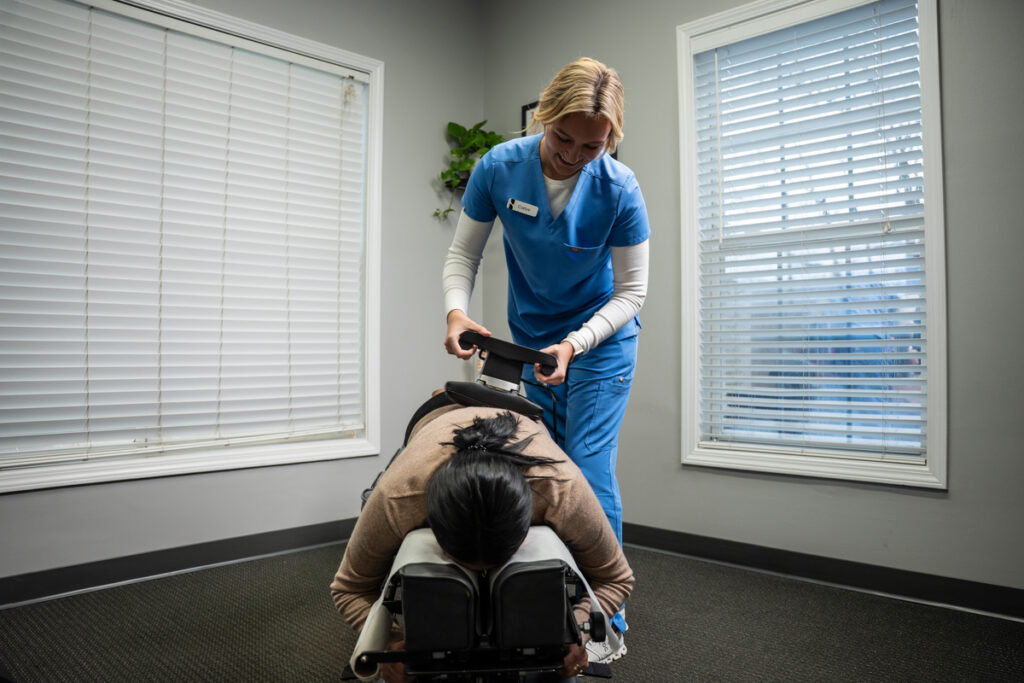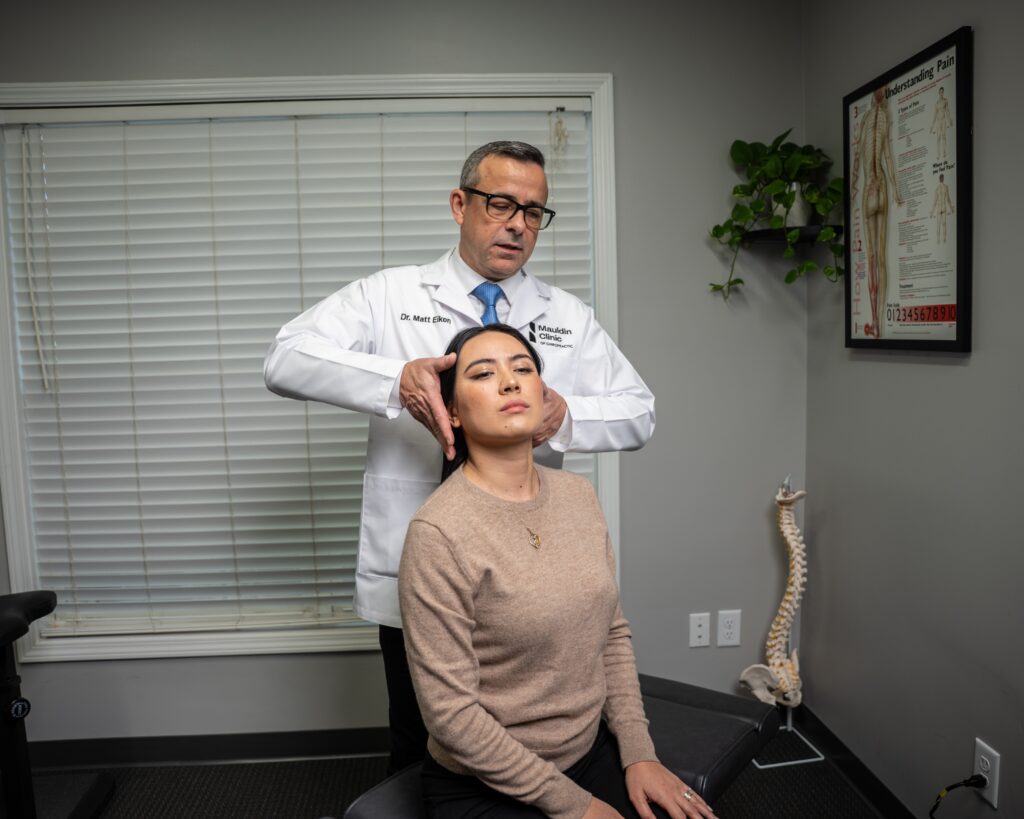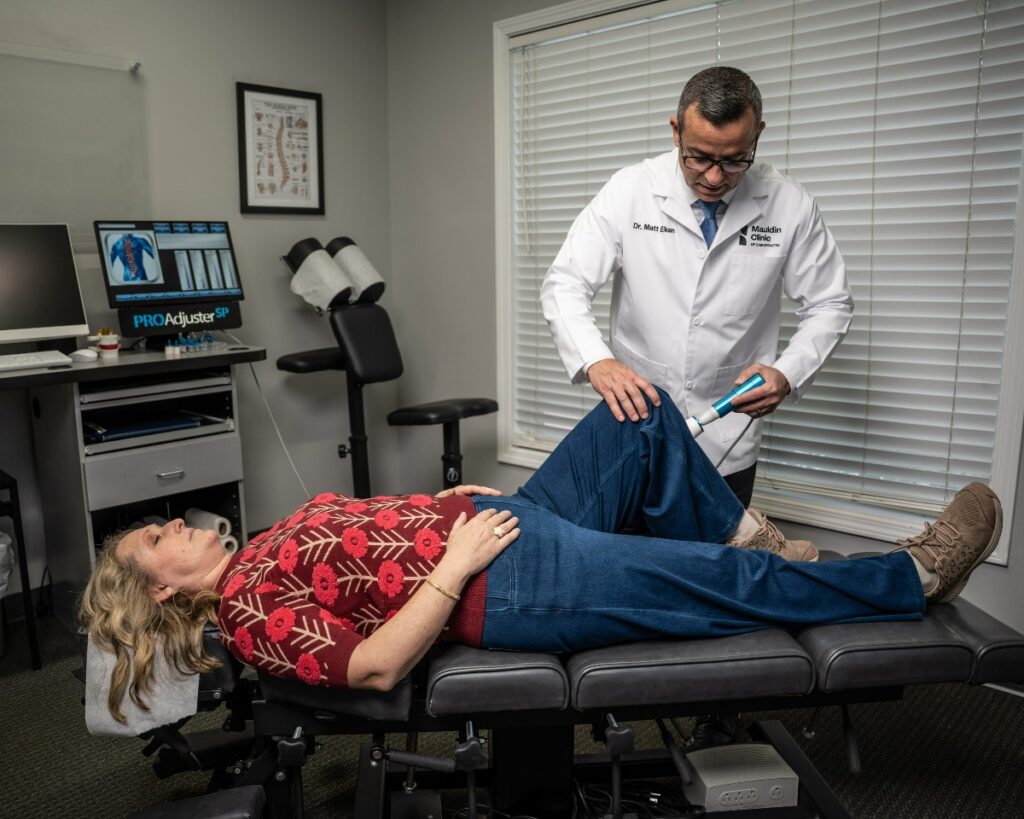

As a local chiropractor, I want to emphasize that recovery is just as crucial as training for athletes and anyone engaged in physical activity. It’s not solely about pushing your limits; it’s about providing your body with the care it requires to recover and become even stronger. Elements like sleep and nutrition play significant roles in your recovery journey. If you’re looking to enhance your recovery and overall performance, let me share seven effective strategies that can help you take the right steps towards optimal healing and well-being.
Prioritize Sleep for Optimal Recovery
As a local chiropractor, I want to emphasize the importance of prioritizing sleep for optimal recovery, especially if you’re engaged in intense training. Sleep is a crucial part of the healing process; it allows your body to repair muscles, balance hormones, and restore energy levels. To enhance your recovery, aim for 7 to 9 hours of quality sleep each night.
Establishing a consistent sleep schedule is key. Going to bed and waking up at the same time every day helps regulate your internal clock, making it easier to fall asleep and wake up refreshed.
I also recommend creating a calming bedtime routine. This could include dimming the lights, reducing screen time, and engaging in relaxing activities such as reading or gentle stretching.
Your sleep environment plays a significant role in how well you rest. Make sure your bedroom is cool, dark, and quiet to promote better sleep.
If you find it difficult to drift off, consider incorporating techniques like deep breathing or meditation into your routine.
Remember, the more you prioritize sleep, the better your body will respond to your training efforts, ultimately reducing your risk of injury and boosting your performance.
Investing in your sleep is investing in your recovery, and as your chiropractor, I can assure you that your body will thank you for it.
Fuel Your Body With Nutrient-Rich Foods
As a local chiropractor, I want to emphasize the importance of not only focusing on your physical training but also on how you fuel your body with nutrient-rich foods. Proper nutrition is vital for recovery and enhancing your overall performance, especially after those intense workouts.
Your muscles require essential nutrients to repair and grow stronger, which is where nutrition comes into play. Incorporating lean proteins like chicken, fish, and legumes into your meals can significantly support muscle recovery.
Additionally, be sure to include complex carbohydrates from whole grains, fruits, and vegetables in your diet, as these foods provide the energy necessary for your next training session.
Let’s not overlook the role of healthy fats, which are crucial for your overall health and can help reduce inflammation. Sources like avocados, nuts, and olive oil should be part of your regular intake.
Also, staying well-hydrated is essential for your body’s function and recovery. Make it a habit to drink plenty of water throughout the day, and consider electrolyte-rich beverages after particularly intense exercises.
Incorporate Active Recovery Techniques
As a local chiropractor, I want to share some valuable insights about active recovery techniques that can significantly enhance your post-workout routine and overall well-being. Many people may not realize that these techniques can help promote blood flow, reduce muscle soreness, and aid in the healing process.
Instead of collapsing on the couch after a challenging workout, I encourage you to engage in light activities such as walking, cycling, or swimming. These low-intensity exercises keep your muscles engaged while allowing your body to recover effectively. They can stimulate circulation and help flush out any lactic acid that may have built up during your workout.
In addition to light activities, incorporating stretching or yoga into your routine can be incredibly beneficial. These practices not only improve flexibility but also help release tension that accumulates during physical activity.
Another excellent method to consider is foam rolling; this technique helps break down muscle knots and enhances blood flow, promoting quicker recovery.
The great news is that incorporating active recovery doesn’t need to be time-consuming. Just dedicating 15-30 minutes to light activity can make a significant difference in how your body feels.
It’s essential to listen to your body and remember that the goal is to aid recovery without overexerting yourself.
Utilize Compression Therapy
As your local chiropractor, I want to share with you a powerful tool that can significantly enhance your recovery process: compression therapy. Many of my patients may not be familiar with this technique, but it can be a game-changer for your overall wellness.
Compression therapy involves applying pressure to your muscles, which helps improve blood circulation and reduce swelling. You might consider using compression garments, such as sleeves or socks, to target specific areas of concern. Alternatively, pneumatic compression devices offer a more dynamic approach that can also be beneficial.
Wearing these garments during and after your workouts can play a crucial role in flushing out metabolic waste and promoting faster muscle recovery. Many of my patients have reported experiencing less soreness and stiffness, which allows them to train harder and more frequently.
Additionally, compression therapy can help mitigate the risk of injury by providing essential support to your muscles and joints during physical activity.
Incorporating compression therapy into your routine is simple and effective. I encourage you to choose the right level of compression based on your individual needs, and always listen to your body as you explore this natural recovery method.
Explore the Benefits of Massage
As a local chiropractor, I want to share the incredible benefits of massage therapy, especially if you’re unfamiliar with chiropractic care and natural healing.
Massage is an excellent complementary treatment that can significantly aid your recovery journey. It effectively reduces muscle tension and soreness, allowing you to return to your activities more quickly and comfortably.
By enhancing circulation, massage promotes better blood flow, which means that oxygen and nutrients reach your muscles more efficiently, speeding up the healing process. You may also experience improved flexibility and a greater range of motion, which can help prevent injuries in the future.
Moreover, massage isn’t just about physical recovery; it also plays a vital role in promoting relaxation. This can alleviate the stress and anxiety that often accompany intense physical training.
Mental well-being is just as crucial as physical health, and regular massage sessions can enhance your overall performance by keeping both your body and mind in optimal condition.
Incorporating massage into your wellness routine addresses immediate physical concerns and supports your long-term health.
I encourage you to prioritize massage therapy as part of your recovery plan; the benefits you’ll experience can positively impact your life both on and off the field.
Stay Hydrated for Peak Performance
As a local chiropractor, I want to emphasize that effective recovery goes beyond just physical adjustments; staying hydrated plays a crucial role in achieving your peak performance.
Proper hydration is essential for your body to function optimally, allowing you to train harder and recover more efficiently. When you maintain good hydration levels, you can enhance your endurance, minimize fatigue, and improve your overall athletic performance.
Here are some important tips to ensure you’re drinking enough fluids:
- Stay proactive about hydration: Instead of waiting until you feel thirsty, make it a habit to sip water throughout your day.
- Check your urine color: A light yellow shade typically indicates you’re well-hydrated, while a darker yellow can be a signal that you need to increase your fluid intake.
- Incorporate electrolyte-rich beverages: Especially after intense workouts, these drinks can help replenish essential minerals that your body loses.
Manage Stress and Mental Well-being
As a local chiropractor, I want to emphasize that while physical training is vital for your athletic performance, managing stress and prioritizing your mental well-being are equally crucial for your overall recovery.
High-pressure situations can impact your mental health, which in turn affects your focus and motivation. To help alleviate this, consider incorporating relaxation techniques such as deep breathing, meditation, or yoga into your routine. These practices can help clear your mind and reduce anxiety, promoting a sense of calm.
It’s also important to recognize the value of social support. Surround yourself with friends, family, or teammates who encourage and uplift you. Sharing your thoughts and feelings can help lighten your emotional burden and foster a supportive environment.
Make sure to carve out time for hobbies or activities that you enjoy. Engaging in these pursuits allows your mind to recharge and can significantly contribute to your mental clarity.
Additionally, never underestimate the importance of a balanced diet and adequate sleep; both play a vital role in maintaining your mental health.
By prioritizing these aspects of your well-being, you’ll not only recover physically more quickly but also enhance your performance on the field or court.
Conclusion
As a local chiropractor, I want to share some valuable insights on how you can enhance your recovery process and overall athletic performance through natural healing methods. First and foremost, prioritizing sleep is crucial; it allows your body to repair and rejuvenate. Pair that with fueling your body with nutritious foods, and you’ll provide the essential building blocks for recovery.
Incorporating active recovery techniques, such as gentle stretches or low-impact exercises, can also be beneficial. Don’t overlook the importance of therapies like compression and regular massage; these methods help relax your muscles and improve circulation, which is vital for recovery. Staying hydrated is another key aspect; adequate hydration supports peak performance and helps prevent injuries.
Moreover, managing stress through relaxation techniques—such as deep breathing or mindfulness—can keep you focused and motivated. By embracing these strategies, you’ll not only recover faster but also enhance your athletic performance. Remember, taking care of your body is an investment in your health, and I’m here to guide you on this journey to better recovery and performance. Your body and mind will truly appreciate it!