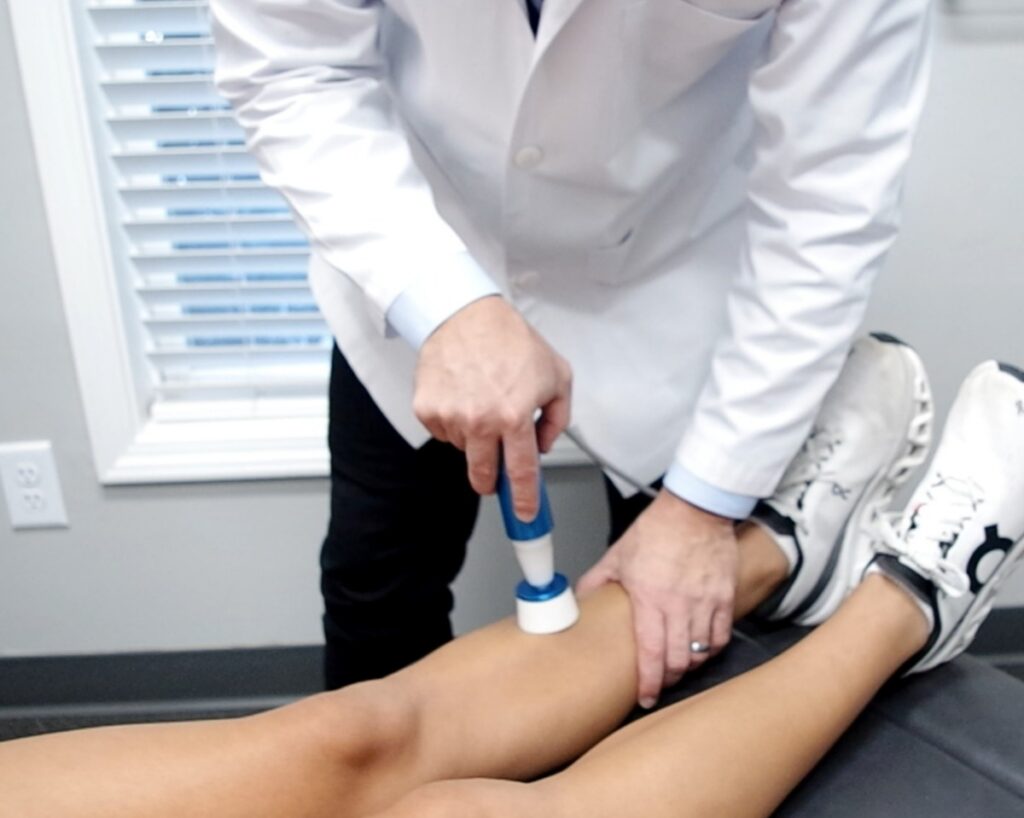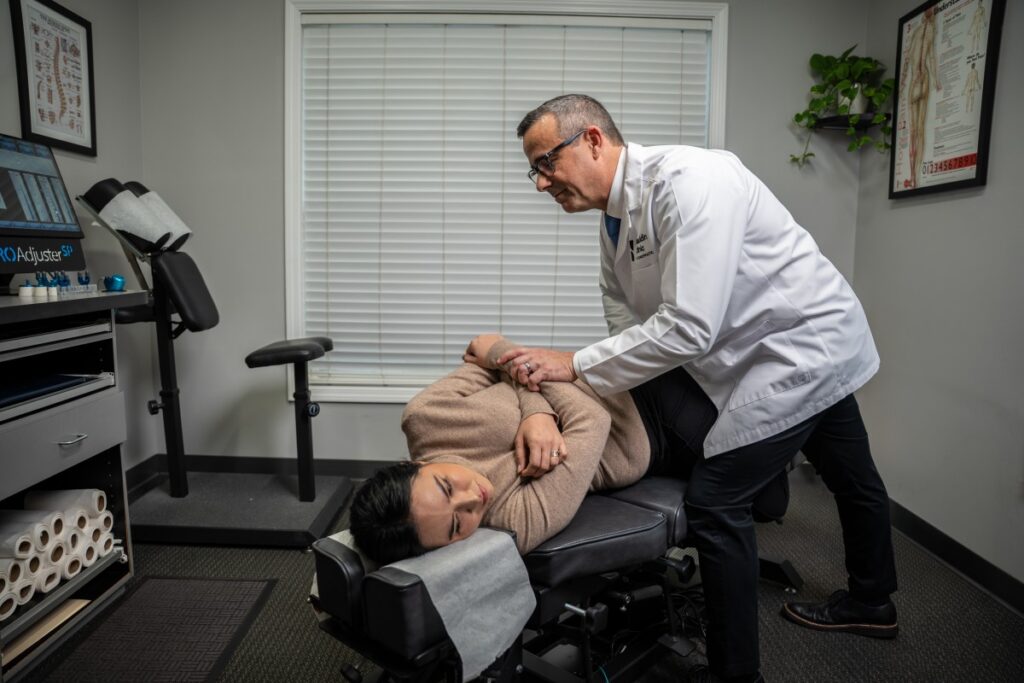

When it comes to treating infants and toddlers, prioritizing safe and gentle techniques is essential for their health and comfort. Understanding their unique anatomy is vital, as it allows us to approach their care with calmness and expertise. Chiropractic care is an excellent option for ensuring the well-being of your little ones, as it focuses on natural healing and wellness without the need for medications or invasive procedures.
From addressing common issues like colic and ear infections to supporting healthy growth and development, chiropractic adjustments can help infants and toddlers thrive. Recognizing signs of discomfort or distress in your child is crucial, and a gentle chiropractic approach can provide relief while promoting overall wellness.
In case of emergencies or health concerns, it’s important to stay calm and seek guidance from a qualified chiropractor who specializes in pediatric care. Here are some key practices to keep your little ones safe and healthy:
- Gentle Touch: Always use a soft touch when handling your child, especially in sensitive areas. Chiropractic techniques for infants are gentle and specifically designed for their delicate systems.
- Regular Check-ups: Consider regular chiropractic check-ups for your child. Early assessments can help identify potential issues before they become bigger problems.
- Observe and Communicate: Pay attention to your child’s cues. If they are fussy or seem uncomfortable, consult with your chiropractor for advice on how spinal health may be affecting them.
- Promote Healthy Habits: Encourage movement and play as part of their daily routine. Physical activity supports spinal health and overall well-being.
- Natural Remedies: Look for natural ways to soothe your child, such as warm baths or gentle massages, which can complement chiropractic care.
By focusing on these practices and considering the benefits of chiropractic care, you can help ensure that your infants and toddlers are safe, healthy, and on the path to optimal wellness. Remember, every step you take in caring for their health matters.
Understanding Infant and Toddler Anatomy
Understanding the intricacies of infant and toddler anatomy is essential for anyone caring for young children. Their bodies are still developing, which makes them more vulnerable to injuries and illnesses. For example, their skulls are softer, increasing the risk of head injuries. It’s important to be aware that their trachea is narrower, so respiratory issues can escalate quickly.
When it comes to skin, it’s thinner and more sensitive, which heightens the risk of rashes and irritations. Their immune systems are still maturing, making them more susceptible to infections. This is where gentle touch and careful handling come into play. Their joints are more flexible, which can lead to an increased chance of dislocations, emphasizing the need for a gentle approach in all interactions.
As a chiropractor, I believe that understanding these anatomical differences can significantly aid in recognizing signs of distress or discomfort in infants and toddlers. Chiropractic care offers a natural and effective way to support their developing bodies, ensuring they grow strong and healthy.
Here are a few tips for promoting wellness in young children:
- Gentle Movement: Encourage gentle movement and play to help their developing joints and muscles. Simple activities like tummy time can promote strength and coordination.
- Healthy Posture: Pay attention to their posture as they grow. Supporting them in maintaining good posture can prevent future discomfort as they become more mobile.
- Regular Check-ups: Consider regular chiropractic check-ups. These visits can help ensure their spines are aligned properly, promoting overall health and well-being.
- Natural Remedies: Focus on natural remedies for common ailments. For example, gentle massages can soothe discomfort and promote relaxation.
First Aid Basics for Young Children
Knowing how to respond in emergencies involving young children is essential for anyone caring for them. First and foremost, it’s important to remain calm; your composure can help soothe a child in distress.
While it’s crucial to have knowledge of basic first aid techniques, including CPR and how to handle choking, it’s equally important to understand how chiropractic care can play a role in overall well-being and recovery.
Keep a first aid kit handy, stocked with essentials like band-aids, antiseptic wipes, and gauze, but also consider incorporating natural remedies that support healing. For example, gentle chiropractic adjustments can help improve a child’s overall nervous system function, which is vital during recovery from any injury.
If a child gets hurt, assess the situation calmly. For minor cuts and scrapes, clean the wound gently and apply a bandage. While you’re tending to the injury, consider how a chiropractic check-up could help ensure that their spine and nervous system are functioning optimally, supporting their body’s natural healing processes.
In the case of more serious injuries, like fractures or severe bleeding, seek emergency help immediately. Always keep emergency contact numbers accessible, but remember that ongoing chiropractic care can also aid in recovery and pain relief after an injury, promoting a healthier lifestyle in the long run.
Finally, consider taking a first aid course tailored for children, but also look into understanding how chiropractic care can enhance their overall health. Being prepared with knowledge about both first aid and natural wellness can make all the difference in ensuring a child’s safety and well-being.
Safe Medication Administration
When it comes to caring for infants and toddlers, ensuring their health and wellness is paramount. As a chiropractor, I believe in the power of natural healing and the body’s ability to thrive without the need for medications.
Instead of focusing on medication, let’s explore how chiropractic care can support your child’s development and comfort. Chiropractic care is a gentle, non-invasive approach that can help promote optimal spinal health and overall well-being in your little ones.
Proper spinal alignment not only supports pain relief but also enhances their immune function and nervous system efficiency. This means your child can enjoy a healthier, more vibrant life without relying on medicines.
Here are some simple tips to support your child’s wellness:
- Monitor Posture: Encourage your child to maintain good posture while sitting, playing, or even during tummy time. This helps support their spine and nervous system.
- Gentle Touch: If you notice any discomfort or tension in your child, consider gentle massage or chiropractic adjustments tailored for infants and toddlers. This can alleviate discomfort naturally.
- Regular Check-Ups: Just like adult chiropractic care, infants and toddlers can benefit from regular check-ups to ensure their spine is healthy and aligned as they grow.
- Healthy Lifestyle: Promote a balanced diet rich in fruits, vegetables, and whole grains to support their overall health and development.
- Stay Active: Encourage playtime and physical activity that promotes movement and flexibility. This is essential for developing strong muscles and a healthy spine.
By focusing on these natural methods, you can help ensure your child’s wellness journey is a smooth one, free from the complications of medications.
Proper Dosage Measurement
Proper dosage measurement is crucial for ensuring the health and well-being of infants and toddlers, as even the smallest mistake can lead to serious repercussions.
While medication may be necessary at times, it’s essential to remember that chiropractic care can often provide natural alternatives for pain relief and overall wellness for children.
Here are four key tips to consider when it comes to medication, alongside the benefits of chiropractic care:
- Use a syringe or dropper: These tools offer precise measurements, ensuring that your little one receives the right amount. However, keep in mind that chiropractic care can help address many health concerns without the need for medication.
- Check the label: Always verify the dosage instructions tailored to your child’s weight and age. In many cases, chiropractic adjustments can help improve your child’s health and reduce the need for medication altogether.
- Avoid household items: Using kitchen spoons can lead to incorrect dosing. Instead, consider exploring chiropractic options, which focus on natural healing and may alleviate discomfort without relying on medications.
- Double-check your work: Always measure twice to prevent any mistakes before giving medication. Additionally, regular visits to a chiropractor can foster a healthier lifestyle, helping your child thrive and maintain optimal health.
Age-Appropriate Formulations
When it comes to the health of infants and toddlers, it’s important to prioritize safe and natural approaches to wellness. As a chiropractor, I believe in the body’s ability to heal itself, and that includes our little ones. Instead of turning to medications, consider exploring natural methods to support your child’s health.
Young children have unique needs, and their bodies respond differently to treatments. For example, gentle chiropractic care can help with common issues like colic or sleep disturbances by ensuring that their spine is aligned and their nervous system is functioning optimally. This can lead to improved overall health and wellness without the need for medications.
When looking for ways to support your child’s health at home, consider these tips:
- Nutrition: Offer a balanced diet rich in whole foods. Fresh fruits and vegetables, whole grains, and lean proteins can support their growth and development.
- Hydration: Ensure they’re drinking plenty of water throughout the day. Staying hydrated is essential for overall health.
- Gentle Movement: Encourage play and physical activity. This helps with muscle development and coordination, and it’s also a great way for children to relieve stress.
- Sleep Routine: Establish a calming bedtime routine to help your child get the restful sleep they need for healthy growth.
- Mindfulness and Relaxation: Simple breathing exercises or relaxation techniques can help even young children manage stress and anxiety.
Always consult with a pediatric chiropractor who can provide specialized care tailored to your child’s needs.
Safe Administration Techniques
Administering medication to infants and toddlers requires careful attention to ensure safety and effectiveness, but it’s important to remember that natural healing methods can often be a better first step.
As a chiropractor, I advocate for holistic approaches to health and wellness that prioritize the body’s innate ability to heal itself. Here are some safe administration techniques to use when giving medication, alongside tips on how chiropractic care can support your child’s health:
- Use the Right Tools: If medication is necessary, always opt for a syringe or dropper for precise dosing. This ensures your little one receives the right amount without confusion. However, consider discussing with your chiropractor alternatives that might be less invasive.
- Stay Calm: Your demeanor significantly influences your child’s experience. A calm and reassuring approach can help ease their anxiety. Remember, chiropractic care not only addresses physical concerns but also promotes a sense of well-being and relaxation.
- Positioning Matters: Hold your child in a comfortable position with their head slightly elevated when administering medication. Proper posture is essential, and a chiropractor can help guide you on the best positions for your child’s overall spinal health.
- Positive Reinforcement: After your child takes their medicine, offer praise or a small reward. This positive reinforcement helps create a good association with health routines, and regular chiropractic visits can also enhance their overall health and wellness journey.
By focusing on these techniques and considering the benefits of chiropractic care, you can help your child develop healthy habits and support their natural healing process.
Proper Techniques for Taking Temperature
When it comes to taking a temperature in infants and toddlers, knowing the right techniques can help ensure a smoother, less stressful experience for both you and your child. It’s important to create a calm environment, as stress can impact not just the temperature reading but your child’s overall well-being.
First, choose a thermometer that suits your needs; digital thermometers are often the easiest and quickest to use. For infants under three months, rectal measurements tend to be the most accurate, while toddlers can have their temperature taken orally or under the arm.
Before you start, make sure to clean the thermometer to maintain hygiene. If you’re using a rectal thermometer, applying a small amount of lubricant can help make the process more comfortable for your little one. Gently insert it about half an inch into the rectum and hold it in place until it beeps.
For oral temperatures, ensure your child hasn’t had anything hot or cold to eat or drink for at least 15 minutes prior. Keeping your child calm and comfortable is essential for getting the most accurate reading.
Remember, while monitoring temperature is important, maintaining overall wellness is key. Chiropractic care can play a vital role in supporting your child’s health by ensuring proper spinal alignment, which can help enhance their immune system and overall vitality.
Regular chiropractic adjustments may help your child feel their best and support their body’s natural healing processes.
Recognizing Allergic Reactions
When it comes to your little ones, recognizing allergic reactions is essential for their health and well-being. As a parent, being aware of common symptoms like rashes, swelling, or difficulty breathing can help you respond swiftly. Identifying triggers early, such as certain foods or environmental factors, is key.
In addition to knowing what to look for, consider incorporating chiropractic care into your child’s wellness routine. Regular chiropractic adjustments can help support their immune system, potentially reducing the frequency and severity of allergic reactions. A well-aligned spine can enhance overall health, allowing the body to function optimally and respond better to allergens.
Being prepared also means knowing the emergency response protocols should an allergic reaction occur. However, with proactive chiropractic care, you can help your child build a stronger defense against allergies naturally.
Remember, small changes in lifestyle, such as maintaining a healthy diet, staying active, and managing stress, can also support your child’s overall wellness.
Common Allergy Symptoms
Recognizing allergic reactions in infants and toddlers can be challenging, as their symptoms may differ from those seen in older children and adults. As a local chiropractor, I believe that understanding these reactions is important for your child’s overall health and wellness.
While chiropractic care primarily focuses on spinal health and natural healing, being aware of common allergy symptoms can help you maintain your little one’s well-being.
Here are some signs to watch for:
- Skin rashes – Red, itchy patches can appear suddenly, making your little one uncomfortable. Keeping their spine aligned can enhance their overall immune response, potentially reducing skin irritations.
- Respiratory issues – If your child has coughing, wheezing, or difficulty breathing, it’s important to assess their spinal health. Misalignments can affect the nervous system, which plays a significant role in lung function and overall respiratory health.
- Gastrointestinal distress – Symptoms like vomiting or diarrhea can indicate an allergic reaction. A healthy spine can support better digestion and nutrient absorption, helping to alleviate some discomfort.
- Swelling – Noticeable swelling of the face, lips, or tongue can signal an allergy, which requires immediate attention. Regular chiropractic care can help ensure that your child’s nervous system is functioning optimally, supporting healthy responses to allergens.
By being aware of these signs, you can act quickly to keep your child safe.
Additionally, consider incorporating regular chiropractic check-ups into your child’s wellness routine. This can promote their natural healing abilities and enhance their overall health, helping them thrive even in the face of allergies.
Identifying Triggers Early
Identifying the specific triggers behind your child’s allergic reactions is crucial for managing their health and well-being effectively. One of the best ways to start is by keeping a detailed diary of your child’s food intake, daily activities, and any unusual behaviors.
Look for patterns—does a rash appear after eating certain foods or playing with specific materials? By being observant, you can help identify what may be causing discomfort.
Environmental factors also play a significant role, especially during seasonal changes. Pay close attention to things like pollen or pet dander that could affect your child’s health.
While consulting with your pediatrician can be helpful for pinpointing allergens through testing, don’t forget that regular chiropractic care can also support your child’s overall wellness. Chiropractic adjustments can help enhance their immune system, which may improve their body’s response to allergens.
Being proactive is key. The sooner you can identify these triggers, the quicker you can take steps to minimize exposure and enhance your child’s comfort.
Remember that early identification not only eases discomfort but also empowers you to create a safer, healthier environment for them. Integrating chiropractic care into your child’s routine can further promote natural healing and support their journey toward optimal health.
Emergency Response Protocols
Allergic reactions can happen suddenly, and being able to identify the signs is crucial for your child’s safety and well-being. Here are four key symptoms you should be aware of:
- Hives or Rash: Look out for red, itchy bumps that can appear quickly and cover large areas of the skin. This can be a sign that your child’s body is reacting to something.
- Swelling: Pay attention to any swelling around the face, lips, or tongue. This could indicate a more serious reaction that needs immediate attention.
- Difficulty Breathing: If your child begins wheezing, coughing, or shows any signs of struggling to breathe, it’s essential to take action right away.
- Gastrointestinal Issues: Symptoms like vomiting, diarrhea, or stomach pain can also be indicators of an allergic reaction, even if they seem mild at first.
Recognizing these symptoms early can be lifesaving. Trust your instincts as a parent. If you notice any of these signs, it’s important to seek medical help immediately.
In addition to being aware of these symptoms, consider incorporating chiropractic care into your family’s health routine. Chiropractic adjustments can help support your child’s overall wellness and may reduce the frequency and severity of allergic reactions by enhancing the function of their nervous system.
Encouraging a healthy lifestyle, including proper nutrition, regular physical activity, and stress management, can also help boost your child’s immune system.
Dealing With Common Injuries
When your little one experiences a common injury, it can be alarming, but knowing how to respond can make a significant difference. First and foremost, stay calm to help soothe your child – your reassurance is key.
For minor cuts and scrapes, gently clean the area with soap and water, and then apply a sterile bandage. These small injuries often heal well with proper care, and supporting your child’s healing process naturally can promote overall wellness.
If your child gets a bruise, using a cold compress can help reduce swelling and ease discomfort. This is a perfect opportunity to talk to your child about the benefits of natural remedies, such as ice, which can enhance recovery without the need for medications.
For bumps on the head, it’s important to observe your child for any unusual behavior, such as excessive drowsiness or vomiting. Should these symptoms arise, it’s best to consult with a healthcare provider.
However, remember that chiropractic care can also contribute to overall brain and spinal health, potentially helping in the recovery from head injuries by ensuring proper alignment.
If your toddler has a burn, running cool water over the area for at least 10 minutes is essential. After that, cover it with a clean cloth. This simple method helps promote natural healing.
In the case of bites or stings, removing the stinger if present and applying a cold pack can be very effective. This not only alleviates pain but also helps reduce inflammation.
Always keep a first-aid kit handy, and remember that regular chiropractic adjustments can help your child maintain optimal health and resilience against injuries.
Chiropractic care focuses on supporting the body’s natural healing processes, which can be beneficial for recovery from injuries. If you’re ever unsure about the severity of any injury, don’t hesitate to reach out to a healthcare provider who understands the value of natural wellness.
Effective Communication With Healthcare Providers
Effective communication with your chiropractor is essential for enhancing your child’s health and overall wellness. When you visit, it’s important to express your concerns clearly. Here are four strategies to help you communicate effectively:
- Prepare Your Observations: Jot down any symptoms or behaviors you’ve noticed in your child related to their spine or overall physical health. This ensures you cover all important points during your visit.
- Be Open and Honest: Share all relevant details about your child’s health, including any past injuries or discomfort. Being transparent allows your chiropractor to provide the most accurate care tailored to your child’s needs.
- Listen and Engage: Pay close attention to the chiropractor’s advice and recommendations. Taking notes can be helpful, especially when they suggest exercises or lifestyle changes that can promote spinal health and natural healing.
- Follow Up with Questions: If you think of more questions after your appointment, don’t hesitate to reach out. Ongoing communication not only builds trust but also ensures that you and your chiropractor can work together effectively to support your child’s well-being.
By following these tips, you can help your chiropractor provide the best care possible, focusing on natural healing and optimal health for your child.
When to Seek Emergency Care
Knowing when to seek emergency care for your child is vital, especially in relation to their overall health and well-being. While chiropractic care is a powerful method for promoting natural healing and optimal wellness, there are times when immediate medical attention is necessary. If you notice signs of severe illness or critical injuries, such as difficulty breathing, severe pain, or significant changes in behavior, it’s essential to act quickly.
Remember that your child’s health can change rapidly, and being vigilant can make all the difference. In addition to seeking appropriate care, consider incorporating chiropractic adjustments into your child’s wellness routine. These adjustments can help maintain spinal health, support the immune system, and promote overall vitality.
Also, here are some general tips to keep in mind for your child’s wellness:
- Encourage regular physical activity to support a healthy spine.
- Ensure they’ve a well-balanced diet rich in whole foods for optimal nutrition.
- Promote good posture to prevent any musculoskeletal issues.
- Make sure they stay hydrated to support overall health.
Signs of Severe Illness
How can you tell if your child needs immediate care? Recognizing the signs of severe illness is crucial for ensuring your little one’s well-being. While chiropractic care focuses on natural healing and optimal health, it’s essential to be aware of certain indicators that may require immediate attention. Here are some signs to watch for:
- High fever: A temperature exceeding 100.4°F (38°C) can be concerning, particularly in infants under three months. It’s important to monitor fevers closely and consult with a healthcare professional if you’re worried.
- Difficulty breathing: If your child seems to be struggling to breathe or shows any bluish discoloration in their skin, seek help without delay. Breathing difficulties can be serious and may require urgent care.
- Persistent vomiting: Frequent vomiting can lead to dehydration, which can be a serious issue for children. Keeping your child hydrated is important, and if vomiting continues, it’s wise to seek advice.
- Unresponsiveness: If your child appears unusually lethargic or is difficult to rouse, this can be a sign of something more serious. Acting quickly in these situations is key.
While these signs may indicate the need for immediate attention, remember that regular chiropractic care can help support your child’s overall health and wellness.
By focusing on spinal health and natural healing, chiropractic care can assist in promoting better immune function, reducing stress, and encouraging a healthier lifestyle.
Trust your instincts—if something feels off, it’s always better to err on the side of caution. Your child’s health is paramount, and maintaining regular check-ups with a chiropractor can be a beneficial part of their overall wellness journey.
Critical Injuries Indicators
In addition to recognizing signs of severe illness, being aware of critical injury indicators can help you determine when to seek emergency care for your child. If your little one has a deep cut that won’t stop bleeding, a broken bone, or a head injury with loss of consciousness, don’t hesitate to act.
It’s essential to monitor for severe pain, difficulty breathing, or inability to move a limb. Swelling or bruising on the head, along with unusual drowsiness or irritability, are also signs that require immediate attention.
While chiropractic care is an excellent choice for promoting overall health and wellness, it’s crucial to recognize when a situation requires urgent medical assistance. In cases of severe injury, getting the right care is vital.
However, once the immediate crisis is addressed, chiropractic care can play a significant role in your child’s recovery. Gentle adjustments can help alleviate pain, promote healing, and improve mobility after an injury.
Always trust your instincts; if you’re unsure, seeking help is the best course of action. Quick action can make a significant difference in your child’s well-being.
And remember, chiropractic care is a natural, drug-free approach to managing pain and supporting recovery, helping your little one get back to their active, healthy self.
Creating a Safe Home Environment
Creating a safe home environment is essential for your infant or toddler’s well-being, as even small hazards can lead to serious accidents. Just as maintaining a healthy spine is crucial for overall wellness, ensuring a safe space for your little one is equally important.
Here are four key actions to evaluate that not only promote safety but also contribute to a nurturing atmosphere for your child:
- Secure furniture: Just like maintaining good posture is vital for spinal health, anchoring heavy furniture such as bookshelves and dressers to the wall can prevent them from tipping over. This simple step helps create a stable environment for your child to explore.
- Cover outlets: Protecting your child’s safety is similar to safeguarding your health. Using outlet covers prevents little fingers from exploring electrical sockets, which can be a common danger. This small action can help keep your child safe while allowing you to focus on maintaining your own wellness.
- Remove choking hazards: Just as chiropractic care helps identify and eliminate barriers to health, removing small objects, including coins and toys with small parts, from your child’s reach can prevent choking incidents. A clutter-free and safe environment promotes peace of mind for you and your family.
- Install safety gates: Think of safety gates as the first line of defense for your child’s safety, much like how chiropractic care serves as a foundation for optimal health. Using gates at stairways and doorways helps limit access to hazardous areas, ensuring your child is safe while you focus on staying healthy and active.
By taking these proactive steps, you not only foster a safe home for your child but also create a nurturing environment that supports overall health and well-being for the entire family.
Building a Support Network for Caregivers
Caring for an infant or toddler can be an incredibly fulfilling journey, but it often comes with its share of physical and emotional challenges. That’s why it’s crucial to build a support network for caregivers, not just for emotional well-being but also for physical health. Connecting with family and friends who understand your situation can provide much-needed practical help and emotional support.
Sometimes, just having someone to talk to can alleviate stress and tension, which can positively impact your overall health.
In addition to reaching out to loved ones, consider joining local parenting groups or online forums where you can share experiences and advice. These communities offer a sense of belonging and remind you that you’re not alone in your journey.
Plus, discussing your experiences can help you recognize how stress may manifest physically, such as in your back or neck.
Don’t forget to explore local resources like childcare services, playgroups, or parenting classes that can provide expert guidance. In particular, consider incorporating chiropractic care into your wellness routine. Chiropractic adjustments can help relieve tension and discomfort caused by the physical demands of caregiving.
Regular chiropractic visits can improve your posture, alleviate pain, and enhance your overall well-being, making it easier to handle the demands of parenting.
Incorporate these general tips for a healthier lifestyle as a caregiver:
- Stay Active: Engage in gentle exercises like walking or stretching to keep your body flexible and strong.
- Practice Good Posture: Be mindful of how you lift and hold your child to avoid strain on your back.
- Prioritize Self-Care: Make time for yourself to recharge, whether it’s through a hobby, a walk, or a chiropractic visit.
- Stay Hydrated: Drink plenty of water to keep your body functioning well and to help manage stress levels.