
When dealing with an injury, it’s crucial to understand the most effective strategies for recovery, and chiropractic care is at the forefront of this approach. While it might be tempting to push through the pain, doing so can lead to longer recovery times and further complications. Instead, seeking professional guidance from a chiropractor ensures you receive a tailored recovery plan that addresses your specific needs.
Have you thought about how chiropractic care can support your healing process? Chiropractors focus on aligning your spine and improving your overall function, which can significantly reduce pain and enhance mobility. Additionally, nutrition plays a vital role in recovery; nourishing your body with the right foods can help speed up the healing process.
By incorporating chiropractic adjustments, gentle exercises, and proper nutrition into your recovery plan, you’ll discover a holistic approach that promotes natural healing. Remember to listen to your body, rest when needed, and stay hydrated to support your recovery journey.
So, what’s the next step? Consider scheduling a consultation with a chiropractor to discuss your injury and explore how chiropractic care can help you achieve optimal health and wellness. Your body will thank you for it!
Understanding the Nature of Your Injury
When you experience an injury, understanding its nature is key to a smooth and effective recovery. Identifying whether it’s a sprain, strain, or fracture can significantly shape your healing journey. Each injury type has unique symptoms and recovery timelines, and knowing these can help you set realistic goals for your recovery.
Start by paying close attention to your pain level, any swelling, and how well you can move. These indicators will help you gauge the severity of your injury. For example, a mild sprain might allow for gentle movement, while a fracture needs complete rest.
Consider how your injury occurred, as understanding the cause can help prevent future issues. Did you push yourself too hard, or did you make a sudden twist? This insight is valuable for your recovery and future health.
As a chiropractor, I want to emphasize that chiropractic care is an excellent choice for managing pain and fostering natural healing. By focusing on spinal health and overall wellness, chiropractors can help you recover more effectively from injuries.
Here are some general tips to support your healing process:
- Rest and Recover: Make sure to give your body the time it needs to heal. Avoid activities that exacerbate your pain.
- Stay Hydrated: Drinking plenty of water supports overall health and helps with recovery.
- Gentle Movement: If your injury allows, incorporate gentle movements or stretches as recommended by your chiropractor to keep your body active without straining it.
- Ice and Elevate: For swelling, applying ice and keeping the injured area elevated can help reduce inflammation.
- Regular Chiropractic Visits: Regular adjustments can enhance your recovery and ensure your spine and nervous system are functioning optimally.
The Role of Professional Guidance
While navigating your recovery journey, seeking professional guidance, especially from a chiropractor, can greatly enhance your healing process. Chiropractors possess specialized knowledge and experience in addressing musculoskeletal issues, including sports injuries. They can evaluate your condition accurately and provide personalized advice tailored to your specific needs.
Having a chiropractor by your side helps you understand the complexities of sports injuries, allowing you to avoid common mistakes, such as returning to activity too soon or exacerbating your condition. They also offer valuable emotional support, which keeps you motivated and focused on your long-term health goals.
Regular visits to your chiropractor enable you to monitor your progress effectively and make necessary adjustments to your recovery plan. They can provide you with exercises and stretches that promote healing and strengthen your body, ensuring that you return to your sport not just healed, but stronger and more resilient.
Implementing a Structured Rehabilitation Plan
When you’re recovering from an injury, having a structured rehabilitation plan is essential, and chiropractic care can play a key role in this process. It all begins with a thorough evaluation of your condition, where your chiropractor will help you understand the root cause of your pain and set clear, achievable goals for your recovery.
Incorporating progressive strength training is an important step, and your chiropractor can guide you through safe and effective exercises tailored to your needs. These exercises not only promote healing but also help to strengthen your body and prevent future injuries.
As you make progress, it’s crucial to monitor your recovery closely. Regular check-ins with your chiropractor will allow for necessary adjustments to your plan, ensuring that you remain on track and continue to improve.
Remember, chiropractic care offers a natural and holistic approach to healing, focusing on the spine and nervous system’s vital role in overall health. By choosing chiropractic care, you’re opting for a path that promotes pain relief and wellness without the need for invasive procedures or medications.
Here are a few general tips to support your recovery:
- Stay hydrated – Drinking plenty of water helps keep your body functioning properly.
- Listen to your body – If something doesn’t feel right, communicate with your chiropractor.
- Prioritize rest – Allow your body the time it needs to heal.
- Maintain a healthy diet – Nutrient-rich foods can enhance your recovery process.
Assessment and Goal Setting
A thorough assessment and clear goal setting are essential for any athlete’s recovery journey, and chiropractic care can play a pivotal role in this process. Start by consulting with your chiropractor, who can evaluate your injury, identify the extent of the damage, and create a personalized plan that focuses on natural healing. Understanding your specific needs will guide your recovery process and empower you to take charge of your health.
Once you’ve gained clarity on your condition, set achievable, measurable goals with the help of your chiropractor. These goals can range from regaining full range of motion to returning to your favorite activities without pain. Break down these goals into smaller, manageable milestones to help track your progress. For instance, if your aim is to improve mobility, you might start with simple stretching exercises or gentle adjustments recommended by your chiropractor.
Open communication with your chiropractic team is crucial. As you progress, don’t hesitate to share any feedback or concerns, so they can adjust your care plan as needed. Remember, realistic and structured goals won’t only keep you motivated but also provide a roadmap for successful recovery, ensuring you remain focused and committed to your wellness journey.
In addition to your chiropractic care, consider incorporating some general tips into your daily routine: practice good posture, stay active with low-impact exercises, maintain a balanced diet rich in anti-inflammatory foods, and ensure you’re getting enough rest.
These steps, combined with your chiropractic treatment, will enhance your recovery and help you achieve optimal health naturally.
Progressive Strength Training
Progressive strength training plays a crucial role in rehabilitation, especially for athletes recovering from injuries. As a chiropractor, I believe that a natural approach to healing can significantly enhance your recovery process. By gradually increasing the intensity and resistance of your exercises, you can rebuild strength and improve function while minimizing the risk of further injuries.
Begin with gentle, low-impact movements that prioritize stability and proper form. This not only engages the right muscle groups but also helps protect your spine and overall health. As you feel more confident, you can slowly increase the weight, repetitions, or resistance in your workouts.
Always listen to your body; if you experience any pain, it’s essential to take a step back and reassess your approach. Incorporating exercises that target both the injured area and the surrounding muscles can promote balance and support your body’s natural healing abilities.
Remember, an effective training program shouldn’t just focus on the injury itself, but also on strengthening the entire body to prevent future injuries.
As you embark on your recovery journey, consider the benefits of chiropractic care. Regular adjustments can enhance your overall well-being, improve mobility, and support your body’s natural healing processes.
By choosing chiropractic care, you’re opting for a holistic approach to pain relief and wellness.
Monitoring and Adjustments
As you navigate your recovery journey, it’s crucial to follow a structured rehabilitation plan that emphasizes natural healing and wellness. This plan should remain adaptable and evaluated regularly to align with your progress.
Monitoring your recovery is essential for pinpointing areas that may need adjustments, ensuring you maintain your path toward optimal health.
Here are some key components to focus on that can benefit your recovery:
- Keep a journal of your pain levels and mobility to notice patterns and triggers.
- Listen to your body: if an exercise feels uncomfortable, adjust it or consult with your chiropractor for modifications.
- Maintain open communication with your chiropractic care team for personalized guidance tailored to your needs.
- Set small, achievable goals to help keep your motivation high and celebrate your progress.
- Reassess your rehabilitation plan every few weeks with your chiropractor to ensure it remains effective and aligned with your health objectives.
By prioritizing chiropractic care, you’re choosing a holistic approach to pain relief and overall wellness.
Embracing this natural healing method can help you achieve long-lasting health benefits and improved quality of life.
Incorporating Physical Therapy Techniques
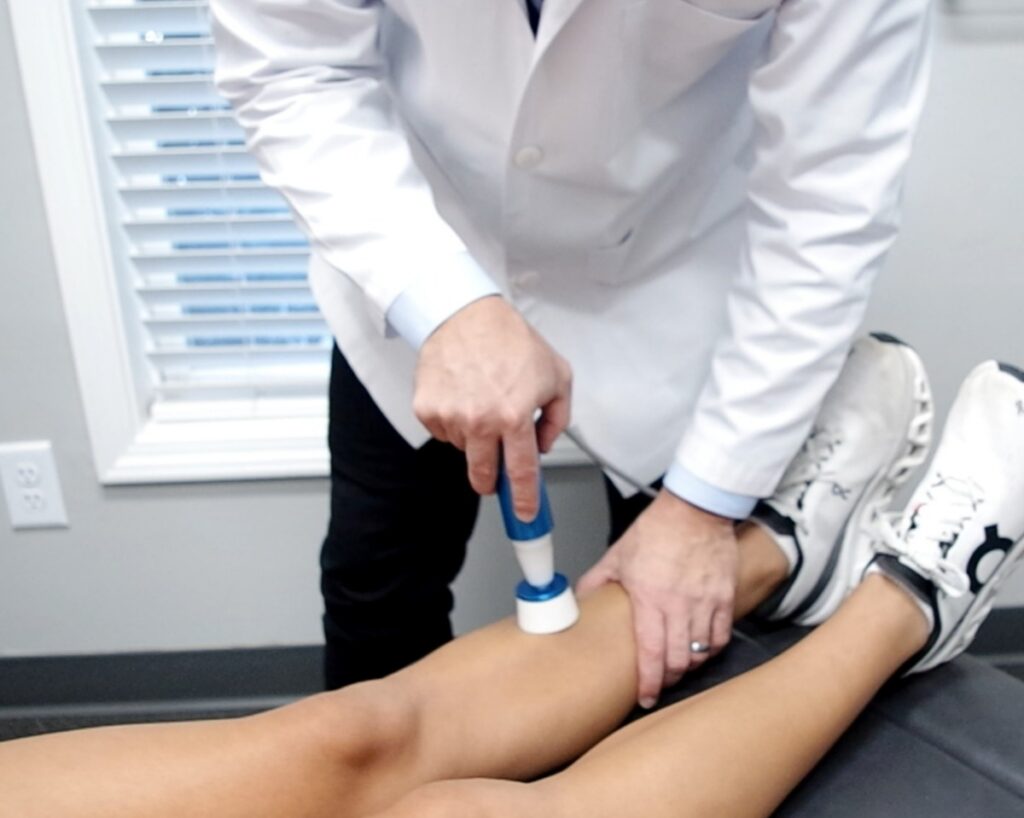
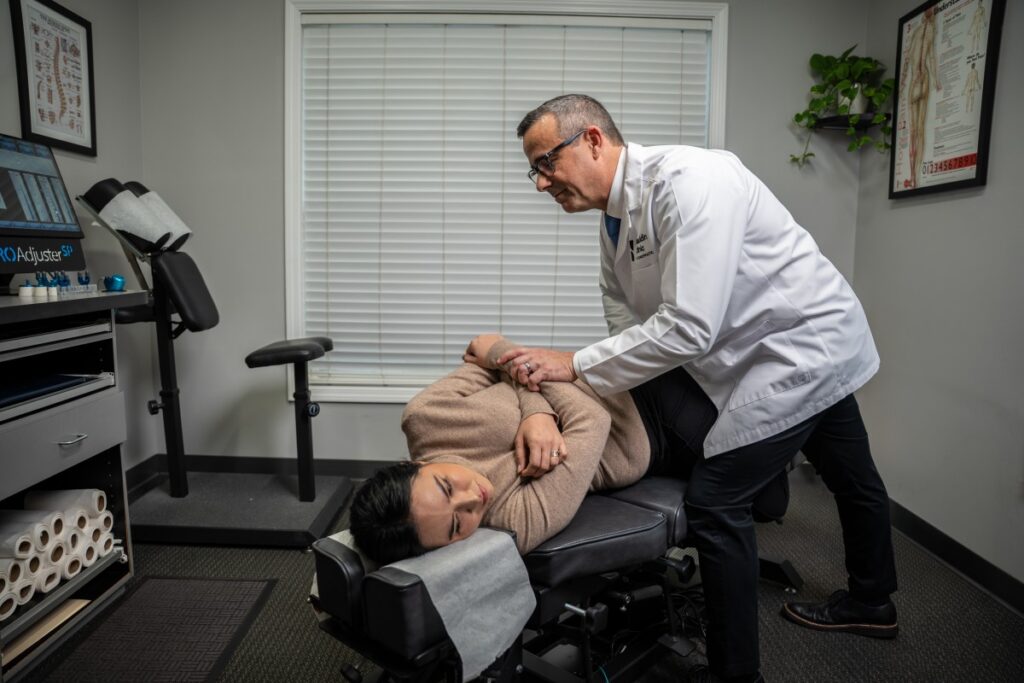
When you’re recovering from an injury, embracing chiropractic care can truly make a world of difference. Techniques such as spinal adjustments, gentle manual therapy, and tailored exercise rehabilitation not only help speed up your recovery but also enhance your overall well-being.
Chiropractic care focuses on natural healing and promotes healthier living without the need for medications or surgeries. By addressing the root cause of your pain, chiropractic adjustments can relieve pressure on your nerves and improve your mobility.
Additionally, incorporating specific exercises into your routine can strengthen the muscles around your spine, supporting your recovery and preventing future injuries.
Here are some helpful tips to aid your recovery:
- Stay Active: Engage in gentle movements and stretches recommended by your chiropractor to keep your body flexible and strong.
- Posture Awareness: Be mindful of your posture while sitting, standing, or lifting. Correct posture can prevent unnecessary strain on your spine.
- Hydration: Drink plenty of water to keep your body hydrated, which supports overall health and aids in recovery.
- Rest and Recovery: Ensure you get enough rest to allow your body to heal. Listen to your body and don’t push yourself too hard.
Remember, chiropractic care is a holistic approach that supports your journey to optimal health. By choosing this path, you’re taking a proactive step towards natural wellness and pain relief.
Let’s work together on your road to recovery!
Manual Therapy Benefits
Manual therapy is a powerful tool that can significantly enhance recovery for athletes, especially when integrated into chiropractic care. This hands-on approach focuses on the manipulation of muscles and joints, helping to alleviate pain and restore function naturally.
Here are some of the many benefits you can experience from manual therapy as part of your chiropractic treatment:
- Improves Blood Circulation: Enhanced blood flow helps repair tissues more effectively, promoting faster healing.
- Reduces Muscle Tension and Stiffness: By relieving tightness, manual therapy can greatly improve your mobility and flexibility.
- Alleviates Pain: Targeted manipulation helps to reduce discomfort, allowing you to get back to your activities with less pain.
- Enhances Joint Function and Range of Motion: Regular chiropractic adjustments paired with manual therapy can help your joints move freely and efficiently.
- Promotes Relaxation and Reduces Stress: This holistic approach not only addresses physical symptoms but also promotes overall well-being.
Incorporating manual therapy into your recovery plan through chiropractic care can lead to a more effective healing process. Always seek the guidance of a qualified chiropractor who can provide you with a personalized treatment plan tailored to your specific needs and wellness goals.
General Tips for Optimal Health:
- Stay Active: Regular movement promotes joint health and strengthens muscles.
- Hydrate: Drinking plenty of water supports tissue health and overall recovery.
- Practice Good Posture: Maintaining proper alignment can prevent injuries and reduce strain on your body.
- Listen to Your Body: Pay attention to pain signals and don’t push through discomfort—this is your body’s way of signaling a need for care.
Exercise Rehabilitation Protocols
Building on the benefits of manual therapy, chiropractic care plays a vital role in an athlete’s recovery journey. Our approach focuses on restoring strength, flexibility, and mobility, ensuring you regain peak performance naturally.
By working closely with a chiropractor, you’ll engage in tailored exercises designed to target the specific areas affected by your injury, all while promoting overall wellness. You’ll start with gentle movements to improve your range of motion, gradually progressing to more challenging exercises as your strength builds.
This gradual approach is crucial. Consistency with your rehabilitation plan not only helps prevent future injuries but also supports long-term health. Communication with your chiropractor is key—always share any discomfort or concerns you may have so your treatment plan can be adjusted effectively.
Remember, chiropractic care isn’t just about addressing pain; it’s about enhancing your overall well-being.
Here are some general tips to keep in mind during your recovery:
- Stay Active: Incorporate light activities that you enjoy, like walking or swimming, to keep your body moving.
- Listen to Your Body: Pay attention to how you feel during exercises. If something doesn’t feel right, let your chiropractor know.
- Prioritize Rest: Allow your body time to heal. Rest is just as important as movement in the recovery process.
- Stay Hydrated: Drinking plenty of water can help keep your tissues healthy and support recovery.
- Maintain a Positive Mindset: A positive attitude can significantly impact your healing process. Embrace the journey to recovery!
Embrace this structured approach with chiropractic care, and you’ll be on the road to recovery and optimal health in no time!
Pain Management Strategies
While experiencing pain is often a natural part of the healing journey, there are effective ways to manage it, and chiropractic care stands out as a powerful method for promoting wellness and recovery.
Here are some strategies you can adopt to alleviate pain and enhance your overall health:
- Chiropractic Adjustments: Gentle spinal adjustments can help restore proper alignment, alleviate tension, and improve your body’s ability to heal naturally.
- Manual Therapy: Our hands-on techniques can relieve muscle tension, enhance mobility, and promote relaxation, which is essential for pain management.
- Exercise Guidance: Customized exercise plans can strengthen your muscles and boost flexibility, making it easier to move comfortably and reducing discomfort over time.
- Spinal Education: Understanding how your spine and body work can empower you to take charge of your health, reducing anxiety about pain and recovery.
- Relaxation Techniques: Incorporating breathing exercises and mindfulness practices can significantly reduce stress levels, making it easier to cope with pain.
By focusing on these natural approaches, you can effectively manage pain and promote a healthier lifestyle.
Chiropractic care not only addresses the root causes of discomfort but also encourages your body’s innate ability to heal itself.
Leveraging Nutrition for Optimal Recovery
Nutrition plays a vital role in your journey to recovery, especially when it comes to maintaining a healthy spine and overall wellness. Proper nourishment helps your body heal more effectively and regain strength after physical activity or injury. It’s essential to focus on a balanced diet that includes whole foods, such as lean proteins, healthy fats, and complex carbohydrates.
Proteins, found in foods like chicken, fish, and legumes, are crucial for repairing and building muscle, which is important for maintaining proper spinal alignment and function. Healthy fats from sources like avocados and nuts can help reduce inflammation, promoting a healthier spine and reducing discomfort.
Carbohydrates are equally important; they replenish your energy stores, which is key for staying active and mobile. Opt for whole grains, fruits, and vegetables to ensure you’re getting the vitamins and minerals your body needs to function optimally.
Don’t forget to stay hydrated—drinking plenty of water is essential for proper nutrient transport and recovery.
Additionally, consider adding anti-inflammatory foods, like berries and fatty fish, to your diet to help combat swelling and support your overall health. If you’re ever unsure about your nutritional needs, a consultation with a knowledgeable chiropractor can provide tailored advice that aligns with your health goals.
Remember, the right nutrition not only aids in recovery but also prepares you for your next performance, whether that’s in sports or daily life.
Mental Strategies for Overcoming Setbacks
When facing setbacks, especially those related to pain or discomfort, it’s essential to maintain a positive mindset to keep your spirits high. Chiropractic care is a powerful ally in this journey, as it focuses on natural healing and helps restore balance to your body.
By setting realistic goals for your recovery, you can stay focused and motivated. Incorporating visualization techniques can also be beneficial. Imagine yourself moving freely and without pain, and picture the steps you need to take to get there. This can empower you to stay on track with your chiropractic treatments and wellness routine.
Here are some general tips to help you navigate setbacks:
- Stay Consistent with Chiropractic Visits: Regular adjustments can help alleviate pain and promote healing, keeping you on the path to optimal health.
- Practice Good Posture: Maintaining proper alignment can prevent further issues. Be mindful of your posture while sitting, standing, and moving.
- Engage in Gentle Exercises: Low-impact activities like walking or stretching can enhance your recovery while promoting flexibility and strength.
- Stay Hydrated: Drinking plenty of water supports overall health and can aid in the healing process.
- Listen to Your Body: Pay attention to what feels good and what doesn’t. Communicate with your chiropractor about any discomfort or concerns.
Remember, chiropractic care is designed to help you achieve and maintain optimal health naturally, without the need for surgeries or medications.
Embrace these strategies, and you’ll be better equipped to overcome setbacks and thrive.
Embrace a Positive Mindset
While setbacks are a common part of any athlete’s journey, maintaining a positive mindset can significantly enhance your recovery process. Focusing on the positives can elevate your motivation and resilience, which are crucial for healing.
Here are some effective strategies to help you keep an optimistic outlook, while also highlighting the incredible benefits of chiropractic care for recovery and overall wellness:
- Practice gratitude: Take a moment each day to acknowledge what you’re thankful for, including the small victories in your recovery. This positive reinforcement can enhance your overall well-being.
- Visualize success: Envision yourself returning to your sport stronger and healthier. Visualization can be a powerful tool, and when combined with chiropractic care, it can further support your body’s natural healing processes.
- Surround yourself with positivity: Engage with supportive friends, family, or mentors who uplift you. Additionally, consider visiting a chiropractor who can provide guidance and encouragement tailored to your health journey.
- Focus on what you can control: Shift your attention to your training and rehabilitation efforts. Chiropractic care can play a vital role here by helping to manage pain and improve your mobility, allowing you to focus on your recovery.
- Celebrate progress: Recognize each step forward, no matter how small. Whether it’s a reduction in pain or an improvement in flexibility, celebrating these milestones helps reinforce a positive mindset.
Incorporating chiropractic care into your routine not only aids in pain relief but also encourages a holistic approach to health and wellness.
Set Realistic Goals
Setting realistic goals is crucial for navigating the journey of injury recovery, and chiropractic care can play a significant role in this process. When facing setbacks, it’s common to feel discouraged; however, rather than striving for an immediate return to peak performance, consider breaking your recovery into smaller, manageable milestones with the support of your chiropractor.
Focus on achievable targets, such as regaining range of motion or gradually increasing strength, all of which can be effectively supported through chiropractic adjustments and therapies. Celebrating these small victories not only boosts your motivation but also reinforces your commitment to a natural healing process.
Keep in mind that recovery isn’t always a straight path; there may be some bumps along the way. It’s essential to embrace flexibility in your goals. Your chiropractor can help you adjust these targets to align with your healing journey, ensuring that you’re always moving forward at a pace that suits your body’s needs.
Remember, each step forward, regardless of how minor it may seem, contributes to your overall success and resilience as an athlete. By choosing chiropractic care, you’re opting for a holistic approach that prioritizes natural healing, pain relief, and optimal health.
Stay positive, stay flexible, and let chiropractic care guide you on your path to recovery!
Visualization Techniques for Success
Achieving recovery goals can be challenging, but incorporating visualization techniques can greatly enhance your mental resilience and overall wellness. As a chiropractor, I encourage you to think of your recovery process as a journey that can be supported through mental imagery.
When you mentally rehearse your healing, you create a positive mindset that motivates you to overcome obstacles and stay committed to your recovery.
Here are some visualization techniques to help you on your path to optimal health:
- Picture Yourself Fully Healed: Envision your body functioning at its best, free from pain and discomfort. This mental image can inspire you to take the necessary steps toward recovery.
- Imagine Daily Steps Toward Recovery: Visualize the small, actionable steps you can take each day, such as practicing specific exercises or maintaining proper posture. This helps reinforce your commitment to a healthier lifestyle.
- Visualize Overcoming Obstacles: When challenges arise, picture yourself successfully navigating through them. This can empower you to push through discomfort and remind you of your resilience.
- Celebrate Small Victories: Imagine the joy of achieving little milestones in your recovery, whether it’s increased mobility or reduced pain. Celebrating these moments can boost your motivation.
- Create a Mental Image of Ideal Health: Envision yourself enjoying activities you love, feeling energized and vibrant. This positive visualization can keep you focused on your health goals.
By embracing these visualization techniques, you can transform your outlook on recovery, making the journey feel more manageable and empowering.
The Importance of Rest and Sleep
While it might be tempting to push through your training routine, prioritizing rest and sleep is crucial for effective recovery from injuries. Your body needs time to heal, and without sufficient rest, you risk prolonging your recovery or potentially worsening your injury.
Sleep is vital for muscle repair, tissue growth, and hormone balance—all key elements for healing. During sleep, your body releases growth hormone, which is essential for recovery and tissue regeneration. When you don’t get enough sleep, you may experience increased inflammation and pain, making it more challenging to get back to your peak performance.
As a chiropractor, I encourage you to aim for 7-9 hours of quality sleep each night. If you’re feeling fatigued, consider taking short naps during the day to recharge. Establish a calming bedtime routine to improve sleep quality, and try to limit screen time before bed to help your body wind down.
In addition to rest, consider incorporating chiropractic care into your recovery plan. Chiropractic adjustments can help alleviate pain, improve your range of motion, and promote overall wellness.
By respecting your body’s need for rest and seeking natural healing through chiropractic, you’ll not only speed up your recovery but also return to the sport you love feeling stronger and healthier.
Utilizing Technology for Injury Management
As you embark on your journey to recover from an injury, embracing technology can significantly enhance how you manage your healing process. While chiropractic care is your best option for achieving optimal health and natural pain relief, incorporating certain tools can further support your recovery.
Here are some practical ways technology can work alongside chiropractic care to help you heal:
- Wearable Devices: Keep track of your physical activity and recovery metrics to ensure you’re staying within your limits and progressing appropriately. This can help you communicate effectively with your chiropractor about your activity levels and recovery.
- Mobile Apps: Use apps to log your symptoms, exercises, and any adjustments made during your chiropractic visits. This organization can aid in tracking your progress and discussing changes with your chiropractor for tailored advice.
- Telehealth Services: Enjoy the convenience of accessing expert chiropractic guidance remotely. While in-person visits are ideal, telehealth can help you stay connected with your chiropractor for advice on exercises or adjustments when you can’t make it to the office.
- Virtual Reality: Engage in fun and immersive rehabilitation exercises that can complement your chiropractic treatment. These activities can keep you motivated and focused on your recovery while ensuring you’re moving your body in a way that promotes healing.
- Online Communities: Connect with others who are on a similar recovery path. Sharing experiences and tips can provide encouragement and foster a sense of community, making your healing journey feel less isolating.
Remember, while technology can be a helpful ally in your recovery, nothing replaces the personalized care and expertise of your chiropractor.
Building a Support Network
Building a support network is essential for your recovery, especially when healing from an injury can be both physically and emotionally taxing. Surrounding yourself with the right people can make a significant difference in your journey toward wellness. Start by connecting with family and friends who understand what you’re going through and can offer encouragement. Their support can help you maintain a positive mindset and stay motivated during challenging moments.
Consider reaching out to teammates or coaches who can share insights and experiences. Their understanding of the physical demands of your activity can be invaluable as you navigate your path to recovery.
Additionally, don’t overlook the importance of healthcare professionals, particularly chiropractors. They specialize in spinal health and natural healing, providing expert advice and personalized strategies that can enhance your recovery process without the need for surgeries or medications.
Joining support groups or online communities can also be beneficial. Sharing your experiences and hearing others’ stories can help you feel less isolated. A strong support network not only aids in your physical recovery but also boosts your mental resilience, making the healing process smoother.
Remember, chiropractic care is a fantastic option for pain relief and overall wellness. Regular adjustments can help restore proper function to your spine, alleviate discomfort, and promote natural healing.
Setting Realistic Goals for Return to Sport
Having a solid support network is crucial for effective recovery, but setting realistic goals for your return to sport is just as essential. By approaching your recovery with a clear mindset, you can focus on achievable milestones that keep you motivated and on track, all while promoting natural healing through chiropractic care.
Here are some helpful tips to set those goals:
- Assess Your Injury: Take the time to understand your injury’s severity and how it may limit your movements. This knowledge is key to setting achievable goals.
- Consult Professionals: Working with a chiropractor can provide you with a tailored recovery plan. They can help assess your condition and guide you through exercises that align with your natural healing process.
- Break It Down: Set short-term goals that lead to your long-term objective. For example, if your ultimate goal is to get back to your sport, focus first on regaining mobility and strength in the affected area.
- Stay Flexible: Recovery can be unpredictable. Be prepared to adjust your goals based on your progress and any setbacks. Your chiropractor can help you modify your plan as needed.
- Celebrate Small Wins: Acknowledge each achievement along your recovery journey. Whether it’s improving your range of motion or completing a specific exercise, celebrating these small victories can keep your spirits high and your motivation strong.
By integrating these strategies into your recovery plan and prioritizing chiropractic care, you can pave the way for a natural and effective return to your sport.